Best Cameras for Picture and Video in 2026: Matching the Right Camera to Your Routine
Disclosure: We may earn a commission when you buy through links on this page, at no extra cost to you. As an Amazon Associate I earn from qualifying purchases. Learn more

Match the best cameras for picture and video to your routine: family days, travel days and event days, plus the stills and video features that decide.
There is no single camera that suits every routine, because a hybrid camera is really two purchases in one body. The best cameras for picture and video for you are the ones whose stills side and video side both match the days you actually shoot. A parent filming school plays, a traveler crossing three cities in a week, and a worker recording product clips at a desk all need different balances, even at the same budget.
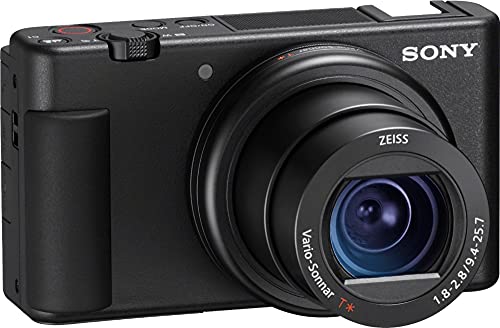
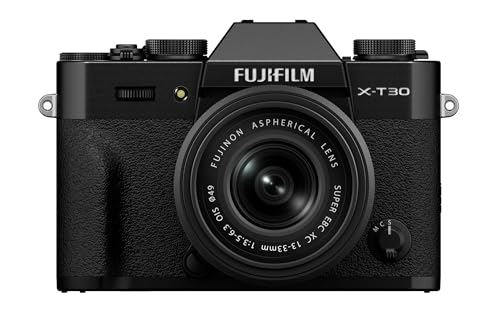
So this guide starts with your routine rather than with spec sheets. Work out which kind of day dominates your shooting, then read the stills half and the video half with that day in mind. The comparison table below gathers the current options in one place, and the sections after it explain which features deserve your money and which ones you can safely skip.




Start With the Day You Shoot Most
Most buyers describe their needs by listing features, but routines predict satisfaction far better than feature lists do. Read the four day types below, find the one that sounds like your normal week, and let it steer every later choice in this guide.
Family Days: Birthdays, School Events, and Ordinary Weekends
Family shooting is fast, close, and usually indoors or in mixed light. You need autofocus that finds faces and eyes without hunting, a screen you can tilt for low and high angles, and controls simple enough that another adult can pick the camera up and use it. Video clips tend to be short, so a modest recording limit rarely hurts, while a microphone input matters less than clear built in sound. Some families also keep prints in mind for grandparents, and the guide to best instant picture cameras covers that separate instant print class if handing over a photo on the spot matters more than building a digital archive.
Travel Days: One Bag, Long Walks, and Changing Light
Travel rewards small size and honest battery life more than it rewards peak specifications. A compact body with a versatile zoom range covers street scenes, landscapes, and quick clips without a bag of lenses, and USB charging means a power bank can rescue a flat battery at a cafe. Weather sealing earns its keep here, because rain and dust do not check your itinerary first. If your trips involve rough water, bikes, or mountains, the action class in the guide to best action video cameras is built for that punishment, though it gives up the stills quality and lens choice of a hybrid body.
Event Days: Weddings, Matches, and Performances
Events punish slow autofocus and short recording limits. You are shooting moving subjects in light you cannot control, often from a fixed seat, so reach, tracking autofocus, and stabilization carry the day. On the video side, a camera that stops recording after a short span can cut a speech or a song in half, which makes the recording limit class a deciding factor rather than a footnote. Dual card slots and a second battery stop being luxuries here, because there is no second take at a wedding or a final.
Desk Days: Remote Work, Lessons, and Product Clips
Creators and remote workers shoot seated, close, and under their own lighting, which flips the priorities again. A flip screen you can see while recording yourself, clean autofocus that holds your face, and a real microphone input matter more than zoom range or burst speed. Reliability across long sessions counts too, since a camera that overheats mid lesson is worse than a plainer one that simply keeps running. If filming yourself is the main job, the guide to best cameras for video blogging goes deeper on the vlogging side of this routine.
The Stills Half of the Job
Judge the stills side on the photographs you will actually print, post, and keep. That means autofocus that locks onto your usual subjects, a sensor that holds up in the light you shoot in, and a lens range that covers your normal distances without constant swapping. Shutter life, burst depth, and file formats matter to event shooters, while family and travel shooters mostly need the camera to be ready fast and forgiving of rushed settings. Readers who lean heavily toward stills can compare the dedicated options in the guide to best cameras for pictures, but a hybrid buyer should remember that the same lens must serve both halves, a point the next section develops.
The Video Half of the Job
The video half is decided by two unglamorous classes of detail: the microphone input and the recording limit. A camera with a proper microphone socket lets you fix the thin, echoing sound that built in microphones capture across a room, while a camera without one locks you into that sound forever. Recording limits vary by class, and some bodies stop a clip after a set span while others record until the card or battery runs out, so match the class to your longest typical clip. Treat maker recording figures and stabilization figures as headline figures only, because each brand measures them under its own conditions and they are not comparable across brands.
When you are ready to compare dedicated video bodies, the guide to best cameras for video covers that side in depth. Above all, remember that the lens does both jobs or neither: a slow lens that starves the stills side of light will starve your evening video of light in exactly the same way.
Picking the Right Cameras for Different Uses
One body style still deserves its own look, because it behaves differently from the mirrorless bodies that dominate the product table above.
Best DSLR Cameras for Picture and Video
A DSLR splits its two jobs between two systems: stills go through the optical viewfinder and a dedicated autofocus sensor, while video usually runs through the screen with a separate, often slower, focusing method. That split is the main thing to check, because a DSLR that feels instant for photographs can feel hesitant when filming. Choose this class for its lens pool, its handling, and its battery endurance, and accept that the video half asks for more patience and more manual focus work.
Key Features to Compare
Autofocus and Stabilization
Autofocus is the feature you feel in every shot. For stills, look for subject detection that recognizes people and animals, because it turns family and event shooting into a point and confirm task. For video, the quieter test is smoothness: good hybrid autofocus eases between subjects instead of snapping, which keeps clips watchable. Stabilization matters just as much once you film handheld, since in body stabilization steadies walking shots and low shutter stills, while lens based systems vary by lens and add cost each time you buy one.
Sensor Size and Image Quality
Sensor size sets the ceiling for low light quality and shallow depth of field. One inch sensors keep cameras small and suit travel and desk routines, APS C sensors balance size, price, and quality for most buyers, and full frame sensors give the most low light headroom at the highest cost in body and lens weight. Megapixels are not the whole story, because a modest count on a larger sensor usually beats a huge count crammed onto a tiny one once the light drops.
Size, Weight, and Ergonomics
A camera you leave at home takes no photographs at all, so carry weight is a real specification. Add the lens you will actually mount, not the lightest one in the range, and weigh the pairing against your routine: a travel kit lives in a shoulder bag all day, while a desk camera barely moves. Grip depth, button layout, and a screen that tilts the way you need also decide long session comfort, and none of those show up in a megapixel count.
Video Capabilities Beyond the Resolution Badge
Resolution is the headline, but the working details decide whether video feels easy or fought for. Beyond the microphone input and recording limit classes covered earlier, check for a headphone socket if you monitor sound, a screen that faces you if you film alone, and focus aids such as peaking if you plan to focus manually. Heat behavior belongs here too: some compact bodies shorten their recording time in warm rooms or at their highest settings, which matters for lessons, ceremonies, and long interviews.
Common Mistakes to Avoid When Buying Cameras
- Buying for the video headline alone, then discovering there is no microphone input when the first indoor clip sounds hollow.
- Ignoring the recording limit class, then losing the end of a speech or performance when the camera stops on its own.
- Judging a hybrid by its stills only and never testing how its autofocus behaves while filming moving subjects.
- Spending the whole budget on the body and leaving nothing for the faster lens that both halves of the job needed.
- Choosing a body that is too heavy for the routine, so it stays home on exactly the days it was bought for.
Care and Maintenance Tips
Clean the lens with a proper lens cloth rather than a shirt, because grit trapped in clothing fabric can scratch coatings. Carry a spare battery and rotate the pair, since video drains batteries far faster than stills and a flat battery ends both jobs at once. Store the camera in a dry, padded bag, keep the body cap or a lens fitted so dust stays off the sensor, and wipe down the body after wet or dusty days before the bag goes back in the cupboard.
Cameras for Picture and Video: Questions Answered
What features matter most in a camera used for both stills and video?
Autofocus quality, a microphone input, and the recording limit class matter most, because they decide whether both jobs feel workable day to day. Sensor size comes next, since it sets low light quality for photographs and clips alike. Resolution badges and megapixel counts matter least, because every current hybrid clears the bar for sharing online, while weak autofocus or missing audio options limit you on every single shoot.
How much should I spend on my first hybrid camera?
Most first time buyers land between about $500 and $1,200 for a body with a kit lens, which buys reliable autofocus, a microphone input, and a sensor that copes with indoor light. Spending less usually means giving up the microphone socket or accepting a small sensor, while spending more mainly buys low light headroom and faster lenses later. Keep some budget aside for a memory card, a spare battery, and a bag.
Is a smartphone enough instead of a dedicated camera?
A smartphone is enough for casual clips and snapshots, and its automatic processing hides a lot of weak light. A dedicated camera pulls ahead when you need a microphone input, real zoom reach, shallow depth of field, or long event recording without interruptions from calls and storage warnings. Many buyers keep the phone for everyday moments and use the camera for planned shoots, events, and work, which is a sensible split rather than a compromise.
Which sensor size is better for low light stills and video?
A larger sensor is better in low light, because it gathers more light per pixel and keeps noise down at the high sensitivity settings that evening stills and indoor video both demand. Full frame leads, APS C sits close behind at lower cost and weight, and one inch sensors manage respectably in lit rooms. The gap shows most in candlelit rooms, evening events, and any scene where you cannot add light of your own.
What specs matter most for beginners buying one camera for both jobs?
Beginners comparing the best cameras for pictures and videos should rank reliable autofocus, a tilting screen, a microphone input, and simple menus above raw specifications. Those four decide whether the first months feel encouraging or frustrating. A kit lens with a useful zoom range teaches you which focal lengths you actually use, and that knowledge makes the second purchase, usually a faster lens, far smarter than buying one on guesswork.
Final Thoughts
Match the camera to the day, not to the advertisement. Family days want forgiving autofocus, travel days want honest size and battery life, event days want reach and long recording, and desk days want a flip screen and a microphone input. The product table above pulls the current field into one view, so use it to shortlist bodies that satisfy your routine first and your feature list second. Chosen that way, the best cameras for picture and video are simply the ones whose stills half and video half both fit the life you already lead.