
Best Cameras for Pictures for 2026: Budget, Midrange, and Premium Bands
Disclosure: We may earn a commission when you buy through links on this page, at no extra cost to you. As an Amazon Associate I earn from qualifying purchases. Learn more

Compare the best cameras for pictures by budget band. See what sensor, lens and zoom classes you get at each level and where extra money actually shows.
Cameras sold for still photography span a wide price range, from simple compacts at about $100 to system cameras costing several thousand dollars. Shoppers comparing the best cameras for pictures quickly learn that the price gap is not about the picture count printed on the box. The still photograph itself is decided by the sensor class and the lens class in front of it, and those two parts are where the money should go first.
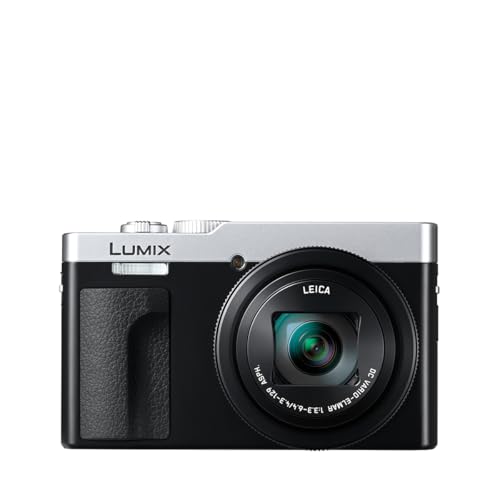
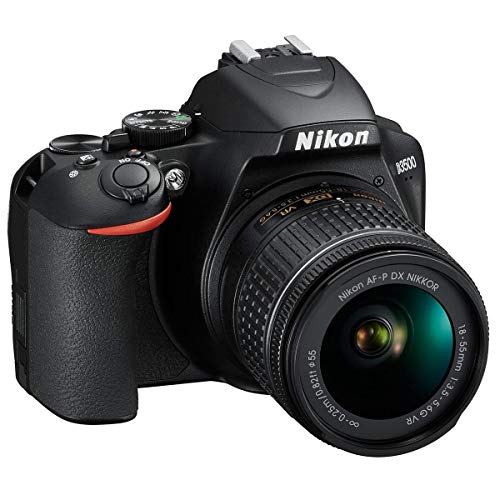
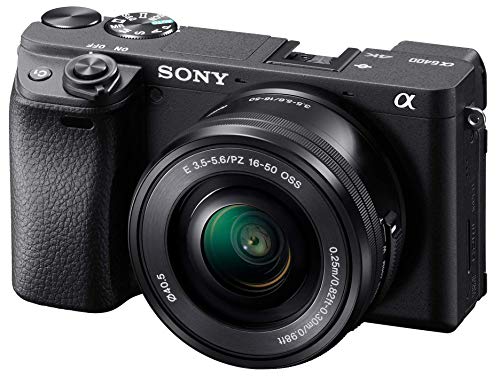
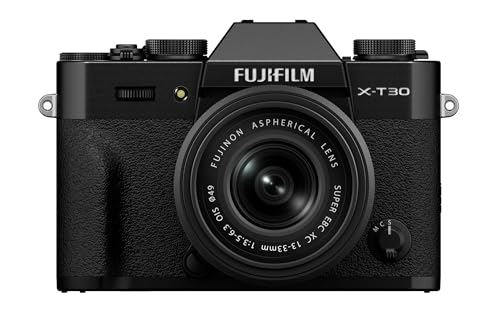
Video features fill the second half of most spec sheets, and they matter if you record clips, but a camera bought for pictures earns its keep on handling, zoom reach and performance in dim rooms. Your phone is already a camera you own, so a dedicated camera has to beat it on those three points to be worth carrying. The comparison table below sorts the main classes by budget band so you can see where each level starts.




Three Budget Bands and What Each One Buys
Price bands are a practical way to shop because each band buys a clear step in sensor size, lens range or handling speed. The bands below describe classes of cameras rather than single products, and the product table above shows current examples in each band. Read the band descriptions first, then use the tier section to see which parts improve as the price climbs.
Budget Band: Honest Stills for Everyday Moments
The budget band, about $100 to $300, holds simple compacts and the oldest entry level system cameras. Most use small sensors and either a fixed lens or a slow starter zoom, so they shine in daylight and struggle once the light drops. You get honest family snapshots, travel pictures and school events without learning a complex menu system. The trade is clear: dim rooms bring grainy files, focus hunts on moving children, and there is little room to crop later, though buyers who print small or share online are already covered by this band.
Midrange Band: Bigger Sensors and Real Controls
The midrange band, about $300 to $800, is where stills quality takes its biggest step. One inch compacts and entry mirrorless cameras bring larger sensors, faster lenses and dials that put exposure under your fingers. Files hold up to bigger prints, and autofocus starts tracking faces and eyes instead of guessing at the center of the frame. Buyers who shoot birthdays indoors, pets in the yard or weekend trips usually feel this step every single week, and it is also the band where a second lens becomes a sensible later purchase.
Premium Band: Large Sensors and Fast Glass
The premium band, about $800 to $2,500, centers on large sensor system cameras and the fastest fixed lens compacts. Shallow depth of field, clean files at high sensitivity settings and rapid burst shooting all live here. Wedding guests, serious hobbyists and anyone printing wall sized pictures get real value from this band. The costs rise beyond the body, because premium lenses often cost as much as a midrange camera, and the weight climbs too, so this band suits buyers who plan outings around photography rather than carrying a camera just in case.
What Your Money Gets You at Each Price Tier
Budget Tier: What to Expect
At the budget tier you are paying for convenience and a real optical zoom, not for image quality leaps. Expect plastic bodies, small rear screens and automatic modes that make most decisions for you. That is fine for daylight and flash lit parties, and many readers comparing the best cameras to take pictures for casual family use land here happily. What you do not get is control: manual settings are buried, raw files may be missing, and the battery often lasts a single outing.
Midrange Tier: Where the Handling Improves
The midrange tier buys handling as much as image quality. A viewfinder you can use in bright sun, a tilting screen for low angles and two control dials change how fast you can react to a moment. Sensors grow, so the same scene holds more detail in shadows and highlights, and this tier also adds weather sealing on some classes and better video as a bonus, though stills remain the reason to buy. For most households this is the highest tier that pays for itself in weekly use.
Premium Tier: When the Extra Money Shows
Premium money shows in three places: low light files that stay clean, lenses that stay sharp at wide apertures and bodies that keep shooting through a fast sequence without slowing. It also buys deeper menus and more custom buttons, which help experienced users and overwhelm beginners. Spend here when you already know which lens you want next, because the lens usually matters more than the body step. If your pictures live on a phone screen, this tier is more camera than the output can show.
Features Worth Paying For (and Ones to Skip)
Lens and Zoom Range
Optical zoom is real reach, because the lens itself magnifies the scene before the sensor records it. Digital zoom only crops the file, so a big digital zoom figure is a feature to skip at every price. Aperture numbers matter just as much: a lens that opens wide gathers more light and blurs backgrounds, which flatters portraits. A moderate optical range with a bright aperture beats a huge range with a dim one for most picture taking.
Zoom lenses and fixed focal length lenses split the budget band further. A zoom trades some brightness for framing freedom, which suits travel and family events where you cannot move closer. A fixed lens, often called a prime, gives up that freedom and returns a brighter aperture and sharper files at the same price. Beginners usually learn faster on the zoom that came in the box, then add one bright prime once they know which subjects they chase most.
Features That Matter for Pictures
A stills camera should respond the instant you press the shutter, with no lag while it thinks. Burst depth matters for sports days and wildlife, because the best frame is rarely the first one. A raw file option gives you editing room when the light was mixed, and a clear viewfinder or screen helps you compose before the moment passes. Readers weighing the best cameras for picture taking for everyday use should rank these response traits above video extras every time.
Durability and Weather Sealing
Weather sealing means gaskets at the doors and dials that shrug off drizzle and dust, and it appears from the midrange tier upward. It is worth paying for if you shoot at the coast, on trails or at rainy games. Sealing is not waterproofing, though, so a sealed camera still cannot be dunked or left in a downpour without cover. Buyers who shoot indoors and on calm days can safely skip this feature and put the money toward the lens instead.
Autofocus and Stabilization
Modern autofocus classes detect eyes and faces, which quietly fixes the most common ruined portrait: focus on the ear instead of the eye. Stabilization steadies your hands at slow shutter speeds, so it helps in museums, churches and evening streets. It does not freeze a moving subject, so parents shooting games still need fast shutter speeds from the midrange tier up. Anyone pricing the best cameras for sports pictures should compare tracking focus and burst depth before comparing pixel counts.
Screens, Viewfinders and Handling
How a camera meets your eye decides how many pictures you frame carefully instead of guessing. An eye level viewfinder stays readable in bright sun and steadies the camera against your face, while a rear screen suits tripod work and odd angles. Touch focus on the screen speeds up still life and product shots at a desk. Grip depth and button placement sound minor in a shop, yet they decide whether a long wedding day ends with sore fingers or steady hands.
Sensor Size and Image Quality
Sensor size is the single strongest predictor of still picture quality, because a larger sensor gathers more light for every shot. That is why the classes step from small compact sensors through one inch and crop sizes up to full frame. A print is the honest test of resolution: a frame on the wall shows flaws that a phone screen hides, while screen viewing alone needs far less resolution than buyers fear. Treat megapixel counts as a minor spec and the sensor class as the headline.
Choosing Cameras for Your Situation
Some picture needs sit outside the main bands. One branch skips the screen entirely and prints on the spot, which is where best instant picture cameras fit party and scrapbook use. The five situations below cover the special cases readers ask about most, from phones to trail units.
Best Phone Cameras for Pictures
The best phone cameras for pictures win on processing: the phone merges several frames into one clean still before you ever see it. That makes phones hard to beat for casual snapshots in mixed light. A dedicated camera pulls ahead when you need real zoom, a larger print or reliable focus on a moving subject. If your pictures stay on screens and your phone is recent, spend nothing; if you print or zoom often, the midrange band is the honest upgrade.
Best Trail Cameras for Pictures
Trail cameras trade everything for patience: they sit outdoors for weeks and fire when motion crosses their sensor. Judge the best trail cameras for pictures on trigger speed, night illumination class and battery endurance, since a slow trigger photographs empty paths. Picture quality at night depends on the flash class, with brighter classes reaching farther and alarming animals more. Weather sealing is not optional here, and a locking mount protects the unit on shared land.
Best Game Cameras for Pictures
Game cameras serve scouting rather than security, so the priorities shift toward staying unnoticed. The best game cameras for pictures use low glow or no glow illumination classes that wary animals rarely react to, plus detection zones wide enough to catch movement at the frame edge. Series modes that fire several frames per trigger help you read animal patterns over a season. Picture resolution matters less than placement, so budget for mounts and spare cards before stepping up a tier.
Best Sony Cameras for Pictures
Choosing within one maker is really choosing a lens system and a menu style you will live with for years. The best Sony cameras for pictures sit inside a broad lens catalog, so second lenses and used options are easy to find at every band. Judge the body on sensor class and handling first, then confirm the two lenses you want exist at prices you accept. Switching systems later is expensive, so this decision deserves more care than any single feature.
Best Camera for Pictures of Monitors
Photographing a screen is a strange special case, because the camera and the display refresh at different rates and fight each other. The best camera for pictures of monitors offers a silent electronic shutter class and flicker reduction settings, which calm the banding that ruins screen shots. A tripod and a remote release help more than resolution does, since slow shutter speeds smooth out the refresh cycle. If screens are your subject for work, test this use before spending on a bigger sensor.
Long Term Costs to Factor In
The body is only the first bill, and system camera owners should budget for a second lens within the first year, plus spare batteries, fast memory cards and a bag that actually gets carried. Compact owners spend less, mostly on batteries, cards and a case. Printing adds its own running cost in paper and ink or lab fees, and it scales with how much you love the results. A sensible plan sets aside about a quarter of the body price for the first year of extras, whatever band you choose.
Care belongs in the same budget, because stills cameras reward small habits. A blower and a microfiber cloth keep dust off the front element, and changing lenses with the mount facing down keeps dust off the sensor. Store the camera dry, charge spare batteries before big days and copy files to two places before formatting a card. None of this costs much, and it protects the picture quality you paid for far longer than any accessory.
Still Camera Questions Answered
What features matter most in cameras for pictures?
Sensor class and lens quality matter most, because together they decide how much light and detail every still contains. After those two, rank autofocus speed and a screen or viewfinder you can compose with quickly. One point buyers miss: a tilting screen changes which pictures you attempt, since low and high angles stop being guesswork. Video specs, giant zoom figures and long feature lists add cost without improving the stills most people take.
Which camera class takes better pictures in low light?
Larger sensor classes take better low light pictures, because each pixel gathers more light and produces cleaner files at high sensitivity settings. A bright lens aperture helps almost as much, so a midrange camera with a fast lens can match a premium body with a slow one. One extra trick costs nothing: a small tripod or a steady rest lets any class use slow shutter speeds for still subjects. Moving subjects in dim rooms remain the hardest case at every price.
Is a smartphone enough instead of a dedicated camera for pictures?
For pictures that live on screens, a recent smartphone is usually enough, and its processing hides many beginner mistakes. A dedicated camera earns its place when you print large, zoom far or shoot fast action where phones lag. The deciding question is output size, not habit: name the biggest print you realistically make this year. If the honest answer is a small frame on a desk, the phone in your pocket already covers it.
What specs matter most for beginners choosing a camera for pictures?
Beginners should rank weight and simplicity above every specification, because a camera left at home takes no pictures at all. After that, look for a helpful automatic mode, a guided menu and a lens range that covers family scenes without swapping. Sensor class matters, but one step up is plenty for a first camera. Skip premium burst speeds and deep custom menus until your current camera, not your skill, is the limit you keep hitting.
How many megapixels does a camera need for large prints?
Fewer than the marketing suggests, because viewing distance does most of the work: a wall print is seen from several feet away, where the eye cannot resolve extreme detail. A midrange sensor already holds enough for large home prints when the focus and light were right. Cropping is the real resolution eater, so compose carefully in the field instead of planning to crop later. Sharpness from a good lens beats a higher pixel count from a weak one at print sizes.
Should I buy a camera body only or a kit with a lens?
A kit with the starter zoom is the better first purchase for most beginners, because it frames everything from group shots to portraits while you learn. Body only pricing looks tempting, but it assumes you already own a compatible lens or plan to buy one at once. Experienced upgraders often skip the kit because they know the lens they want. If the kit discount is small and you already dream of a specific bright lens, put the money there instead.
The Bottom Line
Start with the sensor class your budget allows, then check that the lens range and handling fit the pictures you actually take. The bands in the product table above show how those pieces combine at each price, and the best cameras for pictures for any household are the ones that get carried, not the ones with the longest spec sheet. Pick the band first, and the right camera inside it becomes an easy choice.


