
Best Action Video Cameras 2026: Matching the Right Camera to Your Routine
Disclosure: We may earn a commission when you buy through links on this page, at no extra cost to you. As an Amazon Associate I earn from qualifying purchases. Learn more

Compare action video cameras by routine, battery, card space, stabilization and low light results to find a small camera that fits your rides and trips.
There is no single camera that suits every routine, because a camera that is perfect for a calm kayak morning can be the wrong tool for a rough downhill run. The best action video cameras for your life are the ones that match how you actually move, how long you record at a stretch, and how much editing you are willing to do afterward. Start with your routine and let the specs follow from it.
This guide works through four common routines first, then the video economics that decide real satisfaction, including recording time per battery, recording time per card, heat limits on long takes, and the storage and editing load at home. Use the comparison table below to line the main camera classes up by routine so you can see the trade offs before you spend anything.


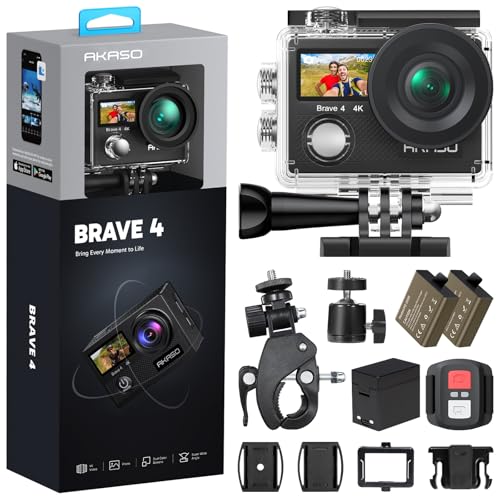


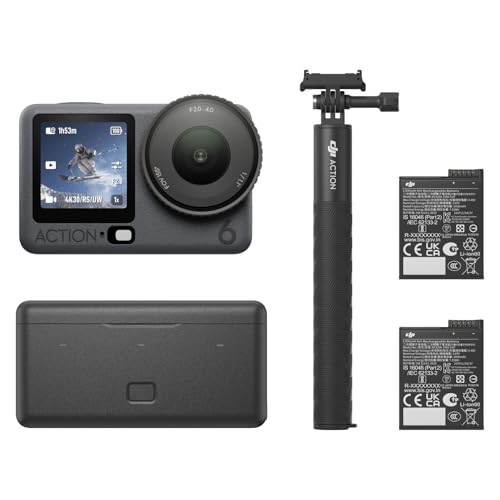
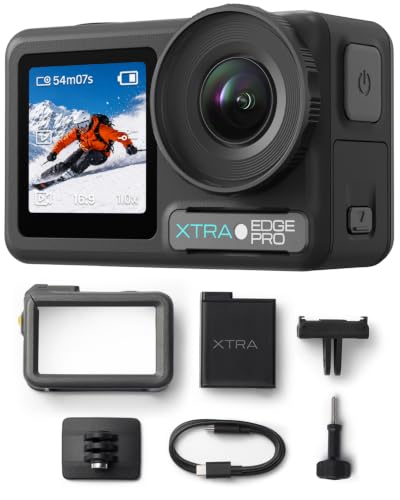
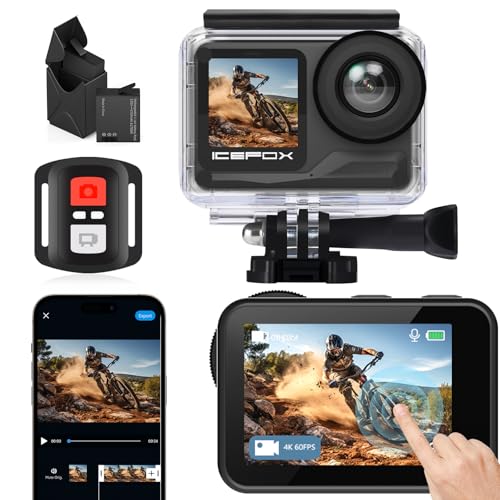
Who Should Buy Which Action Video Cameras?
Routines differ in three practical ways: how the camera is mounted, how long each take runs, and how rough the movement is. A buyer who records short clips on a chest mount needs different battery planning than a buyer who records a full moto ride in one take. Read the routine closest to your own week and note the priorities before you look at any price band.
Trail and Bike Recording
Trail riders usually mount the camera on the chest, the helmet, or the bars, and they record in bursts around climbs, descents, and stops. Stabilization behavior in constant vibration matters more here than headline resolution, because bar mount shake can make high resolution footage look worse than smoother footage from a lower setting. Battery swaps at trail stops are easy, so two smaller batteries often beat one long recording plan. If your rides lean toward racing and fast group runs, our guide to the best video cameras for action sports covers the wider sports category in more depth.
Water Sports and Wet Days
Kayakers, surfers, paddle boarders, and snorkelers need a camera that keeps working with wet hands, spray, and short dunkings. Touch screens can misread wet fingers, so physical buttons and voice control earn real value in this routine, and a housing or a rated body decides how deep the camera can go. Recording runs are usually short, so card space is rarely the limit, but fogging inside a housing on a warm day can ruin a session. Rinse the camera in fresh water after salt water use and let seals dry fully before opening any door.
Moto and Helmet Routines
Moto riders record the longest takes of any group here, often a full commute or a full scenic road in one file. That makes recording time per battery and per card the deciding numbers, along with wind noise handling and a mount that holds its angle at speed. A camera that overheats and stops at forty minutes is a poor match for this routine even if its short clips look superb. Plan on a larger card, a spare battery in a jacket pocket, and a tether so a failed mount does not mean a lost camera.
Family Adventure Days
Family buyers record hikes, beach days, ski lessons, and school sports with a camera that several people may handle in one day. Simple controls, a tough body that shrugs off drops, and easy phone transfer matter more than deep manual settings. Short clips rule this routine, so a modest card lasts for weeks, and the real cost is the time spent sorting clips afterward. If family filming grows into longer storytelling projects, our guide to the best cameras for video explains when a larger video camera class starts to make sense.
| Routine | Camera class that fits | Battery plan | Card plan |
|---|---|---|---|
| Trail and bike | Compact cube or standard body with strong stabilization | Two batteries swapped at stops | Mid size card, clips are short |
| Water sports | Rated waterproof body or housing based class | One battery per session is typical | Small to mid size card |
| Moto and helmet | Standard body with long take support | Spare battery or powered mount plan | Large card for full ride files |
| Family adventure | Simple tough compact class | One battery per day out | Mid size card lasts for weeks |
Choosing Action Video Cameras for Your Situation
Some buyers want the smallest camera they can forget about, and that wish leads to the small cube and mini classes within this category. Tiny bodies clip to a cap, a strap, or a magnetic mount and record short moments with almost no setup. The trade is fixed: small bodies carry small batteries and small sensors, so recording time is short and low light results are modest. Choose this class for brief clips and easy carrying, and choose a standard body when your routine needs long takes or better sound.
Buyers who split time between action footage and calmer filming should look at the broader best action cameras category as the stills and video middle ground before deciding. As the product table above shows, the classes in this article differ most on the routine factors that decide daily satisfaction. If your clips lean toward talking pieces and travel diaries, a standard body with a front screen and a good microphone input will serve you better than an ultra small class.
Key Features to Compare
Comparing the best action video cameras by headline resolution alone leads buyers astray, because real routines stress battery, card space, heat, and stabilization long before they stress pixel counts. The factors below are ordered by how often they decide whether owners keep using a camera or leave it in a drawer. Judge every model class against your routine, not against a spec sheet written for someone else.
Recording Time per Battery and per Card
Battery figures on a box are recorded at modest settings with the screen off and little stabilization load, so real recording time at 4K with stabilization active is usually well below the headline number. A useful planning rule is to expect roughly an hour to ninety minutes per battery at high settings, and less in cold weather. Card space follows the same pattern: high resolution and high frame rate modes can fill a mid size card in a single long ride. Buy the card size your longest routine needs, and treat a second battery as part of the camera price from the start.
Stabilization Behavior in Motion
Electronic stabilization crops the image and processes movement in the camera, and each maker handles bumps, pans, and vibration differently. Smooth results on a chest mount can still show jitter on a bar mount, because high frequency vibration is the hardest motion to correct. Horizon lock style features keep the frame level through leans and turns, which suits bike and moto footage. Test your intended mount position in your mind before buying: the mount decides more about final smoothness than any stabilization badge.
Low Light Performance and Sensor Size
Small sensors gather less light, so action cameras as a class struggle after sunset, in forests, and indoors compared with larger cameras. A larger sensor within this class, around the one inch class at the top end, handles dusk trail rides and evening streets with visibly cleaner results. Raising sensitivity adds noise and softness, and stabilization can add blur in dim light because the camera needs longer exposures. If your routine runs at dawn or dusk, weight this factor heavily and accept a bigger body to get it.
Ease of Use and Everyday Controls
Gloves, wet hands, helmets, and bright sun all fight against fiddly menus, so button layout and voice control decide how much footage you actually capture. A clear record indicator you can see or hear prevents the classic failure of riding a full descent with the camera off. Phone apps speed up framing and transfer, but app quality varies and a camera should still work fully without one. Favor simple mode layouts you can operate by feel once the camera is mounted.
Size, Weight, and Mounting Options
Helmet mounts punish heavy cameras on long rides, while chest mounts hide extra weight easily. The mount ecosystem matters as much as the body: standard fingers, threaded bases, and magnetic systems each lock you into a family of accessories. Every mount adds cost, so price the mounts your routine needs alongside the camera itself. A slightly larger body with the mount system you already own often beats a smaller body that forces a full accessory reset.
Resolution and Frame Rate Choices
Higher resolution earns its cost when you crop into footage, stabilize aggressively, or show clips on a large screen at home. For clips that live on a phone screen, a lower resolution setting often looks just as good while asking far less of the battery and the card. High frame rate modes exist for slow motion, and they shine on jumps, splashes, and crashes where a brief moment deserves a longer look. Everyday riding and paddling rarely need them, so treat high frame rates as a special tool rather than a default setting.
Sound and Microphone Options
Sound decides whether a clip feels present or flat, and small internal microphones sit close to wind, handling noise, and mount rattle. Cameras with wind reduction settings and foam covers tame trail and road noise enough for clear narration at stops. Standard bodies in this class may add a microphone input or a media add on, which helps riders and family narrators who talk through a day. If your routine is mostly water and wind, prioritize water shedding microphone covers and simple audio you can trust without accessories.
Mounting and Safety on the Move
Mount the camera and set the angle before you move, every time, because adjusting a camera while riding or driving divides your attention at the worst possible moment. Never hold the camera in your hand on a bike, a board, or a vehicle where a fall or a swerve could follow a glance at the screen. Follow the mount maker guidance on surfaces and curing time for adhesive mounts, and add a tether on helmets and bars so a failed mount drops the camera only a few inches.
Waterproof figures are maker figures measured in controlled conditions, and seals age, tear, and trap grit that weakens them over time. Check every door seal before water use, replace worn seals, and treat any depth figure as a ceiling rather than a promise. After salt water use, soak and rinse the closed camera in fresh water and dry it fully before charging. A camera that survives the water but corrodes at the contacts has failed the routine just the same.
Common Mistakes to Avoid
- Buying on resolution alone, then discovering the battery ends before your routine does.
- Forgetting card cost and speed, so high settings stutter or a full card stops a long take midway.
- Mounting the camera for the first time at the trailhead, with no angle check and no tether.
- Trusting a waterproof figure on an older camera with worn seals and grit in the door edges.
- Ignoring the editing side, then abandoning hours of huge files that your computer struggles to play.
Tips to Get the Most From Your Action Video Camera
Clean the lens with a soft lens cloth rather than a shirt hem, because grit in fabric scratches coatings and every scratch shows in bright sun footage. Carry a spare battery and a spare card in a sealed pocket, and rotate them so no single battery ages alone. Store the camera in a dry padded bag with the battery removed for long breaks, and charge batteries the night before a planned outing rather than weeks ahead.
Back up cards the same day you record, because a lost or failed card takes the whole routine with it. A simple editing routine helps: copy files to one folder per outing, delete obvious failures early, and export short clips while the day is still fresh in your mind. If editing already feels like a chore, our guide to the best video editor for action cameras explains what editing software needs to handle action footage smoothly. Small habits like these keep the camera ready and the footage usable.
Action Video Camera Questions Answered
How long does an action video camera battery really last at 4K?
Most action video cameras record for about an hour to ninety minutes per battery at 4K with stabilization on. Cold weather, bright screens, voice control left listening, and high frame rate modes all pull that figure down further. Riders who record long takes should budget for a second battery from day one. Swapping at a natural stop is far less disruptive than lowering settings mid ride just to stretch a single battery.
Will an action video camera overheat on a long take?
Yes, overheating is a real limit on long takes at high settings, especially in still air and direct sun. Cameras manage heat by warning, then stopping the recording to protect the hardware, and airflow from movement helps more than shade alone. For stationary long recordings, lower settings and an external power source reduce heat stress. Moto riders usually fare better than static shooters because moving air cools the body through the whole ride.
Is a smartphone enough instead of an action video camera?
A smartphone is enough for occasional clips on dry land where a drop would not end the day. It falls short when you need a helmet or chest mount, wet weather recording, glove friendly controls, or a body you can risk on a rocky descent. Phones also tie up your navigation and communication tool as a camera. Buyers with even one regular mounted routine usually get more usable footage from a dedicated small camera.
How much card space does action video need?
High settings can use several gigabytes every ten minutes, so card needs grow fast on long routines. A mid size card suits short clip routines for weeks, while full ride recording can demand the largest common card sizes in a single day. Buy cards rated for sustained video writing rather than the cheapest option on the shelf. A card that cannot keep up causes stopped recordings that look like camera faults.
Do waterproof action video cameras need a housing?
Not always, because many bodies carry a maker depth rating for shallow water on their own. A housing still earns its place for deeper diving, heavy impact risk, and protecting seals on older cameras. Ratings assume clean, intact seals and closed doors, so a single grain of sand can change the outcome. When a routine includes real depth or rough surf, the housing is cheap insurance compared with a flooded camera.
Final Thoughts
Start from your routine, then match recording time, stabilization behavior, and mount options to it, and the right class becomes clear quickly. Use the product table above to pull those factors together and compare classes without chasing spec badges. When you judge the best action video cameras by the days you actually spend outside, you buy once, carry the camera often, and come home with footage you are glad to keep.


