Best Cameras for Video Blogging in 2026: Types Compared and How to Choose
Disclosure: We may earn a commission when you buy through links on this page, at no extra cost to you. As an Amazon Associate I earn from qualifying purchases. Learn more

Compare compact, mirrorless, action and camcorder cameras for video blogging side by side, and learn which screen, audio and lens features matter most.
Four very different kinds of camera all claim to suit video blogging, and the spec sheets rarely explain which kind fits your desk, your street, or your travel bag. The best cameras for video blogging are not the ones with the longest feature list. They are the ones whose screen, microphone options, and recording limits match the way you actually film. This guide compares the four main types side by side so the trade offs are clear before you spend anything.
Resolution gets most of the attention, yet audio quality and a screen you can watch while filming decide far more of the finished result. Guides to the best video cameras for video blogging often bury those points under sensor talk, so this article starts with the type comparison in the comparison table below, then walks through the lens, sensor, and handling details that separate one type from another.





The Four Camera Types, Compared
Every camera marketed to creators falls into one of four families: point and shoot compacts, mirrorless cameras with interchangeable lenses, action cameras, and camcorders. The families overlap in price, so cost alone cannot sort them. What separates them is how they handle light, sound, lenses, and long recording sessions. The table below sums up each family, and the sections after it explain where each one earns its place.
| Type | Best For | Strengths | Trade Offs | Typical Price |
|---|---|---|---|---|
| Point and shoot compact | Solo filming at a desk or around the home | Small, simple, flip screen common, honest price | Fixed lens and a smaller sensor | about $400 to $800 |
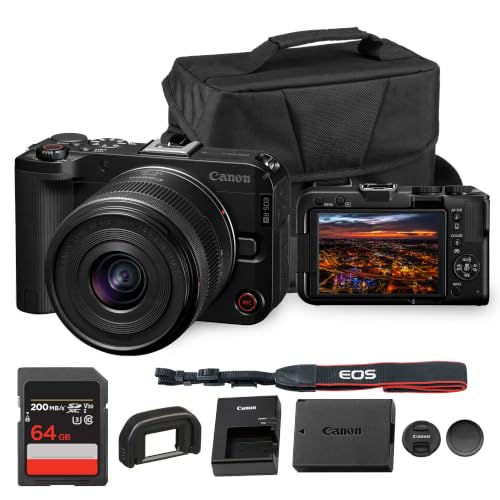
| Mirrorless | Growing channels and mixed photo and video work | Large sensors, lens choice, strong face tracking | Bigger kit and higher total cost | about $700 to $2,500 |
| Action camera | Movement, travel, water, and mounting in odd places | Tiny, rugged, very wide view, strong stabilization | Tiny screen and a fixed wide lens | about $250 to $450 |
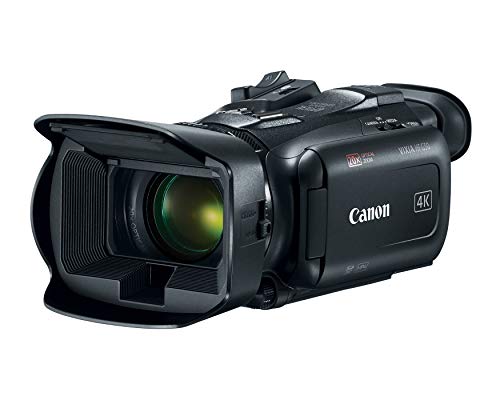
| Camcorder | Long events, talks, and interviews | Long zoom, long recording times, built for video only | Weak stills and few creative lens options | about $300 to $1,000 |
Point and Shoot Compacts
A modern compact built for creators packs a 1 inch sensor, a fixed zoom lens, and a screen that flips forward so you can frame yourself. It starts fast, focuses on faces reliably, and fits in a jacket pocket, which makes it the easiest upgrade from a phone. The fixed lens is the main limit: you cannot swap to a wider or faster lens later, and the smaller sensor works harder in dim rooms than a mirrorless sensor does.
Compacts suit bloggers who film mostly in one or two places and want the camera to disappear into the routine. Check three things before buying: a microphone input, because many cheaper compacts leave it out; a fully flipping screen rather than one that only tilts; and a lens that stays reasonably bright at the wide end, around f/2.8, so indoor shots stay clean. If those three boxes are ticked, a compact covers most talking head and product filming without any extra lenses to manage.
Mirrorless Cameras
Mirrorless cameras use larger sensors, either APS C or full frame, and let you change lenses. That combination gives the cleanest low light footage of any family here and the soft background blur that makes a small room look polished. Face and eye tracking autofocus on current models is excellent, and it follows you as you move around the frame. For readers who also shoot stills seriously, our guide to the best digital cameras explains how the same bodies handle photo work.
The costs are real, though. The body price is only the start, because a good blogging lens adds several hundred dollars, and the whole kit is heavier to carry and slower to set up. Recording limits also matter: many mirrorless bodies stop a single clip at about 30 minutes, and some shut down early in warm rooms. Bloggers who film long sessions in one take should confirm the recording limit and heat behavior of any body on their shortlist before buying.
Action Cameras
Action cameras trade screen size and lens choice for size, toughness, and stabilization. They are waterproof without a case, shrug off drops, and mount on helmets, handlebars, dashboards, and chest straps. Their electronic stabilization smooths walking footage so well that many travel bloggers use one as a second camera even when a bigger camera does the main work. The very wide fixed lens keeps everything in view, which suits movement but distorts faces filmed up close.
As a main blogging camera, an action camera works best outdoors or on the move. Indoors, the small sensor and wide lens make rooms look stretched and dim corners look noisy. Audio from the built in microphones is thin, so most creators add an external microphone or record sound separately.
Our roundup of the best action video cameras covers the mounting and durability details that matter when the camera leaves the desk. Treat this family as a specialist tool first and a general blogging camera second.
Camcorders
Camcorders are the quiet specialists of this group. They are built only for video, so they record for hours without the clip limits and heat shutdowns that affect many mirrorless bodies. Their long optical zooms, often 20x or more, cover stages, sports fields, and conference rooms from the back row, and their bodies balance well for handheld filming over long stretches. Built in neutral density filters and proper audio controls appear even on mid priced models.
The trade off is flexibility. Stills from a camcorder are an afterthought, the sensors are small, so low light footage gets noisy sooner, and the creative shallow focus look of a large sensor is mostly out of reach. Bloggers who film events, services, classes, or long interviews will find a camcorder the least fussy tool here. Bloggers chasing a cinematic look or strong stills should look at the mirrorless family instead and accept its recording limits.
Mirrorless vs Compact: Which Should You Choose?
Most buyers narrow the field to these two families, so it helps to compare them on the points that actually change daily filming. Image quality in dim rooms favors mirrorless, because the larger sensor gathers more light and keeps faces clean at higher sensitivity settings. A compact fights back with speed: it is ready in seconds, needs no lens decisions, and its deep focus keeps you sharp even when you lean in and out of frame.
Growth room favors mirrorless as well. A compact is a finished tool, while a mirrorless body can take a wider lens for small rooms, a faster lens for evening filming, or a longer lens for events as your channel changes. Cost of ownership runs the other way.
The compact price is the whole price, apart from a microphone and a small tripod. A mirrorless setup usually lands at about one and a half to two times its body price once a suitable lens, spare battery, and cards are added.
Setup speed and failure points matter more than most spec sheets admit. A compact has one battery, one lens, and almost nothing to misconfigure before a shoot. A mirrorless kit asks you to manage lens caps, sensor dust, and more settings, and each added piece is one more thing to forget on a travel day. Bloggers who film daily and value a fast routine often stay with a compact for years, and our guide to the best blogging cameras looks at that desk based style of filming in more depth.
The honest deciding question is where you film. If nearly all your footage happens in one room under lights you control, a good compact already covers you, and the mirrorless premium buys little. If you film across many locations, in mixed light, with subjects at different distances, the mirrorless family earns its cost. Neither answer is wrong; buying the family that matches your locations is what keeps the camera in daily use instead of in a drawer.
One more point separates them in daily life: focus behavior while you present objects. Bloggers often hold a product close to the lens, then step back and keep talking. Compacts with strong product showcase modes shift focus to the object and back smoothly.
Mirrorless systems do this too, but only when the lens and focus settings are chosen well, and a slow focusing lens can hunt visibly on camera. If your format involves showing items to the lens every few minutes, weigh that behavior as heavily as sensor size.
What Each Type Costs to Own
The purchase price is only the first bill. Compacts and camcorders need little beyond memory cards and a spare battery, so their first year cost stays close to the sticker price. Action cameras look cheap until the mount collection grows: chest straps, suction mounts, protective housings, and floating grips can add about $100 or more across a season of filming. None of it is wasted, but it belongs in the budget from the start.
Mirrorless ownership costs the most over time. Lenses hold their value well, yet each new filming need can end in another lens purchase, and sensor cleaning, larger bags, and bigger storage cards follow the bigger files. None of this makes mirrorless a poor choice; it makes it a system you commit to.
Bloggers who know they will film for years often accept that path gladly. Bloggers testing whether they enjoy filming at all should keep the first year simple and cheap, prove the habit, and upgrade once the routine is real.
How to Choose the Right Camera
Type comes first, then the details. The factors below apply across all four families, and they matter more than brand or headline resolution. Readers comparing general video features beyond blogging can also see our overview of the best cameras for video for the wider picture.
Lens and Zoom Range
For blogging, the wide end of the lens matters more than the zoom reach. A lens that starts around 24 mm in full frame terms fits your face and some background in a small room without pushing the camera far away. Zooming in is useful for product shots and for filming across a room, but digital zoom just crops the picture and throws away detail, so judge a camera by its optical range only. Aperture matters as much as focal length: a lens rated f/1.8 to f/2.8 at the wide end lets in far more light than an f/4 lens, which keeps indoor footage cleaner and gives a softer background.
Sensor Size and Image Quality
Sensor size drives low light quality more than megapixel counts. Phone sized sensors struggle indoors; 1 inch sensors are the practical floor for clean blogging footage; APS C and full frame sensors go further, especially after dark. More megapixels do not mean better video, because video frames use only part of the sensor resolution anyway. What you feel in practice is noise: a larger sensor keeps skin tones smooth and shadow detail intact at the sensitivity settings indoor filming demands.
If you mostly film under good lights, sensor size matters less and handling matters more.
Size, Weight, and Handling
A camera you carry gets used; a camera that feels like a chore stays home. Compacts and action cameras disappear into a bag, while a mirrorless body with a fast lens can pass 2 pounds and demand a real camera bag. Handling details add up over a filming day: a grip that suits one handed holding, controls you can reach while the screen faces you, and a tripod socket that does not block the battery door. Test weight with the lens and microphone fitted, because the accessory load is what your arm actually holds during a walking segment.
Features That Matter for Video Blogging
Four features decide most blogging purchases. First, a screen that flips fully forward, so you can check framing and focus while you talk. Second, a microphone input: built in microphones hear the room as much as your voice, and an external microphone is the single biggest quality jump most channels ever make. Third, face tracking autofocus that holds focus on your eyes when you move, hold up products, or step back.
Fourth, honest recording stamina. Makers quote record times under ideal conditions, and many cameras warm up and stop mid take in hot rooms; a model with a proven long record time or active cooling protects long sessions. Stabilization helps walking shots, but electronic stabilization crops the frame, so optical or sensor shift stabilization keeps more of your wide view.
Tips to Get the Most From Your Camera
- Clean the lens with a cloth, not your shirt. Shirt fabric drags grit across the coating and leaves smears that soften every frame until you notice them in editing.
- Carry a spare battery and a fast card. Video drains batteries far faster than stills, and a slow card can stop a 4K recording without warning.
- Store the camera in a dry, padded bag. Padding guards the screen hinge and lens, and dry storage keeps fungus off the glass in humid climates.
- Set white balance manually indoors. Auto settings drift between clips under mixed bulbs, and matched color makes a multi clip video look like one take.
- Record a test minute before real sessions. A short test catches a dead microphone battery, a full card, or a misplaced camera before the real take does.
None of these habits costs much, and together they prevent the failures that actually ruin filming days. Shoppers working with a tight budget will find more cost cutting angles in our guide to the best inexpensive video cameras, where the accessory advice matters as much as the camera choice.
Cameras: Your Questions Answered
What features matter most in cameras for video blogging?
A forward flipping screen, a microphone input, and face tracking autofocus matter most, in that order. Resolution ranks below all three, because viewers forgive 1080p long before they forgive muffled sound or a wandering focus point. When you compare the best video cameras for video blogging, also weigh recording limits, since a camera that stops at 30 minutes shapes how you plan long sessions, interviews, and live style recordings.
Is a smartphone enough instead?
A current smartphone is enough to start, and its video quality in good light is genuinely strong. The limits show up in audio, storage, and control: phone microphones pick up room echo, long 4K sessions fill the phone fast, and calls or notifications can interrupt filming. A dedicated camera also keeps your phone free during shoots. Many creators start on a phone, learn what frustrates them, and then buy the camera type that fixes exactly those frustrations.
How much should I spend on my first one?
Most first time buyers land between about $400 and $900 for the camera, then add about $100 to $200 for a microphone, a small tripod, and cards. Shoppers comparing the best cameras for video blogging at the top of that range gain larger sensors and better autofocus, while the lower end still covers a well lit desk setup. Reserve part of the budget for sound from day one, because a modest camera with a good microphone outperforms a costly camera using its built in microphones.
Which is better for low light?
Mirrorless cameras with APS C or full frame sensors are better for low light, followed by 1 inch sensor compacts. Small sensor action cameras and camcorders trail because their sensors gather less light per frame. The cheaper fix is often light rather than glass: a single soft light source near your filming spot can lift a compact camera past a larger sensor camera sitting in a dim room. Buy the light first, then decide whether the camera still holds you back.
How long do batteries last when recording video?
Most blogging cameras record for about 60 to 90 minutes on one battery, and makers measure that figure with the screen at moderate brightness and stabilization in a standard mode. Cold weather, a bright screen, and continuous autofocus all shorten the real figure. Filming plugged into USB power works on many models and removes the limit at a desk, but outdoors you should plan on two batteries per filming day and rotate them so one is always charged.
The Bottom Line
Start with the type, not the brand. Compacts reward simplicity, mirrorless cameras reward ambition and mixed photo work, action cameras reward movement, and camcorders reward long uninterrupted recording. Within your type, judge the screen, the microphone input, and the recording stamina before you compare resolution numbers, and set money aside for sound. The product table above lines the current options up by type so you can match a family to your filming spots in minutes.
The best cameras for video blogging for you are the ones that remove friction from your next filming day: quick to set up, easy to monitor, and kind to your voice. Pick the family that fits where and how you film, confirm the four key features, and your choice will keep paying off long after the spec debates are forgotten.