Best Cameras for Photographing Jewelry in 2026: Which Type Is Right for You?
Disclosure: We may earn a commission when you buy through links on this page, at no extra cost to you. As an Amazon Associate I earn from qualifying purchases. Learn more

Compare camera types for jewelry photos by close focus, color accuracy, light control and budget, so you can pick the setup that fits your listings.
Small, shiny subjects punish sloppy camera choices, so shopping for best cameras for photographing jewelry can feel confusing when every listing promises sharp detail. The comparison table below lays out the main types side by side, and this guide explains what each type does well, where it falls short, and which one suits the way you shoot.
Jewelry photos live or die on close focus, honest color, and controlled reflections. A camera that excels at landscapes may still struggle with a ring the size of a coin, so judge every option on how it handles tiny subjects at short distances, not on headline specs alone. For a wider starting point, see our guide to best digital cameras.







Types of Cameras Compared
Use the table in this section as a quick filter, then read the type notes that follow. No single type wins for every seller, because a hobby maker photographing one necklace a week has different needs from a shop listing dozens of pieces a day.
| Type | Best For | Pros | Cons | Typical Price |
|---|---|---|---|---|
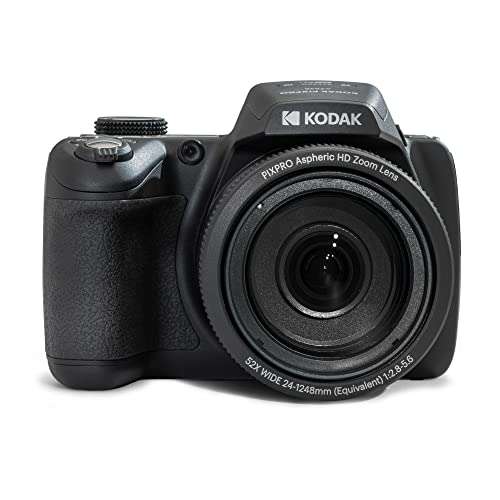
| Premium compact cameras | Small shops and simple setups | Light, macro mode, easy to carry | Fixed lens, small sensor | around $400 |
| Action cameras | Hands free bench video | Tough, wide view, simple controls | Weak close focus and color control | around $300 |
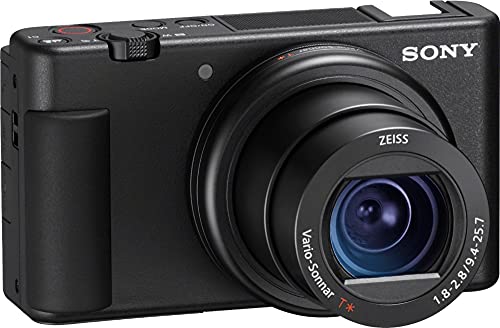
| Vlogging cameras | Talking head and process clips | Flip screen, good audio options, easy video | Close focus varies a lot by model | around $500 |
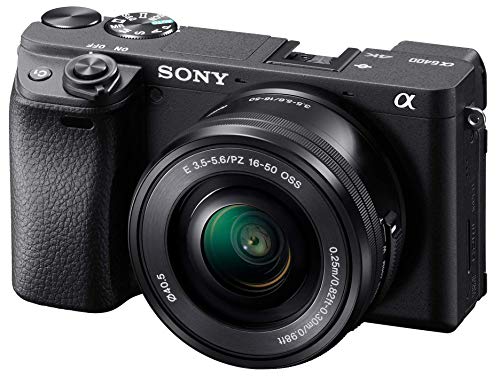
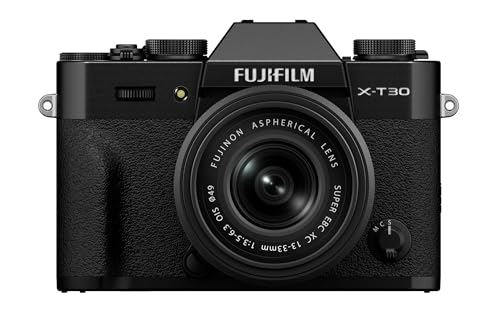
| Interchangeable lens cameras | Serious product listings | Best close focus, color and lens choice | Costs more, needs learning | around $800 |
Premium Compact Cameras
A premium compact packs a fixed lens, a larger than average sensor and a macro mode into a body you can carry to a market or craft fair. Many focus within a few inches in macro mode, which fills the frame with a ring or an earring without extra gear. Setup is simple, so a seller photographing a handful of pieces a week can get clean listing photos quickly.
The trade offs are a fixed lens and limited control over background blur. Check the macro focus distance and manual white balance before you buy, because both vary widely between models. If your catalog grows or your pieces get smaller, an interchangeable lens body will give you more room.
Action Cameras
Action cameras record rugged, wide angle video with very simple controls, which suits hands free clips of a bench, a polishing step, or a market stall. Their small sensors and fixed wide lenses keep most of a scene in focus, but that same design hurts close up jewelry work, where you need tight framing and precise control over glare on metal and stone.
Choose an action camera only if video of your process matters more than still listing photos. For product images, pair it with a proper still camera rather than forcing one tool to do both jobs badly. Check battery life and heat during long sessions, since small bodies can warm up and stop recording.
Vlogging Cameras
Vlogging cameras suit sellers who talk to the camera, film unboxings, or show how a piece catches the light in motion. A flip screen lets you frame yourself, a mic input improves spoken audio, and reliable face tracking keeps you sharp while you move. Those strengths matter when video drives your sales channel.
For still jewelry photos, check close focus distance and manual controls before you buy, because vlogging models vary widely there. A camera that films beautifully at arm's length may still blur a bracelet shot from 12 inches away. If stills are your priority, favor a model with a dedicated macro mode or a lens mount that accepts a close focusing lens.
Premium Compacts vs Interchangeable Lens Cameras: Which Should You Choose?
For listing stills, these two types do the real work. A premium compact wins on simplicity: it is light, affordable and ready to shoot with a built in macro mode. An interchangeable lens camera wins on quality: with a dedicated macro lens it focuses closer, renders metal and stones with more tonal range, and lets you control reflections more precisely.
Choose the compact for occasional listings and a small budget. Choose the interchangeable lens camera when photos drive your sales, when pieces are tiny, or when you shoot dozens of items a day. Action and vlogging cameras are better treated as video tools that sit beside one of these two.
How to Choose the Right Camera
Size, Weight, and Ergonomics
A camera you dread carrying will not get used, so weight and grip matter even for studio work. Compact bodies travel well to markets and fairs, while larger bodies balance better with heavier lenses and offer more direct controls. Hold the camera if you can, and check that buttons fall under your fingers without hunting through menus mid shoot.
Autofocus and Stabilization
Eye tracking and face tracking help with people, but jewelry needs precise focus on a tiny point, so look for a small focus area you can move exactly where you want it. In body stabilization steadies handheld shots, yet a tripod beats it for product work, since it locks framing and lets you use slower shutter speeds without blur.
Sensor Size and Image Quality
Larger sensors generally gather more light and show smoother tone, which helps with subtle metal gradients and dark stones. A 1 inch sensor suits compact bodies, while larger APS C and full frame sensors give more control over background blur and low light performance. Megapixel count alone tells you little, since lens quality, lighting, and focus accuracy shape the final image far more. For general stills advice, see our guide to best cameras for photography.
Features That Matter for Photographing Jewelry
Jewelry work demands close focus, accurate white balance, and control over reflections. For close up subjects beyond jewelry, see our guide to best cameras for photographing art. Look for a minimum focus distance under about 12 inches, manual white balance with a custom setting, and exposure controls that let you darken a bright metal highlight without losing stone detail. A tilting screen helps when the camera sits low over a light tent, and a remote shutter or timer prevents shake at the moment of capture.
Setup and Care Tips
Clean the lens with a lens cloth, not your shirt, since fabric can drag grit across the glass. Carry a spare battery, because long sessions and cold rooms drain power faster than expected, and store the camera in a dry, padded bag away from dust and polishing compounds. Wipe the body after bench work, keep memory cards in a case, and check that your tripod head locks firmly before you walk away from a setup. If you are new to interchangeable lens bodies, our guide to best starter cameras explains the basics.
Frequently Asked Questions
What features matter most in cameras for photographing jewelry?
Close focus, accurate color, and reflection control matter most, because jewelry is small, shiny, and judged on fine detail. A camera that focuses within about 12 inches, lets you set custom white balance, and offers manual exposure will serve you better than a high megapixel count alone. Add a tripod, a light tent or diffused lamps, and a remote shutter, and even a modest camera can produce clean, trustworthy listing images.
What does minimum focus distance mean for jewelry photos?
Minimum focus distance is the closest the lens can be to a subject and still focus sharply. For rings, earrings and small charms, a shorter distance lets you fill the frame without cropping away resolution. Look for a macro mode or a macro lens that focuses within about 12 inches or closer, and judge cameras by that figure along with sensor size and manual white balance.
How much should I spend on my first one?
Most first time jewelry sellers do well at about $300 to $700 for a camera body plus a basic lens, with lighting and a tripod adding to the total. Below that range, close focus and manual control often disappoint, while above it you pay for speed and low light ability you may not need. Spend the difference on a light tent and a sturdy tripod first, since those improve every photo regardless of camera price.
Is a smartphone enough instead?
A recent phone can work for casual listings, especially with good lighting and a tripod, because its software handles exposure and color well. Phones struggle with true close focus, consistent color across many pieces, and fine control over reflections on polished metal. If your shop depends on photos, a dedicated camera with manual controls and a close focusing lens will repay the upgrade quickly.
Which is better for low light?
A larger sensor camera with a bright lens handles low light better, since it gathers more light and keeps noise down at higher sensitivities. That said, jewelry photos should rarely rely on low light at all, because dim rooms create color shifts and harsh reflections. A pair of diffused lamps or a light tent gives cleaner results than any low light camera trick, and it costs far less than a sensor upgrade.
What specs matter most for beginners?
Beginners should weigh minimum focus distance, manual exposure and white balance, and a tilting screen above megapixels or burst speed. Those three controls decide whether a ring looks sharp, true to color, and well framed. Add a tripod mount, a remote shutter option, and a lens system you can grow into, and you will avoid replacing the whole setup as your skills improve.
The Bottom Line
Start from your main job: inspection, process video, or listing stills, then match the camera type to that job. For most sellers, a still camera with close focus, custom white balance, and manual exposure, paired with a tripod and diffused light, beats any single spec upgrade. Review the product table above, weigh the best cameras for photographing jewelry against your budget and workflow, and choose the setup you will actually use every listing day.