Best Cameras for Plane Spotting in 2026: A Guide
Disclosure: We may earn a commission when you buy through links on this page, at no extra cost to you. As an Amazon Associate I earn from qualifying purchases. Learn more
Learn how to choose a camera for plane spotting by reach, focus speed, handling, and light, with practical guidance for fence line, travel, and sharing use.
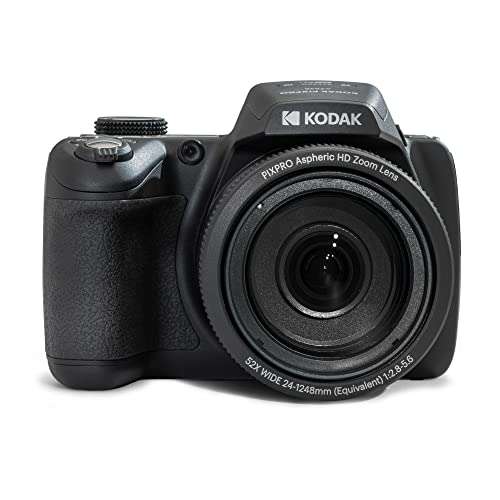
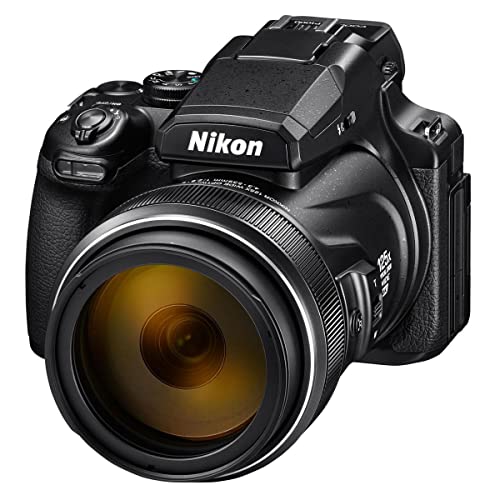
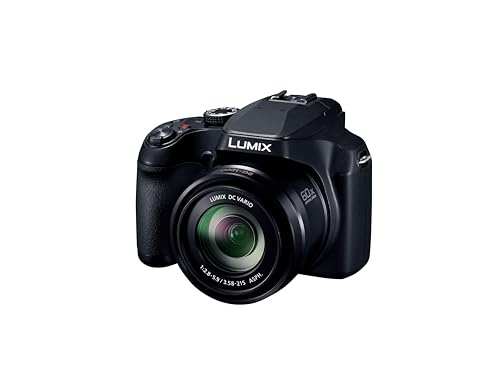
There is no single camera that suits every spotter, so the smart starting point is your own routine. Best cameras for plane spotting come in many shapes, and the right one depends on how far you stand from the runway, how fast the aircraft move, and whether you shoot stills, video, or both. The comparison table below can help you weigh the main types side by side once you know what matters most to you.
This guide explains reach, focus, handling, and light in plain language, and it points out the mistakes that cost spotters sharp shots. Use it to match a camera type to your usual viewing spot, your bag, and your budget, rather than chasing the largest zoom number on the box.




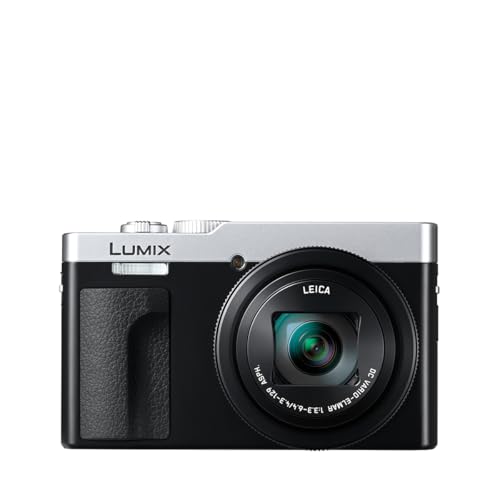
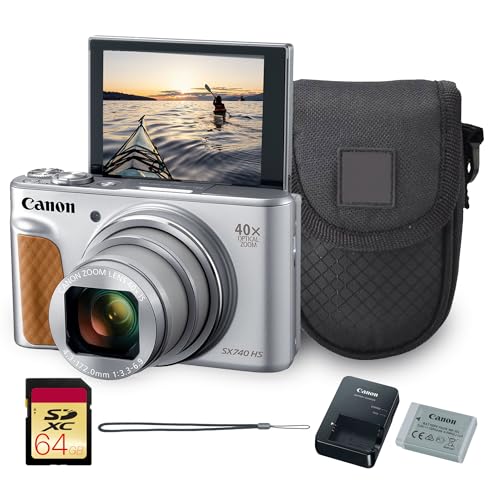

Who Should Buy Which Camera?
Plane spotting covers very different days out, from a quiet hour at a fence to a full trip built around airports. Your viewing distance and your patience for carrying gear matter more than any single specification. The groups below describe common routines, so you can see which trade offs fit you best.
For Fence Line Spotters
Fence line spotters usually stand in one place and watch aircraft on approach, departure, or taxi. Reach matters most here, because a distant jet can fill only a small part of the frame without a long lens. A camera with fast, reliable focus helps too, since an aircraft crossing the sky gives you only a short window for a clean shot.
Weather sealing is worth weighing if you wait outside in wind, drizzle, or dust, and a comfortable grip matters when you hold the camera up for long stretches. A sturdy strap and a spare battery also make a long session easier.
For Traveling Spotters
Traveling spotters move between airports, viewpoints, and cities, so size and weight shape every choice. A compact body, as covered in our guide to best digital cameras, with a versatile zoom can cover arrivals, terminal details, and street scenes without filling a large bag. Battery life matters on days when charging points are scarce, and simple controls help when you need to react quickly in a new place.
A camera that starts fast and focuses fast is more useful than one with extra features you never open. Think about how the kit fits in your day bag, and whether you will actually carry it for hours.
For Creators Who Share Their Work
Creators who share photos and video need a camera that handles both jobs well. A flip screen helps when you record yourself or film from an awkward angle, and a microphone input improves spoken commentary over wind and airport noise. Smooth video stabilization matters for handheld clips of moving aircraft, and clean files make editing easier later.
You should also check how the camera handles color and detail in mixed light, since airport scenes often mix bright sky, shade, and glass. A simple workflow from card to edit will save more time than a rarely used extra mode.
Key Features to Compare
Spec sheets can hide what really affects a spotting session. The features below explain what each choice changes in practice, so you can judge a camera by how it will behave at the fence, not by how impressive its box sounds.
Video Capabilities
Video matters even if stills are your main goal, because many spotters now record departures, landings, and engine sound as well. Look for smooth frame rates that keep fast motion natural, and check whether the camera can record for long enough without stopping. A microphone input is useful if you add commentary, while a flip screen helps you frame video from low or high angles.
Stabilization also matters, since handheld video of a moving jet can shake badly without it. Test how easy it is to switch between stills and video, because a missed moment often comes from fumbling with menus.
Lens and Zoom Range
Zoom range decides how large an aircraft looks in your frame, and it is the first feature most spotters should compare. A longer reach helps at large airports and open viewpoints, while a shorter, wider range suits close taxiways and terminal interiors. Optical zoom keeps detail as you magnify, so judge reach by the lens itself rather than by digital enlargement.
Aperture matters too, because a wider opening gathers more light and can help in dull weather. Think in terms of your usual distance, and choose a range that covers that distance without forcing you to crop every shot heavily.
Durability and Weather Sealing
Spotting often means waiting outside, so build quality deserves real attention. Weather sealing helps keep dust and light rain away from sensitive parts, but no camera should be treated as fully waterproof unless its maker says so clearly. A solid grip, a well placed strap lug, and a lens hood that stays put all make field use easier.
Fogging can also spoil a session when you move between warm and cool air, so allow the camera to adjust gradually and keep a lens cloth handy. A padded bag protects the kit during travel and keeps dust out between outings.
Sensor Size and Image Quality
Sensor size affects detail, noise, and how the camera behaves in poor light. Larger sensors often handle dull skies and evening light with less grain, while smaller sensors can still give pleasing results in bright daylight. Megapixel count alone does not decide quality, because lens sharpness, focus accuracy, and processing all shape the final image.
For spotting, pay attention to how detail holds up when you crop, since distant aircraft often need trimming. A sensor that stays clean looking at higher sensitivity settings gives you more freedom on overcast days and at dusk.
Features That Matter for Plane Spotting
Plane spotting asks for a particular mix of speed, reach, and tracking. Fast autofocus that can follow a moving subject helps keep a jet sharp as it crosses the frame, and a responsive burst mode raises your chance of catching the best wing position. A clear viewfinder helps in bright sunlight, when a rear screen can be hard to read, and our guide to best cameras for photography explains viewfinder choices in more detail.
Battery stamina matters on long sessions, and a card that writes quickly prevents delays between bursts. Finally, check how the camera balances with a long lens, because a front heavy kit tires your arms and makes panning less smooth.
Common Mistakes to Avoid When Buying Cameras
- Judging by price alone: a costly camera with the wrong reach or slow focus can disappoint at the fence, while a well matched midrange kit can serve you better.
- Ignoring video needs: if you plan to film departures, check frame rates, stabilization, and microphone support before you buy, not after your first trip.
- Choosing a kit that is too large or too small: an oversized setup may stay home, while a tiny setup may lack the reach your usual viewpoint demands.
- Skipping warranty and support checks: read the coverage terms and know where service is handled, so a fault does not end your spotting season.
- Forgetting the extras: batteries, cards, a strap, and a lens cloth affect daily use, so budget for them alongside the camera itself.
Setup and Care Tips
Good habits protect both your images and your gear. Use a lens cloth, not your shirt, to clean glass, since fabric can drag grit across the surface. Carry a spare battery on long days, and keep cards in a small case so they do not rattle loose in a pocket.
Store the camera in a dry, padded bag between outings, and let it adjust slowly when moving between warm and cool air to reduce fogging. Check focus settings before a busy arrival bank, and format cards in the camera rather than on a computer when the maker advises it.
Cameras: Your Questions Answered
What features matter most in cameras for plane spotting?
Reach, focus speed, and handling matter most for plane spotting, because aircraft move fast and often sit far away. A long optical zoom brings distant jets closer, while quick autofocus keeps them sharp as they cross the sky. A clear viewfinder helps in bright light, and a comfortable grip supports steady panning. Battery life and card speed also matter on long sessions.
What specs matter most for beginners?
Beginners should focus on simple controls, reliable autofocus, and a versatile zoom range rather than advanced menus, and our guide to best starter cameras covers first kits in more detail. A camera that starts quickly and focuses confidently will teach good habits faster than a complex body that slows you down. Look for clear auto modes, a helpful screen, and a lens that covers both near and distant subjects. Battery stamina and a light body also help, since new spotters often shoot for hours.
Which is better for low light?
A larger sensor and a wider aperture lens usually handle low light better, because they gather more light with less grain. Good stabilization also helps, since it lets you use slower shutter speeds for static subjects like parked aircraft. For moving jets at dusk, focus speed matters as much as brightness, because a blurred subject cannot be saved by a clean file. Check sample results at higher sensitivity settings before deciding.
How much should I spend on my first one?
First time spotters can start with about $400 to $900 for a capable camera and lens combination, depending on reach and video needs. Lower spending often means a shorter zoom or fewer controls, while higher spending usually buys better focus, sealing, or low light behavior. Set aside part of the budget for a spare battery, a card, and a strap, since those items affect every outing. Buy for your usual viewpoint first, and upgrade reach later if your spotting spots change.
How much zoom do I need for plane spotting?
The zoom you need depends on how far the aircraft are from your spot. At a fence close to the runway, a moderate telephoto reach is enough, while a public viewpoint far from the runway calls for a very long optical zoom. Optical zoom keeps detail as you magnify, but long reach also makes shake more visible, so look for strong stabilization and a fast shutter speed. Many spotters pair a camera with binoculars for spotting traffic first, as explained in our guide to best binoculars for plane spotting.
Is a smartphone enough instead?
A smartphone can work well for close aircraft, terminal details, and quick clips to share, and it is always in your pocket. Its limits appear at distance, where digital zoom softens detail and fast aircraft can blur. A dedicated camera with optical reach and faster focus gives cleaner results for distant jets and low light scenes. Many spotters use both, with the phone for context shots and the camera for the main action.
Wrapping Up
The best choice balances reach, focus speed, and comfort for the places you actually visit. A long zoom helps at open viewpoints, fast tracking helps with moving jets, and a kit you enjoy carrying will see far more use than a heavier one left at home. Compare the product table above against your usual distance, your video plans, and your budget before deciding. With those three points settled, best cameras for plane spotting becomes a practical shortlist rather than a confusing shelf of similar boxes.