Best Cameras for Portrait Photographers in 2026: Everything to Know Before Your First Purchase
Disclosure: We may earn a commission when you buy through links on this page, at no extra cost to you. As an Amazon Associate I earn from qualifying purchases. Learn more

Shopping for the best cameras for portrait photographers for the first time? Learn the terms, compare sensor and lens choices, and avoid rookie mistakes.
Buying your first portrait camera feels confusing because every model promises sharp eyes, soft backgrounds and rich skin tones. The best cameras for portrait photographers are not simply the models with the most megapixels. They focus on faces reliably, pair with good portrait lenses and suit how you shoot. This guide starts with the basics, so you can use the comparison table below with confidence.
Think first about your usual setting. A parent photographing children at home needs different handling than a studio shooter working with lights. The sections below match sensor, autofocus, lenses and price to that setting.







Cameras 101: The Basics for Portrait Work
A camera records light through a lens onto a sensor, then turns that light into an image file. For portraits, the lens shapes the view of the face, the sensor controls detail and low light quality, and the processor sets color. Aperture, shutter speed and ISO together set exposure, and each one also changes how the portrait looks.
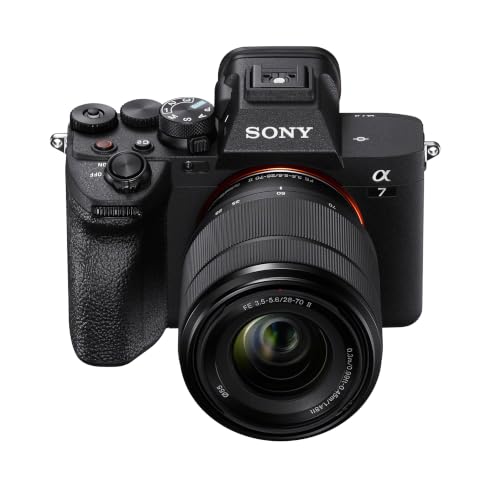
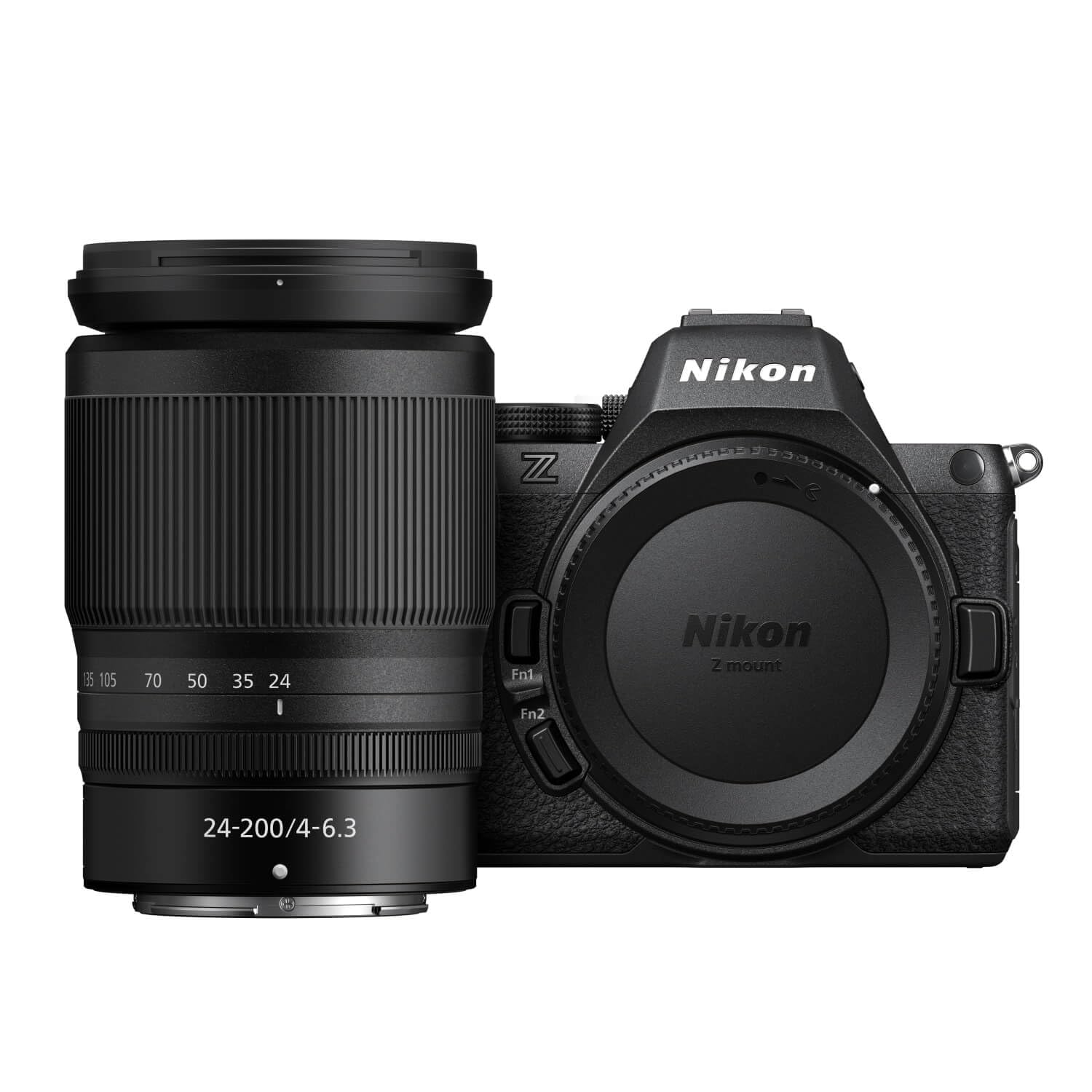
Mirrorless cameras use electronic viewfinders that show exposure before you shoot, and they lead on face detection. DSLR cameras use optical viewfinders and often cost less used, but new lens support is shrinking. For a broader view of body styles, see our guide to the best digital cameras.
Who Should Buy Which Camera for Portraits?
Your setting decides more than your budget does. Pick the group that matches your most common shoot.
Studio Portrait Photographers Who Control the Light
You shoot in one space with lights you place yourself, so you can keep ISO low and work at a steady pace. Prioritize clean files at base ISO, a tilting screen and easy tethered shooting to a computer. Fast burst rates matter little here, and a larger body that balances well on a tripod is a plus.
Outdoor Portrait Photographers Who Use Natural Light
You work in parks, streets and open shade, where light changes fast. Prioritize strong dynamic range for bright skies behind shaded faces, weather sealing for light rain and dust, and image stabilization for hand held shots at slower shutter speeds. A lighter body helps on walks between locations.
New Portrait Photographers Who Shoot Family and Friends
You need a camera that helps you learn without getting in the way. Prioritize simple menus, reliable face detection and a kit zoom that lets you try several framings before you buy a prime lens. Choose a lens mount with many used options. For starter level context, see our guide to the best cameras for starting photographers.
Reading Camera Specs as Portrait Decisions
Read each spec as a portrait decision, not as a number contest.
Features That Matter for Portrait Photographers
Portrait work rewards accurate focus on the nearest eye, pleasing skin tones and smooth separation between subject and background. Those results come from autofocus quality, sensor size and lens aperture working together, not from one headline spec. A modest body with a fast prime lens often beats a costly body stuck with a slow kit zoom. Spend first on the lens mount you can grow with.
Sensor Size and Image Quality for Portraits
Sensor size shapes depth of field and low light quality. Full frame sensors gather more light and blur backgrounds more easily at the same aperture, which suits solo portraits. APS C sensors cost less and make lenses lighter, and they still blur backgrounds well with a fast prime. One inch sensors sit in fixed lens compacts and limit lens choice. About 24 megapixels already covers large prints for most buyers.
Autofocus and Eye Detection for Sharp Faces
Autofocus decides how many frames keep the eye sharp. Modern eye detection finds a face, locks onto an eye and follows it as the subject moves, which helps with children and walking portraits. Check that the system works in dim light and covers a wide area of the frame, so you can place a face off center. A body that misses often will cost you moments no editing can restore.
Lens Choice and Focal Length for Portrait Framing
The lens, often called the objective lens in spec lists, shapes face proportions more than the body does. Around 50 mm on full frame gives a natural view, while about 85 mm flatters faces and adds working distance. On APS C, about 35 mm and 56 mm play similar roles. A wide aperture such as f/1.8 blurs backgrounds and helps indoors. Optical zoom lenses offer framing choice, but prime lenses give wider apertures for the money.
Battery Life and Charging for Portrait Sessions
Battery ratings count shots per charge, and sessions with heavy screen use drain a battery faster than the rating suggests. Carry a spare for any shoot away from home, and note whether the body charges over USB C, which lets you top up from a power bank between locations. Cold weather shortens battery life, so keep the spare in an inside pocket in winter.
Size, Weight and Ergonomics for Long Portrait Shoots
You hold a portrait camera at eye level for minutes at a time, often while directing your subject. A grip that fills your hand, controls you can reach without looking and a tilting screen all reduce strain. Very small bodies can feel cramped with a long portrait lens attached. Hold the body with a lens fitted before you buy, and check the balance with one hand.
Getting Started: Setup and First Use for Portraits
Charge the battery fully, set the date and format the memory card in the camera before your first shoot. Turn on eye detection and set the file type to RAW plus JPEG if you plan to learn editing. Fit a lens hood to cut flare and protect the front glass.
Take your first portraits in open shade, where light is soft and even on skin. Stand your subject a few steps from the background to gain separation. Clean the lens with a lens cloth, not your shirt, since shirt fabric can drag grit across the coating. Review shots at full size that evening to judge focus honestly.
Common Mistakes to Avoid
- Buying on megapixels alone leaves you with a slow lens that cannot blur a background or handle dim rooms.
- Standing too close with a wide lens distorts the nose and forehead, so faces look stretched.
- Shooting in harsh midday sun without shade gives deep eye shadows and squinting subjects.
- Ignoring the lens budget leaves nothing for the portrait lens that shapes your results most.
- Trusting the rear screen at small size hides missed focus, so soft eyes go unnoticed.
Care and Maintenance for Portrait Cameras
Wipe the body with a dry cloth after outdoor shoots and use a blower to clear dust from the lens mount before you change lenses. Changing lenses with the camera facing down keeps falling dust off the sensor. Store the camera in a dry bag or cabinet, away from steam and car heat.
Check the sensor for spots by photographing a plain bright wall at a narrow aperture. Keep firmware updated through the maker site so autofocus improvements reach your body. A scratched sensor or a shutter fault needs a professional service visit, so stop and book a repair rather than cleaning harder.
For the wider category, see our guide to the best cameras for portrait, and our guide to the best cameras for portrait photos. Treat the best cameras for portrait photographers as a system choice of body, lens and light.
FAQ
What features matter most in a camera for a portrait photographer?
Eye detection autofocus, sensor size and lens aperture matter most in a camera for a portrait photographer. Together they decide sharpness on the eye, background blur and skin tone quality. One extra point is flash sync. If you plan to use studio strobes later, check that the body has a standard hot shoe and a sync speed that suits common studio lights.
How much should a new photographer spend on a first portrait camera?
A new photographer should plan about $600 to $1,200 for a first portrait camera body with a kit lens, then add about $150 to $350 for a fast prime lens. Spending past that range mainly buys faster burst rates and video features portraits rarely need. A recent used body from a reputable seller can move a larger sensor within reach.
Which camera type is better for portraits in low light?
A full frame mirrorless camera is better for portraits in low light, since its larger sensor holds detail and color at high ISO settings. The lens matters just as much, and a prime at f/1.8 gathers far more light than a kit zoom at f/4. Let stabilization help you keep shutter speeds modest for a still subject.
What camera specs matter most for portrait beginners?
Portrait beginners should weigh autofocus coverage, a tilting screen and lens choice above burst rate or 4K video specs. A screen that flips forward helps if you photograph yourself to practice posing and light. Simple external controls for aperture teach you faster than deep menus, since you adjust them on every shoot.
Is a smartphone enough instead of a dedicated portrait camera?
A smartphone is enough for casual portraits in good light, and its portrait mode blurs backgrounds in software. A dedicated camera pulls ahead when light drops, when you print large or when a subject moves, since optical blur and real eye focus stay consistent. Many photographers start with a phone, then buy a camera once they want lens control.
What lens should a portrait photographer buy first?
A portrait photographer should buy a fast prime lens first, at the focal length that matches their usual distance to the subject. Indoor shooters with little room prefer the shorter option, while outdoor shooters gain flattering compression from the longer one. Renting a lens for one weekend is a cheap way to confirm which distance feels natural.
Wrapping Up
Set sensor size by your light and budget, demand eye detection that holds focus on moving faces, and reserve real money for a fast portrait lens. Those three choices decide most of your results.
Use the product table above to check the finalists against your setting and lens plans. When you judge best cameras for portrait photographers by focus, light and lens fit, your first purchase can serve your portraits for years.