
Best Cameras for Portrait Photography: Every Type Explained Side by Side for 2026
Disclosure: We may earn a commission when you buy through links on this page, at no extra cost to you. As an Amazon Associate I earn from qualifying purchases. Learn more

Compare portrait camera types by lens, focus and light, with clear pros, cons and price bands to help you pick the right setup for faces and people photos.
Portrait buyers face a confusing wall of types. Mirrorless bodies, older reflex designs, small compacts, and film cameras all promise lovely pictures of people, yet they work in very different ways and suit very different hands. The best cameras for portrait photography for you depend less on a single winning type and more on how you like to work with a sitter, a lens, and available light.
This guide compares every main type side by side, in the order portrait work itself presents its questions. The lens comes first, then focus on the eye, then light, and only after those three do body features and price bands settle the choice. Use the comparison table below as your map while you work through the types.


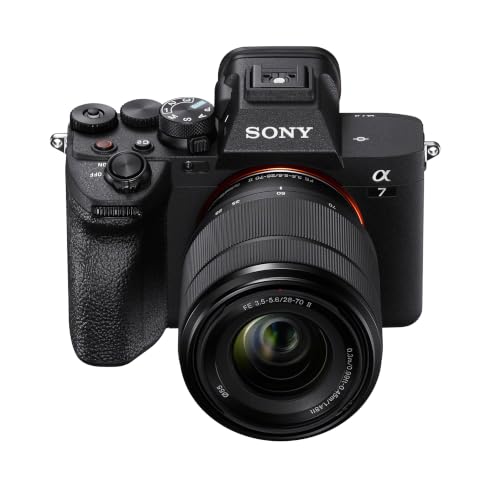


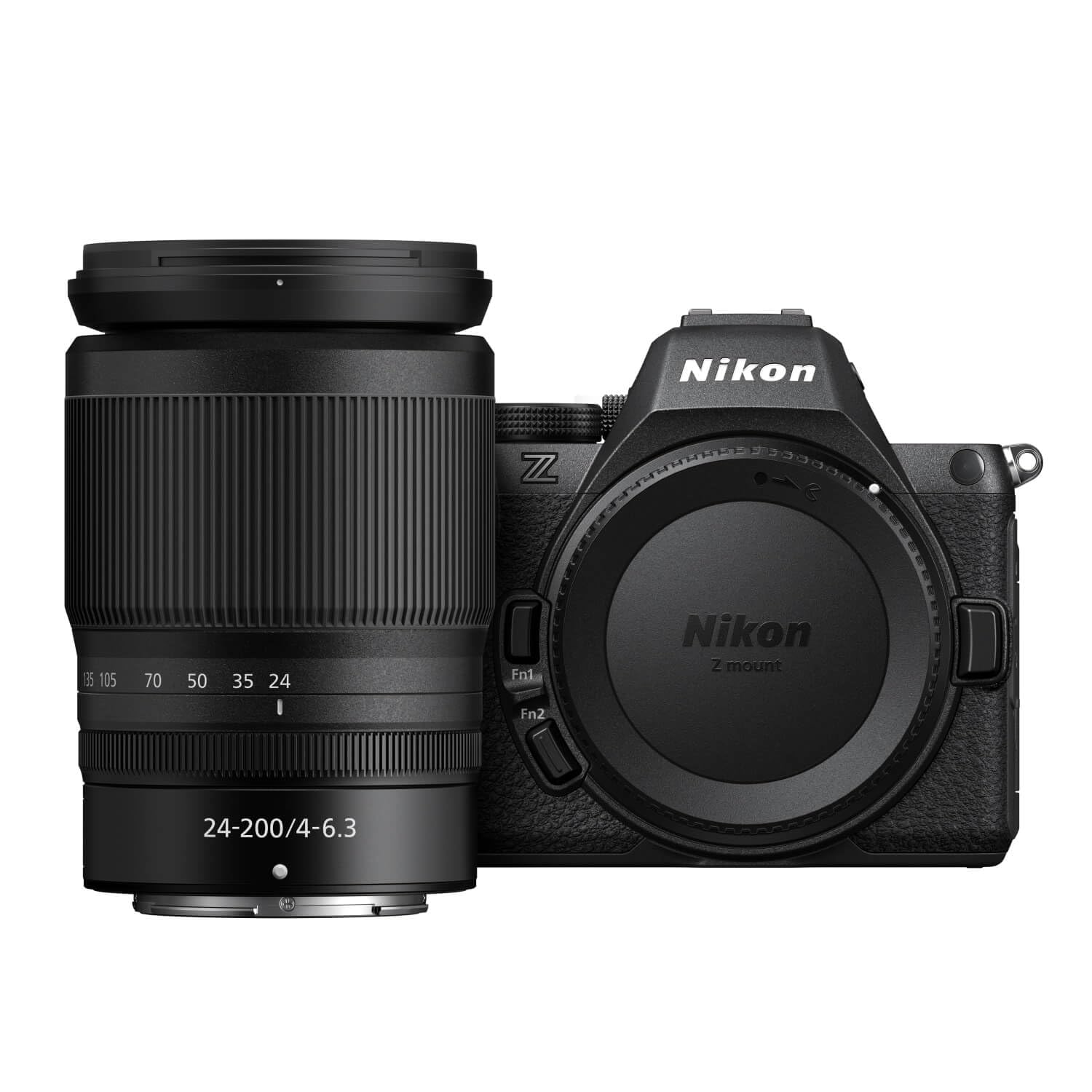
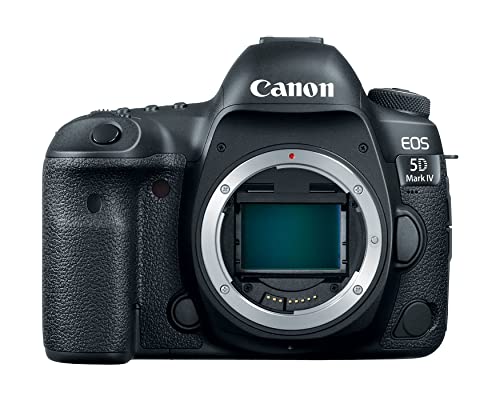
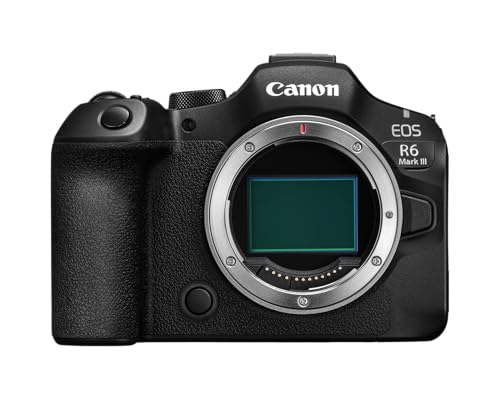
Types of Cameras Compared
The lens is half the portrait purchase. Focal length shapes the face: a wide lens used close exaggerates a nose and shrinks ears, a moderate telephoto lens keeps features in natural proportion, and a fast aperture softens a cluttered background behind your sitter. Plan the purchase as a system, because the body is the first cost and lenses are the running cost that follows for years, and a modest body with the right portrait lens will outshoot a flagship body stuck with a slow general zoom.
Focus on the eye decides a portrait. A portrait succeeds or fails at the nearer eye, and viewers sense soft eyes instantly even when they cannot name the fault. Focus behavior decides your keeper rate: eye detection that finds and holds an eye through small movements transforms a session, while older focus systems that hunt or settle on a nose or an ear cost you frames. When you compare types below, judge each one first by how reliably it places focus on an eye.
A portrait is mostly light. Window light and simple light modifiers outrank a body upgrade, because soft directional light shapes a face more than any sensor can. A large window, an inexpensive diffuser, or a simple reflector can lift a modest camera past an expensive one used under flat ceiling bulbs.
| Type | Best For | Pros | Cons | Typical Price |
|---|---|---|---|---|
| Mirrorless | Growing portrait shooters | Eye detection focus, compact bodies, bright lens choice | Battery life is modest, lens costs add up | about $700 to $2500 |
| DSLR | Value seekers with patience | Strong used value, long battery life, clear optical view | Bulky bodies, older focus systems, fading lens support | about $500 to $1800 |
| Point and Shoot Compact | Casual family portraits | Pocket size, simple controls, no lens decisions | Small sensor, weak background softness, fixed lens | about $200 to $700 |
| Film | Slow, deliberate sessions | Unhurried process, distinctive color, simple bodies | Film and scanning costs, no instant playback | about $150 to $900 |
Mirrorless Cameras
Mirrorless cameras show the scene live through an electronic viewfinder, so you see exposure and color before you press the shutter. For portraits that live view builds confidence with new sitters, and eye detection focus in current bodies holds an eye through gentle movement with very little effort from you. The lens ranges for these systems are now deep, with fast moderate telephoto options at several price levels.
Readers who want this type explored on its own can read our guide to the best mirrorless cameras for portrait photography after finishing the comparison here. Battery life is the honest weakness, so a spare battery belongs in the budget from day one.
DSLR Cameras
DSLR cameras use a mirror and an optical viewfinder, giving a direct view through the lens with no screen delay and battery life that can cover a long event day. Portrait focus through the viewfinder covers a narrower area than modern mirrorless systems, and live view focus on older bodies is slow, so sitters who move need patience. Their great strength in this era is value: capable bodies and classic portrait lenses sell for far less than they once did. Our guide to the best dslr cameras for portrait photography walks through that value case in detail for buyers who accept the size and the older focus behavior.
Point and Shoot Compacts
Point and shoot compacts keep the lens fixed and the decisions few, which suits family portraits at gatherings. Face detection in this class is usually reliable in good light, the flash is always present, and the camera travels in a pocket. The limits are real for considered portraits: a small sensor and a slow lens give little background softness, and indoor results soften quickly as light falls. Treat this class as the convenience choice rather than the growth choice, ideal for record pictures of people, and honest about its ceiling when you want a portrait to feel crafted.
Mirrorless Cameras vs DSLR Cameras: Which Should You Choose?
Compare the two types on the criteria that change a session. For focus, mirrorless eye detection holds a moving sitter with far less effort, while DSLR focus is accurate on still subjects but covers a smaller area of the frame. For view, the mirrorless live view shows your exposure as it will record, while the DSLR optical view stays bright and natural but shows nothing of exposure until you check the shot.
For size, a mirrorless body with a portrait lens usually weighs less across a long afternoon, while a DSLR grip suits larger hands and balances long lenses calmly. For running cost, DSLR gear often costs less, especially used, while mirrorless gear costs more but keeps growing. Choose mirrorless if your sitters move, you value eye focus help, and you plan to keep buying into a living system. Choose the DSLR route if your budget is tight, your subjects sit still, and long battery life matters more than focus assistance.
How to Choose the Right Camera
Type chosen, the details below settle the exact body and lens pairing. New buyers often ask where to begin, and our guide to the best beginner cameras for portrait photography answers that starting question directly, while readers who want the wider subject first can begin with our guide to the best cameras for photography and return here for the portrait specific details. Work through sensor, features, handling, lens, and battery in that order. Each factor maps to a row in the product table above.
Sensor Size and Image Quality
Sensor size shapes portrait quality through depth of field and low light behavior together. Full frame sensors give the shallowest focus falloff at a given framing and the cleanest files in dim rooms, which is why studio and event shooters favor them. APS C sensors deliver most of that look at lower cost and smaller size, and they remain the sensible center of portrait buying.
Smaller sensors in compacts keep nearly everything in focus, which flatters group shots but limits the soft background many portrait buyers want. Megapixels beyond about 24 matter mainly for very large prints and heavy cropping, so rank sensor size above pixel count.
Features That Matter for Portrait Photography
Portrait work asks for features that general photography can live without. Eye detection autofocus leads the list, for the reason given earlier: the nearer eye carries the picture. A tilting or fully turning screen helps with low and high angles and with the relaxed, camera down moments that put nervous sitters at ease.
Tethered shooting support matters for studio work. Flash connection options, from a standard hot shoe to a radio trigger, decide how easily you can move beyond window light later. Skin tone rendering in the standard color settings also deserves a test frame, because pleasing faces out of the camera save real editing time.
Size, Weight, and Ergonomics
A portrait session is a social event as much as a technical one, and handling shapes how your sitter feels. A body that is too large can intimidate a shy subject, while a grip that is too small tires your hand across a long session of vertical frames. Check how the camera feels held vertically, because most portraits live in that orientation and some bodies add an optional grip for exactly this reason.
Weight also decides whether the camera joins family occasions at all. The most capable body you own earns nothing on a shelf, so favor the size you will carry to birthdays and gatherings without a debate.
Lens and Zoom Range
Focal length is the portrait decision inside the lens decision. In full frame terms, about 85 mm is the classic head and shoulders choice, keeping features natural from a comfortable working distance. About 50 mm suits half length and small group portraits and costs less, while about 35 mm includes surroundings for environmental portraits that tell a story about place.
Aperture controls background softness and low light reach: an f1.8 lens transforms a modest body, while kit zooms near f4 to f5.6 at the long end limit both. For tight framing questions, our guide to the best cameras for portrait work covers the shorter, closer end of this subject in its own right.
Battery Life and Charging
Portrait sessions drain batteries in bursts: long periods of composing and playback, then groups of frames in quick succession. Mirrorless bodies rated near 300 to 400 shots per charge need a spare for event days, while DSLR bodies can pass 1000 shots and forgive a forgotten charger. USB C charging helps travelers top up between locations from a car or a laptop.
Cold weather shortens every battery, so keep the spare warm in a pocket during winter outdoor sessions. Judge battery claims as fair weather figures, and buy the spare with the camera rather than after the first spoiled afternoon.
Picking the Right Cameras for Different Uses
Three buying situations come up again and again in portrait shopping. Each one below changes two or three criteria rather than the whole list, so read the situation that matches yours and apply its adjustments to the type comparison you have already made.
Best Film Cameras for Portrait Photography
Film changes portrait work through pace and cost per frame. With a limited roll, you slow down, direct your sitter more carefully, and accept that focus and exposure are final at the shutter. Medium format film gives very shallow focus and smooth tones for deliberate studio sessions, while 35 mm film suits a lighter, faster style. Budget honestly for film stock, processing, and scanning as running costs on every roll, and choose a body with a bright focusing screen, because manual focus on an eye at wide apertures forgives nothing.
Best Affordable Cameras for Portrait Photography
Affordable portrait buying is about protecting the lens budget. A modest APS C body, new or carefully used, paired with a fast 50 mm class lens delivers the soft background and clean skin tones that define the portrait look for far less than a premium body with a slow zoom. Spend first on that lens, second on a reflector or a diffuser for window light, and last on body upgrades. Avoid paying extra for video features you will not use, and check that any used body has a clean sensor and an honest shutter count before you commit.
Best Cameras for Portrait Photos You Share Online: Which Type Works Best
Buying for sharing, where saved images set the target look, rewards cameras that deliver pleasing files with little editing. Vertical framing support matters here, because most shared portraits are tall, so check how each type handles vertical shooting and whether its screen or viewfinder stays comfortable in that orientation. Color settings that flatter skin straight from the camera save the most time for this use. Mirrorless bodies with strong eye focus and good standard color usually serve this buyer best, since the gap between the saved look and your own frame closes fastest there.
How to Make Your Camera Last Longer
Portrait gear lives a gentler life than sports or travel gear, yet small habits still decide its lifespan. Clean front lens glass with a proper cloth rather than a shirt, because portrait apertures reveal every smear as lost contrast in the eyes. Store bodies and lenses in a dry, padded bag away from radiators and damp cupboards, and keep silica packs in that bag through humid months.
Carry a spare battery and rotate the pair so neither sits flat for months. Finally, keep straps and tripod plates checked before each session, since a dropped body during a relaxed shoot is the most common and most preventable loss in this kind of work.
Questions Answered About Portrait Cameras
What features matter most in cameras for portrait photography?
Eye detection autofocus and a fast portrait lens matter most, because sharp eyes and gentle backgrounds define the portrait look. Sensor size and pleasing standard color follow. One point worth adding is the depth of field check button or function, which shows how much of a face stays sharp before you shoot. Checking it on a test frame prevents the classic fault of one sharp eye and one soft eye at very wide apertures.
Which camera type handles low light best for portraits?
Full frame mirrorless cameras handle low light best, pairing large sensors with fast lenses and reliable eye focus in dim rooms. DSLR bodies with bright lenses come close when the subject sits still. Light color also matters indoors: mixed bulbs can tint skin in ways no sensor fixes, so a simple white balance adjustment often improves evening portraits more than a sensitivity increase. Where you can, move your sitter nearer a window and let the larger, softer source do the work for free.
What focal length suits head and shoulders portraits best?
A focal length near 85 mm in full frame terms suits head and shoulders portraits best, giving natural features from a relaxed working distance. On APS C bodies, a lens near 50 to 56 mm frames the same view. Distance is the hidden half of this answer: standing farther back and cropping slightly also calms perspective when a shorter lens is all you own. What distorts a face is closeness, not the lens itself, so step back first and let the framing settle.
How much should I spend on a first portrait camera?
Most first portrait buyers spend well at about $600 to $1200 for a body and a fast prime lens together. That band covers capable APS C kits and older full frame bodies bought with care. Keep a small part of the budget for light shaping, since a reflector at about $20 to $40 improves faces more than the next body tier would. Spending beyond this band buys refinement in focus speed and build, which matters for paid work but changes little for family and hobby portraits at the start.
What specs matter most for beginners in portrait work?
Clear eye detection, a helpful auto exposure mode, and a screen that shows your settings plainly matter most for beginners. Beginners rarely consider shutter sound, yet a quiet mode helps timid subjects relax during their first sessions in front of a camera. Practice on patient family members, check the eyes at full magnification after each short session, and your focus habits will improve faster than any specification upgrade could manage.
Is a smartphone enough instead of a portrait camera?
A smartphone is enough for casual portraits in good light, and its portrait mode blur satisfies many families online. A dedicated camera pulls ahead for printed portraits, dim rooms, and sitters who move, where real optical blur and reliable eye focus hold up under scrutiny. Print size is the fairest test: a phone portrait printed large often shows smeared hair detail and uneven blur edges. If your portraits live on walls rather than feeds, the camera earns its place quickly.
The Bottom Line
Let the lens lead, let eye focus judge the body, and let light outrank both when money runs short. Type then follows from your sitters and your rooms: mirrorless for moving subjects and focus help, DSLR for value and battery life, compact for convenience, and film for a deliberate pace. Compare your shortlist in the product table above, and choose the best cameras for portrait photography setup that fits how you actually sit people down in front of a lens.


