Best Cameras for Photographing Artwork in 2026: Which Type Is Right for You?
Disclosure: We may earn a commission when you buy through links on this page, at no extra cost to you. As an Amazon Associate I earn from qualifying purchases. Learn more

Compare mirrorless, DSLR, compact and bridge types to find the best cameras for photographing artwork, with lens, sensor and color factors explained.
Photographing your own paintings, prints, or drawings sounds simple until the first copy comes back with shifted colors, bowed edges, or a soft corner. Choosing among the best cameras for photographing artwork is really about matching a camera type to the size of your work and the prints you plan to sell or archive. The comparison table below sorts the main types side by side so the tradeoffs are clear before you spend anything.
Every type below can record a canvas or a page. They differ in lens choice, sensor size, and how much control you get over color and geometry, and those differences decide which one fits a studio wall, a sketchbook, or a print shop order.







Types of Cameras Compared
Four camera types cover almost every artwork setup, from a spare room studio to a travel sketchbook. The table gives the short version, and the sections after it explain how each type behaves when the subject has to stay flat, sharp, and true to color.
| Type | Best For | Strengths | Tradeoffs | Typical Price |
|---|---|---|---|---|
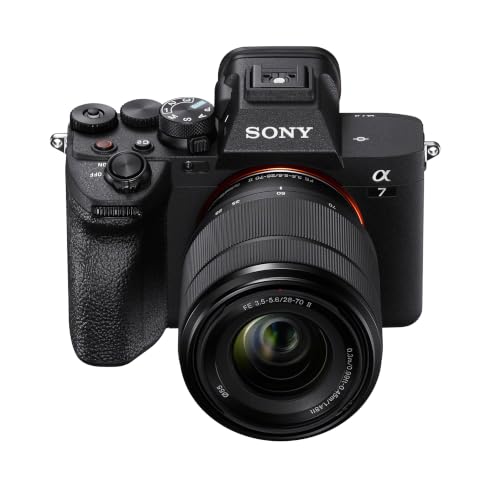
| Mirrorless | Most artists | Strong lens choice, live preview | Battery life is modest | about $600 to $2,500 |
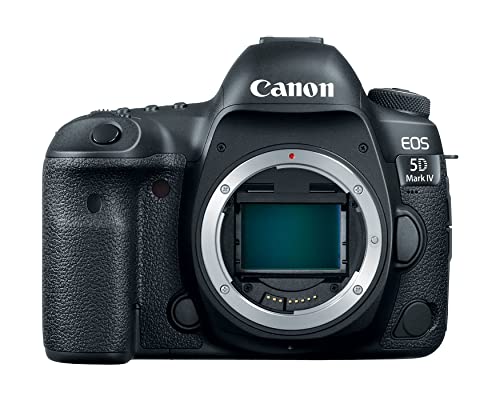
| DSLR | Large prints | Long battery life, used bargains | Heavier body | about $500 to $2,000 |
| Premium compact | Small work | Fixed sharp lens, simple setup | No lens changes | about $700 to $1,200 |
| Bridge | Tight budgets | Long zoom in one body | Small sensor limits prints | about $300 to $700 |
Mirrorless Cameras
Mirrorless cameras pair interchangeable lenses with a live screen preview, so you see exposure and white balance before you press the shutter. That preview matters for artwork, because a copy that looks right on screen saves a reshoot. Lens mounts offer several flat field macro and prime lenses, which keep straight edges straight. Most artists who sell prints land here, and the wider world of best digital cameras is dominated by this type for good reason.
DSLR Cameras
A DSLR uses a mirror and an optical viewfinder, and its strength for artwork work is endurance. One battery can cover a long catalog session, and the used market is deep, so a high resolution body often costs less than a new mirrorless one. The bulk is the price you pay, though on a tripod that weight barely matters. If your pieces are large and your sessions are long, a DSLR remains a sensible, proven route.
Premium Compact Cameras
A premium compact has a fixed lens and a larger than average sensor, often the 1 inch class, in a body that fits a coat pocket. The fixed lens is usually sharp across the frame, which suits small paintings, book pages, and prints shot on a table. You give up lens changes, so very large work outgrows it. New buyers who want one simple tool often start here, and our guide to the best starter cameras explains the basics this class builds on.
Bridge Cameras
Bridge cameras stretch a long zoom lens over a small sensor. The zoom is handy for general snapshots, but the small sensor holds less detail and shows noise sooner, which caps the size of a faithful print. For photographing artwork, treat a bridge camera as a budget record keeper for web sized copies rather than a print tool. It documents a portfolio cheaply, yet artists who sell reproductions will outgrow it quickly.
Interchangeable Lens vs Fixed Lens: Which Should You Choose?
The real fork in this guide is whether the lens comes off. An interchangeable lens body lets you fit a low distortion prime or macro lens, and that single choice improves edge sharpness and straight lines more than any body upgrade. It also lets the same camera serve other work later. Readers comparing broader options in best cameras for photography will see the same pattern: lenses decide the ceiling.
A fixed lens compact removes that decision and the extra cost that comes with it. If your artwork is small, your prints stay modest, and you value a short setup, fixed lens simplicity wins. Painters who also shoot work away from home may want to compare the sibling topic of best cameras for photographing art, which leans toward field use rather than studio copying. Choose interchangeable lenses when print size and accuracy lead; choose fixed when speed and budget lead.
How to Choose the Right Camera
Resolution and Print Size
Start with resolution, because the resolution of the sensor governs the largest faithful print you can make from a copy. A file of about 24 megapixels prints at roughly 20 by 13 inches at full print density, and it goes larger when viewed from farther away. If your originals are big and buyers hang them at arm length, step up to about 40 megapixels or more. Resolution is the ceiling; everything else in this section decides how close you get to it.
Color Accuracy and White Balance
Color accuracy governs whether the copy matches the original, and for artwork that match is the whole job. Look for full manual white balance, a custom setting you can build from a neutral card, and raw file capture so you can correct casts later without damaging the file. A camera that renders reds and earth tones honestly saves hours of editing. Judge sample galleries by skin tones and still life shots, since wild saturation in travel photos hides weak color discipline.
Lens Sharpness and Low Distortion
A low distortion lens governs whether flat art stays flat in the copy. Zoom lenses often bow straight lines near the frame edges, while prime and macro lenses in the range of about 50 to 100 mm equivalent keep geometry honest and stay sharp corner to corner. The same discipline helps with small detailed pieces, as readers of the guide to the best cameras for photographing jewelry will recognize. Keep the sensor parallel to the work, and the lens does the rest.
Sensor Size and Image Quality
Sensor size shapes how much fine texture a copy holds. A full frame sensor gathers more light and renders canvas weave and paper grain with less noise, while an APS C sensor reaches nearly the same print quality at a lower price when light is controlled. The 1 inch class suits web copies and small prints. Megapixels alone mislead; a larger sensor with fewer megapixels often copies textured work more cleanly than a crowded small one.
Autofocus, Stabilization, and Tripod Work
Artwork does not move, so autofocus speed matters far less here than in most photography. What matters is precise manual focus with a magnified view, because the plane of the work is thin and one soft corner ruins a copy. Stabilization helps for handheld records of work in progress, yet a tripod and a remote release or timer give the sharpest results. Treat stabilization as a convenience and the tripod as the real tool.
Best Cameras for Specific Needs
Best Cameras for Photographing Artwork for Giclee Prints: Which Type Works Best
Giclee printing raises the bar on two points: resolution and color depth. Aim for about 40 megapixels or more so a 24 by 36 inch print holds detail at viewing distance, and prefer raw files with a wide color space so the printer receives every tone the sensor saw. A mirrorless or DSLR body with a macro lens is the type that fits, and careful lighting matters as much as the body you choose.
Care and Maintenance Tips
Clean the lens with a lens cloth, never your shirt, because grit trapped in fabric scratches coatings and a scratched front element softens every copy. Carry a spare battery so a long catalog session never ends mid piece, and store the camera in a dry, padded bag away from studio solvents and fixative spray. Wipe the sensor only with proper swabs if dust spots appear in flat areas of your copies, and keep caps on whenever the camera leaves the tripod.
Frequently Asked Questions
What features matter most in cameras for photographing artwork?
Resolution, honest color, and a low distortion lens matter most, in that order. Beyond the camera itself, lighting decides more than most buyers expect: two matched lights placed at 45 degrees on either side of the work give even coverage and kill the glare that ruins varnished pieces. Buy the camera for its sensor and lens mount, then spend your next dollars on lights before any body upgrade.
Is a smartphone enough for photographing artwork?
A modern smartphone is enough for sharing work online and for keeping a visual inventory of sketches and studies. Its small sensor and fixed wide lens bow straight edges and hold less detail, so prints larger than about 8 by 10 inches start to look soft. If you sell reproductions or submit work to juried shows, a dedicated camera earns its cost quickly. Use the phone for process shots, and the camera for the master copy.
How much should I spend on a first camera for photographing artwork?
Plan on about $600 to $1,200 for a body and lens combination that copies most work faithfully, including a used DSLR with a prime lens at the low end. Add about $100 to $200 for a tripod sturdy enough to hold the camera steady above a flat lay, since a wobbly tripod wastes a sharp lens. Spend on the lens before the body; a modest body behind a flat field lens beats a flagship behind a kit zoom.
What lens focal length works best for photographing artwork?
A lens in the range of about 50 to 100 mm equivalent works best, because it lets you stand back and keeps the sensor parallel to the work without crowding the frame. Wider lenses force you closer, which exaggerates any tilt and bows the edges of the piece. If your room is small, a lens near 50 mm is the practical compromise. Check the corners of a test frame at full size, not the center, before committing to a lens.
What should a beginner photographing artwork set up first?
Set up a repeatable station first: a tripod, a level, and a spot where the work hangs or lies the same way every time. Add a gray card to the first frame of each session so white balance corrections take seconds later. This routine matters more than any single spec, because consistent copies across a whole portfolio look professional to buyers and printers. Upgrade the camera only after the station feels automatic.
Final Thoughts
The product table above pulls the types together, and the pattern is simple: resolution sets your largest print, color accuracy keeps the copy honest, and a low distortion lens keeps flat work flat. Match the type to your biggest piece and your biggest print, and the best cameras for photographing artwork for your studio will be an easy pick. Start with the lens mount you can grow with, and let the body follow.