
Best Cameras for Mountain Photography by Budget: Smart Picks for 2026
Disclosure: We may earn a commission when you buy through links on this page, at no extra cost to you. As an Amazon Associate I earn from qualifying purchases. Learn more

Hikers can compare the best cameras for mountain photography by budget, sensor size, weather sealing, and autofocus to see which upgrades pay off.
Mountain light changes fast, trails are rough on gear, and every extra pound in your pack matters by mile ten. Choosing among the best cameras for mountain photography is really about matching your budget to the conditions you actually hike in. Prices run from a few hundred dollars to several thousand, and the most expensive body is not always the one that comes home with the best images.
This guide walks through what each budget level realistically buys you, which features earn their cost on the trail, and which ones you can safely skip. Use the comparison table below to line up the key specs side by side, then read on to decide where your money works hardest.



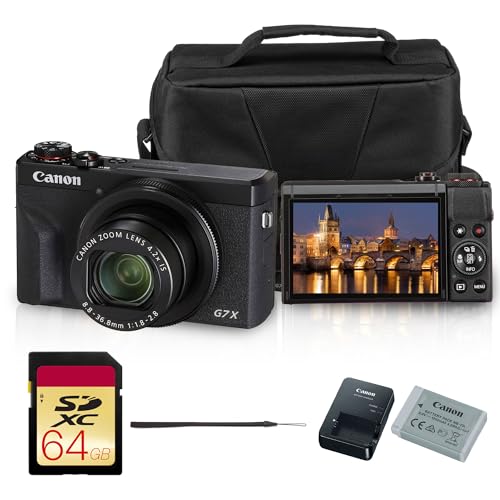

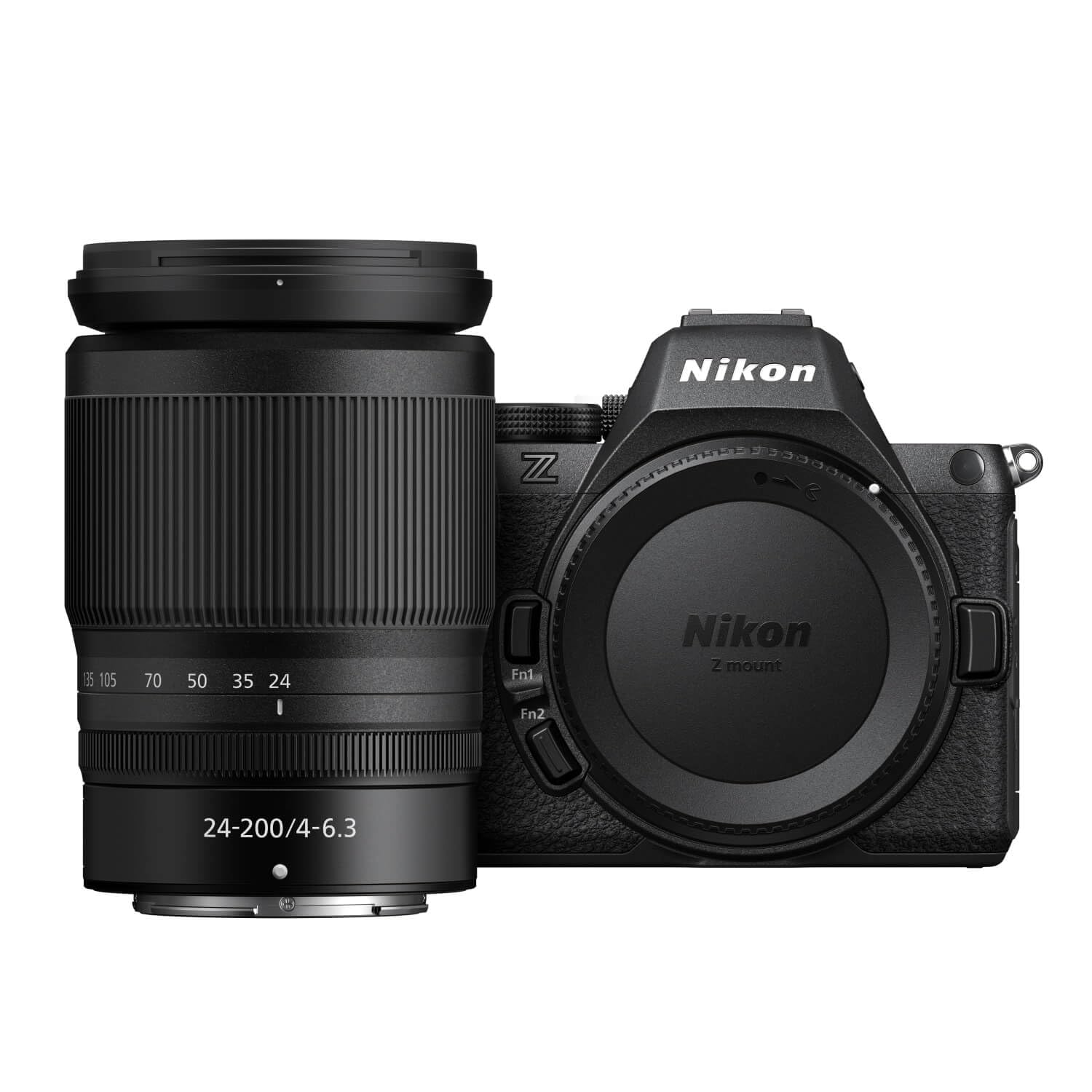

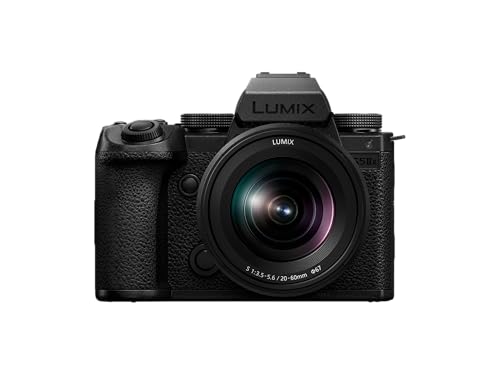
Choosing by Budget: Guidance for Three Kinds of Shooters
Prices and stock change often, so this section matches three common shooter types to the budget that serves each one well, using the product table above as your starting point for current models.
Budget Shooters Who Hike Often and Travel Light
If you shoot on most hikes but photography is not the main reason for the trip, a compact camera or an entry level mirrorless body with a kit zoom covers nearly everything. You get strong color, good autofocus, and a kit that fits in a hip belt pouch or a small padded case. If you are still learning exposure and composition, see our guide to the best beginning photography cameras for models built around simple controls and helpful automatic modes. Spend your remaining budget on a spare battery and a sturdy strap rather than a second lens right away.
Midrange Shooters Who Want Room to Grow
Serious hobbyists who plan trips around sunrise at a pass or Milky Way shots from a tent usually land in the middle tier. Here you gain better low light performance, faster burst shooting, and access to a wider choice of lenses you can add over several seasons. This is also the tier where a second lens, such as a fast prime for night skies, starts to make sense. Buy the body that fits your hands with gloves on, because you will hold it for hours in cold wind.
Premium Shooters Who Print Large and Shoot in Harsh Weather
If you sell prints, shoot for clients, or head out in storms that send most hikers home, the premium tier pays for itself in sealing, dynamic range, and reliability. Large prints from high resolution files hold fine detail in rock texture and distant tree lines. Dual card slots protect a full day of work if one card fails. The tradeoff is real weight, so test the full kit in your pack on a short hike before committing to a long route with it.
What Your Money Gets You at Each Price Tier
Camera prices cluster into three broad bands, and the jumps between them buy specific things rather than vague quality. Knowing what each band adds helps you stop at the tier that matches your output, whether that is social sharing, wall prints, or paid work.
Budget Tier: What to Expect
Bodies under about $800, often sold with a kit zoom, deliver sharp daylight images, 4K video on many models, and autofocus that handles still subjects and slow movement well. Expect a smaller sensor, a modest electronic viewfinder, and limited sealing against rain and dust. Battery life is usually the tightest constraint on long days. For hikers who mostly shoot in good light and share images online, this tier already covers the need, and the money saved buys boots, layers, or a lighter tent.
Midrange Tier: The Balance Most Hikers Choose
Between about $800 and $1,800, you typically gain a larger APS C or entry full frame sensor, in body image stabilization, and subject detection autofocus that tracks eyes, animals, and vehicles. Sealing improves, viewfinders get brighter, and controls become direct enough to change settings without menu diving. If your trips mix portraits, wildlife, and town travel along with summits, see our guide to the best cameras for photography for how these same bodies handle general use. For most mountain shooters, this band offers the strongest value per dollar.
Premium Tier: When Spending More Pays Off
Above about $1,800, and often well above it, spending buys full frame sensors with excellent high ISO files, deep buffers for long bursts, and pro grade sealing and build. Video specs climb as well, which matters if you film your climbs. What the extra money does not buy is a lighter pack or better composition. Choose this tier when you have hit a real limit in the lower bands, such as noise in night sky files or missed focus on fast wildlife, rather than as a first step into the hobby.
Features Worth Paying For and Ones to Skip
Spec sheets list dozens of features, but only a handful change your results on a mountain. The four areas below deserve your budget first. After them, extras such as ultra high megapixel counts and novelty shooting modes can wait.
Durability and Weather Sealing
A weatherproof body and lens pairing matters because mountain weather rarely asks permission. Sealed dials, gaskets at the doors, and a magnesium body shrug off drizzle, blowing dust, and the knocks of a pack ride. Sealing is not waterproofing, though, so a camera still needs a rain cover in a downpour and drying time afterward. Check that the lens you plan to carry carries sealing too, because the mount is only as protected as its weakest side. Fogging inside a viewfinder after a cold night is normal and clears as the camera warms.
Autofocus and Stabilization
Modern autofocus with eye detection locks onto a hiking partner or a marmot quickly, and in body image stabilization steadies handheld shots at dawn when light is low and a tripod is still packed. Together they raise your keeper rate more than a small resolution gain does. If your mountain days are mostly on two wheels with fast, close action, see our guide to the best camera for mountain bike photography for bodies and settings tuned to moving riders. For still landscapes, even midrange systems now focus accurately in light dim enough that you can barely see the trail.
Features That Matter for Mountain Photography
Mountain scenes punish weak dynamic range, because bright snow and shadowed valleys sit in the same frame, so a sensor that holds highlight and shadow detail saves more shots than any filter. Lens range matters next: a wide zoom near 24 mm equivalent frames big vistas, while magnification from a telephoto zoom compresses layered ridges and isolates wildlife. That mix is what separates the best cameras for mountain photography from a general travel camera. Also value a tilting screen for low compositions, a clear viewfinder for glare, and physical dials you can turn with gloves.
Sensor Size and Image Quality
Sensor size shapes low light quality, depth of field control, and the size of the lenses you must carry. One inch sensors keep compacts truly pocketable and still print well at moderate sizes. APS C sensors balance file quality and lens weight for most hikers. Full frame sensors gather the most light and suit night and storm shooting, but their lenses add real pack weight. Megapixels alone do not define quality: a clean 24 megapixel file from a larger sensor usually beats a noisy 40 megapixel file from a tiny one.
Long Term Costs to Factor In
The body price is only the start of what a mountain camera costs to own. Budget for the objective lens or lenses you actually need, fast memory cards, at least two spare batteries, a padded carry solution, and sensor cleaning supplies. Cold weather shortens battery life, so spares are not optional on winter trips. Filters such as a polarizer for glare on wet rock add cost but protect the front element as well.
Over several years, add a possible shutter or mount repair, a replacement strap, and storage drives for growing raw files. Some shooters split their budget differently and shoot film for personal projects; if that path interests you, see our guide to the best film photography cameras before assuming digital is the only route. A simple rule helps: if accessories would push a premium body out of reach, step down one tier and kit yourself out properly instead.
Care and Maintenance for a Mountain Camera
Trail care starts with small habits. Wipe grit from the lens mount area before changing lenses, and make swaps with the body facing down and your back to the wind so dust stays off the sensor. Use a blower, never your breath, to clear dust from the front element. After a wet day, open the doors, remove the battery, and let the camera dry at room temperature before sealing it in a bag.
At home, store the camera in a dry place with the lens cap on and the battery partly charged if it will sit for weeks. Check the strap lugs and tripod socket for looseness before big trips, and clean the sensor only with tools made for your sensor size. Skip household solvents on glass or screens. A camera treated this way handles season after season of altitude, dust, and damp mornings without drama.
Cameras for Mountain Photography: Your Questions Answered
What features matter most in a camera for mountain photography?
Weather sealing, dynamic range, and a lens range that covers wide vistas and distant ridges matter most in a camera for mountain photography. After those, in body stabilization and reliable autofocus raise your keeper rate in wind and low light. One point buyers overlook is screen brightness: a dim screen washes out in alpine glare, so check outdoor visibility, not just resolution numbers, before you buy.
What camera specs matter most for beginners shooting mountain scenes?
For beginners, the specs that matter most are a helpful automatic mode, clear menus, in body stabilization, and a kit zoom that starts wide. Those four make early success likely while you learn exposure. If you want a structured path into settings and modes, see our guide to the best cameras for starter photography. Also pick a body light enough that you carry it on every hike, because the camera left at home captures nothing.
Which camera sensor size is better for mountain photography in low light?
A full frame sensor is better for mountain photography in low light because its larger photosites gather more light and hold cleaner shadow detail at dawn, dusk, and under stars. APS C is a close second and far lighter to carry. Whichever size you choose, a fast lens with a wide maximum aperture often improves night results more than a body upgrade, and it usually costs less than switching systems.
How much zoom does a mountain photography camera need for wildlife and ridges?
A mountain photography camera benefits from a telephoto reach of about 200 mm to 400 mm in full frame terms for wildlife and compressed ridge layers. That magnification keeps you at a respectful distance from animals while still filling the frame. Very long lenses add weight and haze problems at distance, since warm air rising off sunlit slopes softens detail. Many hikers find a midrange zoom plus one telephoto zoom covers every subject they meet.
Is a smartphone enough instead of a dedicated camera for mountain photography?
A smartphone is enough for casual mountain photography when you shoot in good light, share online, and value traveling light above all else. It falls short for large prints, true telephoto reach, and fast control changes with gloves on. Many hikers carry both: the phone for quick panoramas and backup, and the camera for the summit light they planned the trip around. That pairing also protects you if one battery dies in the cold.
How much should a first mountain photography camera cost?
A first mountain photography camera should cost about $500 with its kit lens, while stronger starter kits reach about $900, and that range buys stabilization, decent sealing on some models, and room to learn manual control. Spending less often means a fixed lens compact, which is fine if your priority is weight. Keep about a fifth of your total budget aside for batteries, cards, and a good strap. Resale value on entry bodies stays reasonable, so upgrading later rarely wastes the whole first purchase.
Final Thoughts
Start with the tier that matches your output, then put features in order: sealing and dynamic range first, stabilization and autofocus next, and resolution last. Keep the kit light enough that carrying it never feels like a chore, because consistency beats specs on real trails. Compare your shortlist against the product table above, and you will land on the best cameras for mountain photography for your budget and the way you actually hike.


