
Best Cameras for Music Videos: A Checklist for 2026
Disclosure: We may earn a commission when you buy through links on this page, at no extra cost to you. As an Amazon Associate I earn from qualifying purchases. Learn more

Compare the best cameras for music videos with a plain checklist on low light strength, frame rates, stabilization, audio inputs, and price bands.
A music video shoot is hard on a camera. One song can move from a bright rehearsal room to a near dark stage, and the performer rarely stands still for you. Shoppers comparing the best cameras for music videos get better results when they score each option against a short checklist instead of chasing the longest spec sheet.
This guide builds that checklist in order, starting with light, then covers what each price band actually buys and the warning signs to skip. The comparison table below puts the main camera types side by side so the trade offs are easy to see before you read on.


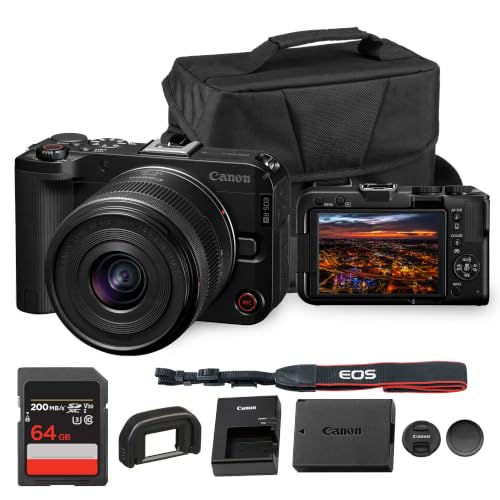
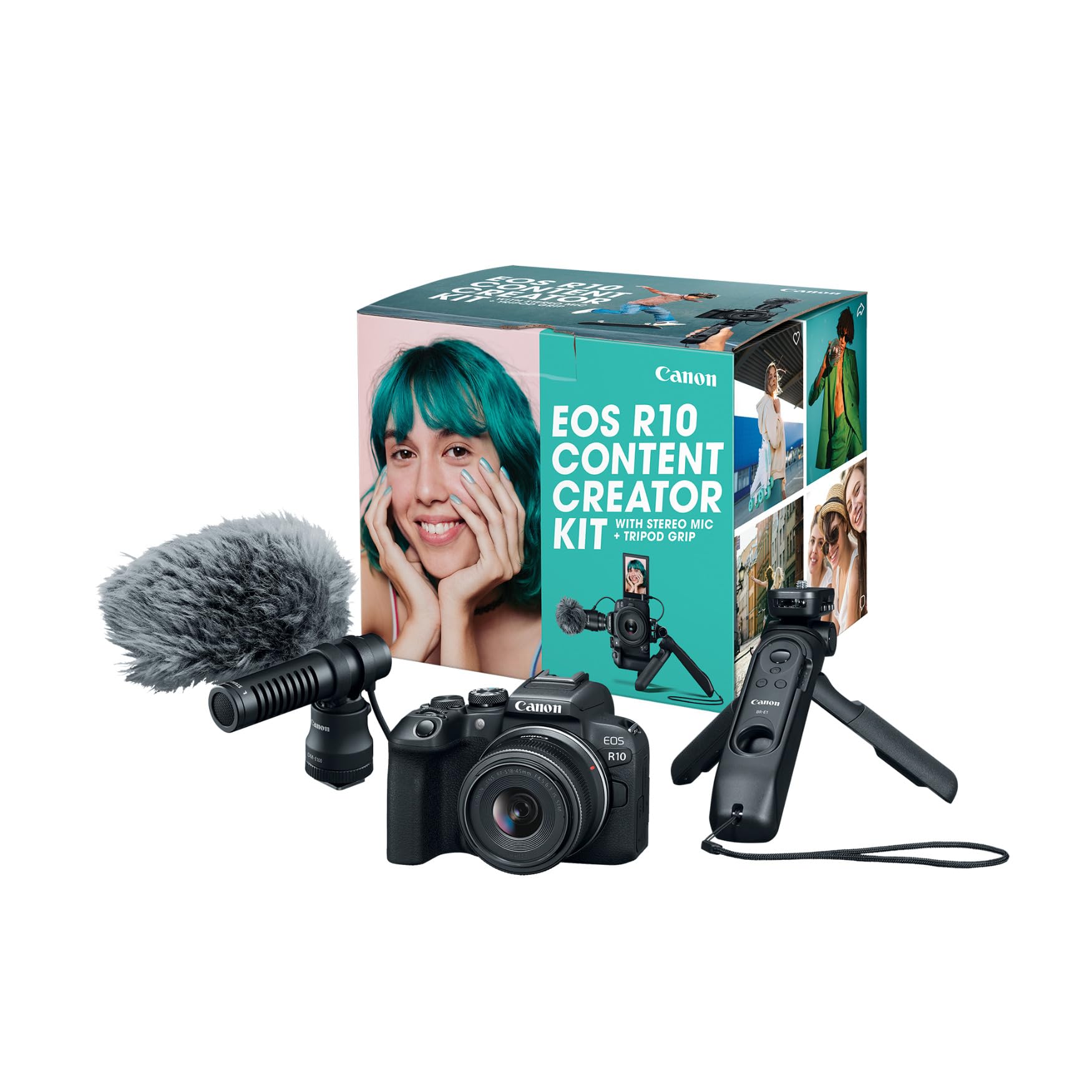
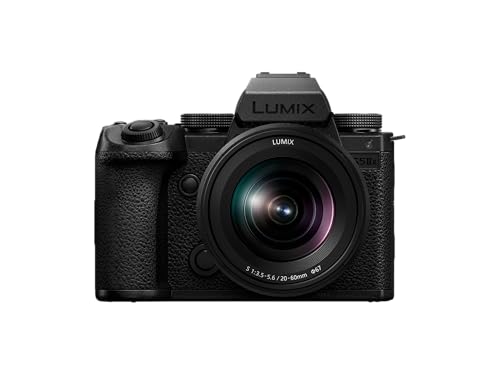


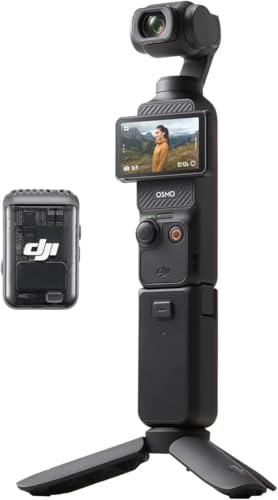

The Checklist: Six Things to Judge First
Work through these six checks in order. The first three decide whether your footage looks like a music video at all, and the last three decide how painful the shoot day feels.
Low Light Performance
A low light rating governs how your camera copes on a stage and in a club, so judge it before anything else. Look for clean results at ISO 3200 to 6400, because stage lighting often leaves the rest of the room close to black. A fast lens, around f/1.8 to f/2.8, lets the sensor work at lower ISO settings and keeps faces readable. Cameras that smear detail or turn shadows green at high ISO will disappoint you no matter how strong their other specs look.
Frame Rates and Slow Motion
Frame rate governs slow motion, and slow motion is the language of performance videos. Shooting at 60 frames per second and playing back at 24 gives smooth half speed footage for walking shots and hair flips. A 120 frame mode stretches a jump or a drum hit into a dramatic moment. Check the fine print before you buy, because some cameras only reach their fastest rates at 1080p or with a sensor crop that narrows your view.
Stabilization for Handheld Shots
Stabilization governs handheld footage, which is most of a typical music video shoot. In body stabilization steadies walking and circling shots without extra gear, and it keeps a one person crew fast and quiet. Electronic stabilization can smooth things further, but it crops the frame and can wobble under flashing stage lights. If you plan long moving takes, budget for a small gimbal as well, since the best cameras for filming music videos still benefit from a steady base.
Sensor Size and Image Quality
Sensor size shapes depth of field and low light headroom more than megapixels do. Full frame sensors give the shallow focus look that separates a singer from a busy background, while APS C models cost less and stay smaller for travel between venues. One inch compact cameras trade that look for a fixed lens and a pocketable body. For resolution, 4K recording read from a larger sensor area looks cleaner than basic 1080p, so shoppers weighing the best cameras for music videos 4k should ask whether 4K uses the full sensor width or a crop.
Audio Inputs and a Headphone Output
Music videos sync to a studio track, but live takes, rehearsal clips, and acoustic versions need real sound. A microphone input lets you mount a shotgun or wireless mic instead of trusting the thin built in microphone. A headphone output matters just as much, because it is the only way to hear clipping or cable noise while you still have time to fix it. That is why the best cameras for recording music videos treat audio connections as core specs, not extras.
Battery Life and Recording Limits
Expect about 60 to 90 minutes of video from one battery on most mirrorless cameras, and a full day of shooting takes two or three spares. USB C charging helps because you can top up from a power bank between sets. Also check the recording limit and heat behavior, since a camera that stops at 30 minutes or overheats under stage lights can end a take mid song. Long events favor models with active cooling or unlimited recording.
Price Bands and What Each One Buys
Prices below are rough street levels for a body and starter lens. Match them against the product table above to see which band fits your venues and crew size.
Learning the Craft: About $300 to $800
Used APS C bodies and one inch compacts live here. You give up the cleanest high ISO results and some frame rate options, but you can shoot a complete video and learn lighting with money left over for a fast prime lens. This band suits first videos, rehearsal footage, and social clips where delivery is 1080p.
Working Musician Band: About $800 to $1,800
New APS C and older full frame bodies sit in this range, with 4K at 60 frames per second, capable autofocus, and real audio inputs. For most independent artists this is the band where image quality stops being the weak point. Plan about $200 to $400 more for a fast lens, a spare battery, and fast cards.
Production Band: About $1,800 to $3,500
Current full frame bodies add dual card slots, stronger codecs, and better heat handling for long show days. At this level the best cameras for music video production are bought for reliability and client confidence as much as for image quality. Crews shooting paid work also gain matched color across two bodies, which speeds up editing.
Quick Buyer Checklist
For a second angle on the same questions, see our guide to the best cameras to shoot music videos. Then answer these before you order:
- Does the camera stay clean at ISO 3200 or higher?
- Can it record 4K at 60 frames per second, or at least 1080p at 120?
- Does it have in body stabilization or a lens with strong stabilization?
- Is there a microphone input and a headphone output?
- Will one battery cover your longest set, with spares in the bag?
- Does the recording limit clear your longest song with room to spare?
- Can you charge it over USB C between venues?
Red Flags to Watch For
- 4K listed in big print but capped at low frame rates with a heavy crop, so your wide shots vanish.
- No headphone output, so audio problems stay hidden until editing, when nothing can be fixed.
- Digital zoom sold as a feature, even though it throws away detail you cannot get back.
- A kit lens slower than f/4 at the long end, which starves the sensor on dark stages.
- Heat warnings in owner reports from long recording sessions, a bad sign for full concerts.
Best Cameras for Specific Needs
Best Hd Cameras for Music Videos: What to Check
Plenty of venues and platforms still deliver at 1080p, and a strong HD mode can beat a weak 4K mode. Judge an HD focused camera by its 1080p frame rates, since many models unlock 120 frames per second only at this resolution. Bit rate matters too, because a higher bit rate holds detail in confetti, smoke, and moving lights. If your work goes straight to social feeds, spend the savings on lighting instead.
Care and Maintenance Tips
Stage work coats cameras in dust, sweat, and haze fluid. Wipe the body and lens with a clean lens cloth after every show, never your shirt, and use a blower before wiping so grit does not scratch the glass. Carry a spare battery and cards in a dry, padded bag, and let a cold camera warm up inside the bag before opening it indoors so condensation stays outside. Store the body with a cap on and the battery partly charged.
Questions Answered
What features matter most in cameras for music videos?
Low light strength, frame rate choice, and stabilization matter most, because they decide whether stage footage looks clean and smooth. One feature the checklist above only touches on is eye tracking autofocus, which holds focus on a singer who walks toward the camera. If your performers move a lot, rank that tracking ability alongside light handling. A camera that hunts for focus in dim light will waste good takes.
Which sensor size is best for low light music videos?
Full frame sensors handle low light best, since their larger pixels gather more light at high ISO settings. The gap narrows in small clubs, where you can stand close and pair an APS C body with a fast prime lens. Lens speed is the honest equalizer here. A modest body with an f/1.8 lens often beats a costly body stuck with a slow kit zoom.
What specs matter most for beginners filming music videos?
Beginners should prize reliable auto exposure and simple menus over raw resolution, because a first shoot has enough moving parts already. A fully articulating screen is the quiet hero spec, since it lets you frame a shot while standing in front of the camera. Start with one versatile zoom lens. Add primes later, once you know which focal lengths your venues demand.
Is a smartphone enough for a music video?
A smartphone is enough for social clips and bright rehearsal footage, and its stabilization is genuinely strong. It struggles in dark clubs, where its small sensor turns grainy, and it offers no proper way to monitor sound. Many solo artists use the phone as a second angle camera beside a main body. That pairing stretches a small budget further than one mid priced camera alone.
How much should I spend on my first music video camera?
About $500 to $1,000 buys a capable first setup, new or used, with a starter lens included. Hold back part of the budget for light and sound, because a simple light panel changes a video more than a body upgrade does. Cameras in this class hold resale value well. You can trade up later once paid work or bigger venues justify the jump.
Final Thoughts
Judge light first, motion second, and sound third, and let your venues set the budget. Start with the band that matches your typical room, and upgrade the lens before the body. The product table above shows how the current types stack up on those checks. Chosen well, the best cameras for music videos disappear into the work, so the performance carries the video instead of the gear fighting it.


