
Best Cameras for Instagram Content 2026: Matching the Right Model to Your Routine
Disclosure: We may earn a commission when you buy through links on this page, at no extra cost to you. As an Amazon Associate I earn from qualifying purchases. Learn more

Not all cameras fit every routine. See which best cameras for instagram content match how you actually use them, what features to prioritize, and what to skip.
There is no single camera that suits every feed, because a daily outfit post, a recipe reel, and a travel story ask for different things. The best cameras for instagram content are the ones that match how you shoot, how fast you post, and where you work. Use the comparison table below to check each option against your own routine first.
Think about your last ten posts before you compare prices. Note how many were still photos, how many were video, and how often indoor light caused trouble. That audit tells you whether you need a better lens, a screen that turns toward you, or a camera you will carry more often.



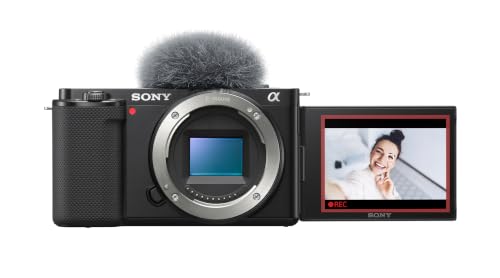


Who Should Buy Which Cameras for Instagram Content?
Your posting routine should decide the type, size, and budget before any single spec does. If your feed leans on still photos first, see our guide to the best cameras for instagram for that narrower focus, then return here to match the camera to your daily use.
For Students and Everyday Users Who Post on the Go
You post campus life, meals with friends, and short clips between classes, often with one hand and little setup time. Choose a compact camera with reliable autofocus, simple menus, and a battery that lasts a full day. A fixed lens point and shoot model keeps cost and weight low, and quick WiFi transfer matters more than a large sensor you will rarely push in low light.
For Remote Workers and Creators Who Film at a Desk
You record talking clips, product demos, and live sessions from the same desk each week, so a screen that flips toward you and a microphone input matter most. Look for steady autofocus on your face, clean audio options, and power from a wall outlet during long sessions. If that desk work is your main focus, see our guide to the best cameras for content creators for creator setups.
For Travelers and Commuters Who Shoot While Moving
You shoot trains, markets, coast walks, and café tables, and you need a camera that fits a small bag and survives a full day away from an outlet. Choose a light body, a lens that covers wide scenes and closer details, and weather sealing if rain is common. Image stabilization helps on moving transport and in dim stations, and a padded strap keeps the camera ready.
Key Features to Compare
When you shop for best cameras for instagram content, judge each feature by the post it improves. A spec that does not fix a problem in your feed is not worth extra cost or weight.
Size, Weight, and Ergonomics for Daily Carrying
A camera you leave at home cannot improve your feed, so total weight with lens and battery fitted is the number that counts. Compact bodies often weigh about 300 to 500 grams ready to shoot, while larger interchangeable lens kits can pass 800 grams. Picture vertical shooting as you judge the grip, because a deep grip helps for portrait posts but can feel bulky in a coat pocket. Choose the largest size you will still carry on an ordinary day.
Lens and Zoom Range for Food, Faces, and Small Rooms
The lens shapes your photos more than the body does, because it controls how much of a room, plate, or face fills the frame. Optical zoom moves glass inside the lens and keeps detail, while digital zoom crops the image and softens it. A range near 24 to 70 mm in full frame terms covers wide interiors, portraits, and tighter food shots. A wide aperture such as f1.8 or f2.8 lets in more light indoors and softens the background.
Sensor Size and Image Quality in Indoor Light
Sensor size affects how clean an image looks when light is weak, because a larger sensor gathers more light at the same scene brightness. One inch sensors suit compact cameras for day use, APS C sensors give a clear step up for cafés and evening streets, and full frame sensors suit creators who shoot often at night. Megapixel count matters less, since Instagram crops and compresses uploads anyway. Prioritize clean files at your usual light levels.
Battery Life and Charging During a Shooting Day
Battery ratings are given in shots per charge, and video drains a battery far faster than still photos do. Many compacts manage about 250 to 350 shots per charge, while larger bodies often reach 500 or more. USB C charging lets you top up from a laptop or power bank between stops. If you film reels in long takes, budget for a second battery from the start.
Features That Matter Most for Instagram Content
Instagram rewards speed from shot to post, so look for eye detection autofocus that holds a face while you move, image stabilization that smooths handheld reels, and a flip screen with on screen guides for 4 by 5 and 9 by 16 crops. Fast WiFi or Bluetooth transfer sends a finished file to your phone without a cable or card reader. If you plan a broader workflow beyond one app, see our guide to the best cameras for content creation for how these tools fit together.
Choosing Between Compact, Mirrorless, and Advanced Digital Cameras
Point and shoot compacts put the lens, sensor, and screen in one fixed unit, so you turn the camera on and shoot with almost no setup. They suit everyday posts and travel where speed and low weight beat lens choice. Their limit appears indoors at night, where a small sensor produces more grain.
Mirrorless cameras accept changeable lenses, so one body can cover a wide room lens today and a portrait lens later. That growth comes with more cost and weight. If you are still weighing the wider market first, see our guide to the best digital cameras to place both types in context.
Choose by the post you repeat most. A compact suits daily stills and short clips, a mirrorless body suits planned shoots and regular reels, and an advanced fixed lens compact sits between them for travel.
Common Mistakes to Avoid
Most regret comes from buying for a feed you do not have.
- Buying on megapixel count alone leaves you with huge files that still look poor in dim indoor light.
- Ignoring total kit weight means the camera stays home and your phone does all the work anyway.
- Skipping a microphone check leaves talking reels thin and echoing even when the picture looks sharp.
- Forgetting cards, a spare battery, and a bag in your budget makes the real total far higher than the body price.
- Choosing a camera with no vertical crop guides leads to heads and text cut off after you upload.
Tips to Get the Most From Your Camera and Keep It Ready
Wipe the lens with a clean microfiber cloth before a shoot, because a shirt can drag grit across the glass and leave fine marks. Carry a spare battery and a spare card in the same small pouch each time, so a full card never ends a session early. Charge batteries the night before a planned shoot rather than during breakfast, when a rushed partial charge is easy to forget.
Store the camera in a dry padded bag away from bathroom steam and car heat, and remove the battery if you will not shoot for several weeks. Copy your files to two places on the day you shoot, then format the card in the camera only after you confirm the copies open.
FAQ
What features matter most in a camera for Instagram content creation?
Fast and reliable autofocus matters most, because most Instagram posts show people, food, or products at close range. A useful extra is a grid overlay you can leave on while composing, since it helps you place a subject off center and keep horizons level. Pair that with a lens you enjoy using, and you will post more often without extra editing.
What camera specs matter most for beginners posting on Instagram?
A simple exposure mode and clear menus matter most for beginners, because early posts fail from confusion more than from sensor limits. Start with a camera that shows a live preview of brightness changes as you adjust settings. That instant feedback teaches you faster than reading numbers, and it helps you repeat a look that worked for one post on the next one.
How much should you spend on a first camera for Instagram content?
About $400 to $800 covers a capable first camera for most Instagram feeds, including many strong compacts and entry mirrorless kits. Keep about 15 percent of that total aside for a card, a spare battery, and a bag. Spending the whole budget on the body alone often delays your first full week of posting, because the small parts are what make daily use smooth.
Does optical zoom matter for Instagram food and travel photos?
Yes, optical zoom matters because it lets you tighten a food or travel frame without walking closer or cropping later. A modest 3x to 5x range also helps you compress a street scene so signs and people behind your subject look nearer and more layered. Digital zoom cannot add that effect, since it only enlarges pixels already captured.
Is a smartphone enough instead of a dedicated camera for Instagram content?
A smartphone is enough if your posts are well lit stills and short clips shared on the same day. A dedicated camera pulls ahead when you shoot indoors at night, want a softer background behind a portrait, or film long reels that drain a phone you also need for messages. Many creators keep the phone for stories and save the camera for feed posts.
Final Thoughts
Match the camera to your routine first, then check sensor size, lens range, and how fast files reach your phone. A light camera with a flip screen and steady autofocus will serve most feeds better than a large body you rarely carry. Use the product table above to confirm weight, battery life, and price for the types that fit your posts.
When you compare best cameras for instagram content by your own posting habits, the right choice is the one you will use daily. Pick the simplest type that fixes the problems in your recent posts, and let your next month of content guide any later upgrade.

