
Best Cameras for Fitness Photography: Our 2026 Checklist and Buyer Guide
Disclosure: We may earn a commission when you buy through links on this page, at no extra cost to you. As an Amazon Associate I earn from qualifying purchases. Learn more

Compare cameras for fitness photography by sensor, autofocus, low light skill, video and sealing, with a clear checklist for gym and home shoots.
Fitness shoots move fast and rarely happen in perfect light. An athlete lifts, jumps or changes direction while mirrors and windows fight your exposure. Choosing the best cameras for fitness photography starts with a clear checklist, not a long spec sheet. This guide uses that checklist so you can judge the comparison table below.
Think first about where you shoot most often. A small home gym rewards a compact body and a wide view. A busy commercial gym rewards strong subject tracking and clean files in dim light. A quiet studio rewards accurate color and a lens that flatters faces. The sections below explain each fit.


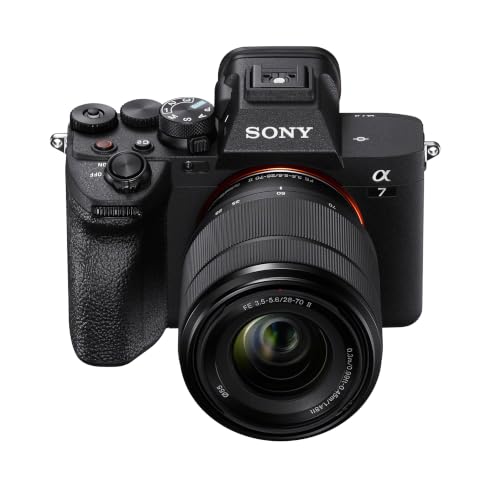


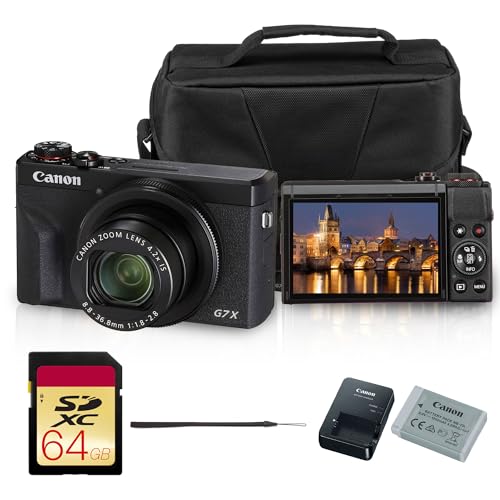


Who Should Buy Which Camera for Fitness Photography?
Your role on the gym floor decides what you can skip. A coach, a creator and a studio shooter value different strengths. Match your group below, then read the features with that priority.
Coaches Who Film Client Progress and Form Checks
You shoot short clips and stills, often from the side while a client works. Prioritize subject tracking, a flip out screen you can see from a few steps away, and 4K video for slow review of a lift. WiFi transfer to a phone speeds same day feedback. One standard zoom covers most rooms.
Creators Who Shoot Classes and Social Clips
You record classes, tutorials and portraits for posts, so sound and stability shape your results. Prioritize a microphone input, built in stabilization for handheld clips, and autofocus that holds a moving instructor. For broader stills needs, see our guide to the best cameras for photography. Choose a body you can hold for an hour without fatigue.
Gym Owners and Event Shooters Who Cover Meets and Portraits
You photograph competitions, member portraits and open days where light changes across the room. Prioritize a larger sensor for clean files and sealing against chalk dust and splashes. A second battery matters more than a second body for most events. If this is your first body, see our guide to the best beginning photography cameras.
Key Features to Compare
Fitness work stresses a camera in clear ways. Motion is sudden, light is dim and mixed, and the air carries chalk dust and moisture. Use the five factors below in order. A camera that leads on tracking and low light beats one that leads only on megapixels.
Sensor Size and Sharpness in Gym Light
Sensor size shapes detail, depth and low light quality more than megapixel count alone. A 1 inch sensor suits compact bodies and bright rooms. An APS C sensor balances size, cost and quality for most gyms. A full frame sensor gathers more light and gives shallower depth for portraits, but bodies and lenses grow larger and cost more. Choose the smallest sensor that still meets your light and print needs.
Low Light Performance in Gyms
Most gyms mix dim corners with harsh ceiling lights, so usable high ISO matters more than a maximum figure. Look for clean files at ISO 3200 to ISO 6400 and a lens with a wide aperture, such as f2.8 or wider, so shutter speeds stay fast to freeze motion. Judge files at the ISO you will truly use, because a clean image at a realistic setting beats a noisy one pushed further.
Video Capabilities for Form Checks and Classes
Video is central to fitness work, because a short clip shows timing and joint position in a way one still cannot. Look for 4K video at 30 or 60 frames per second, a microphone input for clear coaching cues, and a flip out screen for recording alone. A log profile helps only if you enjoy color grading. For most readers, clean color matters more. Check recording limits before a long class.
Durability and Weather Sealing for Sweaty Spaces
Sweat, spilled drinks and chalk dust reach a camera faster in a gym than in a studio. Look for weather sealing around doors, dials and the lens mount, plus a grip you can hold with damp hands. Treat sealing as splash protection, because very few models in this class are fully weatherproof. A sealed body still needs a quick dry wipe after each session, which the care section below covers.
Autofocus and Stabilization for Moving Athletes
Tracking autofocus is the feature that decides how many peak moments you keep. Eye detection helps for portraits and talking clips, while subject tracking matters during lifts, sprints and class movement. Built in stabilization steadies handheld video and slower stills, but it cannot freeze a fast athlete, so shutter speed does that work. Prioritize tracking you can trust over a list of focus modes. Practice tracking at home first.
Camera Types Compared for Fitness Shoots
Three body types cover every fitness brief. Compare size, light skill and lens choice, then confirm your pick below. For a fitness first view, see our guide to the best cameras for fitness.
Full Frame Mirrorless Cameras for Dim Gyms and Portraits
Choose this type for clean low light files and strong subject separation in portraits. Kits cost about $1200 to $2500, and the weight grows during a full day of classes. This type suits studio corners and event work where image quality leads and you can swap lenses between sets.
APS C and 1 Inch Cameras for Daily Training Content
Choose this type for a balance of quality, size and price for everyday posts and photos. Most kits cost about $600 to $1200 and leave budget for a fast prime lens, which improves dim gym results more than a larger body would. This type suits anyone who carries a camera to daily sessions.
Compact Cameras for Tight Spaces and Travel
Choose this type when the camera must live in a gym bag and work in tight rooms where a large body feels intrusive. A fixed lens with optical zoom covers classes and close form shots without lens changes. Most models cost about $300 to $700. You give up lens choice and low light reach, so shoot nearer windows.
Quick Buyer Checklist for Fitness Shoots
Answer honestly for the room where you shoot most. If a camera fails a key question for your setting, keep looking. This same test applies to any of the best cameras for fitness photography on your short list. New buyers can pair this list with our guide to the best cameras for starter photography.
- Can the autofocus follow a squat or a jumping athlete without losing the subject?
- Do files look clean at ISO 3200 in light like your gym at night?
- Can you record a full class without the body stopping from heat or a battery?
- Does the screen flip out so you can frame yourself when you train alone?
- Can you reach the main dials with one hand during a session?
- Is the body sealed well enough for chalk dust, sweat and a spilled drink nearby?
- Can you send a photo or a clip to your phone within a minute after a session?
Common Mistakes to Avoid
Each mistake below costs sharp frames or clean files.
- Buying on megapixels alone leaves you with soft, noisy files when gym light drops.
- Using a slow shutter to brighten a scene blurs the movement you came to capture.
- Standing too far with a wide lens makes the athlete small and lets mirrors and clutter dominate the frame.
- Ignoring sound quality leaves class videos with echo and music that drown coaching cues.
- Skipping a spare battery and card ends coverage mid attempt at a personal best.
Cleaning and Storing a Gym Camera
Wipe the body and lens with a lens cloth after each session, never with your shirt, because gym grit can scratch glass and coatings. Blow chalk dust from dials and mount before lens changes. Carry a spare battery and a card so an event never stops mid set.
Store the camera in a dry, padded bag away from steamy showers and heat. Remove the battery during a break, charge it at room temperature, and check seals and straps monthly for wear. A frayed strap can drop the body without warning, so replace it early.
Frequently Asked Questions
What features matter most in a camera for fitness photography in a busy gym?
Tracking autofocus and clean low light files matter most in a busy gym. One extra point is a fast burst with a deep buffer, which helps you catch the exact top of a lift or jump. Set the burst before the set starts, because the peak moment rarely repeats.
Is a smartphone enough for fitness photography instead of a dedicated camera?
A smartphone is enough for progress photos in bright light and clips for messages. It falls short when you need shallow depth, a longer lens across a gym, or clean files under dim light. A phone distorts faces near the edges of group shots, so keep subjects near the center if you use one.
What lens focal length suits fitness photography in a small training space?
A lens around 24 to 35 mm suits a small training space because it shows the full body and the rack nearby. In a studio, 50 to 85 mm flatters portraits and separates the athlete from the background. Start with the wider range if clients train close to walls, then add reach later.
How much should you spend on a first camera for fitness photography?
Plan about $600 to $1200 for a first kit that covers most gym work well. Spend the next dollars on a fast lens and a light before a larger body, because those two items change dim room results more. Keep a small reserve for a battery, a card and a bag.
Which sensor size is better for low light fitness photography?
A full frame sensor is better for low light fitness photography when budget and size allow. Its advantage shrinks in bright studios, where an APS C camera with a fast lens can match the result for less money. Before an event, visit the venue at the same hour and test under its lights.
Wrapping Up
Keep your decision simple. Tracking, clean low light files and sealing decide most fitness results, while video and size shape daily comfort. Match the type to your room first, then confirm it against the product table above. When you compare best cameras for fitness photography with those points, the right choice for your training space becomes clear.

