
Best cameras for fitness in 2026: a buyer checklist for workout video
Disclosure: We may earn a commission when you buy through links on this page, at no extra cost to you. As an Amazon Associate I earn from qualifying purchases. Learn more

Match the best cameras for fitness to your space with a checklist on stabilization, autofocus, battery life and durability for workout video.
Filming a workout looks simple until the camera misses focus, shakes with every jump, or crops your feet out of the frame. The best cameras for fitness solve those problems with steady video, fast tracking focus, and a view wide enough for full body movement. Use the comparison table below to match each camera type to your space and your sport.
This guide works as a checklist rather than a list of models. You will learn which sensor, lens, and battery details matter for training footage, which camera type suits home sessions or outdoor work, and which mistakes waste money.







Who Should Buy a Camera for Fitness Filming?
Your training setting decides more than your budget does. A home studio, a gym floor, and a windy trail each punish a different weakness, so start with the group that sounds most like your week.
Home Creators Filming in Small Rooms
You record follow along sessions, mobility work, or yoga flows in a spare room or a corner of a living room. Space is tight, so you need a wide view, a screen that flips toward you, and focus that stays quiet while you move. A compact camera on a tripod suits you best, because you often start recording and then step into the frame alone.
Trainers and Coaches Filming Client Sessions
You film form checks, class clips, and short coaching cues that clients watch on a phone. Clear speech matters as much as the picture, so look for a microphone input and steady tracking that holds focus as a client moves toward or away from the lens. If video is your main format, see our guide to the best cameras for fitness videos for more detail on frame rates and sound.
Athletes Recording Outdoor Training
You record runs, rides, field drills, or lifting sessions outside the gym. Your camera faces sun glare, light rain, dust, and hard knocks in a gym bag, so toughness rises to the top of your list. Strong stabilization matters most here, because you film while moving or hand the camera to a partner with no time to adjust settings.
Key Features to Compare
Compare each factor below against your own sessions. A spec only earns its cost when it fixes a problem you actually have on the mat or in front of a class.
Sensor Size and Image Quality for Fitness Cameras
Sensor size shapes how clean your footage looks under gym lights. A 1 inch sensor is a strong step up from a phone in dim rooms, while APS C and full frame sensors gather more light and keep skin tones natural. Megapixels matter less for moving subjects, because a sharp still can smear during a fast squat. If you also shoot progress photos, see our guide to the best cameras for photography for still image priorities.
Image Stabilization for Moving Workouts
Stabilization keeps your frame calm while the floor vibrates or your hand follows a moving athlete. Optical stabilization inside the lens or body smooths small shakes, and strong electronic stabilization helps during walking shots and outdoor drills. Heavy electronic correction can crop the view and soften edges, so match the level to your sport. For mostly tripod work in one room, basic stabilization is enough.
Autofocus That Tracks a Moving Body
Fitness movement is hard for focus systems, since you lunge toward the lens, turn sideways, and drop to the floor in seconds. Look for continuous autofocus with face and eye detection, plus a tracking mode that stays on your body when a partner crosses the frame. A touch screen helps you tap a new subject fast between sets. Slow focus that pulses in and out distracts viewers more than a softer image.
Lens View, Zoom, and the Flip Screen
Your lens decides whether viewers see your whole movement or only your torso. A wide view around 16 to 24 mm in full frame terms fits full body work in small rooms, while optical zoom lets you tighten the frame from across a gym. A screen that flips forward lets you check head room and foot room before you press record. Fixed screens force you to guess and reshoot.
Battery Life and Charging for Long Sessions
A class day can mean two or three hours of clips, demos, and retakes, so battery life shapes your workflow. Look for 60 to 90 minutes of 4K video per charge and charging over USB C, which lets a power bank refill the camera between sessions. Removable batteries suit coaches who film back to back classes. Check the video rating, not stills, because recording drains a battery far faster.
Size, Weight, Mounts, and Durability
A camera you carry to every session beats a heavier one you leave at home. Compact bodies under about 500 grams ride easily in a gym bag, and a standard tripod thread plus action mounts give you floor, rack, and bike angles. Sweat and chalk are daily hazards, so choose sealed buttons and a body that tolerates splashes. A grippy shape matters when hands are damp.
Camera Types Compared for Fitness Recording
Three camera families cover every fitness need, and each trades quality, toughness, and ease in a different way. General shoppers can also compare the best digital cameras for everyday stills, but training footage rewards the traits below first.
Action Cameras for Outdoor and Point of View Shots
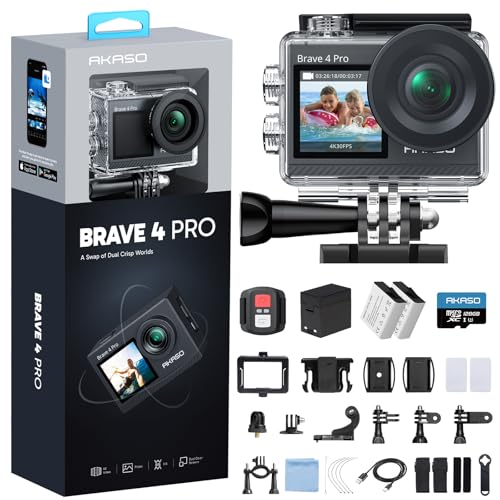
Action cameras are small, tough, and built for motion, with very wide views and strong stabilization. They excel on bikes, trails, and pool decks, and they survive drops that would end a larger camera. Their small sensors struggle in dim gyms, and their fixed wide view can distort form checks near the edges. Choose one when movement and weather matter more than indoor quality.
Vlogging Cameras and Point and Shoot Compacts for Home Sessions
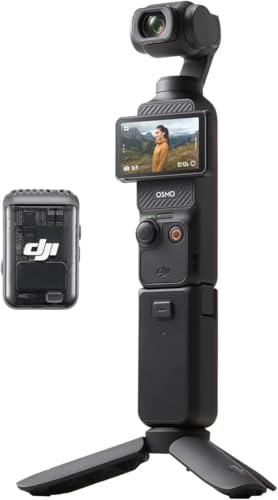
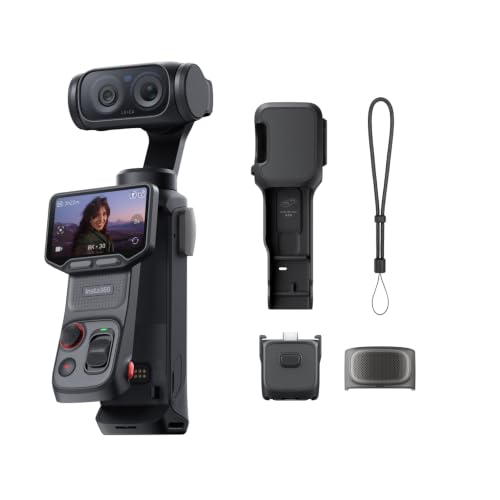
Vlogging cameras pair a 1 inch or APS C sensor with a flip screen, simple auto settings, and focus modes that hold a face as you move. Point and shoot compacts in this group are easy to frame solo and kind to new buyers. They are less rugged than action models, so keep them on a tripod away from chalk dust and water. Choose one when you film yourself alone indoors.
Mirrorless Cameras for Coaches Who Want Full Control
Mirrorless cameras offer the largest sensors, changeable lenses, and the best low light results for polished class libraries. You gain manual control and cleaner audio options, but you pay more and carry more weight. A coach filming paid programs feels the gain daily, while a casual creator may find the menus slow. Choose one when image quality is part of what clients pay for.
Common Mistakes to Avoid
Most returns and regrets trace back to a short list of avoidable errors.
- Buying for megapixels alone leaves you with noisy footage under dim gym lights.
- Choosing a narrow lens for a small room cuts off feet and hands during floor work.
- Skipping a flip screen means you discover bad framing only after the session ends.
- Ignoring audio makes clear coaching cues hard to follow on a phone speaker.
- Mounting a camera where a kettlebell can strike it risks a cracked screen and lost footage.
Care and Maintenance for Fitness Cameras
Wipe the lens with a clean microfiber cloth, never your shirt, because grit in fabric can scratch the coating. Clean sweat and chalk from the body with a slightly damp cloth after gym sessions, and dry the camera fully before you close the bag. Keep the lens cover on during transport so keys and zippers stay off the glass.
Carry a spare battery and a spare card, and store the camera in a dry, padded bag away from heat in a parked car. Update the camera when the maker releases a fix, and format cards in the camera after you back up files. Retire a battery that swells or drains in minutes, because a failing battery can damage contacts.
Frequently Asked Questions
What features matter most in a camera for fitness workouts?
Steady video, tracking focus, and a wide view matter most for fitness workouts, because those three decide whether viewers can follow your form without strain. After that, rank battery life and a flip screen by how you film. A solo home creator needs the screen daily, while a coach with a helper may trade it for a larger sensor and better sound.
How much should I spend on a first camera for fitness videos?
Most first time buyers do well at about $300 to $700 for the camera body and kit. That range buys a 1 inch sensor, a flip screen, and reliable tracking focus. Spend less only if you film in bright rooms and post short clips. Keep part of the budget aside, because a tripod, a fast card, and a spare battery often help more than a pricier body.
Is a smartphone enough instead of a dedicated camera for fitness recording?
A smartphone is enough for short clips in bright light, and it is the fastest way to start posting. A dedicated camera pulls ahead when you film long classes, work in dim rooms, or need focus that holds during fast sets. Battery swaps matter too, because a phone that dies mid session takes your music and timer with it. Many creators start on a phone and upgrade once filming becomes weekly.
Which camera type is better for low light gym filming?
A mirrorless camera with an APS C or full frame sensor is better for low light gym filming. Larger sensors keep video cleaner under mixed lights and let you raise sensitivity with less grain. A bright lens helps as much, so pair the body with a low f number when you can. Action cameras sit at the other end, since their small sensors show noise sooner.
Our Verdict
Start with your setting, then check stabilization, tracking focus, and battery life in that order. Home creators gain most from a flip screen and a wide lens, coaches gain most from clean audio and focus that holds on clients, and outdoor athletes gain most from toughness.
Compare your shortlist in the product table above, and choose the best cameras for fitness for the sessions you actually film each week. The right camera frames your full movement, holds focus, and still has charge when the last set ends.

