
Best Cameras for Aviation Photography: Buying by Budget in 2026
Disclosure: We may earn a commission when you buy through links on this page, at no extra cost to you. As an Amazon Associate I earn from qualifying purchases. Learn more

A budget first guide to the best cameras for aviation photography: what each tier buys in reach, burst speed and autofocus, plus the costs after the body.
Aircraft are unforgiving subjects: far away, fast moving and usually lit by hard sun or flat grey sky. Prices for this job run from a few hundred to several thousand, and the gap between tiers is real but not always where buyers expect. This guide is organised by budget, so you can see what each level of spend actually delivers at the fence line. If you are comparing best cameras for aviation photography for the first time, start with the tier that matches your wallet and read what it trades away.
Under each tier, the features section explains which specs earn their money for aircraft and which can be skipped safely. Check the comparison table below as you read, since it lines the current candidates up by price. General skills transfer well here, and our broader guide to the best cameras for photography covers the foundations this guide builds on.




What Your Money Gets You at Each Price Tier
Three bands cover nearly every purchase in this niche, and the best aviation cameras cluster in the middle one. Prices below are the usual street levels for body and lens combinations, not bare bodies.
Budget Tier: What to Expect
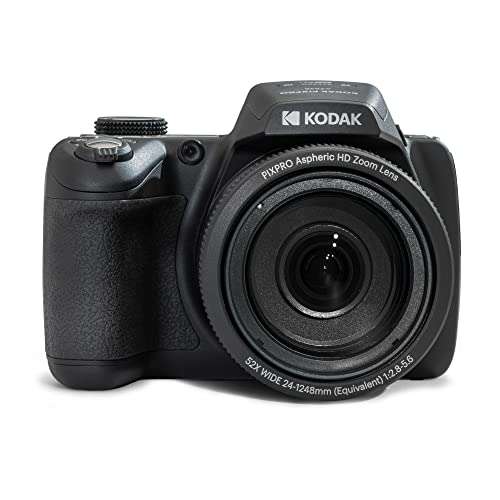
At about $300 to $600 you are buying reach through a bridge camera with a long zoom or an older interchangeable body with a kit telephoto. Expect usable results on bright days, slower autofocus on crossing jets and small buffers that fill quickly. Weather sealing is rare here, so a rain cover becomes part of the kit. This tier suits airshow visitors who shoot a few weekends a year and value a light bag over the last degree of sharpness.
Midrange Tier: Where Most Aviation Shooters Land
Spending about $700 to $1,400 buys the combination this hobby runs on: a current APS C body, subject detection that recognises aircraft, and a telephoto zoom reaching about 400 mm or beyond. Buffers deepen, screens and finders improve, and sealing starts to appear. Most fence line regulars stop here because the next tier doubles the spend for gains that show mainly in poor light. If you shoot most weekends, aim your whole budget at this band rather than splitting it.
Premium Tier: What the Extra Money Actually Buys
At about $1,800 and upward the money buys full frame sensors, stacked sensor speed and autofocus that holds a banking fighter through clutter. Burst rates climb past twenty frames per second with buffers to match, and bodies shrug off rain that ends a cheaper camera day. The lenses at this level cost as much as whole midrange kits, which is the real commitment. Choose this tier when you shoot in dim light often or sell images, not for occasional bright airshows.
Features Worth Paying For (and Ones to Skip)
Ranked by what they do for aircraft, these are the features that justify their price for the best cameras for aviation photography, and the ones that do not.
Reach and Burst Come First
Aviation subjects are fast and distant, so reach and burst depth outrank every other body feature on the box. Reach means a lens that frames a jet at display distance, usually an effective 400 mm to 600 mm. Burst means a buffer that keeps firing through a pass, not just a headline rate. Treat maker speed and buffer figures as best case numbers gathered in ideal light, and weight real buffer depth over a faster rate that stalls after a second.
Sensor Size and Image Quality
APS C sensors dominate this niche because their crop multiplies lens reach, which is free telephoto for distant subjects. Full frame sensors gather more light, yet heavy cropping throws away part of that size advantage when the subject stays small in the frame. Megapixel count matters here mainly as cropping room: a dense sensor lets you trim a frame and still print it. Judge high ISO samples at the settings you would use on a grey morning, not at base ISO in sunshine.
Light and Dynamic Range at the Airfield
Airshow light is harsh light: white fuselages against dark tarmac, jets crossing from shadow into glare within one pass. Wide dynamic range is what holds detail at both ends of that swing, so read the range figures honestly rather than chasing the biggest number. Expose for the highlights and let the shadows sit deep, because a blown sky cannot be recovered in editing. A histogram you can see in the finder is worth more here than an extra stop of claimed range.
Durability and Weather Sealing
Airfields are dusty, windy places where weather turns mid display. Sealed bodies and lenses keep grit out of the dials and let you shoot through a shower instead of sheltering. Sealing is not a guarantee: it resists splashes, not submersion, and it only works when the lens is sealed too. At budget tiers a simple rain cover closes most of the gap for a few dollars, which is why sealing ranks below reach in this list.
Video Capabilities
Video earns its money if you film displays as well as photograph them. Look for 4K at frame rates that slow a propeller arc gracefully, a microphone input for commentary, and autofocus that tracks without pulsing. A flip screen helps for low angles over the fence, though most aviation video is shot through the finder. If stills are your whole interest, skip paying for advanced video modes and put the saving toward lens reach.
Ease of Use for Your Skill Level
Controls you can work without lowering the camera matter when a display runs for ninety seconds. Back button focus, a joystick for moving the focus point and custom settings banks all repay learning. Newer shooters comparing best beginning photography cameras should still pick a body with these controls, because a season at the fence will teach exactly the skills they serve. Auto modes are a fine starting point, provided the body lets you override them quickly.
Choosing Cameras for Your Situation
Best Mirrorless Cameras for Aviation Photography
Mirrorless bodies lead this niche now because their finders show exposure as it will record and their subject detection locks onto aircraft shapes. The class to check is tracking through a whole pass, plus lens choice in long telephotos at sane prices. Electronic shutters bring silent, very fast bursts, with rolling shutter skew on fast pans as the trade to accept. For most buyers in the midrange tier, mirrorless is the default answer.
Starting Out at the Fence Line
A first season calls for a body you can grow with and one telephoto that reaches the display line. Borrowed or rented glass for a big show teaches more than an early upgrade, and a monopod steadies a long lens through a long day. Shooters weighing best cameras for starter photography should apply the same tier logic: buy into the midrange system you can afford to expand, rather than the cheapest body on the shelf.
Long Term Costs to Factor In
The body is rarely the largest spend over five years of this hobby. Long telephoto lenses, spare batteries, fast memory cards and a bag that fits the whole outfit all add up, and servicing a sealed body costs more than servicing a basic one. One older medium deserves a single mention: best film photography cameras belong to a different medium class altogether, bought for the look of film rather than for tracking jets, and their per roll costs make them a poor fit for high volume airshow work. Budget the system, not the box.
Frequently Asked Questions
What features matter most in cameras for aviation photography?
Reach and autofocus tracking matter most, because the subject is distant and moving for the whole pass. A deep buffer comes next, then a finder you can read in bright sun. One point the features section did not cover: a quiet electronic shutter helps at memorial flypasts and indoor museum shoots, where a loud mechanical shutter draws attention you may not want.
What specs matter most for beginners photographing aircraft?
Beginners should prize a simple control layout, dependable auto modes and a lens that reaches at least an effective 400 mm. Sensor size and burst depth can wait for a second season. A practical extra: choose a body whose menus you can reset fully, because borrowed settings from tutorials are the most common cause of mysteriously poor first results at the fence.
How much should a first aviation camera setup cost?
A sensible first setup lands in the midrange band, about $700 to $1,400 for body and telephoto together. Spending less usually means giving up reach or tracking that the subject demands. Keep a small reserve after the purchase, because the first season always reveals one missing item, most often a faster memory card or a second battery, and buying it mid season beats losing a display day.
Is a smartphone enough for photographing aircraft?
A smartphone is enough for static aircraft on the ramp and for crowd scenes, where its wide lens and instant sharing shine. It falls short on flying displays, where digital zoom crops away the detail that makes the shot. A bridge camera is the honest middle step for phone owners, since it adds real optical reach without the cost of a full interchangeable system.
Which camera type handles low light best for aviation work?
A full frame mirrorless body handles low light best, gathering more light per pixel and holding detail at high ISO settings. The catch for aviation is reach: the same lens frames wider, so you may crop and give back part of the advantage. For dawn patrol shoots and hangar tours the trade is worth it, while bright display work still favours the crop sensor bodies.
How much lens reach do aviation photographers actually need?
Most display work sits between an effective 400 mm and 600 mm, which frames a single jet through a pass from a typical crowd line. Static and taxiing aircraft need far less, often a standard zoom. Judge your home airfield before buying, because a long runway setback can push you to the top of that range, while a small grass strip may never ask for more than 300 mm.
The Bottom Line
Buy reach first, tracking second and everything else after that, and let the tiers above set the budget rather than the badge. The product table above shows the current field lined up by price, ready to check against your own airfield and season. Chosen that way, the best cameras for aviation photography become a tool matched to your displays instead of a spec sheet you hope will fit. Prices and availability can change, so check the product page before ordering.


