Best Aviation Cameras for Every Need in 2026: How to Pick the Right One
Disclosure: We may earn a commission when you buy through links on this page, at no extra cost to you. As an Amazon Associate I earn from qualifying purchases. Learn more

A guide to the best aviation cameras that matches features to real flying and spotting uses, so you avoid overpaying and get the right fit the first time.
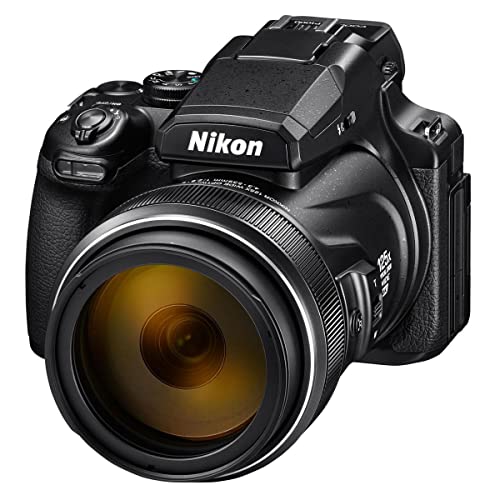
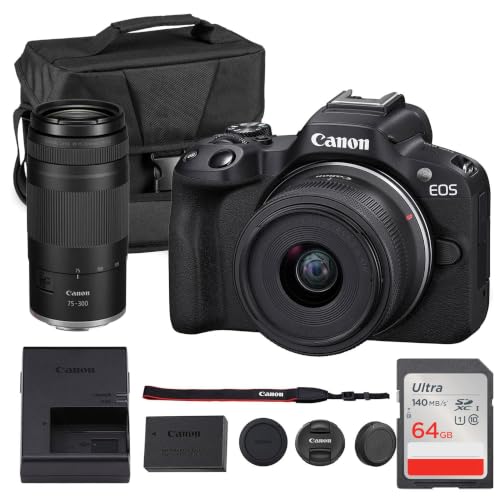
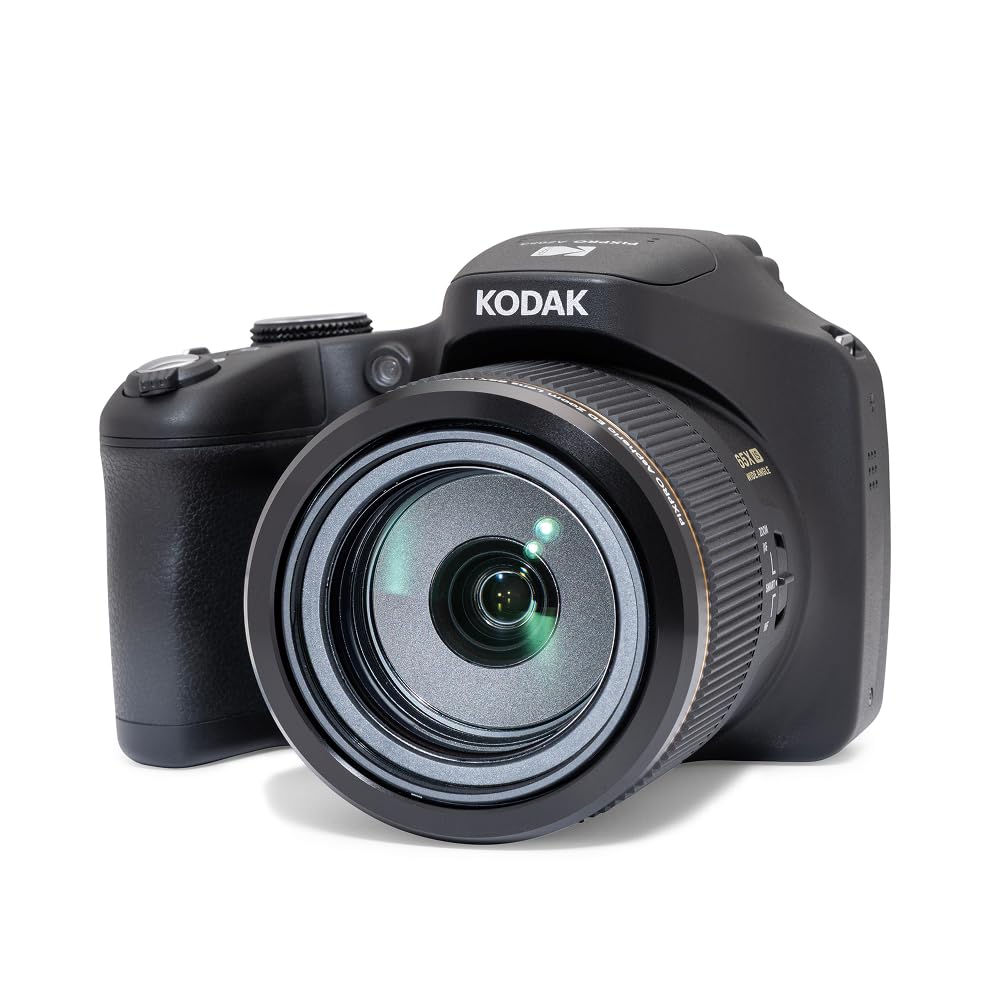
There is no single camera that suits every kind of flying. A spotter tracking jets from a fence line needs long reach, while a student pilot needs a small camera that records a lesson without getting in the way. The best aviation cameras match your aircraft, your distance and your light, so use the comparison table below to check each model against your own flying first.
Start by naming your main job. Decide whether you shoot still photos, video, or both, and whether your subject sits on a ramp, passes at an airshow, or shares a cockpit with you. Those answers point you to the right sensor, lens reach and mount.




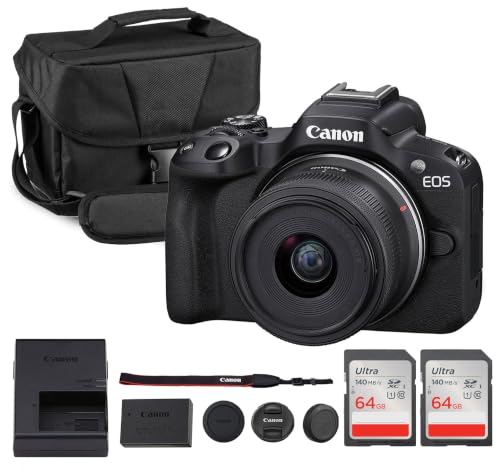
Who Should Buy Which Aviation Cameras?
Your usual viewpoint shapes everything else. A camera that feels perfect at an airshow may be a poor choice inside a small training aircraft, where space, vibration and loose gear all matter.
Plane Spotters and Airshow Photographers
You shoot aircraft from a distance, often in bright sun, and your subject rarely sits still. Prioritize long telephoto reach, fast autofocus tracking and a burst rate that keeps up during a takeoff roll or a low pass. A larger grip helps during long sessions at the fence. If this is your main interest, see our guide to the best cameras for aviation photography for more on stills technique.
Pilots and Flight Students Recording Lessons
You need a camera that stays out of the way and captures the panel, the view ahead and the sound of the lesson. Choose a compact body or an action camera with a wide lens, a secure mount and an audio input for intercom recording where your school allows it. Simple controls matter, because your attention belongs on flying, and the setup must stay fixed so nothing can fall toward the controls.
Travelers and Aviation Content Creators
You film departures, cabin views and airport days, and you carry your camera through terminals all day. A compact body with strong video, good stabilization and a flip screen suits window views and walking shots. Weight matters more than maximum reach for you. If you are buying your first dedicated camera, see our guide to the best starter cameras for a gentler starting point.
Key Features of the Best Aviation Cameras
Read spec sheets through your flying, not through headline numbers. The best aviation cameras earn their place with reach, tracking and sound, and a model that leads on paper can still miss your shot.
Telephoto Reach and Optical Zoom for Distant Aircraft
Reach decides whether an airliner fills your frame or shrinks into the sky. Lenses in the 100 to 400 mm range suit most spotting locations, while focal lengths near 600 mm help at large airports with distant runways. Optical zoom keeps detail as you zoom in, and digital zoom only enlarges pixels, so judge a camera by its lens rather than its zoom marketing. Choose reach for the distance you shoot most, not the longest distance you can imagine.
Sensor Size and Image Quality in Changing Light
Sensor size shapes how clean your images look at dawn, at dusk and under hangar lights. A 1 inch sensor keeps a compact camera easy to carry and still records pleasing video. APS C sensors gather more light and give cleaner files when you raise sensitivity, and full frame sensors offer the most headroom for cropping distant aircraft. Megapixel count matters less than many buyers expect.
Autofocus Tracking for Fast Moving Aircraft
An aircraft on final approach closes distance quickly, and focus must follow it without hunting. Look for subject detection that can lock onto vehicles or aircraft shapes, plus a continuous focus mode that updates as the subject moves toward you. A deep buffer matters for stills, because a camera that pauses after a short burst can miss the touchdown.
Stabilization for Handheld Shooting and Cockpit Vibration
Stabilization steadies the small shakes that long lenses magnify and the vibration that aircraft add. Lens stabilization helps most at long focal lengths, where even a slight movement swings the frame. In body stabilization helps with wide cockpit views and walking shots around a ramp. Neither system freezes a moving aircraft, so shutter speed still does that job.
Video Quality, Audio Inputs and Heat in the Cockpit
Many aviation buyers record as much video as stills. 4K video gives room to crop a takeoff shot in editing, and higher frame rates smooth fast passes when you slow them down. A microphone input matters more than many expect, because clear intercom audio turns plain cockpit footage into a useful lesson record. Check heat limits before long flights, since a camera that stops recording in a sunny cockpit fails at the worst moment.
Size, Weight and Battery Life on Long Spotting Days
A heavy kit changes how long you stay at the airport. A large body and a long lens can tire your arms during a full day of arrivals, and they take more room in a carry on bag. Battery life varies widely, so check the rated shots per charge and plan a spare for events. USB C charging helps travelers top up between flights. If you compare broader options, see our guide to the best digital cameras for how sizes differ.
Camera Types Compared for Aviation Use
Interchangeable lens cameras give you the widest choice of telephoto lenses and the best tracking, at the cost of size and total price once you add a lens. Compact superzoom cameras put a very long lens in one lighter body, which suits travelers and casual spotters, though their smaller sensors struggle more at dusk. Action cameras mount easily in cockpits and capture the whole scene, but their wide view makes distant aircraft look small.
Mounting deserves the same care as the camera itself. In a cockpit, secure any camera so it cannot come loose, keep it clear of controls and yokes, and follow the rules of your flight school, operator or aircraft owner before you record. Some flights restrict recording, so ask first.
Common Mistakes to Avoid
Most regrets come from buying for the wrong distance or job.
- Buying by megapixel count alone leaves you with plenty of pixels and too little lens reach for distant runways.
- Choosing a huge telephoto lens for cockpit video makes the view cramped and leaves the panel outside the frame.
- Mounting a camera loosely in an aircraft risks it falling toward the controls when turbulence arrives.
- Ignoring audio inputs gives you silent cockpit footage that cannot teach you much after the lesson.
- Skipping a spare battery ends your recording during the one arrival or departure you came to capture.
Care and Maintenance for Aviation Cameras
Airfields are dusty places, and grit is hard on lenses and sensor glass. Wipe the front element with a clean lens cloth rather than your shirt, because fabric can drag grit across the coating. Use a blower before you wipe, and change lenses with the camera facing down and your back to the wind. A dry, padded bag protects the body between outings.
Care for power and storage as part of the same routine. Carry a spare battery in a case rather than loose in a pocket, and format cards in the camera after you have backed up your files. Store the camera away from heat in a parked car.
Frequently Asked Questions
What focal length do aviation cameras need for plane spotting?
Most spotters work well with about 100 to 400 mm, and large airports may call for more. Your distance from the fence or viewing area decides the number, so a spotter close to a runway needs far less reach than one across a wide field. If you can only own one lens, choose the range that covers your home airport.
What specs matter most for beginners buying an aviation camera?
Beginners should put lens reach, autofocus tracking and simple menus ahead of sensor size bragging rights. A camera you understand will catch more aircraft than a complex one you fight with at the fence. Start with one versatile zoom lens, and learn how shutter speed shapes propeller blur. Our guide to the best cameras for photography explains the basic settings in plain terms.
Which aviation camera type handles low light best at dusk airshows?
An interchangeable lens camera with a larger sensor handles dusk best, because it keeps noise lower as sensitivity climbs. Pair it with the brightest lens you can carry, since lens aperture can matter as much as the sensor once light fades. Evening shows also reward steady technique, so brace your elbows and pan smoothly with the aircraft.
Is a smartphone enough instead of a dedicated aviation camera?
A smartphone is enough for window views, ramp walkarounds and casual clips you share the same day. It falls short when aircraft sit far away, because its small lens cannot gather the reach a telephoto lens gives you. Buy a dedicated model when distance, dusk light or cockpit audio becomes the limit you keep hitting.
How much should I spend on my first aviation camera?
Most first time buyers do well in the range of about $400 to $1,000 for a body with a useful zoom lens. Spend the larger share on the lens if spotting is your goal, because reach shapes your results more than small body upgrades. Leave room in the budget for a spare battery, a padded bag and a memory card.
Can an aviation camera record cockpit intercom and radio audio?
Yes, many can, if the camera has a microphone input and you use an adapter cable made for aircraft headsets. That cable feeds intercom audio into the camera while your headset keeps working as normal. Test the levels on the ground first, and confirm that your school or operator allows recording before you rely on the footage for lesson review.
The Bottom Line
Match the camera to your viewpoint first. Spotters need reach and tracking, pilots need a small secured camera with clear audio, and travelers need light weight and steady video. Sensor size, battery life and heat limits then refine the choice, and price should come last.
Compare the best aviation cameras in the product table above against those needs, and pick the simplest kit that covers your flying. A camera that fits your routine will be in your bag when a rare aircraft visits.