
Best Cameras for 9 Year Olds by Budget: How Each Price Tier Compares for 2026
Disclosure: We may earn a commission when you buy through links on this page, at no extra cost to you. As an Amazon Associate I earn from qualifying purchases. Learn more

Compare the best cameras for 9 year olds by budget, with the durability, simple controls, zoom and running costs that matter most at this age, tier by tier.
A first real camera for a child can cost about $30 or about $300, and both shelves are full of boxes that promise more than they deliver. The trick is knowing which features a nine year old will actually use, and which ones only raise the price. This guide sorts the best cameras for 9 year olds by budget, starting with the types that survive playground life.
At nine, hands are steadier and patience runs longer than at five or six, so a child can manage a real zoom lens and a short menu. The drop rate has not changed, which is why toughness still leads every tier. The comparison table below gathers the current options in one place.





Camera Types That Suit a Nine Year Old
Tough Compacts Built to Survive Drops
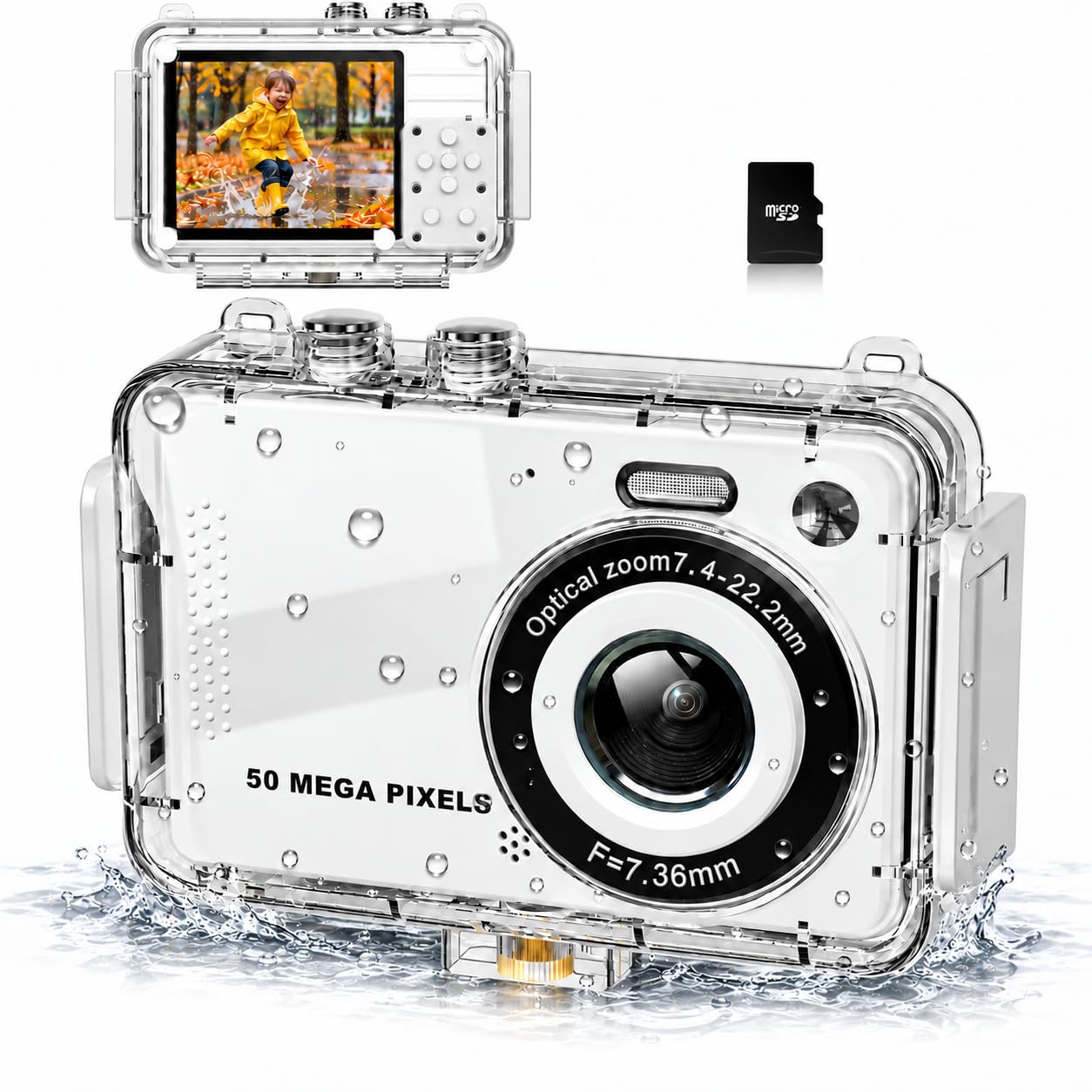
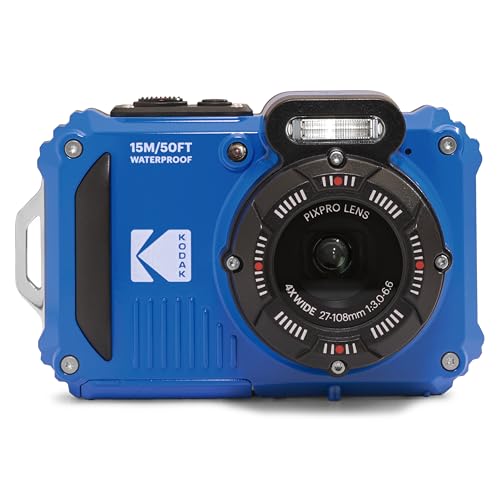
How a camera handles a drop governs whether it still works at the end of the school year. Look for a body rated to survive falls of about 5 to 6 feet onto a hard floor, with thick corner bumpers. A wrist strap matters as much as the shell, because a strap caught on the wrist stops the fall before it starts. Water resistance matters too, since missed drops often land in puddles or the shallow end of a pool.
Simple Point and Shoot Cameras
Simple controls govern whether a child uses the camera or abandons it in a drawer. The right layout is one large shutter button, a short menu with picture icons, and an automatic mode that handles focus and exposure without asking questions. A zoom lever beside the shutter beats a pair of small buttons, because small fingers can work it without looking down. Children of four or five need even less, as the sealed two button designs in our guides to the best cameras for 5 year olds and the best cameras for 4 year olds show.
Instant Print Cameras
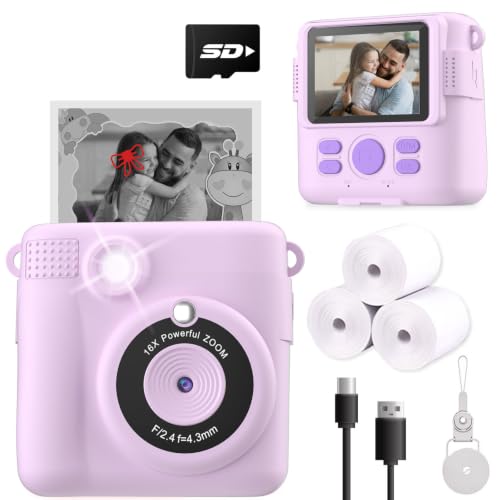
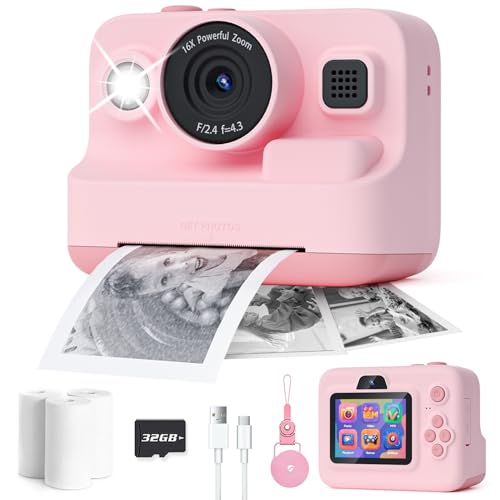
An instant print camera turns every press of the shutter into a paper photo in about a minute, a powerful reward at this age. The camera is often the cheapest part of this class, because paper governs the real cost: about $10 to $15 for each pack of roughly ten prints. A keen photographer can spend the price of the camera again within months. Prints are small and quality modest, but for sharing with friends and covering a bedroom wall, nothing else comes close.
What Your Money Gets You at Each Price Tier
Budget Tier: What to Expect
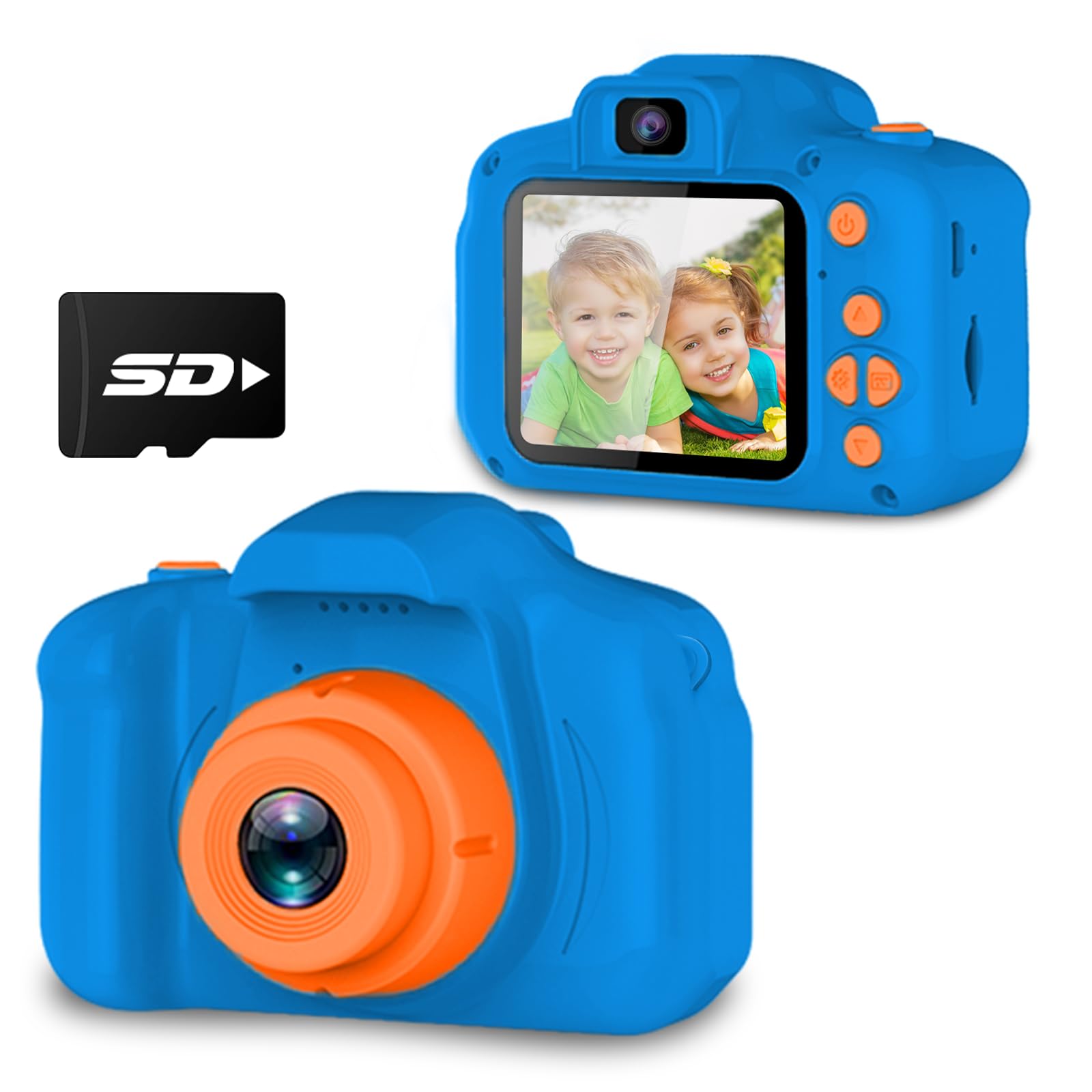
At about $30 to $70, expect a basic digital camera with a small sensor, a fixed or short zoom lens, and photo quality that looks fine on a screen and soft in a print. Many boxes at this level advertise huge megapixel counts that the tiny sensor cannot support, so judge by the sample photos in the listing instead. This tier suits a first taste of photography, and a tough shell matters most here, since a gentle budget body rarely survives a term of school bag travel. For a child a year younger, see our guide to the best cameras for 8 year olds for simpler sealed designs.
Midrange Tier: The Sweet Spot for Most Buyers
At about $70 to $150, cameras become genuinely capable: a larger sensor, a real optical zoom of about 3x to 5x, and steadier autofocus that keeps moving friends and pets sharp. Tough and waterproof models cluster in this tier, which is why it suits most nine year olds. Battery life improves too, with a few hundred shots per charge instead of a set of disposable batteries drained in one weekend.
Premium Tier: When Spending More Pays Off
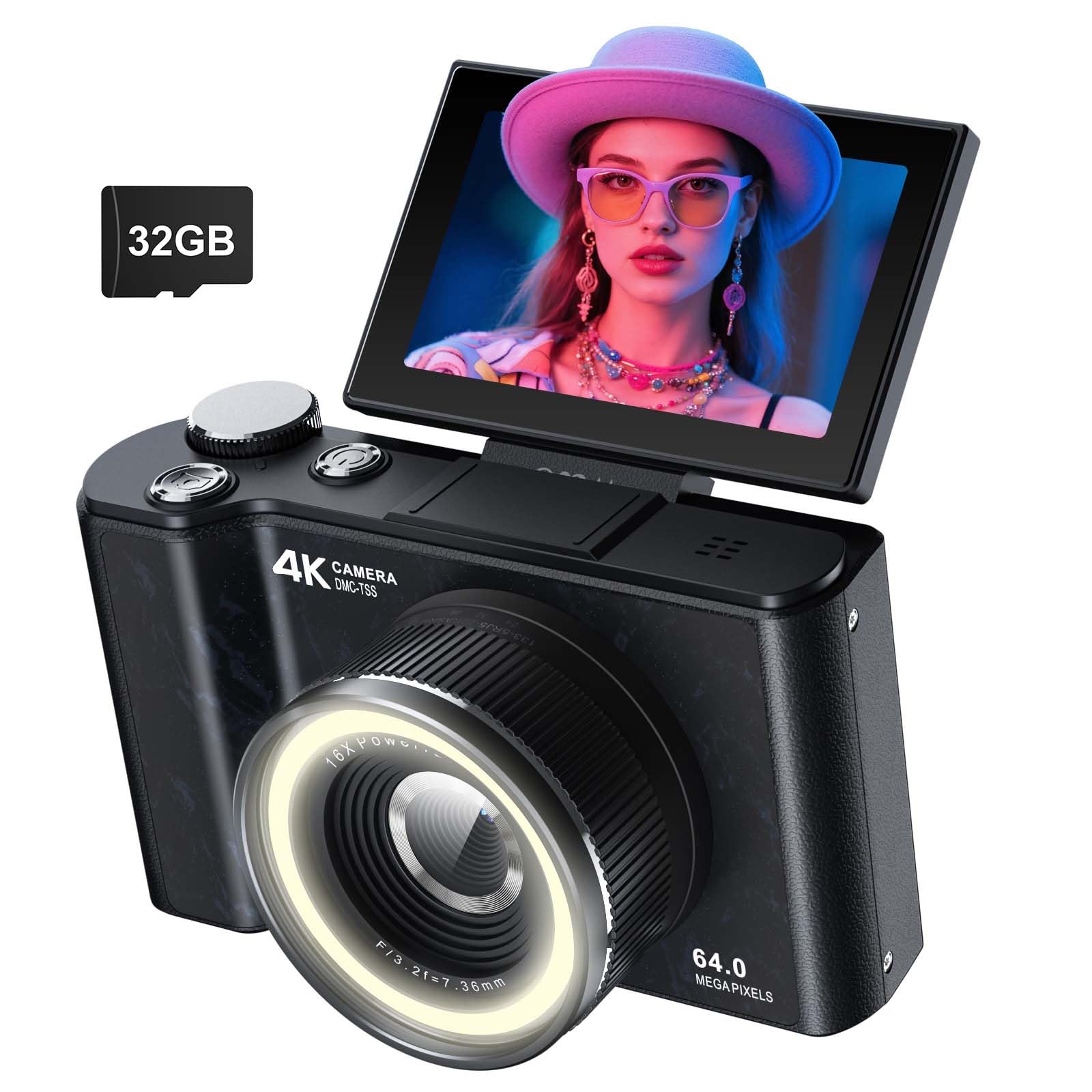
At about $150 to $300, the gains are cleaner images in dim light, 4K video, and action style bodies that shrug off water to about 30 feet. This tier pays off for a child who already fills memory cards and asks for more control. It is wasted money for a child who shoots twice a month, because the extra quality only shows when the camera leaves the house often. A child close to ten who already shoots on a family camera may be ready for the larger sensors covered in our guide to the best cameras for 10 year olds.
Features Worth Paying For (and Ones to Skip)
Battery Life and Charging
Count shots per charge rather than hours of use, and treat about 200 to 300 shots as a healthy figure for this class. A rechargeable battery that charges over USB is the cheaper long term choice, because it can top up from a power bank in the car. Cameras that run on disposable batteries look cheaper on the shelf, then cost about $5 to $10 every few weekends in replacements. A low battery warning on screen helps too, since a flat battery mid outing is the top complaint at this age.
Features That Matter for 9 Year Olds
Fit in the hand governs more good photos than any line on a spec sheet. A camera for this age should weigh roughly 100 to 200 grams, light enough for a neck strap and heavy enough to hold steady. Two strap lugs, one on each side, spread the weight better than a single corner loop. A bright rear screen of about 2.7 to 3 inches stays readable in sunlight, where most children take their pictures, and grip texture on the front helps small fingers hold on with wet or sandy hands.
Autofocus and Stabilization
Children rarely stand still, and neither do their subjects, so autofocus speed decides how many shots land sharp. Face detection is worth paying for, because it locks onto a friend across the playground without the child hunting through menus. Image stabilization steadies small hand shake, which matters most at full zoom on gray days. Skip any camera that advertises digital zoom as a headline feature, since it only crops the picture and throws detail away.
Sensor Size and Image Quality
Megapixel counts are the weakest guide to quality: a small sensor with many megapixels collects little light and turns grainy indoors. Sensor size is the honest measure: most cameras in this class use small sensors suited to daylight, while premium models step up to larger ones that hold up under birthday party lighting. For prints up to about 5 by 7 inches and for sharing on a family screen, even the midrange tier has plenty of resolution.
Extras That Are Not Worth Paying For
Games loaded onto the camera, cartoon frames, and voice changing effects add price and drain the battery while teaching nothing about photography. Bundled kits with a dozen plastic accessories usually include a flimsy case and strap worth less than the box they arrived in, so spend that money on a memory card and a hard case instead. Zoom numbers above about 10x also disappoint at this age, because small hands cannot hold them steady.
Long Term Costs to Factor In
Budget about $10 to $20 for a memory card, plus paper money for every month an instant print hobby stays alive. A hard case at about $10 to $25 is the cheapest insurance against the one drop the bumpers miss. Cameras with companion apps need an adult account, so a parent should handle setup, passwords, and sharing, and photos of other children should only be shared with their parents' OK. A short warranty that covers accidents is worth more at this age than a longer warranty that covers defects only.
Frequently Asked Questions
What features matter most in a camera for a 9 year old?
Durability, simple controls, and a strap matter most, ahead of any specification. One factor buyers often miss is start up speed: a camera that wakes and focuses in about a second catches the moment, while a slow camera misses the goal, the splash, or the dog mid jump. Check for an automatic lens cover too, since it is one less small part to break or lose.
Is a smartphone enough instead of a camera for a 9 year old?
A handed down smartphone takes fine photos, but it also brings games, messages, and the internet along on every outing. A plain camera does one job, costs far less to replace after a drop, and keeps photography separate from screen time. A tablet is a screen first device rather than a camera at all, and families comparing that route can look at the best tablets for 9 year olds as a separate purchase.
What does optical zoom mean on a camera for a 9 year old?
Optical zoom means the lens itself moves to bring a scene closer, so a 3x zoom makes a subject look about three times nearer without losing detail. It is the only kind of zoom worth paying for. Digital zoom simply enlarges the middle of the picture, and the result turns blocky very fast. If a zoom figure sounds huge on a cheap camera, it is almost certainly digital, and the true optical figure will be printed much smaller on the box.
How much should I spend on a first camera for a 9 year old?
About $70 to $150 covers the sweet spot for most children, buying a real sensor, a short optical zoom, and a body that can survive a fall. Spending less makes sense only as a trial for a child who may lose interest within a month. One cost saving route is the camera a sibling has outgrown, as long as the battery still holds a charge and the lens is free of scratches, since a scratched lens softens every photo it takes.
Can a 9 year old use a waterproof camera in a pool?
Yes, as long as the depth rating covers the pool and an adult checks the battery door seal before the swim. Ratings of about 10 to 30 feet cover pools and shallow water play with room to spare. Rinse the camera in fresh water afterward, because chlorine and salt dry out the seals that keep water out. Waterproof never means free of supervision, so usual pool rules and an adult nearby still apply.
Wrapping Up
Match the camera to the child rather than to the spec sheet: toughness first, simple controls second, and image quality third. The midrange tier serves most nine year olds well, and the money saved against the premium shelf buys the card, case, and paper the hobby actually consumes. Whichever tier you choose from the best cameras for 9 year olds, the product table above shows the current options side by side.


