
Best Cameras for 4 Year Olds: Everything to Know Before Your First Purchase for 2026
Disclosure: We may earn a commission when you buy through links on this page, at no extra cost to you. As an Amazon Associate I earn from qualifying purchases. Learn more

A first time buyer guide to cameras for 4 year olds, covering simple controls, durability, size, battery life and safety, so parents can choose with confidence.
Buying a camera for a young child is different from buying one for an adult, since small hands, short attention spans and frequent drops all matter. This guide to best cameras for 4 year olds explains the basics in plain English, so you can focus on simple controls, tough build and safe use. Use the comparison table below to see how the main choices differ before you look at details.
A good first camera should invite play and curiosity without frustrating a child. Big buttons, a clear screen and a light body matter more than advanced settings, and a camera that survives bumps will get used far more than a delicate one kept on a shelf.

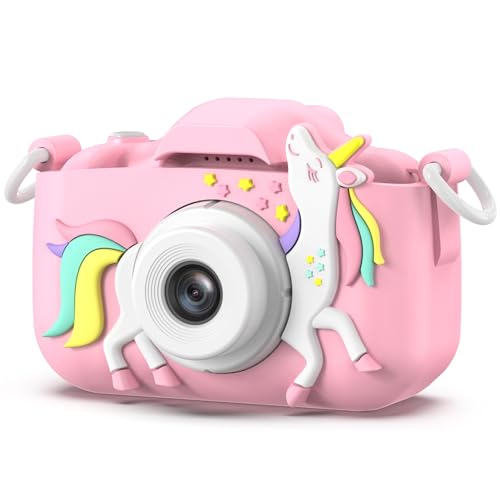

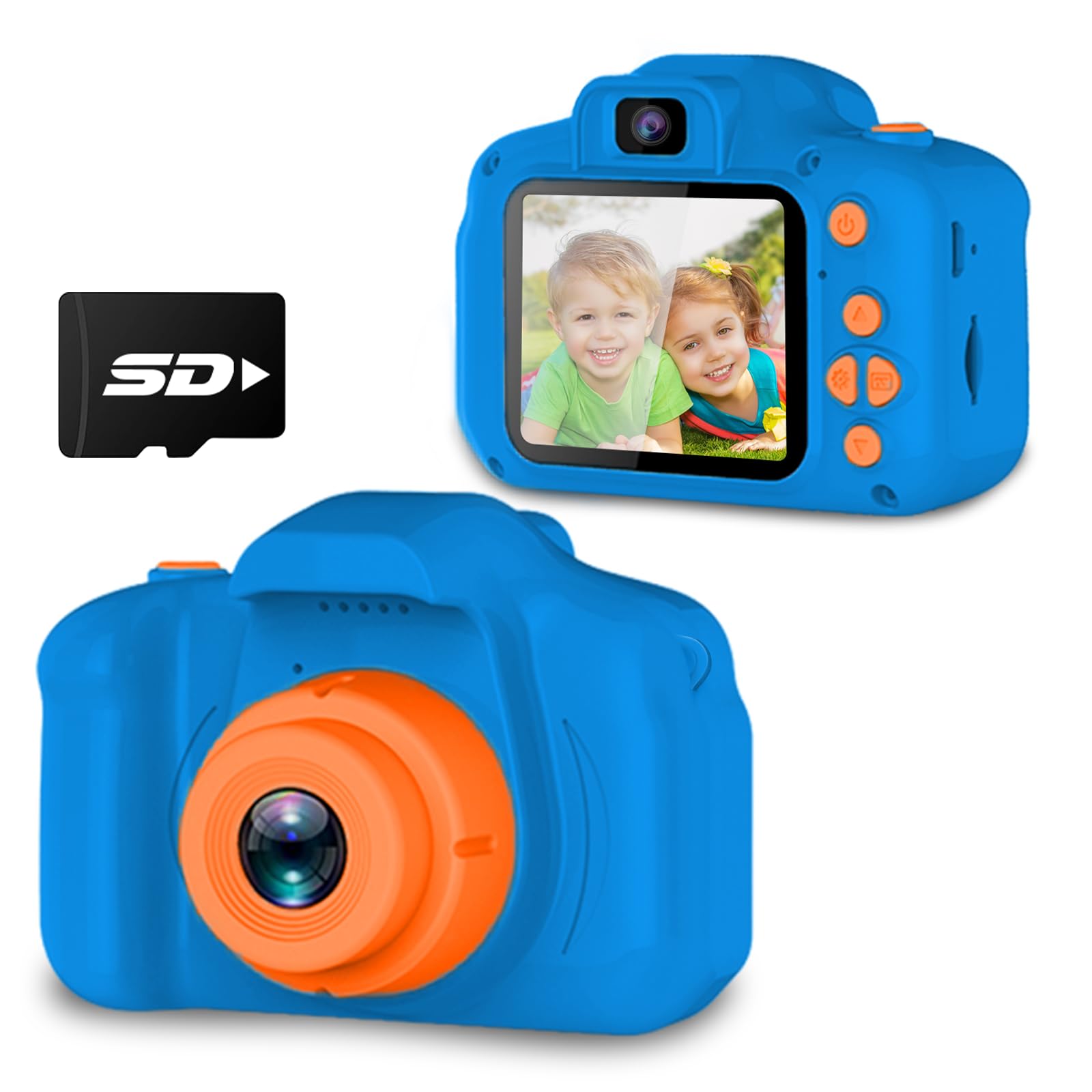

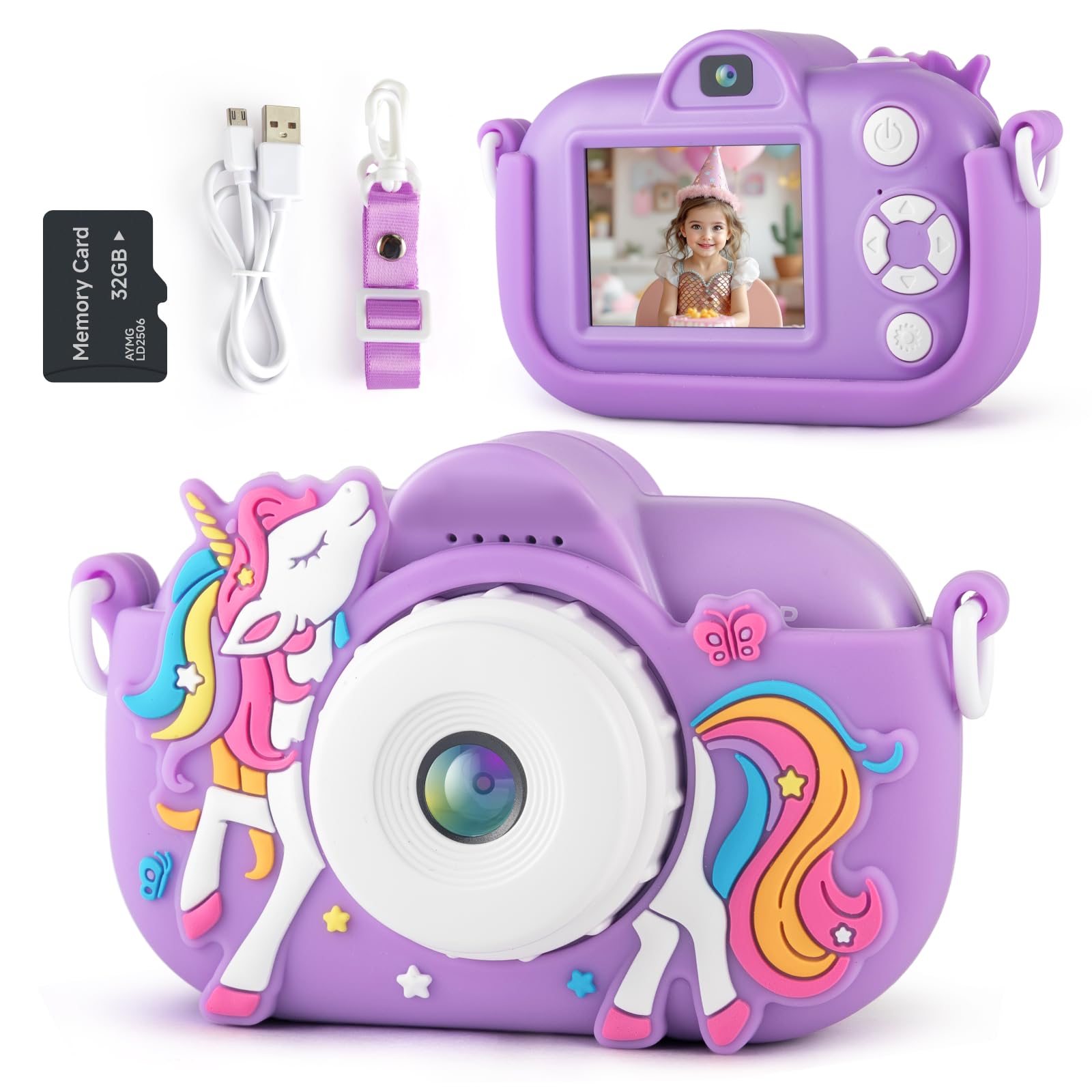


Cameras 101: The Basics
A camera captures light through a lens and records it as a photo or video. For a young child, the key parts are the shutter button, the screen or viewfinder, the lens, the battery and the memory card. A simple camera hides most settings behind automatic modes, so a child can point, press and see a result right away. That instant feedback is what keeps early photography fun and encourages a child to try again.
Parents should think about where the camera will be used. Indoor play, garden adventures and family outings each place different demands on size, battery life and toughness. A camera meant mainly for home use can be lighter and simpler, while one taken outdoors benefits from a grippy body, a wrist strap used under supervision, and a case that protects it from dust and light rain.
Viewing photos together is part of the fun, so look for a screen that is bright enough to share indoors and outdoors. A child who can review a photo right away learns what worked, such as stepping closer or waiting for a smile. Parents can then save favorites and delete blurry shots together, which keeps the memory card ready for the next round of play. Keep early sessions short so the camera stays a treat rather than a chore.
Key Specs Explained in Plain English
Spec sheets can look confusing, but only a few specs truly matter for a first camera for a young child. The sections below translate each one into what it means in everyday use.
Features That Matter for 4 Year Olds
For 4 year olds, simple controls matter most. Look for a large shutter button, few menus, a bright screen and a body a small hand can hold securely. Fun extras such as filters and frames can add delight, but they should never hide the basic photo button. A camera with a clear on and off switch also helps a child learn the routine of starting, shooting and putting the camera away.
Sensor Size and Image Quality
The sensor is the part that records light, and a larger sensor usually captures cleaner photos in dim rooms. For a young child, however, sensor size matters less than ease of use and good automatic exposure. Megapixel count alone does not guarantee a good photo, since lens quality, focus and lighting matter just as much. Judge image quality by bright, clear sample photos in normal light rather than by the biggest number on the box.
Ease of Use for Your Skill Level
Auto modes do most of the work in a child friendly camera, adjusting focus and brightness without menus. Look for a camera that turns on quickly, focuses with one press and shows the photo at once. App transfer can be handy for parents who want to save photos, but it should be an optional extra, not a step a child must complete before taking a picture.
Lens and Zoom Range
The lens controls how wide a scene looks and how close a distant subject appears. A modest optical zoom, where the lens itself moves, keeps photos sharper than a digital zoom that simply crops the image. For a young child, a wide to short zoom range is easier to use than a long zoom, since it is simpler to frame pets, toys and family members without hunting for the subject.
Low Light Performance
Low light performance describes how well a camera handles dim rooms and evening play. A wider lens aperture lets in more light, and a higher ISO setting makes the sensor more sensitive, though very high ISO can add grain. For a child, the practical test is simple: does an indoor photo look bright and clear without a harsh flash? If indoor shots look dark or blurry, the camera may struggle in everyday home light.
Video Capabilities
Video lets a child record songs, stories and play, so check whether video starts with one clear button press. A flip screen can help a child see themselves while recording, and a built in microphone should pick up voices at normal speaking distance. Very high resolution video is not essential for a first camera, since it fills memory faster and can make files harder for parents to share and store.
Rookie Mistakes to Avoid
- Choosing the most advanced camera, which can overwhelm a child with menus and settings.
- Ignoring size and weight, so a camera that looks good on paper feels too big for small hands.
- Forgetting a spare battery or charger, which can end a fun outing early.
- Skipping a protective case, leaving the lens and screen exposed to drops and scratches.
- Letting a child use the camera unsupervised near water, stairs or busy roads.
Getting Started: Setup and First Use
Start by charging the battery fully and inserting a memory card, following the maker guide for your camera. Show your child how to hold the camera with both hands, press the shutter gently and wait for the photo to appear. Use a lens cloth, not a shirt, to clean the lens, and carry a spare battery for longer outings so play does not stop suddenly.
Before first use, check the maker age guidance and inspect the camera for small parts, loose covers or a battery door that a child could open. Keep small accessories, memory cards and spare batteries out of reach when not in use, and supervise play closely. A short first session at home helps a child learn the buttons in a calm setting before taking the camera on a busy outing.
Plan a first photo walk around the garden or a quiet park, with a clear task such as photographing three colors or three animals. Short tasks keep attention focused and give a child a sense of success when the walk ends. End the session by looking at the photos together and praising effort, not just sharpness, so the child wants to try again.
Frequently Asked Questions
What Features Matter Most in Cameras for 4 Year Olds?
Simple controls, a tough body and a light weight matter most in cameras for 4 year olds. Big buttons, automatic focus and a clear screen help a child succeed without adult help at every step. Durability matters too, since drops are likely, and a camera with a simple menu keeps frustration low. Fun filters are a bonus, but they should never replace easy shooting as the main goal.
What Do Zoom Numbers Mean on a Camera for a 4 Year Old?
Zoom numbers describe how much closer a lens can bring a distant subject, with optical zoom using the lens itself and digital zoom cropping the image. Optical zoom keeps photos sharper, while heavy digital zoom can make images soft and grainy. For a young child, a short optical zoom is easier to use, since framing stays simple and the subject is less likely to be lost while zooming in and out.
Which Camera Is Better for Low Light for a 4 Year Old?
A camera with a wider aperture, good automatic exposure and a gentle flash usually works better for low light for a 4 year old. Try indoor photos in a normal living room rather than trusting a spec number alone. If faces look bright and clear without harsh shadows, the camera handles home light well. Avoid cameras that need manual ISO changes for every indoor shot, since that adds complexity a young child does not need.
What Specs Matter Most for a Beginner Camera for a 4 Year Old?
For a beginner camera for a 4 year old, ease of use, battery life, durability and a clear screen matter more than megapixels or advanced video modes. Automatic focus and exposure should handle most scenes, and a light body should fit small hands comfortably. Memory card size and simple photo transfer matter for parents, since they decide how many photos a child can take before the camera needs attention.
How Much Should I Spend on My First Camera for a 4 Year Old?
For a first camera for a 4 year old, a modest budget usually makes sense, since the camera may be dropped, lost or outgrown as interests change. Spend enough for a tough body, simple controls and decent indoor photos, but avoid paying for advanced lenses or manual controls a young child will not use. A protective case and a spare battery are often better extra purchases than a more expensive camera body.
Our Verdict
Start with a simple, tough and light camera that a child can operate with little help, then add a case and a spare battery. Check the maker age guidance, supervise use and keep small parts out of reach, so early photography stays safe and fun. Review the product table above and choose the best cameras for 4 year olds for your child and your budget.
As children grow, their needs change quickly, so it can help to see how older age groups are covered. See our guide to best cameras for 5 year olds for the next step up, and see our guide to best cameras for 3 year olds if you are shopping for a younger sibling. For later years, see our guide to best cameras for 8 year olds and see our guide to best cameras for 10 year olds.


