
Best Cameras for 8 Year Olds: What Actually Matters Before You Buy in 2026
Disclosure: We may earn a commission when you buy through links on this page, at no extra cost to you. As an Amazon Associate I earn from qualifying purchases. Learn more

A plain English checklist for choosing a camera for an 8 year old, covering size, simple controls, toughness, battery life, and the specs that matter most.
Shopping for best cameras for 8 year olds starts with a simple question: will a child actually enjoy using it, or will it sit in a drawer after the first week? An 8 year old needs a camera that is easy to hold, simple to operate, and tough enough to survive drops, dust, and days out. Fancy specs matter far less than size, weight, clear buttons, and a screen that is easy to see outdoors.
The comparison table below sums up the main camera styles for this age group, and the checklist sections that follow explain each factor in plain English. Use them to judge cameras on handling and durability first, then on image quality and video features. A camera that a child can carry, switch on, and shoot with confidence will take far better photos than a complex model that stays at home.


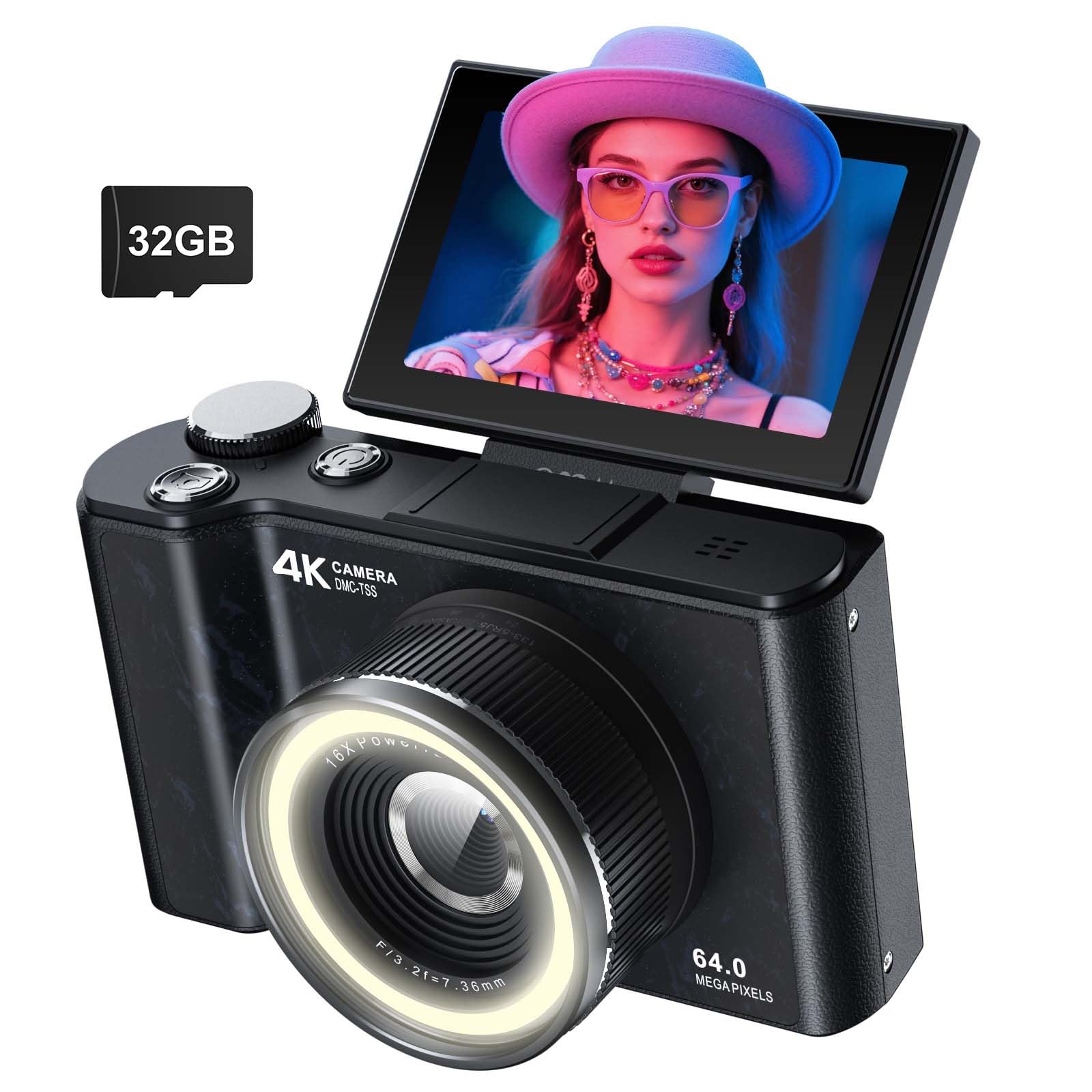
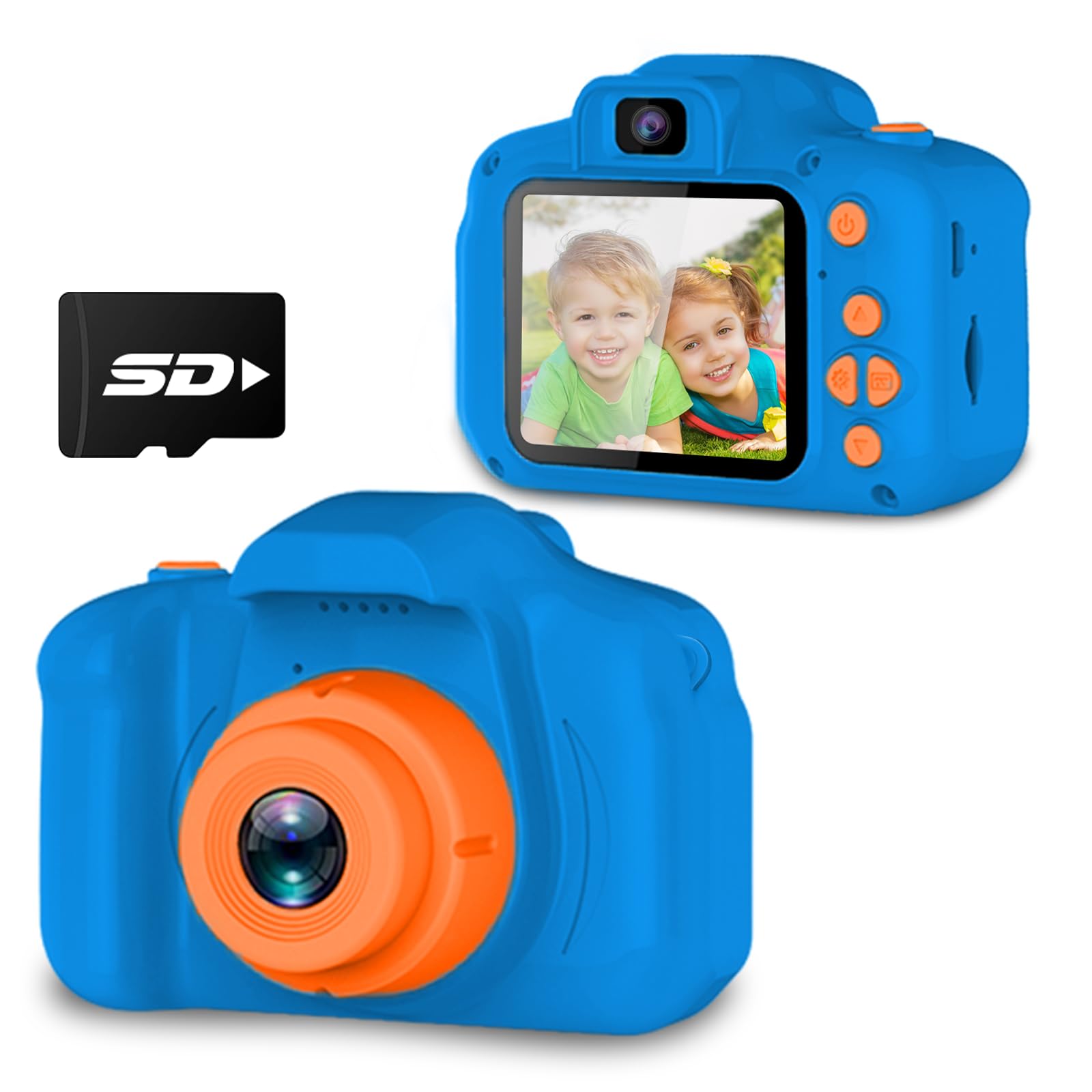

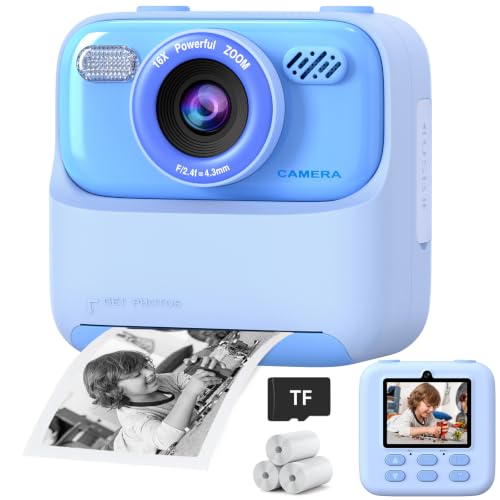
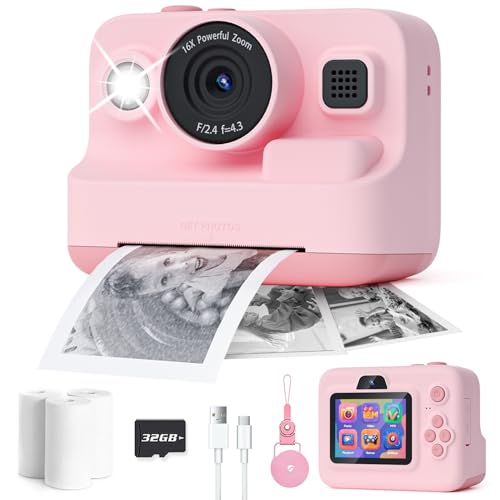


Key Features to Compare
Work through these factors in order, starting with size and ease of use. A camera that passes the handling checks is worth considering even when its sensor is modest, because an 8 year old learns by taking lots of photos, not by studying settings menus.
Features That Matter for 8 Year Olds
An 8 year old has smaller hands, shorter arms, and less patience for menus than an adult, so grip, weight, and button layout matter most. Look for a camera that fits one or two small hands comfortably, with a large shutter button that is easy to find without looking. Simple auto modes should handle exposure and focus, while a few scene choices, such as portrait or landscape, let a child experiment without confusion.
Check the strap too, since a wrist strap or neck strap prevents many drops. A camera that weighs about as much as a small water bottle is easier to carry on a walk than a heavy model with a large lens. Follow the maker age guidance, supervise younger children, and keep small parts such as lens caps and memory cards away from younger siblings. Families with older children can compare our guide to best cameras for 10 year olds for the next step up in size and controls.
Sensor Size and Image Quality
Sensor size affects how much light a camera gathers and how clean photos look indoors, but megapixel count alone tells you little. A modest sensor paired with a decent lens often beats a high megapixel sensor paired with a poor lens, especially in daylight. For an 8 year old, bright daylight photos and colorful outdoor scenes matter more than fine detail in dark rooms.
Judge image quality by sample photos when you can, and look for natural colors rather than oversaturated ones. Avoid cameras that promise huge zoom numbers through digital cropping, since that softens photos quickly. Optical zoom, which moves the lens itself, keeps photos sharper than digital zoom at the same range.
Low Light Performance
Low light performance decides whether indoor birthday photos look clear or grainy. Larger sensors and wider lens openings gather more light, so they tend to do better indoors, but a built in flash can help in a pinch. Teach a child to hold the camera steady and stand near a window or lamp for indoor shots.
Do not judge a camera by a single ISO number, since makers measure sensitivity differently. Instead, look for steady handling, a simple night or indoor mode, and a flash that does not wash out nearby faces.
Autofocus and Stabilization
Autofocus decides whether a moving pet or a running friend comes out sharp. Simple face detection helps a child keep people in focus without tapping a screen, while continuous focus helps with moving subjects. Stabilization reduces blur from shaky hands, which matters a lot for children who shoot while walking or excited.
Look for a camera that focuses quickly in daylight and does not hunt back and forth in dim rooms. Optical stabilization, built into the lens or body, works better than electronic stabilization alone, though either helps. A child who can half press the shutter, wait for the focus signal, then press fully will get sharper photos with almost any camera.
Durability and Weather Sealing
Durability matters more for an 8 year old than for most adult buyers, because cameras get dropped, bumped, and carried in bags full of snacks and stones. Look for a solid body, a recessed lens, and a screen cover or a case. Some cameras add water resistance or shock resistance, which suits beach trips, rainy walks, and playground adventures.
Weather sealing on child friendly cameras usually means splash resistance rather than full waterproofing, so check what the maker actually claims. A simple padded case and a wrist strap prevent more damage than any sealing rating. Teach a child to put the camera away before climbing or running, and to keep it out of sand and water unless the maker states it is safe to do so.
Ease of Use for Your Skill Level
Ease of use means a child can switch the camera on, take a photo, and review it without adult help. Menus should use clear icons and short labels, and the main shooting mode should sit one button press away. A camera that needs several menu steps to take a basic photo will frustrate a beginner quickly.
Simple transfer options help too, since children enjoy showing photos right away. Look for a camera that connects easily to a family tablet or computer, or one with a memory card that an adult can read. Keep a spare battery, and show a child how to check battery level before leaving home. Younger children need simpler controls still, as our guide to best cameras for 5 year olds explains.
Video Capabilities
Video matters to many 8 year olds, who enjoy filming pets, friends, and short skits. Smooth video at standard high definition looks good on a family screen and uses less storage than top end 4K video. A flip screen helps a child frame themselves, while a mic input matters only for older children.
Check how long the camera records on one charge and how much storage a minute of video uses, since video fills cards fast. A tripod mount or a small grip helps steady handheld clips. Keep clips short at first, and remind a child to ask permission before filming other people, especially in private places.
Spending Guidance Instead of Shortlists
Rather than naming single winners, use spending bands to judge value. Under about $100, look for simple point and shoot cameras with sturdy bodies, auto modes, and easy controls, and accept modest low light results. From about $100 to $250, you can expect better lenses, faster focus, and stronger build, which suits children who shoot often.
Above about $250, cameras add larger sensors, better stabilization, and more manual control, but those gains matter only when a child already shoots regularly and wants to learn more. A midrange camera that gets carried everywhere beats a costly camera that stays in a bag. Spend the difference on a case, a spare battery, and a memory card instead.
Quick Buyer Checklist
- Can your child hold it with one or two hands and reach the shutter button easily?
- Does it switch on and take a photo in a few seconds, without menu hunting?
- Is the body sturdy, with a strap and a case included or easy to add?
- Does it focus quickly in daylight and stay steady enough for a child?
- Can you transfer photos easily to a family device?
- Does the battery last for a full day out, or is a spare easy to carry?
- Does the maker age guidance fit an 8 year old, with supervision where needed?
- Are small parts such as caps and cards stored safely away from younger siblings?
Red Flags to Watch For
Vague specs are a warning sign, especially when a listing hides sensor size, lens range, or battery life behind grand claims. Short or unclear warranty terms suggest weak maker support, and listings with oddly uniform praise and no mention of drawbacks deserve skepticism. A camera that promises professional results at a very low price usually cuts corners on lens or build quality.
Also watch for cameras with tiny buttons, confusing menus, or no strap mount, since those flaws matter most for children. Avoid models that need a special app just to take a basic photo, and check that memory cards and batteries use common sizes rather than rare formats. When a listing cannot answer basic questions, choose a camera whose specs are stated plainly.
Cameras for Specific Needs
Age guides for nearby years help when a child sits between two stages. Our guide to best cameras for 12 year olds covers larger hands and more manual control for older children who have outgrown simple models.
Best Digital Cameras for 8 Year Old
Digital cameras for an 8 year old should favor simple controls, a bright screen, and a lens that covers everyday scenes, from portraits to playgrounds. Look for a zoom range that handles both close faces and distant animals without forcing a child to swap lenses. A camera that starts fast and focuses fast will catch more moments than a slower camera with a bigger sensor.
Check photo transfer as well, since children enjoy sharing pictures with family. A standard memory card and a simple cable or wireless transfer keep the process painless. Keep the camera in a padded case between outings, and show a child how to delete blurry shots to free space.
Best Digital Cameras for 8 Year Olds: What to Check
When comparing digital models for 8 year olds, check three points: handling, battery life, and screen visibility outdoors. A camera that feels balanced in small hands, lasts a full day out, and shows a clear image in sunlight will serve a child better than a model with a longer spec sheet. Ask whether the camera offers a simple auto mode plus a few scene modes, rather than a deep manual menu.
Also check the flash, since harsh direct flash spoils nearby portraits. A camera with a gentle flash or a good indoor mode produces kinder indoor photos. If two cameras seem close, choose the one your child finds easier to hold and operate.
Best Video Cameras for 8 Year Old Boys
Video focused cameras for boys of this age should favor steady handheld footage, simple start and stop controls, and a screen that flips for self filming. Look for good stabilization and a mic that picks up voices clearly at arm's length, without needing extra gear. Keep the camera light enough to hold steady for a minute or two at a time.
Storage and battery life matter even more for video, since clips fill cards quickly. Carry a spare card and a spare battery on longer outings, and remind a child to ask permission before filming others. Short, planned clips teach better habits than long, shaky recordings.
Tips to Get the Most From Your Camera
Use a lens cloth, not a shirt, to clean the lens, since fabric can smear coatings or scratch glass over time. Carry a spare battery so a day out does not end early, and store the camera in a dry, padded bag away from sand and damp. Show a child how to hold the camera with both hands and elbows tucked in for steadier shots.
Review photos together at the end of the day, and talk about what worked, such as good light or a steady hand. Encourage a child to try different angles and distances, and to delete failures without worry. Regular practice builds skill faster than any single feature.
Frequently Asked Questions
What features matter most in cameras for 8 year olds?
Size, simple controls, and toughness matter most in cameras for 8 year olds, because a camera must be easy to carry, easy to operate, and hard to break. A large shutter button, clear auto modes, and a bright screen help a child shoot with confidence, while a strap and a padded case prevent most accidents. Image quality matters too, but a modest camera that a child actually uses will produce better memories than a complex camera that stays at home. Check maker age guidance and supervise use where needed.
What specs matter most for beginner camera buyers?
Beginner buyers should weigh lens quality, focus speed, and battery life above megapixel count, since those three decide how photos look and how long a camera lasts on a day out. A decent lens gathers light well and keeps colors natural, fast focus catches moving subjects, and a strong battery avoids midday shutdowns. Sensor size helps in low light, but handling and stabilization matter just as much for a child. Ignore inflated digital zoom claims, and favor cameras whose specs are stated clearly.
How much should I spend on a first camera for a child?
About $50 to $150 covers a good first camera for most 8 year olds, with simple controls, a sturdy body, and decent daylight photos. Spending about $150 to $250 adds better lenses, faster focus, and stronger build, which suits children who shoot often or want to learn more. Above that range, gains in sensor size and manual control matter mainly for dedicated young photographers. A case, a spare battery, and a memory card are better uses of extra money than a costlier body.
Is a smartphone enough instead of a camera for an 8 year old?
A smartphone can take good photos, but a dedicated camera often suits an 8 year old better for learning and for unsupervised play. A camera has a shutter button, a grip, and a strap, and it keeps a child away from messages, games, and internet access during photo walks. A phone also risks damage, loss, and distraction, and its cost usually exceeds a child friendly camera. If a family already shares a phone for photos, a simple camera still makes a better first step into photography.
Which camera type is better for low light photos?
Cameras with larger sensors and wider lens openings do better in low light, because they gather more light before noise appears. A camera with steady stabilization also helps, since it lets the shutter stay open longer without blur from shaky hands. For indoor birthdays and evening events, stand near a lamp or window, use the indoor mode, and hold the camera steady with both hands. A gentle flash can help nearby faces, but avoid standing too close, since direct flash washes out skin tones.
Final Thoughts
Start with handling, toughness, and simple controls, then weigh image quality, battery life, and video features. The product table above can help you compare styles once you know whether your child needs a simple point and shoot, a tougher outdoor model, or a video friendly camera. A camera that fits small hands and survives real days out will teach far more than a complex model, and best cameras for 8 year olds should feel like a fun tool, not a fragile gadget.


