
Best Cameras for 5 Year Olds for 2026: Which One Fits the Way You Use It?
Disclosure: We may earn a commission when you buy through links on this page, at no extra cost to you. As an Amazon Associate I earn from qualifying purchases. Learn more

Learn how to choose cameras that fit small hands, simple controls, and supervised play, plus the features worth paying for and the ones to skip.
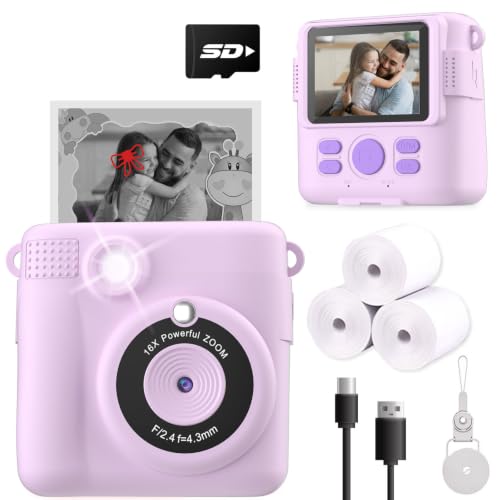
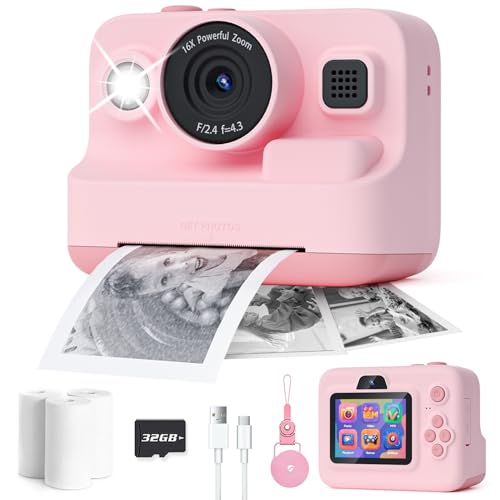
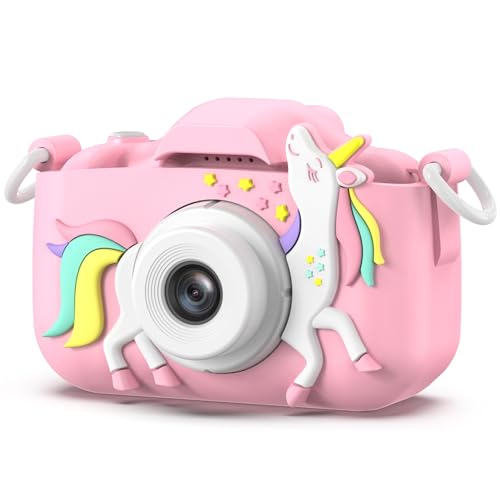
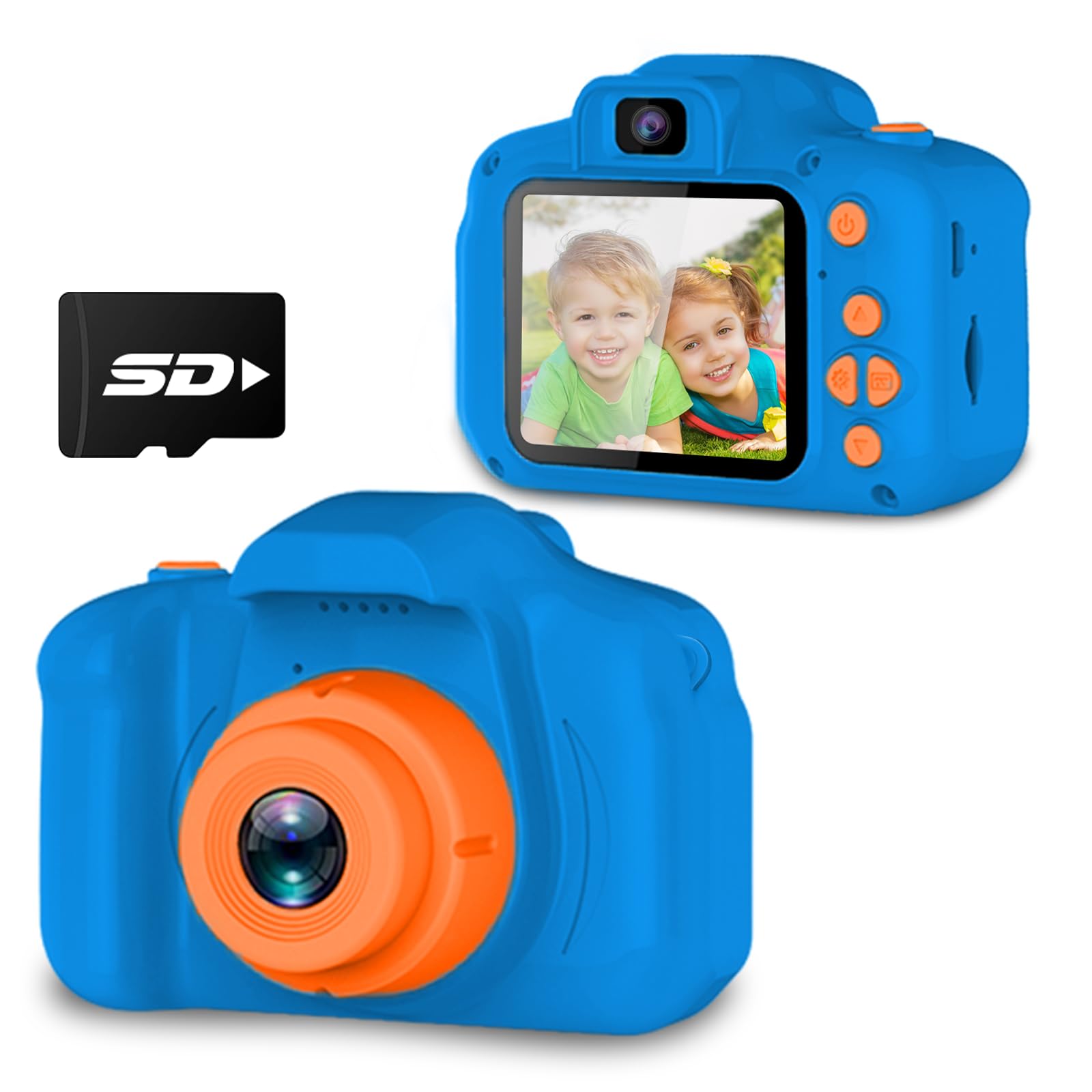
There is no single model that suits every family, because a camera for a young child is really a tool for play, curiosity, and early creativity. The best cameras for 5 year olds are the ones a child can hold comfortably, operate without frustration, and use under an adult eye, and the comparison table below can help you weigh the main types side by side. Before you compare prices or picture counts, think about where your child will use the camera, how rough play might get, and how much help you plan to give.
Keep expectations realistic for this age. A five year old does not need professional controls, a large sensor, or a long lens. What matters most is a simple shutter button, a clear screen, a sturdy body, and a design that forgives drops, dust, and sticky fingers. This guide walks through the user groups, the features that truly matter, the mistakes to avoid, and the care habits that keep a first camera working.




Who Should Buy Which Cameras?
Children at five vary a lot in patience, hand size, and interests, so match the camera to the child in front of you rather than to an age label alone. The groups below describe common patterns of use, and each one points to a different set of priorities.
A First Camera for a Curious 5 Year Old
A child who is just discovering photography needs the simplest possible path from idea to picture. Look for one big shutter button, a short startup time, and a menu with pictures rather than long lists of words. A wrist strap helps small hands keep hold of the camera, and a bright screen makes it easier to see what is in the frame. Keep the first outings short and guided, so the child learns to point, press, and review without feeling rushed or confused.
For Outdoor Play and Family Outings
A child who will carry a camera to the park, the beach, or a family picnic needs toughness above all else. A rubberized body, a protected lens area, and a simple cover for ports will stand up better to sand, splashes, and tumbles on grass. Light weight matters too, since a heavy camera will be set down and forgotten halfway through a walk. If your child already uses a tablet for photos, see our guide to the best tablets for 5 year olds to compare screen based shooting with a dedicated camera before you decide.
For Travel and Car Rides
For trips, choose a camera that starts fast, fits in a small bag or a coat pocket, and holds enough charge for a day of sightseeing. A simple zoom control helps a child frame a distant animal or building without fumbling through settings. Pack a spare memory card and a cleaning cloth, and agree on a simple rule for when the camera comes out and when it stays safely stowed. A camera that is easy to carry is a camera that actually gets used on the trip.
For a 5 Year Old Who Loves Making Little Videos
Some children care less about still photos and more about recording short clips of pets, siblings, and backyard adventures. For them, look for a single button that starts and stops video, a microphone that picks up nearby voices clearly, and a simple way to play clips back on the screen. Keep clips short by habit, since long recordings fill storage fast and tire young attention spans. Review videos together so the child learns what makes a clip fun to watch again.
Key Features to Compare
The features below are the ones that change daily use for a five year old. Fancy specifications that matter to adult photographers often matter very little here, so judge each feature by how it feels in small hands.
Video Capabilities
Simple video matters more than advanced video formats for this age group. A camera that records clear clips at a standard resolution, with steady framing and audible sound, will serve a young child well. Skip complicated manual video settings and look instead for a clear record indicator on screen, so the child knows when recording has started and stopped. Check how easy it is to delete a failed clip, since children will record plenty of accidental footage while they learn.
Features That Matter for 5 Year Olds
Five year olds need cameras built around small hands, short attention spans, and learning through play. Controls should be large, clearly labeled, and few in number, and the grip should suit a small palm rather than an adult hand. A viewfinder is rarely useful at this age, so a bright rear screen is the better choice. Age fit matters in both directions, so it helps to compare guides for nearby ages, such as the best cameras for 4 year olds and the best cameras for 8 year olds, to see how size and complexity change as children grow.
Low Light Performance
Children take many photos indoors, at birthday parties, and in rooms with ordinary lamps rather than studio lighting. A camera that handles indoor light without a harsh flash will produce more natural looking pictures of faces and everyday moments. Look for a sensor and lens combination described as good in low light, and check whether the flash can be turned off easily, since a sudden flash can startle a child or wash out a close subject. Practice indoors before a big event so you know what to expect.
Sensor Size and Image Quality
Sensor size affects how much light a camera gathers and how clean pictures look indoors, but megapixel count alone does not tell the whole story. For a five year old, a modest sensor with good color and simple automatic exposure will beat a high megapixel camera with confusing controls. Pictures will mostly be viewed on screens and printed small, so extreme detail matters less than bright colors, quick focus, and a forgiving automatic mode. Judge image quality by sample pictures of everyday scenes, not by specification numbers alone.
Battery Life and Charging
Battery life shapes whether a camera survives a full outing or dies halfway through the fun. A camera that lasts a whole day of casual shooting, or that charges through a common USB C cable, is far easier to live with than one needing a special charger. Carry a spare battery or a small power bank on longer trips, and charge the camera the night before an outing as a habit. Teach your child to check the battery icon before leaving home, so a dead camera does not spoil the plan.
Common Mistakes to Avoid When Buying Cameras
- Buying for adult specifications instead of a child's hands, which leads to a camera that is too heavy, too complex, or too fragile for daily play.
- Choosing only by price and skipping durability, since a cheap camera that breaks in a week costs more in frustration than a sturdier option.
- Ignoring video simplicity, which matters when a child wants to record clips but cannot find the record button.
- Picking a camera that is too large or too small for the child's grip, which makes framing and holding steady much harder.
- Skipping the warranty and return terms, which matter a lot for a product that will be dropped, splashed, and carried everywhere.
Setup and Care Tips
Set the camera up together the first time, and keep the setup simple. Turn off any setting your child does not need, set the date and time, and show your child how to turn the camera on, take a picture, and review it. Use a lens cloth, not your shirt, to clean the lens, since fabric can drag grit across the glass. Carry a spare battery on outings, and store the camera in a dry, padded bag when it is not in use.
Check the manufacturer's age guidance and any small parts warnings before handing the camera over, keep small detachable pieces away from younger siblings, and supervise use until your child shows safe, careful handling.
Frequently Asked Questions
What features matter most in cameras for 5 year olds?
Simple controls, a sturdy body, and a bright screen matter most for cameras for 5 year olds. A large shutter button, fast startup, and a wrist strap help a child succeed without adult help for every shot. Light weight and a protected lens also matter, since the camera will be carried, dropped, and bumped often. Picture quality still counts, but ease of use and durability decide whether the camera becomes a favorite toy or a drawer item.
What do zoom numbers mean on a camera for a young child?
Zoom numbers describe how much closer a distant subject appears compared with the widest view of the lens. A small zoom range, such as 3x, is plenty for a five year old, since larger zooms are harder to hold steady and harder to frame. Digital zoom enlarges the picture after capture and often lowers quality, so optical zoom is the more useful number to compare. Teach your child to step closer when possible, since moving closer usually gives a better picture than zooming far.
How much should I spend on my first one?
Most families do well with a camera priced at about $40 to $120 for a first camera for a five year old. That range usually buys a sturdy body, simple controls, and decent pictures without risking a large sum on a device that may be dropped or outgrown. Spending less can work if durability is still solid, while spending more makes sense only if the child shows lasting interest and careful handling. Set aside a little of the budget for a memory card and a protective case.
Is a smartphone enough instead?
A smartphone can take good pictures, but it is not always the best first camera for a five year old. A dedicated camera can be dropped without risking an expensive phone, and it keeps the child focused on photography rather than games and messages. A phone also lacks a wrist strap and a child sized grip, which makes accidental drops more likely.
If you do use a phone, supervise closely and use a sturdy case. For many families, a separate camera is the calmer, safer starting point.
What specs matter most for beginners?
For beginners, automatic exposure, quick focus, and good indoor performance matter more than advanced specifications. A camera that focuses fast on a moving pet and brightens a dim room without harsh flash will produce more keepers than one with a long feature list. Battery life and storage also matter, since a camera that dies or fills up quickly ends the fun early. As children grow older and more skilled, guides such as the best cameras for 10 year olds become useful for comparing the next step up in control and capability.
Final Thoughts
Choose by fit first: small hands, simple controls, sturdy build, and supervised, playful use. The best cameras for 5 year olds are not the most advanced cameras, but the ones a child can actually enjoy using day after day. Compare the main types in the product table above, pick the one that matches your child's habits, and keep the first outings short, guided, and fun.


