
Best Cameras for 3 Year Olds: A First Time Buyer's Guide for 2026
Disclosure: We may earn a commission when you buy through links on this page, at no extra cost to you. As an Amazon Associate I earn from qualifying purchases. Learn more

Shopping for the best cameras for 3 year olds? This guide explains simple controls, tough builds, safe use, and what to check before you buy.
Choosing best cameras for 3 year olds is different from choosing a camera for an adult, because a very young child needs a tool for play and early discovery, not a complex device for serious photography. The best choice is simple to hold, hard to break, and easy to use with one or two buttons. This guide explains the comparison table below in plain language, so you can focus on size, safety, and fun instead of advanced specs.
A camera for a 3 year old should invite curiosity without frustration. Look for a chunky grip, a large screen or viewfinder that is easy to see, and bright buttons that do a clear job. Keep the price modest, because drops, spills, and lost chargers are part of learning at this age. The sections that follow cover the basics, the specs that matter, common mistakes, and first use steps.
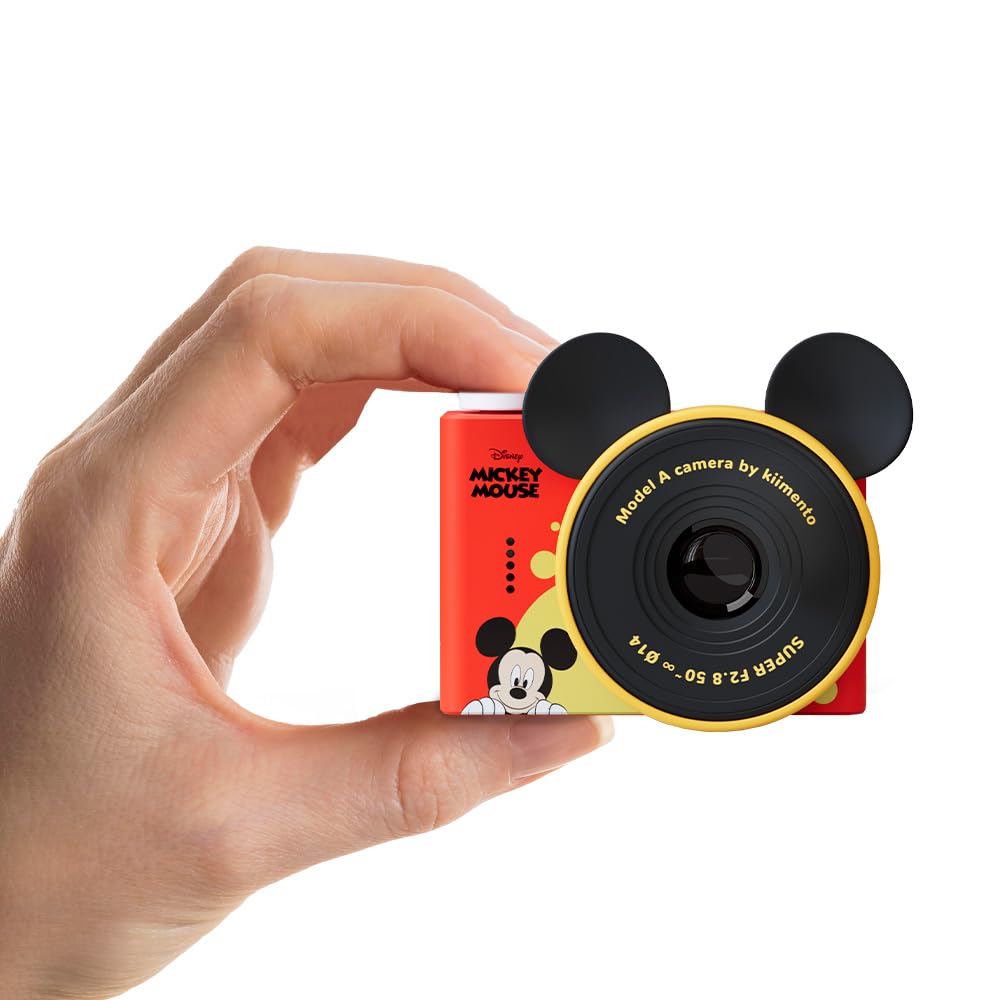


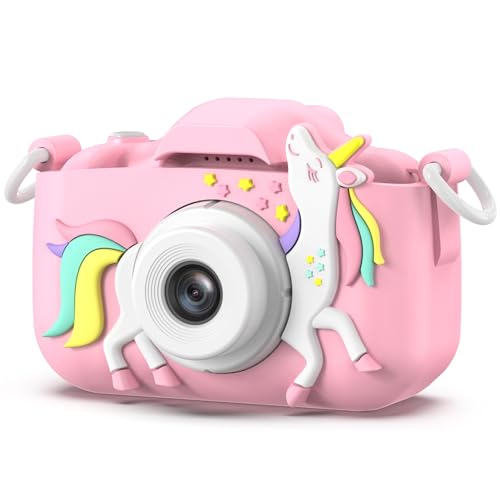

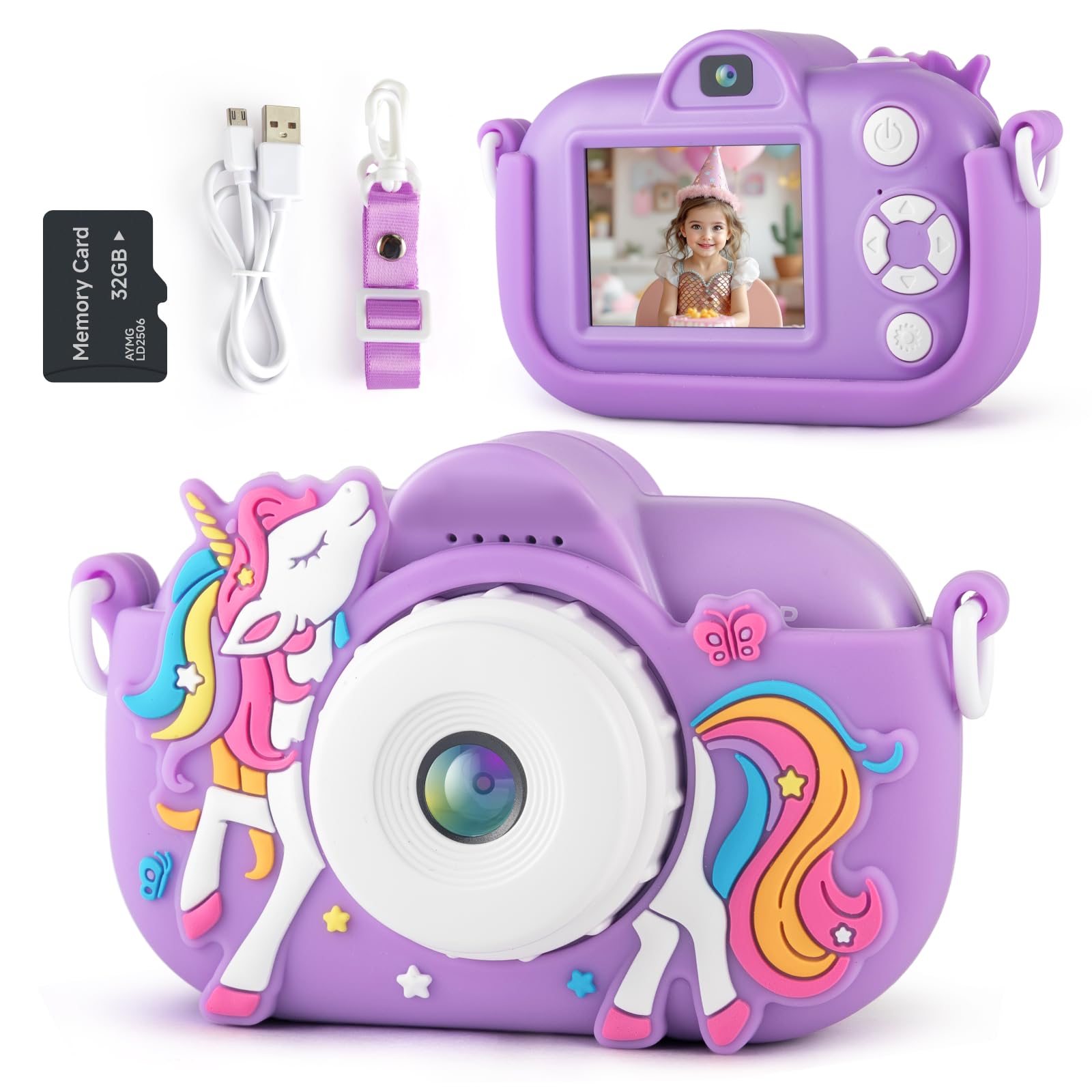

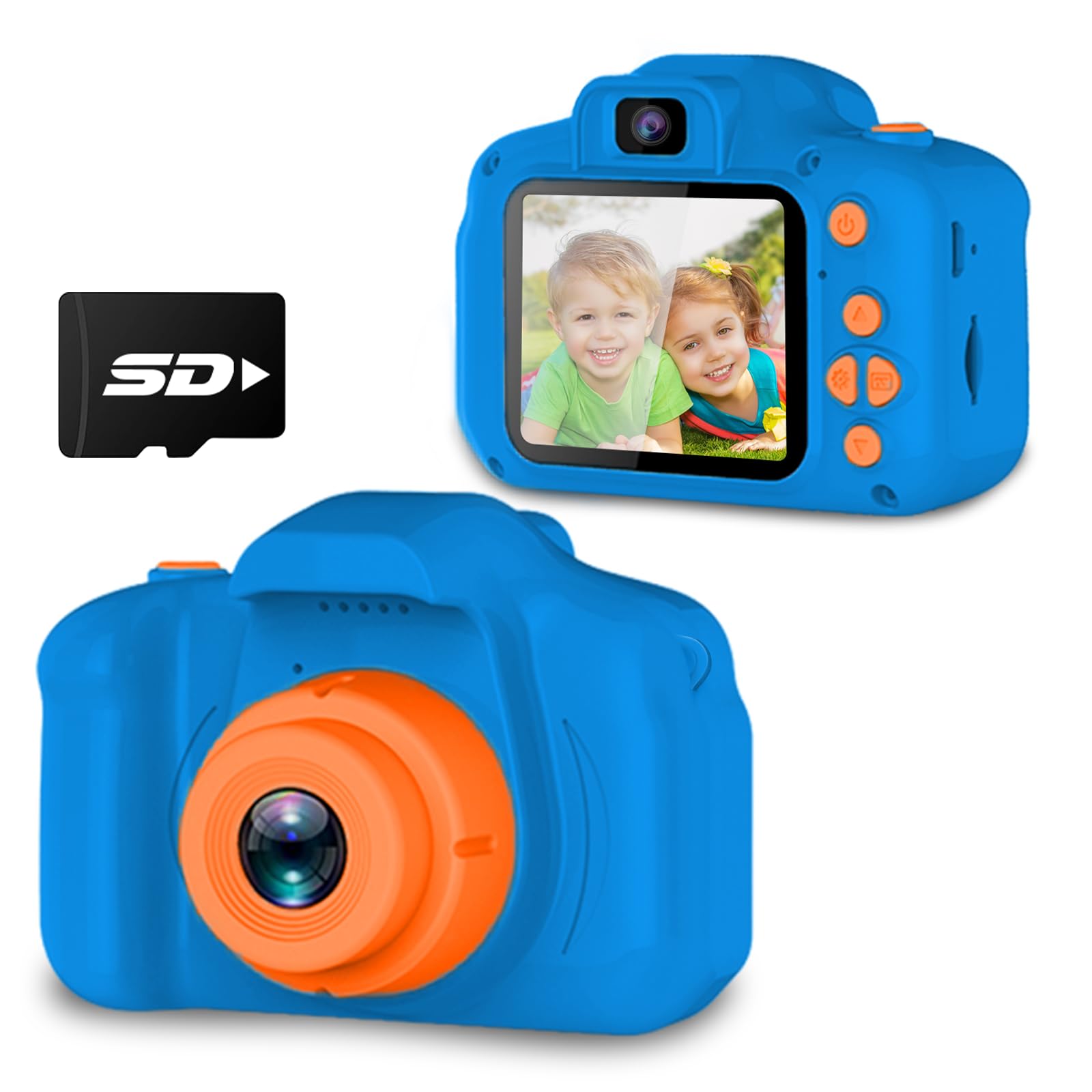


Cameras 101: The Basics
A camera for a young child works in the same basic way as any simple digital camera. It uses a lens to gather light, a sensor to turn that light into a picture, and memory to store the picture for later viewing. The child presses a shutter button, sees the result on a screen, and can try again right away. That instant feedback is what makes a first camera so engaging.
Most toddler cameras are built around play. They may include fun frames, filters, simple games, and a front lens for self portraits. Those extras can be enjoyable, but they should never hide the core job of taking a clear picture.
Check that the camera turns on quickly, focuses without long delays, and lets a child delete a blurry photo without help. A camera that is slow or confusing will sit unused, no matter how many extras it lists.
Key Specs Explained in Plain English
The specs below are written for parents and caregivers, not for camera experts. Each one explains what it means in everyday use and what to look for when you compare options for a young child.
Features That Matter for 3 Year Olds
For a 3 year old, the most important features are safety, size, and simplicity. Maker age guidance should be checked first, because some cameras are sized for older children and include small parts that are not suitable for toddlers. Choose a model with rounded edges, a sturdy shell, and a strap that stays attached during play. Large buttons, a clear shutter, and a simple menu help a child succeed without constant adult help.
Supervision still matters, even with a child friendly design. Stay nearby during early use, show the child how to hold the camera with both hands, and set a simple rule about where the camera can go. Keep small accessories, such as memory cards and tiny caps, out of reach when they are not in use. A camera that fits these needs will support play while keeping the experience safe and calm.
Sensor Size and Image Quality
The sensor is the part that captures light and turns it into a photo. A larger sensor can often capture more detail, but for a toddler camera, sensor size is less important than ease of use and a bright, forgiving lens. Most pictures will be viewed on a screen or printed small, so a modest sensor is usually enough for family memories and early creative play.
Do not judge image quality by megapixels alone. A high megapixel count does not guarantee a good photo if the lens is weak or the focus is slow. Look instead for clear, bright sample style descriptions in the product details, such as good daylight results and simple auto exposure. For indoor use, a camera that handles ordinary room light without harsh flash will produce more natural pictures of everyday moments.
Video Capabilities
Short video clips can be a delightful way for a young child to record a song, a pet, or a walk. A simple video button that starts and stops with one press is far more useful than advanced video settings. High resolution labels, such as 4K video, sound impressive, but they also create large files that fill memory quickly and drain the battery faster.
For this age group, standard video quality is usually plenty. It keeps files small, makes playback smooth, and leaves room for many more photos. Check that sound is clear at normal speaking distance and that the child can switch back to photo mode without navigating a deep menu. If video is hard to start, a child will simply stop using it.
Battery Life and Charging
Battery life decides how long a play session can last before the camera needs a rest. A built in rechargeable battery is convenient, but it means the camera must stop for charging when it runs low. A camera that uses standard rechargeable cells can be ready again sooner if you keep a spare set charged and stored safely away from young children.
Charging should be simple for an adult, with a common USB C connection and a clear charging light. Avoid leaving a charging camera unattended with a young child, and store cables out of reach when they are not in use. Ask how many photos a full charge typically supports in normal play, and plan for shorter sessions if the camera also plays games or shows filters on screen.
Autofocus and Stabilization
Autofocus means the camera tries to make the main subject sharp without manual adjustment. For a toddler, autofocus should be fast and automatic, with no need to tap a screen or turn a dial. A camera that locks focus quickly will capture more smiles and fewer blurry shots, especially when the subject moves.
Stabilization helps reduce blur from shaky hands, which is common at this age. It cannot fix every wobbly photo, but it can improve results during walks and play. Teach the child to hold the camera steady, brace elbows against the body, and press the button gently instead of jabbing it. Those simple habits, combined with basic stabilization, will improve most pictures.
Rookie Mistakes to Avoid
First time buyers often focus on the wrong details. Use the list below to avoid the most common errors.
- Buying for adult specs: A camera with advanced manual controls may impress an adult, but it can frustrate a young child who needs one button for photos and one for video.
- Ignoring size and weight: A camera that is too large or heavy will tire small hands quickly and is more likely to be dropped during play.
- Skipping the age check: Always read maker age guidance and check for small parts, loose caps, and straps that could pose a risk for a toddler.
- Forgetting memory and power: A camera with tiny built in memory or a short battery life will stop the fun early, so check storage and charging before you buy.
- Expecting perfect photos: At this age, the goal is exploration and joy, not sharp professional results, so judge the camera by how happily and safely a child can use it.
Getting Started: Setup and First Use
Start by charging the camera fully and inserting memory if it is needed, following the maker guide for your model. Set the language, date, and any simple parental settings before you hand the camera to the child. Remove packaging, small plastic parts, and extra accessories from the play area, and attach the wrist strap securely.
Show the child the shutter button, the power button, and how to view photos, using short and calm instructions. Practice indoors first, with a simple subject such as a toy or a pet, so the child can learn to hold the camera steady. Use a lens cloth, not your shirt, to clean the lens, because a shirt can leave lint or scratch a soft surface. Carry a spare battery if your model allows it, and store it safely away from the child when it is not in use.
Frequently Asked Questions
What features matter most in cameras for 3 year olds?
The most important features are a sturdy build, large simple buttons, and a comfortable grip for small hands. A clear screen, quick startup, and automatic focus help a child take pictures without adult help at every step. Maker age guidance, rounded edges, and a secure strap matter more than advanced settings, and small parts should be kept out of reach. A simple menu and a single shutter button will keep the experience playful instead of confusing.
Which is better for low light?
A camera with a bright lens and simple auto exposure usually works better indoors than one that relies on a strong flash alone. A flash can wash out faces and startle a young child, so a model that handles ordinary room light well is often the kinder choice. Try the camera in a normally lit room before judging it, and check whether photos look natural rather than dark or harsh. For very dim rooms, move closer to a window or turn on a lamp for better results.
How much should I spend on my first one?
For a first camera at this age, about $30 to $80 is a sensible range for most families, because it balances durability and simplicity without a large loss if the camera is dropped. Lower priced options can still be fun, but they may have slower focus or weaker screens. Higher priced options may add features a toddler will not use, such as manual controls or large file video. Choose the lowest price that still offers a sturdy build, simple controls, and safe design.
What specs matter most for beginners?
For beginners, ease of use matters more than any single spec on the box. Focus on automatic focus, simple exposure, a bright screen, and a battery that lasts through a normal play session. A modest sensor is fine for small prints and screen viewing, and standard video is easier to store than very large files. Check the weight, button size, and menu depth in person if possible, because those details shape daily use more than megapixels.
Is a smartphone enough instead?
A smartphone can take good photos, but it is not always the best first camera for a 3 year old. A phone is fragile, expensive to replace, and full of apps and messages that distract from simple picture taking. A dedicated toddler camera gives the child ownership, a sturdy grip, and a clear purpose, which supports independence and creative play. Many families keep the phone for adult photos and let the child use a simple camera for exploration.
For related age guides, see our guide to best cameras for 10 year olds when an older child needs more controls. For a closer age step, see our guide to best cameras for 5 year olds and our guide to best cameras for 4 year olds. If you also need a tablet for play, see our guide to best tablets for 3 year olds.
Final Thoughts
The right first camera should feel like a toy that rewards curiosity, not a gadget that demands adult help at every step. Prioritize a sturdy build, simple controls, safe design, and a price that lets you relax about drops and everyday wear. Check maker age guidance, supervise early sessions, and keep small parts and cables safely stored.
When you compare options in the product table above, look for the model that best fits your child hands, your daily routine, and your comfort with supervision. A camera that is easy to hold, quick to use, and fun to explore will create more happy memories than a complex model with unused features. With a thoughtful choice, best cameras for 3 year olds can open a joyful first step into photography.


