
Best Cameras Around 1000: A Buyer Checklist for 2026
Disclosure: We may earn a commission when you buy through links on this page, at no extra cost to you. As an Amazon Associate I earn from qualifying purchases. Learn more

Run a buyer checklist over cameras near the thousand dollar mark, from sensor and lens value to used options, before choosing the best cameras around 1000.
A budget of about a thousand dollars sits at the most crowded point of the camera market, where beginner kits, older flagship bodies and serious compacts all overlap. A checklist keeps the money honest, because at this level every camera takes good photos in daylight and the real differences hide in lenses, handling and low light. The best cameras around 1000 are rarely the ones with the longest spec list; they are the ones whose lens, sensor and controls match the photos you actually take.
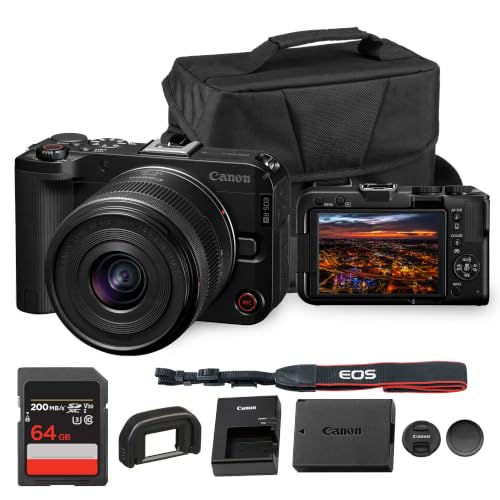
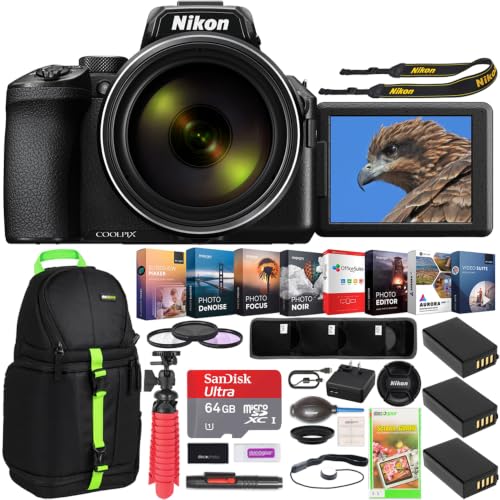
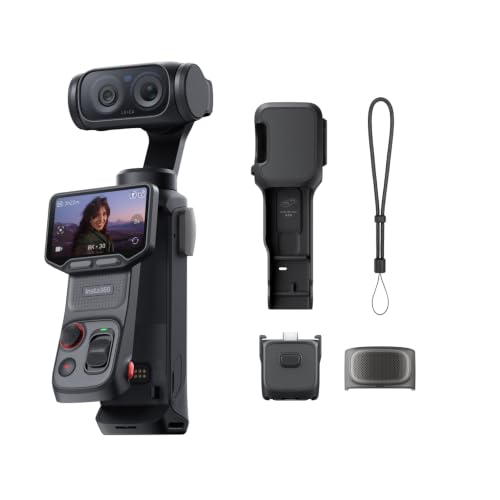
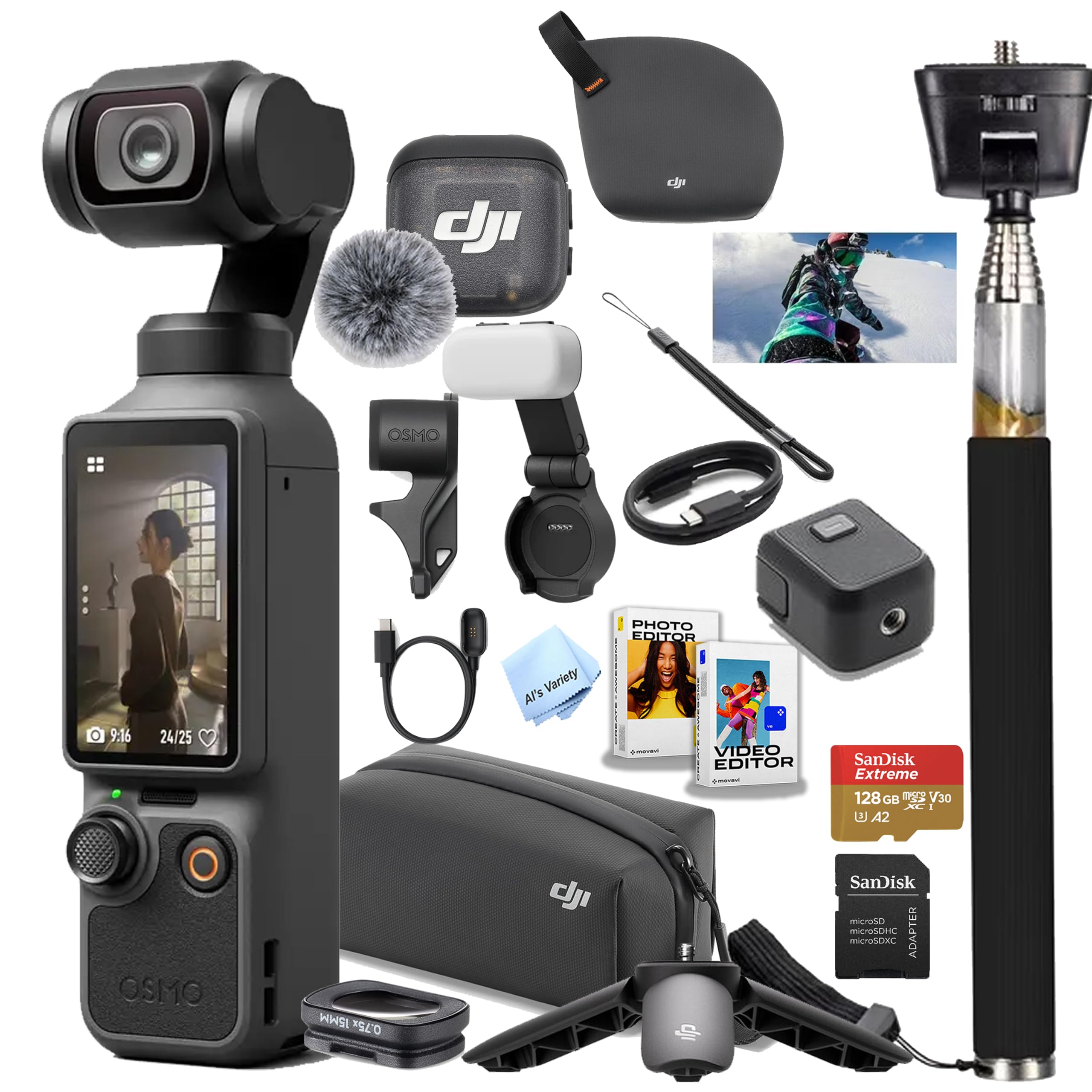
The comparison table below gathers the classes that pass these checks in one place. This guide stays on one shelf of one market: it is not about the best watches around 1000, which solve a style problem, or the best laptops around 1000, which solve a work problem. It also narrows the wider field of best digital cameras down to the kits that land near this one price.




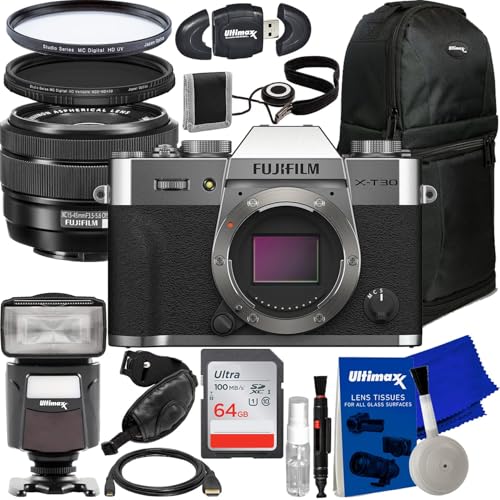
The Checklist: What Matters Most at This Price
Start with the arithmetic, because the number in the keyword is the whole budget, not the body price. Out of about $1000 come the body, at least one lens, a memory card, a bag and a spare battery, and those extras easily take about $150 to $250 of it. Any shortlist that ignores them pushes you toward a bare body you cannot use on day one. The checks below run in the order that protects that budget, and the best cameras around 1000 pass all of them without stretching it.
Sensor Size and Image Quality
At this price you will meet three sensor classes: full frame on older or used bodies, APS C on most new kits, and 1 inch on premium compacts. Bigger sensors gather more light and blur backgrounds more easily, but a current APS C sensor in good light matches an older full frame one for most prints. Treat megapixel counts as class figures rather than scores: anything from about 20 to 26 megapixels resolves more detail than most lenses at this price can deliver. Judge this check by the light you shoot in, not by the biggest number.
Lens and Zoom Range
The lens decides more of your result than the body, so check what the kit lens covers and what the mount offers next. A kit zoom running from wide to short telephoto handles travel, family and street work in one barrel. Then read the mount catalogue: you want an affordable fast prime and a longer zoom to exist at prices you can reach later. A body with a thin or fading lens range is a dead end at any discount, because every future lens purchase runs through that same mount.
Autofocus and Stabilization
Good autofocus at this level means reliable eye detection for people and tracking that holds a walking subject, not a spec sheet full of modes. Test claims against your subjects: a camera that locks onto a child crossing a room will serve most families for years. Stabilization in the body or the lens steadies slow shutter speeds for still scenes and smooths handheld video. It does not freeze motion, so a running dog still needs a fast shutter; treat stabilization as help for your hands, not as a cure for moving subjects.
Video Capabilities
If you record video, check four things: clean 4K recording, a microphone input, a screen that flips for filming yourself, and focus that does not hunt while someone talks. Many cameras at this price record strong 4K but crop the view to do it, which makes indoor filming with a kit lens awkwardly tight. A headphone jack is a bonus worth having if you record interviews. If video is only an occasional extra, weight this check lightly and put the money toward the lens instead.
Durability and Weather Sealing
Weather sealing at this price means gaskets that shrug off drizzle and dust, and it only counts when the lens carries the same sealing. Makers describe sealing in vague words, so look for it stated plainly in the specifications rather than implied in marketing photos of rain. A metal mount and a solid grip matter daily more than any seal. If you shoot outdoors in all seasons, sealing earns a place high on your list; if the camera lives at home and in a bag, spend the difference elsewhere.
Low Light Performance
Low light is where this budget is truly tested, because daylight hides every weakness. Sensor size sets the ceiling, the lens aperture decides how much of that ceiling you reach, and high ISO numbers on a box are class figures that say little about how clean the files look. A kit that pairs an APS C body with one fast prime lens often beats a full frame kit stuck with a slow zoom in a dim hall. Decide this check with your real evenings in mind: school gyms, restaurants and winter streets.
Ease of Use for Your Skill Level
The right camera teaches you as you go. Guided auto modes, clear menus and a phone app that transfers photos without a fight matter more to a new shooter than deep custom menus. Experienced buyers should check the opposite end: twin control dials, a joystick for focus points and buttons that can be reassigned. Either way, hold the camera before you commit if you can. A grip that fits your hand and a weight you will carry are worth more than one extra feature you will use twice a year.
Quick Buyer Checklist
Run these questions against any candidate before you buy, and compare your shortlist with the neighbouring shelf in the guide to the best cameras for 1000 dollars if prices keep drifting. A camera that answers yes to all seven is a safe buy at this level.
- Does the full kit of body, lens, card, bag and spare battery fit inside the same budget?
- Does the kit lens cover the range you shoot most, from wide scenes to portraits?
- Is there an affordable fast prime or longer zoom for this mount that you can add later?
- Does the autofocus track your real subjects, such as children, pets or players, without hunting?
- If you film, does it offer a microphone input and a screen you can turn toward yourself?
- Is the grip comfortable and the weight honest for a full day of carrying?
- Is the body current enough that batteries, chargers and service will stay easy to find?
Red Flags to Watch For
Some listings at this price look generous and are not. Walk away when you meet these signs.
- Huge zoom or megapixel claims with no sensor size stated, which usually means a tiny sensor doing heavy cropping.
- A bargain body whose mount has few affordable lenses, leaving every upgrade priced like a flagship.
- Grey import stock with no local warranty or service route, so one fault turns the saving into a full loss.
- Video headlines that hide a heavy crop or a missing microphone input until you read the fine print.
- Bundles padded with filters, tripods and cards of no named class, priced as if they were quality extras.
Choosing Cameras Around 1000 for Your Situation
Most buyers at this price want one camera that does a bit of everything, and the guide to the best all around cameras covers that versatile brief directly. If your shooting leans one way, though, the same money bends in different directions: travel rewards a lighter kit, family life rewards autofocus, and dim rooms reward one fast lens over a second zoom. The clearest fork at this level is between a new mid range body and an older higher tier one, and the DSLR route shows it best.
Best DSLR Cameras for Around 1000: What to Check
A DSLR at this price usually means a body one step older than current, and that is the value door of this whole market: flagship handling, a deep used lens pool and long battery life for mid range money. Check three things before you buy. First, the shutter count and general condition, since these bodies are often used. Second, that the mount still offers the lenses you want at used prices. Third, that you accept the size, because these are the biggest kits on this page. For stills shooters who rarely film, few new cameras at this price match the value.
How to Make Your Camera Last Longer
Care at this level protects a serious sum of money. Clean the lens with a proper lens cloth rather than your shirt, and use a blower before you wipe so grit never drags across the glass. Store the kit in a dry, padded bag, keep caps on the body and every lens, and carry a spare battery so a flat one never ends a day early. Charge batteries before long storage and run a firmware update when the maker offers one, since updates often improve autofocus. Treated this way, a camera at this price serves for many years.
Cameras Around 1000: Your Questions Answered
Which matters more for low light at this price, a bigger sensor or a faster lens?
The faster lens usually matters more in real rooms, because it lets the camera gather more light at settings the sensor handles cleanly. A bigger sensor raises the ceiling, but a slow kit zoom keeps you below it. The strongest pairing at this budget is a mid size sensor with one fast prime lens for evenings. Remember that stabilization only steadies your hands; for moving subjects in the dark, shutter speed still rules, and no sensor class changes that.
How much of a thousand dollar budget should go to the lens?
Over the life of the kit, about a third to a half of the total should sit in lenses, even if the body takes most of the money on day one. Start with the kit zoom, learn which focal lengths you use, then add one lens that fixes your most common frustration. Buying three cheap lenses at once spreads the money thin and teaches you little. One good lens you understand beats a bag of glass you carry out of guilt.
Is a smartphone enough instead of a camera at this price?
A smartphone is enough for sharing daily life, and it will keep improving. A camera at this price earns its keep where phones strain: real zoom reach, dim rooms without flash, large prints, and portraits with genuine background blur. Look at where your phone photos disappoint you, because those scenes name exactly what the camera must fix. If the list is short, wait and keep shooting with the phone; if the same failures repeat every month, the camera will pay for itself in kept photos.
What specs matter most for a beginner spending at this level?
Guided auto modes, a comfortable grip and a kit lens with a useful range matter most, because they decide whether the camera gets used while skills form. Autofocus you can trust comes next, since missed focus ruins more beginner photos than any other fault. One underrated point: menu wording you understand without a manual. A camera whose settings you can find is a camera you will adjust, and adjusting settings is how the photos improve.
Should I buy a camera body only or a kit with a lens included?
Buy the kit if this is your first camera, because the bundled lens is priced far below its separate cost and covers the everyday range while you learn. Body only pricing makes sense when you already own lenses for that mount, or when you have one specific lens planned and priced. Check the arithmetic honestly: a body only deal that forces a full price lens purchase often costs more than the kit it tried to beat. The kit lens also holds resale value as a spare.
The Bottom Line
Protect the whole budget first, judge the lens range before the body, and let low light needs break any tie. The product table above gathers the classes that pass this checklist, so you can compare them against your subjects and your bag in one view. Chosen that way, the best cameras around 1000 are not a compromise at all; they are the point where camera kits stop feeling like starter gear.


