
Best All Around Cameras of 2026: Complete Buying Guide
Disclosure: We may earn a commission when you buy through links on this page, at no extra cost to you. As an Amazon Associate I earn from qualifying purchases. Learn more

Choose all around cameras for everyday photography: sensor, lens, autofocus, and handling checks for photos and video Learn what to check before you buy.
If you are shopping for best all around cameras, this guide will help you compare options clearly and choose with confidence. It explains the features that matter, the types available, and the mistakes to avoid, in plain terms without jargon.
The comparison table below gives a quick overview of the main types. The sections that follow explain fit, features, and care in detail, so you can narrow your shortlist and judge the final choice by how it performs in real use.

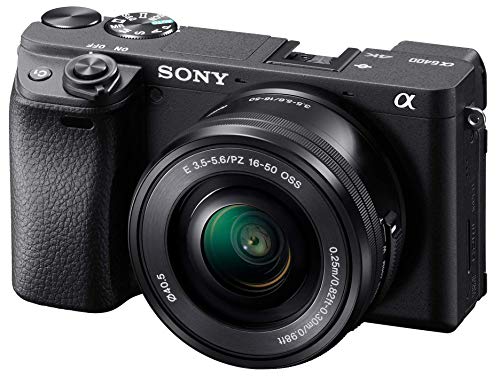
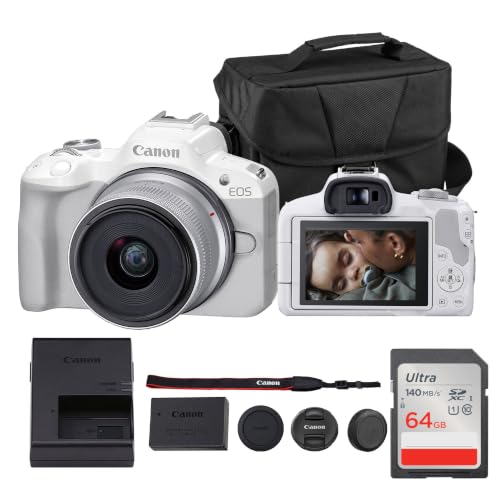


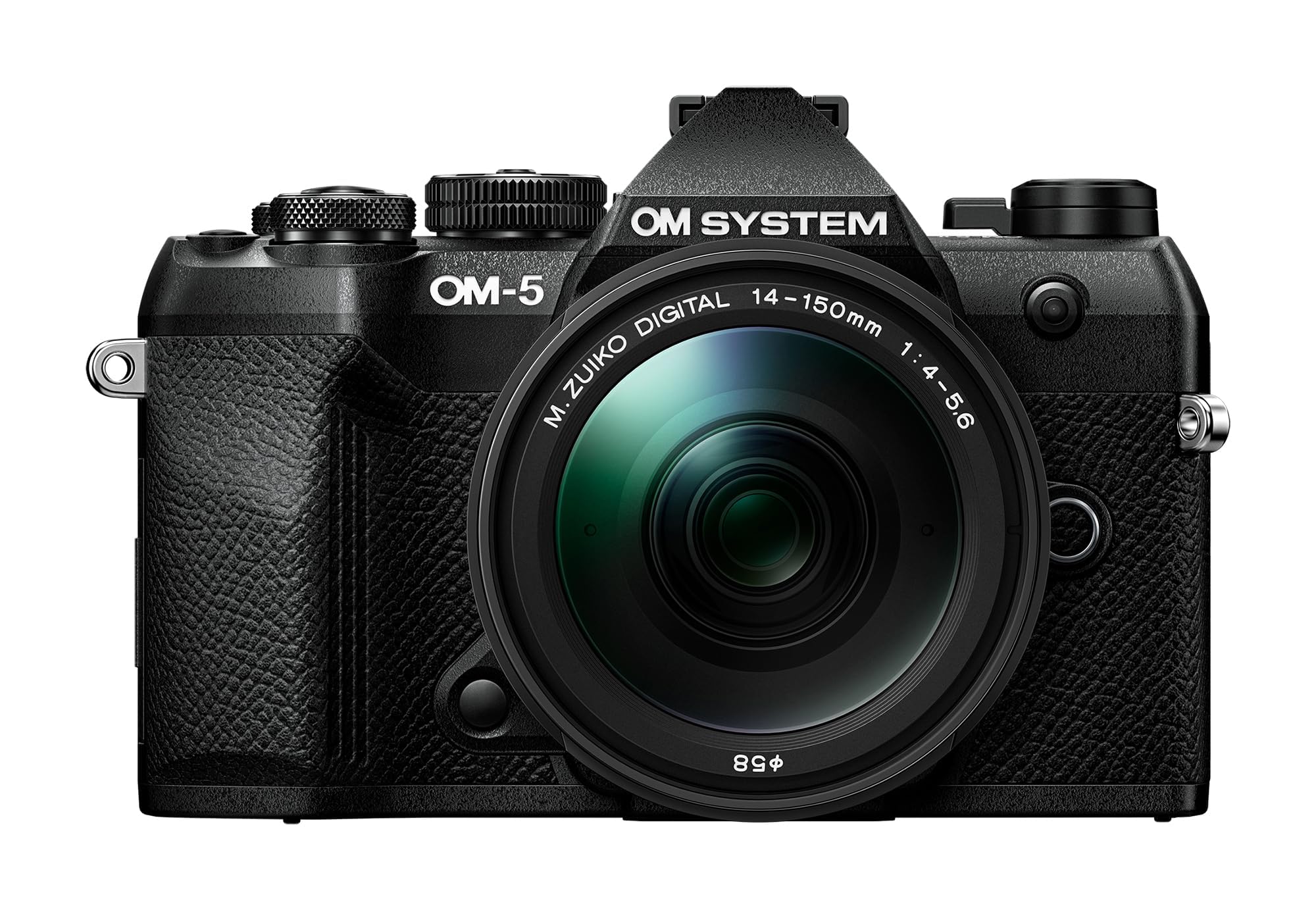

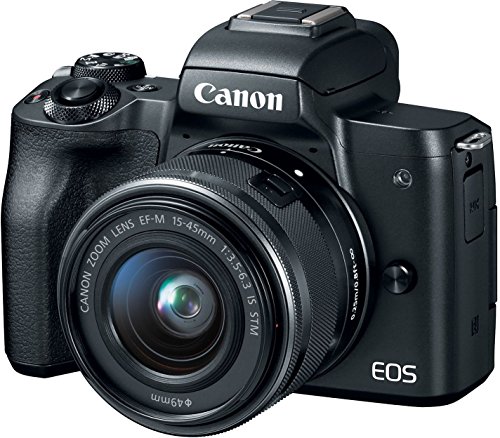

Who Should Buy an All Around Camera
All around cameras suit people who want one camera for holidays, family events, portraits, landscapes, and occasional video. They work for beginners moving beyond a phone, and for enthusiasts who want a versatile second camera. They suit travellers who need a balance of quality, size, and simplicity. They are a weaker fit for specialist work, such as professional sport or wildlife photography, where a specific lens system matters more.
Key Features to Compare
When comparing best all around cameras, focus on the features below before looking at price. Each feature affects daily comfort, performance, or running costs, and the right balance depends on how you will use the product most.
Sensor and image quality
Sensor size affects low light performance and depth of field more than megapixel count alone. A larger sensor usually gives cleaner images indoors and at dusk. For everyday use, a modern sensor with good high ISO performance matters more than the highest resolution. Check sample images at high ISO, not just in bright daylight, before judging a camera.
Lens versatility
An all around camera needs a lens range that covers wide scenes and portraits without constant lens changes. A zoom from wide angle to short telephoto suits most everyday photography. Check whether the lens is fixed or interchangeable, since interchangeable lenses add cost and weight but allow future growth. A fast aperture helps indoors, but it adds size and price.
Autofocus and speed
Autofocus should lock quickly on people, pets, and moving children, not just on still subjects. Eye detection helps for portraits, while tracking helps for sport and wildlife. Check burst speed and buffer depth if you shoot action, since a camera that slows after a few frames will miss moments. Test autofocus in low light, where weaker systems hunt and fail.
Handling, size, and video
Handling decides whether you carry the camera or leave it at home. Check grip, button layout, and whether menus feel logical after a short try. Size and weight matter for travel, and a camera you carry daily beats a better camera left in a hotel room. For video, check stabilisation, microphone input, and whether recording limits affect long clips.
Types Compared
The main types of best all around cameras suit different routines and budgets. Understanding the differences helps you avoid paying for features you will not use, or missing a feature you need every day.
Compact all around cameras
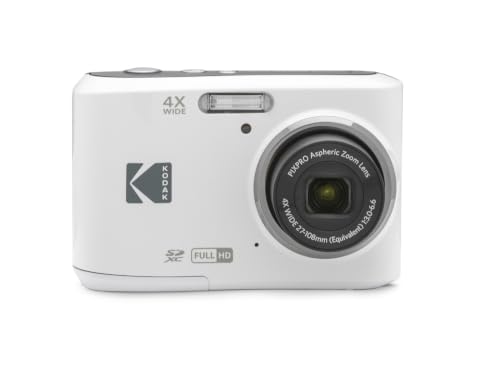
Compact cameras have a fixed lens and fit in a jacket pocket or small bag. They suit travellers and everyday photographers who want better quality than a phone without lens changes. They are simpler to use and easier to carry. They offer less growth than interchangeable lens cameras, but they are the most likely to be carried daily.
Mirrorless all around cameras
Mirrorless cameras use interchangeable lenses and an electronic viewfinder, balancing quality and size. They suit enthusiasts who want lens choice and strong video in a portable body. They cost more and need lens investment over time. Choose mirrorless when you want a system that grows with your photography.
DSLR style all around cameras
DSLR style cameras use a mirror and optical viewfinder, with a large lens range and long battery life. They suit photographers who prefer an optical view and already own compatible lenses. They are larger and heavier than mirrorless bodies. Choose this style when handling and battery life matter more than compact size.
What Your Money Gets You
All around cameras usually cost about $400 to $1,200, with compact models near the lower end and mirrorless kits in the middle to upper range. Budget for a memory card, a spare battery, and a bag, plus possibly an extra lens later. A dearer body mainly buys better autofocus, low light performance, and video features, not automatically better everyday photos. Spend on a lens you will use often before chasing the newest body.
If you mainly share photos online, a mid range camera is usually more than enough.
Care and Maintenance
Care keeps a camera reliable and clean. Keep the lens capped when not shooting, and clean it with a blower and a microfibre cloth, not your shirt. Store the camera dry, and avoid leaving it in a hot car, which harms batteries and lubricants. Charge batteries before trips, and format memory cards in camera after backing up photos.
If the sensor shows dust spots, use a blower first and leave wet cleaning to a professional unless you are confident. Update firmware occasionally, since updates can improve autofocus and fix bugs.
Related Guides to Compare
If you already know your budget, our guides to the best cameras around 100, best cameras around 500 and best cameras around 1000 narrow the field by price. For a wider view, read best digital cameras and best cameras for photography.
Frequently Asked Questions
Is an all around camera better than a phone?
For many situations, yes. A dedicated camera offers a larger sensor, a real zoom, and better low light performance than most phones. Phones win for convenience, instant sharing, and always being with you. Choose a camera when image quality, zoom, and control matter more than pocketability, and keep the phone for quick snapshots.
What sensor size do I need for everyday photography?
A one inch or larger sensor suits most everyday photography well, with cleaner low light images than a small sensor. Larger sensors improve quality further but add size and cost. For prints and online sharing, a modern mid sized sensor is usually enough. Judge by low light samples and handling, not by sensor size alone.
Should I choose a fixed lens or interchangeable lenses?
Fixed lens cameras are simpler, lighter, and easier to carry daily. Interchangeable lens cameras offer growth, with lenses for portraits, landscapes, and wildlife. Choose fixed when you want one camera for everything, and interchangeable when you plan to build a system over time. A camera you carry beats a system you leave at home.
How important is video on an all around camera?
It depends on how often you film. Most modern all around cameras shoot good 4K video for family and travel clips. Check stabilisation, microphone input, and recording limits if you film longer events. If video is a main use, prioritise stabilisation and audio options over stills features you rarely use.
Do I need many megapixels?
Not usually. For online sharing and prints up to A3 size, twenty megapixels is more than enough. More megapixels help for heavy cropping, but they also create larger files and demand sharper lenses. Prioritise sensor quality, autofocus, and lens sharpness over the highest megapixel count on the box.
Final Thoughts
Choosing the best all around cameras comes down to sensor, lens range, autofocus and handling, not to the most expensive model or the longest feature list. Use the product table to compare types, then judge your shortlist by how it feels and performs in your normal routine.


