
Best Cameras for 1000 Dollars: A Complete Buying Guide for 2026
Disclosure: We may earn a commission when you buy through links on this page, at no extra cost to you. As an Amazon Associate I earn from qualifying purchases. Learn more

A guide to the best cameras for 1000 dollars: how to split the budget, which specs matter and which camera types to compare.
A thousand dollars is the price point where cameras stop being casual snapshots machines and start being real tools, so it is also the point where a careless purchase wastes the most money. Shoppers comparing the best cameras for 1000 dollars should think of the purchase as a system, not a single box. The camera body is only part of the spend, and the lenses you add over the next few years are the rest of it, which means the lens mount you choose today quietly decides what your kit looks like later.
This guide walks through how to split the budget, which specifications actually matter at this level, and how the main camera types differ. The comparison table below puts the leading options side by side, and the buying guide after it explains how to read them against your own subjects, from family portraits to travel and video.

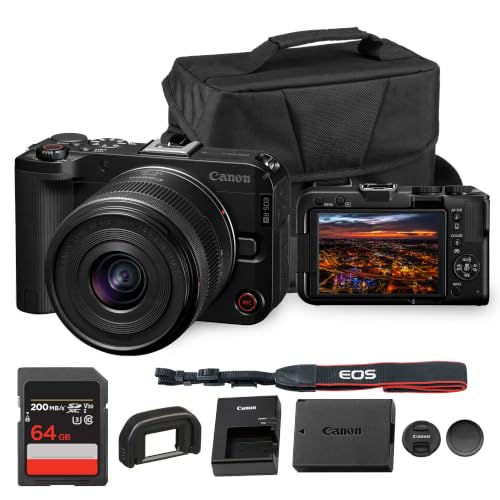

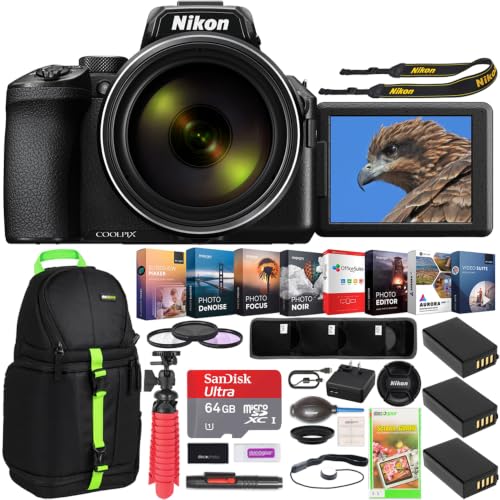


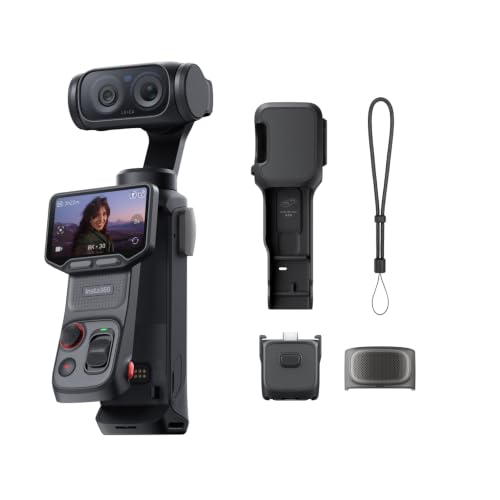
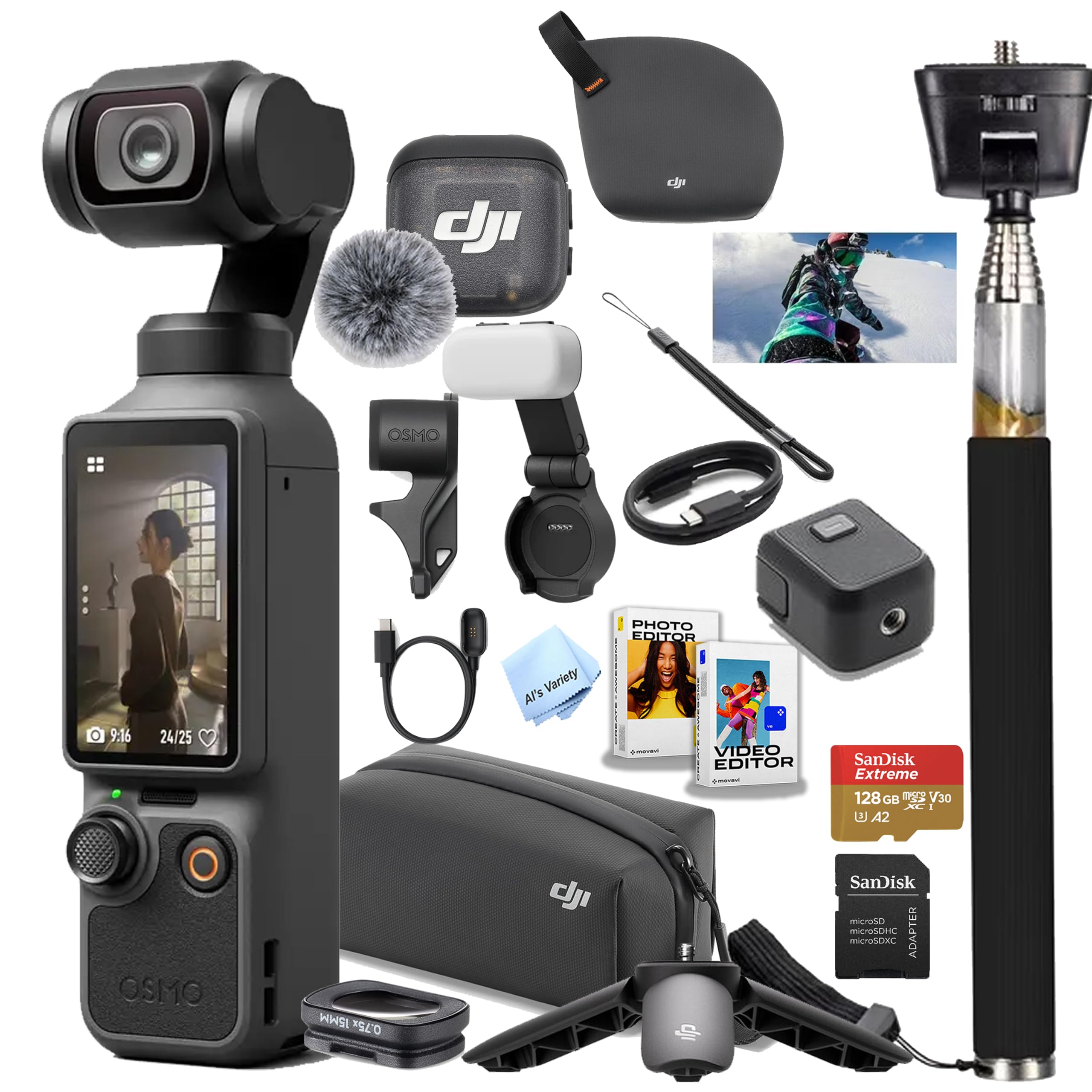
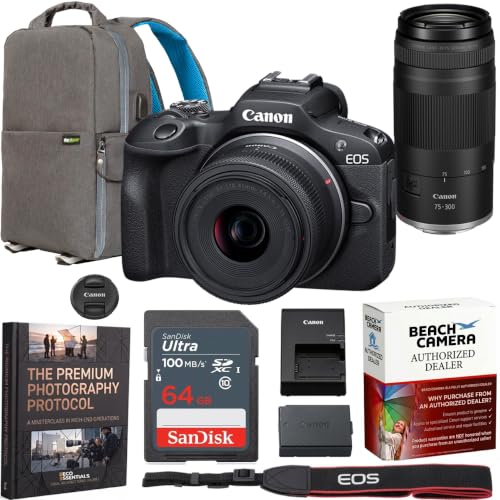
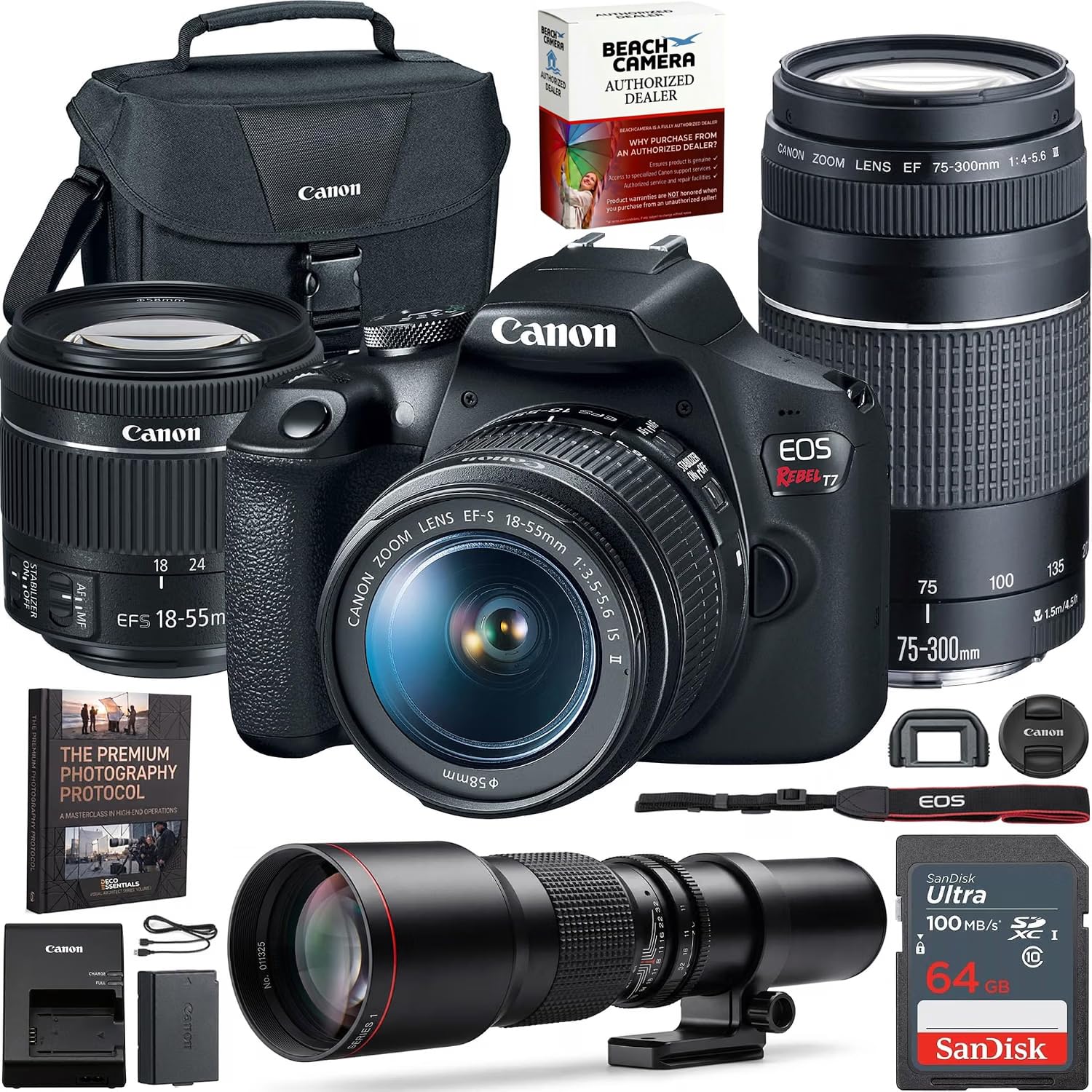
Splitting a 1000 Dollar Budget Three Ways
Body First: Spend on the Sensor, Grow Lenses Later
Putting about $700 to $850 into the body and starting with one kit lens suits photographers who know they will keep shooting for years. The stronger body brings a better sensor, faster autofocus and a mount with deep lens choices, while the modest starter lens covers learning. The trade off is patience: your second lens may be a year away, so this split frustrates anyone who wants variety right now.
Balanced Kit: Body and Two Lenses From Day One
A body around $500 to $650 with a kit zoom and one fast prime lens is the most flexible start for portraits, travel and everyday scenes. The prime lens teaches you low light shooting and blurred backgrounds that no zoom at this price can match. Readers watching a stricter ceiling may prefer the options among the best cameras for under 1000 dollars, where bundles are trimmed to stay beneath the line. The compromise here is the body itself, which will have a smaller viewfinder and fewer controls than a body first build.
Used Market: Last Generation Bodies at a Discount
Buying a used body from the previous generation frees about $200 to $300 for lenses, bags and a spare battery. Higher tier bodies from a few seasons back often beat new entry level bodies on build and controls. The risks are shutter wear and missing warranty coverage, so buy from sellers who state shutter counts and offer returns. Shoppers who can stretch a little past this budget will find overlap in guides to the best cameras around 1000, where slightly newer bodies enter the picture.
How to Choose: A Buying Guide for This Budget
Features That Matter at This Price
At about $1000, insist on a lens mount with a healthy range of affordable lenses, a sensor of at least APS C size in an interchangeable lens body, and 4K video if you record moving subjects. Weather sealing, a tilting screen and USB C charging are realistic expectations here, not luxuries. Skip chasing megapixel counts and exotic frame rates, because neither improves ordinary photos as much as a better lens does.
Sensor Size and Image Quality
Sensor size is the single biggest driver of image quality in this class, and together with your lenses it outranks every body feature on the spec sheet. APS C sensors gather far more light than the small sensors in compact cameras, which shows up as cleaner high ISO images and easier background blur. Full frame bodies exist at this price only on the used market. Megapixels matter less than sensor size: a 24 megapixel APS C sensor outshoots a higher count small sensor in dim light every time.
Ease of Use for Your Skill Level
Good automatic modes matter because they let you shoot today while manual controls teach you tomorrow. Look for a guided menu or beginner interface, reliable face detection and easy phone transfer for sharing. If menus confuse you in the store, they will frustrate you at home, so handling is a real specification. Most best digital cameras in this bracket now include touch screens and app based transfer, which shortens the path from shot to shared photo.
Autofocus and Stabilization
Subject detection autofocus, especially eye detection for people and animals, is the feature that most visibly separates this tier from cheaper cameras. It raises your keeper rate on kids, pets and sports more than any other single upgrade. In body image stabilization steadies older lenses and helps video, and it is common at this price. Test tracking on moving subjects if you can, since burst rate numbers say nothing about how many frames land in focus.
Battery Life and Charging
Expect about 300 to 500 shots per charge from a mirrorless body, far fewer than an optical viewfinder DSLR delivers. USB C charging is worth seeking out because it lets you top up from a power bank between outings. Budget for one spare battery from the start, since a dead camera at an event is the most common regret at this level. Cold weather shortens every rating, so winter shooters should carry the spare in an inside pocket.
Lens and Zoom Range
The kit zoom bundled with most bodies covers wide to short telephoto views, roughly the range family and travel shooting needs. Judge zooms by their aperture as much as their reach, because a lens that ends at f/5.6 struggles indoors. A fast prime around f/1.8 is the classic second purchase and transforms portraits. Optical zoom figures only describe the lens range; digital zoom simply crops the image and adds nothing you cannot do later on a computer.
Types of Cameras at This Budget
Mirrorless Cameras
Mirrorless bodies dominate this price class because they pack the newest autofocus and video features into compact bodies. They suit mixed photo and video shooters and anyone who values size. The costs are battery life and a lens catalog that, while growing fast, still prices native lenses higher than older DSLR glass.
DSLR Cameras
A DSLR at this budget buys you an optical viewfinder, outstanding battery life and access to decades of affordable used lenses. The best dslr cameras under 1000 dollars remain a smart route for stills focused buyers who rarely record video. The trade offs are size, slower live view focusing and video features a generation behind mirrorless rivals.
Premium Compact Cameras
Fixed lens compacts with 1 inch sensors trade lens changing for a camera that fits a jacket pocket and is always with you. They suit travelers and street photographers who value discretion over flexibility, and the best of them use fast zooms that beat kit lenses in low light. Shoppers stepping down in budget will find close relatives among the best digital cameras under 1000 dollars, where compact models cluster. You give up the upgrade path entirely, since the lens you buy is the lens you keep.
How to Make Your Camera Last Longer
- Use a microfiber lens cloth rather than your shirt, because clothing fibers and grit scratch lens coatings over time.
- Carry a spare battery and rotate the two, which spreads wear and keeps one from aging out unused in a drawer.
- Store the camera in a dry, padded bag, and add a silica gel pack if your home is humid, since fungus grows inside lenses kept in damp air.
- Update the firmware when the maker releases it, because autofocus and stability improvements often arrive as free updates.
- Keep a clear protective filter on your main lens in rough conditions, so sand and spray strike the filter instead of the front element.
Questions Answered About Cameras at 1000 Dollars
What features matter most in cameras for 1000 dollars?
The lens mount matters most, because it decides every lens you can buy later and outlives the body itself. After that, sensor size and autofocus quality shape your results daily, while screen style and video modes are personal preference. A mount with several affordable primes and zooms protects your budget for years, which is why it outranks any single headline specification.
How much should a beginner spend on a first camera?
A beginner does well spending about $600 to $800 of the budget on a body and kit lens and holding the rest for a bag, a spare battery and a memory card. Spending the full amount on the body alone leaves nothing for the accessories that make shooting practical. Skills grow faster than gear wears out, so a mid priced start upgraded later beats a flagship start used rarely.
Is a smartphone enough instead of a camera at this price?
A smartphone is enough for casual sharing, but it cannot match the lens choice, low light quality or blurred backgrounds of a camera in this class. The dedicated camera wins whenever you print large, shoot in dim rooms or chase moving subjects. Many photographers carry both, using the phone for convenience and the camera when the photograph actually matters to them.
Should I buy a camera body only or a kit with a lens?
Buy the kit unless you already own lenses for that mount, because a body without a lens takes no photographs at all. Kit zooms are discounted heavily inside bundles and are far better than their reputation suggests. Body only pricing makes sense for upgraders adding a second body, or for buyers pairing the body with one specific prime lens from the start.
Which camera type is better for low light shooting?
An interchangeable lens camera with a large sensor and a fast prime lens is better for low light than any other option at this budget. The wide aperture gathers several times more light than a kit zoom at its longest setting, and the large sensor keeps noise down as sensitivity rises. Premium compacts with fast lenses come second, while small sensor cameras trail in dim scenes.
Wrapping Up
Decide the budget split first, then let sensor size and the lens system guide the body choice, and treat headline features as tie breakers only. The product table above gathers the strongest current options in one place once you know which type fits your subjects. Chosen in that order, the best cameras for 1000 dollars are the ones whose lenses you will still be glad to own when the body is eventually replaced.


