
Best Cake Pans With Lid (2026): Sizes, Lids and Care
Disclosure: We may earn a commission when you buy through links on this page, at no extra cost to you. As an Amazon Associate I earn from qualifying purchases. Learn more
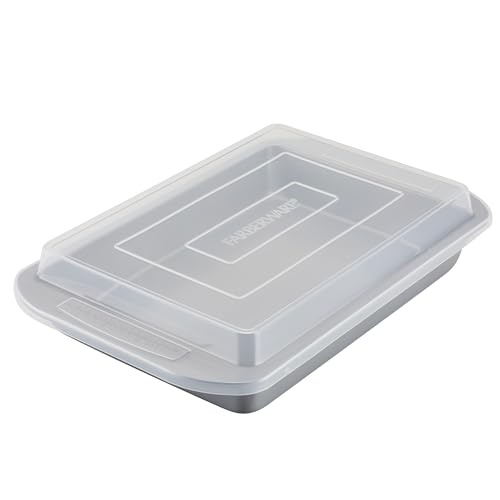
Round, square or rectangular? Check lid fit and oven limits to find the best cake pan with lid.
You frost a cake on Saturday morning, then realize it has to survive a car ride, a crowded fridge, and two hours on a counter before anyone cuts it. That is the moment the best cake pan with lid earns its cabinet space, because the cake can cool, chill, and travel in the same pan. No wrapping touches the frosting, and no extra serving dish needs washing later.
This guide focuses on real home life rather than bakery output. It weighs storage space, household size, how often you bake, and ownership cost. Use the product table above to scan sizes and lid styles, and see our broader guide to the best cake pan if you are still deciding whether a lid matters.


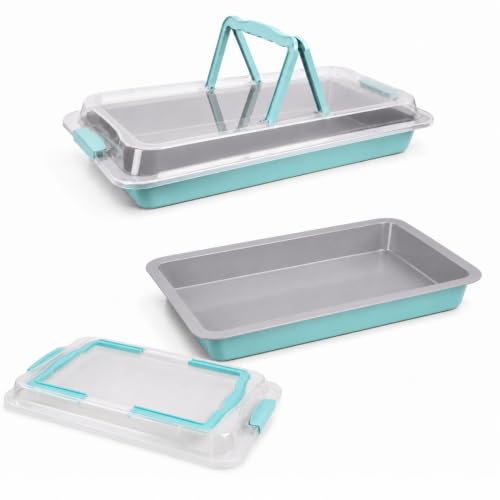


Quick Answer: Three Setups That Cover Most Homes
Most households land on one of three setups. A single round pan with a tall lid suits small kitchens and occasional baking. A matched pair of round pans suits families who bake layer cakes for birthdays. A rectangular pan with a flat lid suits potlucks and sheet style cakes that feed a crowd and ride well in a car.
- Small household: one round pan and tall lid, easy shallow cabinet storage.
- Family baking: two matching round pans so layers bake together and cool evenly.
- Sharing and travel: one rectangular pan with a flat, stackable lid.
Before You Buy: A Quick Checklist for Choosing a Cake Pan
The lid gets the attention, but the pan underneath decides how your cakes bake. Work through size, shape, finish, and lid limits in that order, and the right choice usually becomes obvious.
Size: Match It to Your Space and Your Servings
An 8 inch round pan fits small ovens and apartment cabinets, and it makes modest cakes for two to four people. Our guide to the best 8 inch cake pan helps if that is your likely size. A 9 inch round holds more batter and serves a typical family gathering, and the best 9 inch cake pan suits most standard recipes. Bigger rounds and a 9 by 13 inch pan need more oven clearance and fridge room once the lid goes on, so measure both spaces first.
Which Type Fits Your Routine
Round pans handle most birthday and layer cakes, while square pans give corner pieces and neat slices for brownies and snack cakes. Rectangular pans feed groups and store flat. Springform pans release delicate cheesecake, but their lids can fit loosely around the clasp, so they travel less securely. If material safety tops your list, see our guide to the best non toxic cake pan before choosing a coating. Pick the shape you will reach for monthly, not once a year.
Features Worth Paying For, and Ones to Skip
Pay for a lid that closes firmly on all sides, because a loose lid slides in the car and lets fridge air dry the cake surface. Straight sides give clean layer edges, and wide rim handles help you lift a full pan with oven mitts. A removable bottom helps with delicate cakes but adds a seam that can leak thin batter. Skip novelty shapes, divider inserts, and bundled tools you already own, since they raise the price and storage burden without improving the cake.
Light and Dark Finishes and Browning
Light colored metal reflects some heat, so crusts brown gently and pale cakes stay tender at the edges. Dark finishes absorb more heat, which can deepen browning and firm up bottoms, a plus for sturdy snack cakes but a risk for delicate sponges. If you switch from a light pan to a dark one, watch the first bake closely near the end of the timer. Scratches also stand out on dark coatings, while light metal shows baked on stains more readily.
Oven Safe Temperature and Lid Limits
Check the temperature rating for the pan and the lid separately, because they often differ by a wide margin. Many lids are plastic or silicone blends made for storage only, and they can warp or melt in a hot oven. The pan itself should carry a rating above the temperatures your recipes use. Handles, coatings, and lid gaskets each have their own limits too. When a listing gives only one rating for the whole set, assume it describes the pan and keep the lid out of the oven.
Nonstick Coating Versus Uncoated Metal
A nonstick coating releases sticky batters with little fuss and wipes clean fast, which suits bakers who bake often. Uncoated aluminum needs greasing and lining, but it tolerates metal tools better and never loses a coating over time. Our walkthrough on how to grease a cake pan covers the routine that makes uncoated pans release reliably. If greasing feels like a chore you will skip, coating wins. If you want a pan that ages gracefully for decades, plain metal wins.
Realistic Budget Ranges
At about $10 to $15, expect a single lightweight pan with a basic lid that does the job for occasional baking. Spending about $15 to $25 usually brings thicker metal, a taller lid, and a closure that feels secure. At about $25 to $50, you are paying for heavy gauge metal, refined finishes, and sets with two pans. Price alone does not promise even baking, so weigh gauge and lid fit ahead of brand names at every tier.
Types Compared: Which Style Suits Your Home
Match the style of pan and lid to the way your household bakes, stores, and shares cake.
For Most Homes: A Round Pan With a Tall Lid
A 9 inch round pan with a tall lid covers the widest range of home baking, from birthday layers to a simple weekend coffee cake. The tall lid clears frosted tops and modest decorations, so the cake you store looks like the cake you made. Choose this style if you bake a few times a month and want one purchase to handle celebrations and everyday cakes alike.
For Tight Budgets: A Simple Single Pan and Lid
A basic round or square pan with a plain flat lid keeps costs down and still solves the main problem, covering a cake without plastic wrap pressing into the frosting. You give up some lid height and metal thickness, so tall frosted cakes may not fit and thin metal can flex when you lift a full pan. For new bakers and anyone stocking a first kitchen, those trade offs are reasonable. Put the savings toward parchment and ingredients instead.
For Long Term Value: Heavy Gauge Metal With a Sturdy Lid
Thick aluminum or aluminized steel pans resist dents, sit flat on oven racks, and bake evenly year after year. Paired with a rigid lid with reinforced edges, this style suits bakers who bake weekly and carry cakes to gatherings often. The upfront cost is higher, but you avoid replacing a warped thin pan or a cracked lid after a couple of seasons. If you bake for a large family, this style keeps paying you back in calm, predictable results.
How These Criteria Were Chosen
The factors here come from what changes results in a home kitchen: heat distribution, clean release, resistance to warping, material safety, and ease of cleaning. They reflect manufacturer specifications, common patterns in verified buyer feedback, and the realities of small cabinets and shared fridges. The aim is to help you judge any best cake pan with lid candidate against the same steady checklist, whatever the brand or price.
Do You Really Need a Cake Pan With a Lid?
A lid earns its keep when a cake must wait. Frosting stays untouched, the crumb stays moist in the fridge, and the cake moves to a car or a neighbor porch without a balancing act. Alternatives each have a catch. A plate inverted over the pan leaves gaps that let air in, and moving the cake to a storage container risks breaking the layers and adds one more bulky item to wash.
You can skip the lid if you bake and serve the same day, own a cake carrier already, or mostly make muffins and bars in other pans. Households that bake ahead for parties or send leftovers home with guests will feel the benefit most. Think of this style, sometimes sold as a cake tin with lid, as storage and transport built into a pan you already need.
Common Mistakes to Avoid
- Buying a pan that fits your oven but not your fridge shelf once the tall lid is on.
- Assuming the lid is oven safe and ruining it during the first bake.
- Choosing a novelty shape you use once while your everyday round cakes still go uncovered.
- Paying for a large set when your cabinet can only store two pans without a stacking struggle.
- Judging a dark pan by your old light pan timing and overbrowning the first few cakes.
Cost of Ownership and Care
The purchase price is only part of what a lidded pan costs you. Replacement lids, parchment, and storage space all count. A pan in a common size makes finding a replacement lid far easier if the original cracks. Storing the lid on the pan saves shelf hunting but takes vertical room, so some owners keep lids upright in a file style rack instead.
Care is gentle and quick. Wash the pan warm and soapy, dry it fully before covering, and keep sharp tools away from any coating. Our step by step guide on how to clean a cake pan handles stubborn residue without harsh scrubbing. Avoid stacking heavy cookware inside the pan, since dents change how it sits on the rack.
FAQ: Your Questions, Answered
Can you bake a cake with the lid on the pan?
For most sets, no. Standard lids are made for storage, and trapped steam under a closed lid can make the top of the cake damp and gummy even if the lid survives the heat. Bake uncovered unless the maker states in writing that the lid is oven safe at your recipe temperature. If your cake browns too fast, tent it loosely with foil instead.
How do you clean a cake pan and its lid?
Soak the cooled pan in warm soapy water for about fifteen minutes, then wash with a soft sponge so coatings stay intact. Lids need attention along the rim channel, where batter drips and frosting collect and turn sticky over time. Dry both pieces fully before closing the set, because trapped moisture can leave stale odors the next cake picks up. Skip long soaks for springform clasps, since water lingers inside the mechanism.
How long does a cake pan with a lid last?
The pan usually outlasts the lid. Plain heavy metal can serve for decades, while coatings often show wear after a few years of regular use. Lids fail sooner through cracked corners, warped rims, or closures that no longer grip. Retire a lid when it rocks on the pan or leaves a visible gap, because that gap lets air reach the cake. Replacement lids for common sizes stretch the life of a good pan.
What makes a cake pan with a lid reliable over time?
Reliability shows up in small details rather than brand reputation. Look for even metal thickness you can feel at the rim, a lid that closes with the same firm feel on every side, and a finish without thin spots near the corners. A pan that sits flat on a counter without rocking will also sit flat in the oven. Clear printed ratings for both pieces tend to match durable construction.
Is a cake pan with a lid worth it for occasional bakers?
It can be, because occasional bakers often bake for events rather than routine snacks, and events involve waiting, chilling, and travel. The lid also covers other foods between baking days, from marinated vegetables to a tray of rolls, so it does not sit idle for months. If your few yearly cakes are served straight from the pan at home, a simple pan may honestly be enough.
Final Thoughts
The right choice comes down to fit for your oven, fridge, cabinet, and the way your household celebrates. A single round pan with a tall lid serves most homes, a simple set respects a tight budget, and heavy gauge metal rewards frequent bakers. Compare your finalists in the product table above, and choose the best cake pan with lid you will still enjoy using years from now.


