
Best 9 Inch Cake Pans: How to Choose for Your Kitchen
Disclosure: We may earn a commission when you buy through links on this page, at no extra cost to you. As an Amazon Associate I earn from qualifying purchases. Learn more

The best 9 inch cake pan depends on how often you bake, your oven and your budget. Compare aluminum, nonstick and anodized styles.
Picture a Saturday morning in a small kitchen. A birthday cake needs to be in the oven within the hour, the counter is crowded, and the only round pan in the cupboard is warped and too shallow. Choosing the best 9 inch cake pan before that moment saves the stress, and it comes down to your oven space, how many people you bake for, and what you can spend.
This guide walks through those three factors in order, covering which style suits daily home baking, what the finish and coating change in practice, and where money is worth spending. The comparison table below sums up the main styles, and our broader guide to the best cake pan covers other shapes and sizes.





Quick Answer: The Three Pan Styles Most Homes Need
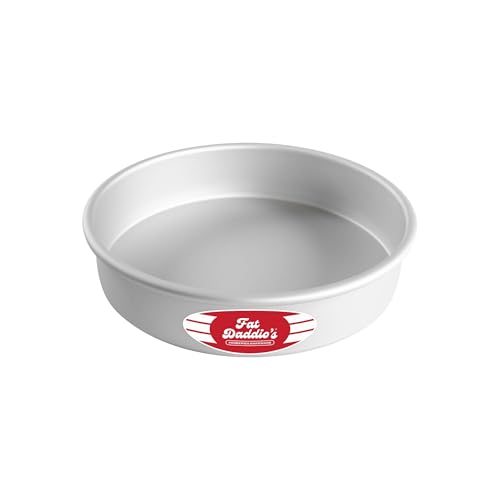
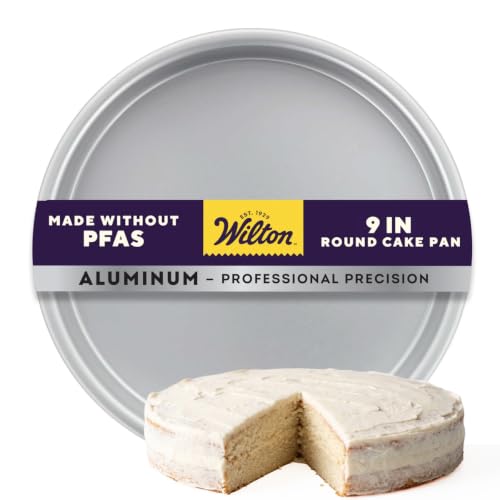
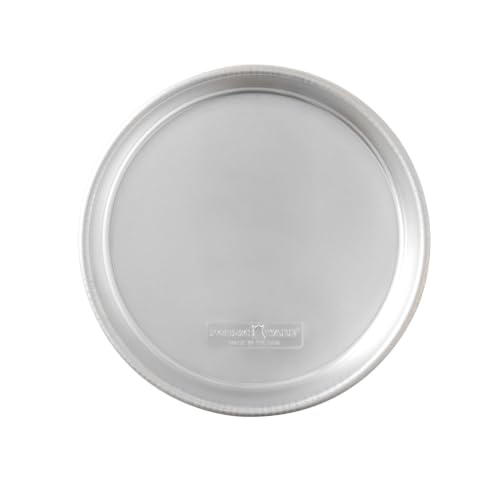
Most home bakers end up choosing between three styles. Plain aluminum is the workhorse for layer cakes and frequent baking. A nonstick coated pan suits occasional bakers who want simple release and fast washing up. Anodized aluminum sits between them, with a harder surface that handles acidic batters well and resists staining over time.
If you bake layer cakes more than a few times a year, buy two pans of the same style and depth. Baking both layers at once gives even heights and halves the oven time for one cake.
Before You Buy: A Quick Checklist for Choosing a Cake Pan
Work through the points below before you look at prices. A pan that fits your oven, your recipes, and your storage space will get used for years, while a poor fit ends up at the back of the cupboard.
Size: Match It to Your Space
A 9 inch round pan is the standard size behind most American layer cake recipes, so batter amounts and baking times match the recipe without any maths on your part. Depth matters just as much. A pan about 2 inches deep suits most sponges, while a 3 inch depth gives room for taller cakes and reduces spill risk. Measure your oven and cupboard shelf before ordering, and compare the smaller option in our guide to the best 8 inch cake pan if your oven is a compact model.
Which Type Fits Your Routine
Round pans cover birthdays, layer cakes, and most celebration baking, so they earn their storage space in almost every home. Square and rectangular pans suit brownies and sheet style bakes, but they do not replace a round pan for a classic layered sponge. If cheesecake is your regular bake, a standard round pan will not release the base cleanly, and the best springform cake pan guide explains that separate style. Buy for the cakes you actually make each year.
Features Worth Paying For and Ones to Skip
Straight sides are worth paying for, because they give layer cakes clean edges that stack evenly and take frosting without gaps. A rolled rim adds strength and makes the pan easier to grip with oven gloves. A removable bottom helps with delicate sponges and tarts, though it adds a seam that thin batter can escape from. A lid is the feature most homes can skip, since a large plate or a cake carrier does the same job for transport without adding cost.
Light Versus Dark Finish and Browning
The finish changes how the crust forms. Light colored metal reflects some heat, so cakes bake gently and the edges stay pale and tender. Dark finishes absorb more heat, so the base and sides brown faster and can dry out at the time printed in a recipe written for a light pan. With a dark pan, lower the oven temperature slightly and check the cake a few minutes early until you learn its habits.
Oven Safe Temperature
Every pan has a maximum temperature, and coated pans usually carry a lower limit than plain metal. Check the rating against the hottest recipes you bake, and remember that many coatings should never go under a broiler. Silicone grips can lower the limit of an otherwise sturdy pan. If you often bake at high heat, plain metal with no coating and no inserts gives you the widest safe range.
Nonstick Coating Versus Uncoated Metal
A coating gives easy release for sticky batters and lets you wash the pan in minutes, which suits busy households. The trade off is lifespan, because coatings wear, scratch, and lose their release over time even with gentle tools. Uncoated metal asks more of you at the start of each bake, since you grease and line it, but its surface does not wear out in the same way. Readers who want to avoid coatings altogether will find coating free options in the best non toxic cake pan guide.
Realistic Budget Ranges
At under $15 you get a serviceable single pan, usually in a lighter gauge of metal, which is fine for a few cakes a year. Spending about $15 to $25 brings thicker metal that resists warping and a more even bake, and this is the range most family kitchens should aim for. At about $25 to $50 you pay for heavier construction, longer warranties, and matched pairs. Past that point the gains are small for home use, so put spare money toward a second matching pan.
Pan Types Compared: Which Style Fits Your Home
Here is how the three main types compare on daily use, upkeep, and total cost over time.
Plain Aluminum for Frequent Bakers
Plain aluminum heats quickly and evenly, and it is light enough to move in and out of the oven without strain. It suits homes that bake often, because there is no coating to protect and the pan tolerates years of steady use. The daily habit it demands is preparation. Our step by step guide on how to grease a cake pan shows the routine that gives clean release. Very acidic batters can dull its surface.
Nonstick Coated Pans for Occasional Baking
For a household that bakes a cake every month or two, a coated pan keeps the job simple. Cakes slide out with little preparation, and washing up takes a soft sponge and a minute at the sink. That ease comes with rules. Use wooden or silicone tools only, skip abrasive pads, and avoid cooking sprays that leave a sticky film on the coating. Weigh the price against a likely shorter service life.
Anodized Aluminum for Long Term Ownership
Anodized aluminum has a hardened surface that resists scratching, staining, and the dulling that acidic fruit batters cause on bare metal. It costs more at the start, but the surface holds up through years of weekly baking, so the cost per bake falls steadily. It releases less freely than a coated pan, so lining the base with parchment stays part of your routine. For families that bake across many years of birthdays and holidays, that durability is often the sensible spend.
Our Selection Process
Pan styles are judged against five criteria: even heat distribution, reliable food release, resistance to warping, material safety for food contact, and cleaning effort. The information comes from maker specifications and patterns in verified buyer feedback about warping, coating wear, and release.
Is a 9 Inch Cake Pan the Right Size for You?
For most families, yes. A two layer cake from a pair of 9 inch pans gives roughly 12 to 16 slices, which covers a birthday party or a family gathering without leaving a mountain of leftovers. Single bakers and couples who bake small cakes may find the size generous, though the extra slices freeze well when wrapped tightly.
The size also matches the widest range of published recipes, which removes guesswork about batter amounts. If you often bake for a crowd of twenty or more, one layer cake will feel small, and a larger rectangular pan is the better tool. In a small countertop oven, measure the interior first. The pan needs clearance on every side for hot air to circulate, and a pan touching the walls bakes unevenly.
Common Buying Mistakes to Avoid
- Buying a pan deeper than your oven rack spacing allows, so the risen cake hits the element above and burns on top.
- Mixing depths when you buy a pair, so your two layers bake at different rates and stack unevenly.
- Choosing a dark coated pan for a light sponge recipe without lowering the temperature, so the edges overbrown before the center sets.
- Paying extra for lids, inserts, and novelty shapes you will store far more often than you use.
- Ignoring the stated temperature limit, so a coated pan goes under the broiler and the coating is ruined in one bake.
Cost of Ownership and Care
The purchase price is only part of what a pan costs you. Uncoated pans need parchment and a little butter or oil for each bake, a small recurring cost that a coated pan mostly avoids. Coated pans repay you in time saved at the sink, but budget for replacing them once release fades. A matched pair that nests together also saves shelf space.
For care, wash pans in warm soapy water with a soft sponge, dry them at once, and store them with a cloth between stacked surfaces. Our guide on how to clean a cake pan covers the full routine. Avoid soaking bare aluminum for long periods, since standing water can dull and pit the surface. A pan that rocks on a flat counter has warped, and no care routine will restore an even bake from it.
Your Questions, Answered
What size cake pan do I need if my recipe calls for an 8 inch pan?
You can use a 9 inch pan, but the layer will bake thinner and faster, so start checking for doneness several minutes early. Fill any pan no more than about two thirds full. The batter spreads wider instead of rising taller, which suits a trifle or a snacking cake but gives a flat layer for stacking.
How do you clean a cake pan with baked on cake stuck to it?
Fill the cooled pan with warm water and a drop of dish soap, then leave it for about 20 minutes. Baked on cake softens and lifts away with a soft sponge, so you never need a metal scourer that would scar the surface. For a stubborn ring of caramel, repeat the soak rather than scraping. Dry the pan fully before storing it.
Is a cake pan worth it if I only bake boxed mixes?
Yes, and boxed mixes are a strong reason to own this exact size. Most standard boxed mixes are portioned for two 9 inch round pans, so the batter fills each pan to the right depth with nothing left over and no overflow. A single decent pan paid for once will outlast many boxes, and the cost per bake drops to pennies within the first year of occasional use.
How long does a cake pan last?
It depends mostly on the surface and how often you bake. An uncoated metal pan used with care can stay in service for decades, since there is nothing on it to wear away. A coated pan in a home that bakes monthly often gives several good years before release noticeably fades. Warping ends a pan life sooner than wear does, so letting a hot pan cool before washing helps any type last longer.
Can I use a 9 inch cake pan in a toaster oven or an air fryer?
Only if the pan fits with clear space on all sides. Measure the interior of the appliance, not the door opening, and leave room for air to move around the pan, since blocked airflow gives pale tops and raw centers. Handles and wide rims count toward the fit. If the pan only just squeezes in, bake in your main oven instead, where the results will be far more predictable.
Final Thoughts
The right choice is the pan that fits your oven, your recipes, and your routine, and stays in good shape for years of family baking. Match the style to how often you bake, buy a matched pair if layer cakes are your thing, and spend in the middle budget range unless you have a clear reason to go higher. Chosen that way, the best 9 inch cake pan for your home stops being a guess. Look back at the product table above to compare the three styles side by side before you order.


