
Best Carbon Steel Pan for Your Home in 2026: A Quick Buying Checklist
Disclosure: We may earn a commission when you buy through links on this page, at no extra cost to you. As an Amazon Associate I earn from qualifying purchases. Learn more

Choose the best carbon steel pan by size, weight and stovetop fit, with plain seasoning and care tips for everyday cooking at home.
Picture a weeknight dinner for four in a crowded kitchen, with one burner free and a pan that has to sear chicken, finish vegetables, and go straight into the oven. That is when choosing the best carbon steel pan stops being about looks and starts being about fit. Size for your household, a weight you can lift with food in it, and a base that sits flat on your stove matter more than any single label feature.
This guide is built around your home rather than a show kitchen. It covers size, type, stovetop fit, handles, and budget, then matches three buying profiles to different households. Use the product table to compare key specs, then use the checklist that follows to narrow your choice.


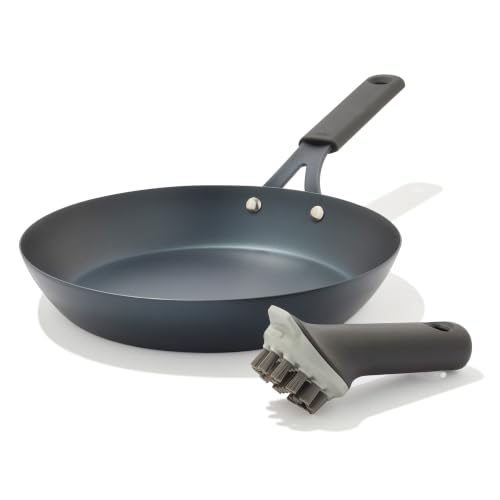
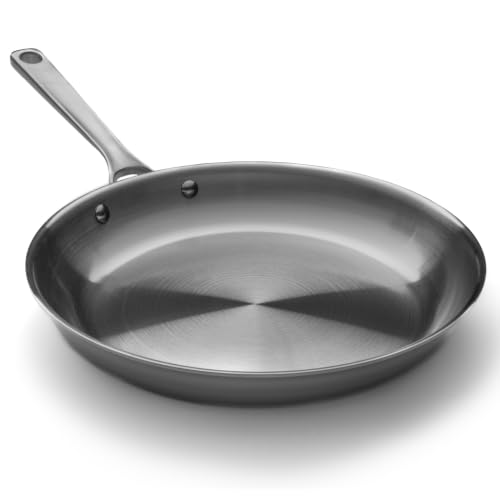

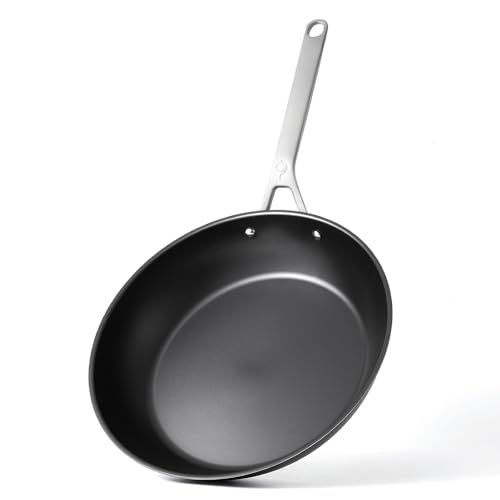
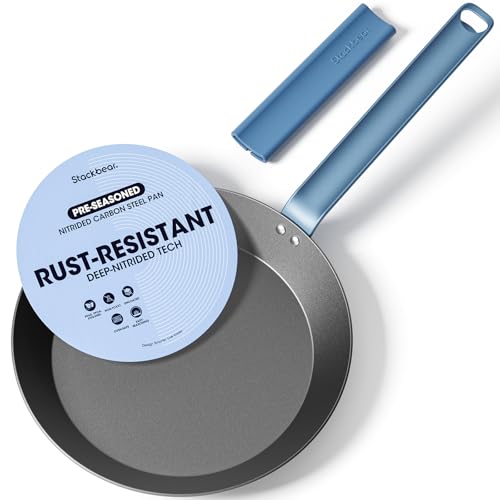

Quick Answer: Three Buying Profiles in 30 Seconds
If you cook for a family most nights, start with a 12 inch pan in a medium to heavy gauge, since the extra surface keeps food from crowding and steaming. If you cook mostly for one or two people, a 10 inch pan is easier to store and lift, and it heats faster for eggs and small batches. On a tight budget, put your money into thickness and a flat base first. Households that want the simplest start should choose a pan with seasoning already started, while keen cooks may prefer a bare pan they season themselves.
Before You Buy: A Quick Checklist for Choosing a Carbon Steel Pan
Size: Match It to Your Space
Size decides how much food cooks in one layer, and one layer is what gives you browning instead of steaming. An 8 inch pan suits a single egg, a 10 inch pan handles breakfast for two and fits most cabinets, and a 12 inch pan gives four chicken thighs room to sit apart. Measure your largest burner and your oven door opening before you buy. Leave clearance so the handle does not crowd the pan beside it.
Which Type Fits Your Routine
Bare carbon steel arrives without seasoning, so you build the surface yourself over the first few cooks, while blue carbon steel has been heat treated for a darker finish and a small head start against rust. Lightweight pans, often around 2 mm thick, heat and cool quickly and suit tossing. Heavier pans, often around 3 mm thick, hold heat through a big sear and resist warping but ask more of your wrist. If you want the lowest effort start, our guide to the best pre seasoned carbon steel pan covers pans that arrive with seasoning already started, though that layer is a foundation rather than a finish and still improves with use.
Material Safety and Coating Questions
Carbon steel is simply iron with a small amount of carbon, and it carries no synthetic coating at all, so there is no PFAS or PTFE layer and no ceramic coating that can wear away. The surface you build is seasoning, which is oil baked onto the metal in thin layers. Our overview of carbon steel vs nonstick explains how the two surfaces differ in heat tolerance, care, and lifespan. Compared with cast iron, carbon steel is usually lighter at the same size, and compared with stainless steel it releases food better once seasoned, so your choice can rest on weight and care.
Stovetop Compatibility for Gas, Electric, Glass Top, and Induction
Carbon steel works on gas and standard electric burners without special steps. On a glass top stove, a flat and smooth base matters most, since a warped base can rock, heat unevenly, and mark the surface, so lift the pan instead of sliding it when you can. On induction the pan is naturally magnetic, but the base diameter must match the induction zone or the stove may not detect it. Warm any pan gradually over medium heat and let it cool a little before rinsing, because sudden temperature changes can bow the base.
Oven Use, Temperature Limits, and Handles
Most carbon steel pans move from stove to oven, which helps when finishing a thick chop or keeping pancakes warm. The limit is usually the handle material rather than the pan body, so check the rating for any coating or insert on the handle. Plain steel handles tolerate high oven heat and give a secure grip with a mitt. A helper handle, the small loop opposite the main handle, makes a full 12 inch pan far easier to carry, and tight rivets with smooth inside heads let a spatula glide over them.
Realistic Budget Ranges
Under $50, expect a serviceable pan in a thinner or medium gauge, often with basic finishing and seasoning you build yourself, which is a sensible way to learn the material. About $50 to $100 usually buys a thicker base, smoother finishing, and a better balanced handle. Above that range you mostly pay for refinement and consistency rather than a different cooking result. Keep a little budget back for a stiff brush, a scraper, neutral oil for seasoning, and simple storage such as a rack or hanging rail.
Three Buying Profiles and What to Prioritize
The Profile for Most Homes
For a household of three to five people, a 12 inch pan around 3 mm thick covers the widest range of meals, from seared steaks to fried rice to roasted vegetables finished in the oven. Prioritize a flat and stable base, a helper handle, and sides high enough to hold food when you stir. This profile accepts extra weight in exchange for heat retention and room to cook. If storage is very tight, drop to an 11 inch pan rather than giving up thickness.
The Profile for Tight Budgets and Small Kitchens
For one or two people in a compact kitchen, a 10 inch pan under $50 makes strong financial sense and stores in a standard cabinet or drawer. Prioritize a base that sits flat on your stove and a handle you can grip securely, and accept that a thinner pan reacts faster and needs a steadier hand on the heat. This size suits eggs, grilled sandwiches, quesadillas, and leftovers reheated with crisp edges. It also works well as a second pan beside a larger one bought later.
The Profile for a Long Term Investment
If you cook daily and want one pan to keep for decades, prioritise the thickest base you can lift comfortably, smooth finishing inside and out, and a handle shape that suits your hand for lifting and tossing. The higher starting cost spreads across thousands of meals, and carbon steel has no coating to wear out and force a replacement. Check that the size fits your oven and your largest burner. Weight is the one honest trade off, so lift a similar pan in a store if you can before you order.
How to Judge Quality
Weigh heat distribution across the base, durability of the metal and handle joint, material safety, stovetop and oven compatibility, and how simple the pan is to clean and store. Maker specifications, standard material data, and patterns in verified buyer feedback about warping, seasoning, and handle comfort are the best evidence. Use these criteria as a scoring sheet, and let your stove and household size break any tie.
Matching a Pan to Your Household and Space
Solo cooks and couples usually thrive with a 10 inch pan that heats fast and washes in a small sink, while families of four or more get better browning and fewer batches from a 12 inch pan. Small apartments benefit from a pan that can live on the stove or a wall rail, since daily lifting from a low cabinet gets old quickly. A lighter pan is kinder for older cooks or anyone with limited wrist strength, and a helper handle helps every user carry a full pan safely. Think about your sink too, because a pan that cannot sit in it is slower to wash and more likely to be left soaking.
Common Buying Mistakes to Avoid
- Buying a 12 inch pan for a small burner, which overheats the center, leaves the edges cool, and makes the base prone to warping.
- Choosing the thinnest pan to save money, then fighting hot spots and a base that bows on a glass top stove.
- Ignoring handle length, so the pan fits the cabinet but not the oven.
- Expecting a factory seasoning layer to behave like a finished nonstick surface on the first morning.
- Paying extra for features your cooking never uses, such as very high oven ratings when you rarely bake or broil.
- Skipping a storage plan, so the pan sits under heavy pots that scrape the seasoning.
Cost of Ownership and Care
Owning carbon steel is cheap once the pan is home, with no filters, pads, or replacement parts to buy on a schedule. Running costs are a little oil for seasoning, a brush or scraper now and then, and the energy you already use for cooking. The real cost is a few minutes of care after each use. Wash the warm pan with hot water and a brush, dry it fully on the stove over low heat, and wipe on a trace of oil while it is warm.
Store the pan dry, never leave it soaking, and never put it away damp, because standing water invites rust. If rust appears, scrub the spot back to bare metal, dry the pan well, and add fresh seasoning before cooking again. If you are new to the routine, our step by step guide on how to season a carbon steel pan walks through the first seasoning and how to repair thin spots. Stuck food usually means the pan was too cool when food went in or too crowded, so preheat until a drop of water dances and give food room.
Your Questions, Answered
What makes a carbon steel pan reliable over many years?
A reliable carbon steel pan starts with a thick, flat base that resists warping and a handle joint that stays tight under load. Solid steel can also be scrubbed, re seasoned, and returned to service after rust or burned food. One point buyers miss is storage: a pan kept dry and unstacked keeps its seasoning intact, and intact seasoning is what makes daily cooking feel effortless year after year.
How do you clean a carbon steel pan after everyday cooking?
Clean a carbon steel pan with hot water and a brush while it is still warm, then dry it on the stove and add a trace of oil. For the full routine covering stuck food and rust spots, see our guide on how to clean a carbon steel pan. Keep a dedicated brush for the pan, because a brush loaded with strong detergent from other washing can strip seasoning faster than plain hot water does.
Is a carbon steel pan worth it for a home cook?
A carbon steel pan is worth it if you want high heat searing, oven flexibility, and a pan that improves with use instead of wearing out. The trade off is active care, since you dry it, oil it lightly, and build seasoning over the first weeks. Cooks who want to toss a pan in a dishwasher and forget it will be happier with another material. For everyone else, the low running cost and long life make the effort a fair exchange.
How long does a carbon steel pan last with regular use?
A carbon steel pan can last for decades, because the body is one piece of solid metal with no coating to fail. Lifespan depends mostly on avoiding warping from sudden temperature shocks and on keeping rust from sitting on the surface. Check handles and rivets once in a while for wobble. A pan warped early through rough heating may still cook on gas, but it will never sit perfectly flat on glass or induction again.
What should a first time buyer look for in a carbon steel pan?
A first time buyer should look for a size that matches the household, a base thick enough to resist warping, and a handle that feels secure with a mitt on. Start with one versatile pan rather than a set, and cook fatty and roasted foods early to build seasoning quickly. Eggs and delicate fish get easier after a few weeks of regular cooking, so judge the pan after that break in period rather than after the first breakfast.
Final Thoughts
Choosing well comes down to fit: the right diameter for your household, a base thick enough for your stove, a handle you trust, and a price that matches how often you cook. Look back at the product table and score each option against the checklist in this guide, giving the most weight to size, thickness, and stovetop fit. Do that, and the best carbon steel pan for your home is the one that matches your burners, your cabinets, and your table, and then quietly gets better with every meal.


