
Best Cake Pans for Your Home (2026): A Quick Guide and Checklist
Disclosure: We may earn a commission when you buy through links on this page, at no extra cost to you. As an Amazon Associate I earn from qualifying purchases. Learn more

The best cake pan for most homes is a sturdy 9 inch round in light aluminum. See sizes, finishes, and care tips.
A stuck layer, a sunken center, or a pan that will not fit your oven shelf can turn a simple birthday bake into extra washing up and a second trip to the store. Choosing the best cake pan for your home starts with how many people you feed, how much storage you have, and how often you actually bake. The comparison table below brings the main sizes and materials together so you can narrow your choice before you read the checklist.
This guide focuses on daily use. You will learn which size suits small and large households, which shapes earn their cupboard space, and what a sensible budget gets you. By the end, you will know what to buy first and what you can safely skip.
Quick Answer: Start With One Versatile Pan
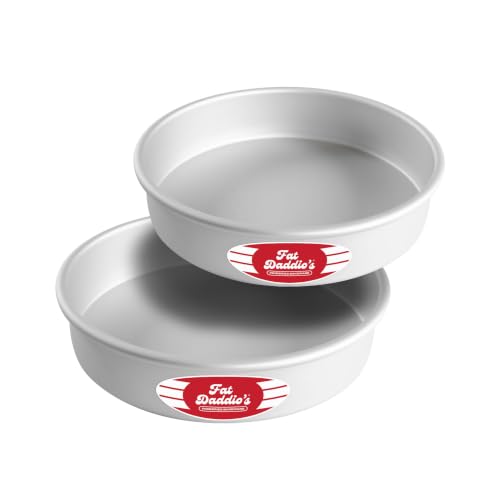
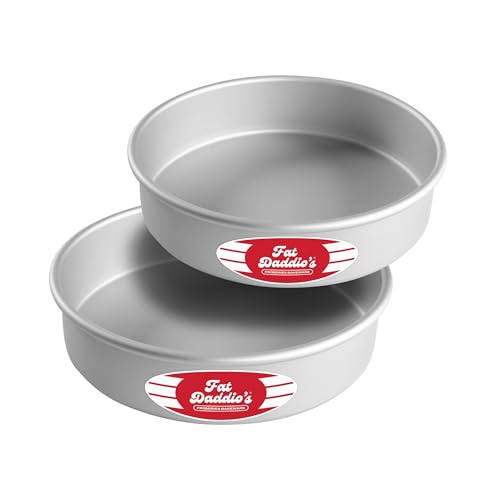
For most homes, a round 9 inch pan in light colored aluminum is the most useful first purchase. It handles layer cakes, snack cakes, and many boxed mixes, and it stores easily inside a larger pan or a sheet pan. If you live alone or bake for two, an 8 inch round gives you smaller cakes with less waste and shorter cooling time on the counter.
Buy a second pan of the same size only when you bake layers often, because two matching pans let both layers bake evenly at the same time. A square or 9 by 13 inch pan is a better second buy if you bake for a crowd.
Before You Buy: A Quick Checklist for Choosing a Cake Pan
Size: Match It to Your Space and Servings
Size controls servings, baking time, and storage all at once. A 6 inch round suits one or two people and small oven or air fryer style ovens, while an 8 inch round makes a modest layer cake for about 6 to 8 servings. A 9 inch round is the standard for most recipes and serves about 8 to 12, a 10 inch round serves a larger group, and a 9 by 13 inch pan feeds a crowd in a single layer. Measure your oven and cupboard before you buy a 12 inch pan or a large set. If you bake small celebration cakes at home, our guide to the best 8 inch cake pan explains when that smaller size is the smarter main pan.
Which Type Fits Your Routine
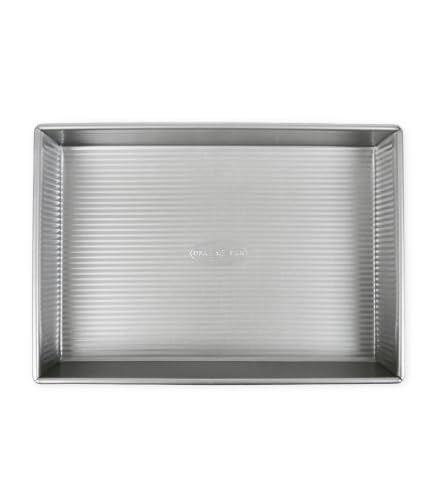
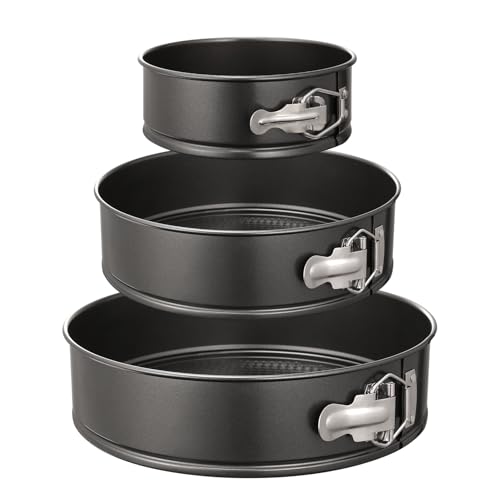
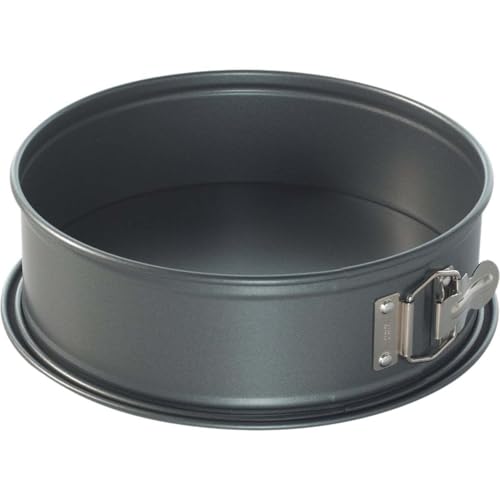
Round pans cover most birthdays and layer cakes, square pans give you clean corners and easy portion lines, and rectangular pans suit sheet style cakes and bakes you plan to frost and serve in the pan. Springform pans have a latch and a removable base, so they suit cheesecake and delicate cakes you cannot turn out, and our guide to the best springform cake pan covers that shape in detail. Heart shaped and tiered pans earn their space only if you use them more than once or twice a year.
Features Worth Paying For and Ones to Skip
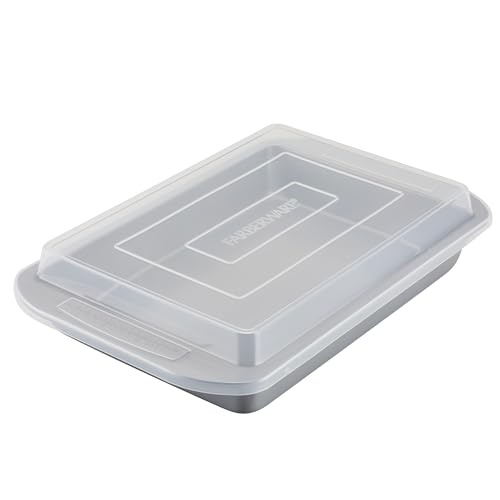
Straight sides are worth paying for on a round pan because they give layers even edges that stack and frost neatly, while slanted sides make trimming harder. A rolled rim adds strength and gives you a safer grip with oven mitts. Removable bottoms help with tarts and cheesecakes but add a seam to clean. Lids are useful only if you transport cakes often, and large decorative sets are easy to skip in a small kitchen.
Light vs Dark Finish and Browning
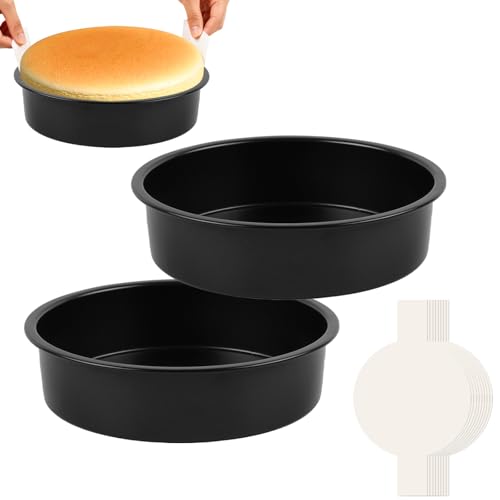
Finish changes browning more than many new bakers expect. Light colored metal reflects some heat, so cakes rise evenly and the edges stay tender, which suits vanilla, lemon, and other pale cakes where color shows. Dark finishes absorb more heat and brown crusts faster, so the bottom and sides can turn deep brown or dry out before the center sets. If you own a dark pan, lower the oven temperature by about 25 degrees and start checking a few minutes early.
Oven Safe Temperature and Material Basics
Check the stated oven safe limit before your first bake, especially with coated pans and pans with plastic handles or lids. Plain aluminum and anodized aluminum handle high heat well and heat evenly, steel is strong but can heat less evenly in thin gauges, and silicone pans feel floppy and need a firm tray under them for safe lifting. Thicker metal resists warping and spreads heat more evenly across the base. For family baking at home, our guide to the best 9 inch cake pan is a helpful next read if you want to compare that standard size on its own.
Nonstick Coating vs Uncoated Metal
Nonstick coating helps delicate cakes release with less greasing, and cleanup is fast when the coating is new and undamaged. The trade off is care, because metal tools, harsh scrubbing, and very high heat shorten the life of the coating, and a worn coating will need replacing sooner than plain metal. Uncoated aluminum asks for proper greasing and a parchment circle, but it can last for many years and tolerates everyday tools. Line the base either way for delicate cakes, because lining costs little and prevents most sticking.
Three Buying Profiles and What to Prioritize
For Most Homes: One Versatile Round Pan
If you bake once or twice a month for a household of three to five, prioritize a 9 inch round pan in medium to heavy gauge aluminum with straight sides and a light finish. That single pan covers most recipes and celebration layers without taking much storage space. Add a second matching pan later only when layer cakes become a regular habit.
For Tight Budgets: Simple and Easy to Replace
A simple uncoated or lightly coated pan at under $15 can be the best value cake pan for a first apartment, a student kitchen, or a spare pan for holiday overflow. Thinner metal may warp over time and coatings may wear faster with daily use. Choose the size you will use weekly rather than a novelty shape, and check that the rim feels firm when you press it.
For a Long Term Baking Setup: Heavier Gauge and Room to Grow
If you bake weekly, sell at local bake sales where local rules allow it, or make layered cakes for large family gatherings, prioritize heavier gauge metal, straight sides, and two matching round pans in your main size. Expect to pay about $25 to $50 for a small setup that bakes evenly for years. This level is about consistency, so both layers finish at the same time and color. Choose pans that nest together and skip shapes you cannot stack.
How to Judge Quality Without Guesswork
Start with the base. Set the empty pan on a flat counter and press each corner, because a pan that rocks or twists easily is more likely to warp in a hot oven. Look for rough edges or uneven coating. A good pan feels balanced in one hand, has no sharp rim, and shows a clear size stamp and care guidance from the maker.
Think about heat and release together. Even heating comes mainly from material and thickness, while clean release comes from preparation, the finish, and not overbaking. Judge a pan by how it fits your recipes, oven, and storage, not by long feature lists.
Quick Guide by Household and Space
For one or two people, an 8 inch round and a small square pan cover most needs without filling a cupboard. You get right sized cakes, less leftover cake going stale, and pans that fit small ovens. A 6 inch pan is also handy for testing a new recipe at half scale.
For families of three to five, a pair of 9 inch rounds plus one 9 by 13 inch pan is a practical core set. The rounds handle birthdays, and the large pan covers snack cakes and sheet cakes for guests. Store the rounds inside the large pan with a cloth between them if storage is tight.
For frequent hosts and large households, add a 10 inch round or a second rectangular pan before you buy specialty shapes. Doubling a useful size helps more than owning one of everything. Keep a springform pan only if cheesecake appears on your menu often.
Common Mistakes to Avoid
- Buying a large set before you know your main size, which fills your cupboard with shapes you never reach for.
- Choosing a dark pan for pale cakes without lowering the heat, which leads to dry edges and a domed center.
- Filling the pan past two thirds full, which causes overflow, uneven rise, and a raw center.
- Using metal knives to cut cake in a coated pan, which scratches the surface and shortens its life.
- Ignoring oven and cupboard measurements, which leaves you with a pan that fits neither place well.
- Skipping parchment on delicate cakes, which makes release a gamble even with a good pan.
Cost of Ownership and Care
The purchase price is only part of the cost. Coated pans may need replacing after a few years of heavy use, while plain aluminum can last far longer if you dry it well and store it without heavy items stacked on top. Your ongoing costs are small and mostly come from parchment and butter or spray for greasing. A weekly baker gets value from heavier metal much faster than a holiday only baker.
Daily care is simple. Wash the pan soon after use in warm soapy water, use a soft sponge on coated surfaces, and dry it fully before you put it away so water does not sit in the rim. Learning how to grease a cake pan correctly, with an even thin layer and a parchment circle for round cakes, prevents sticking better than extra spray at serving time. When residue builds up around the rim or base, following clear steps for how to clean a cake pan will restore the surface without harsh scouring that damages the finish.
Store pans nested with a soft cloth between coated surfaces, and keep springform bases with their rings so parts do not get lost. Check a pan before each bake for warping or deep scratches, and retire a coated pan when food sticks in the same spot every time.
FAQ
What makes a cake pan reliable for home baking?
Reliability comes from even metal thickness, a flat base, and a finish that suits your cakes, not from a famous name alone. A reliable pan heats without hot spots, releases cakes with normal preparation, and stays flat after repeated use. Check maker guidance on gauge and care, read recent buyer reports for warping, and choose a seller with a clear return policy. That return window is the extra point many buyers forget, and it protects you if the first bake shows a defect.
How do you clean a cake pan without damaging the finish?
Soak the cooled pan in warm soapy water for about 15 minutes, then wash it with a soft sponge and dry it fully. Soaking loosens baked edges so you do not need to scrape, which is what damages coatings and polished metal. For stubborn spots, use a paste of baking soda and water and let it sit before rinsing. Avoid leaving a wet pan to air dry overnight in the sink, because standing water in the rim can leave marks and dull the finish.
Is a cake pan worth buying if you bake only a few times a year?
Yes, one right sized cake pan is worth buying even for occasional baking, because borrowed or improvised dishes change baking time and shape. A single 8 inch or 9 inch round covers birthdays and holidays without much cost or storage. You do not need a set at this pace. Renting or borrowing specialty shapes for a one time theme cake is often smarter than buying a novelty pan you will store for years.
How long does a cake pan last with regular home use?
A plain aluminum cake pan can last well over ten years with normal care, while a coated pan often needs replacing sooner as the surface wears. Lifespan depends on heat, tools, and storage more than on time alone. A useful sign is behavior, not age, because a pan that suddenly sticks, warps, or heats unevenly has reached the end of its useful life even if it still looks fine. Keep one spare in your main size if you bake for events, so a worn pan does not ruin a deadline bake.
What is the best cake pan size for a first purchase?
The best first size for most homes is a 9 inch round, because most recipes are written for it and servings suit a small family plus guests. If your household is one or two people, an 8 inch round is a better first buy and reduces leftovers. Consider your oven and storage before going larger. Also check the pan depth, because a pan that is about 2 inches deep handles standard layers well, while a much shallower pan can overflow with the same batter.
Final Thoughts
Start simple, match the pan to your household, and let your baking habits decide what you add next. The product table above can help you compare sizes, finishes, and materials side by side once you know your main shape and budget. For most readers, the best cake pan is not the largest set or the highest price, but the one flat, sturdy pan you will reach for every time you bake. Choose that pan well, line it, and care for it, and it will serve your kitchen for years.


