Best 8 Inch Cake Pans (2026): Types and Buying Guide
Disclosure: We may earn a commission when you buy through links on this page, at no extra cost to you. As an Amazon Associate I earn from qualifying purchases. Learn more
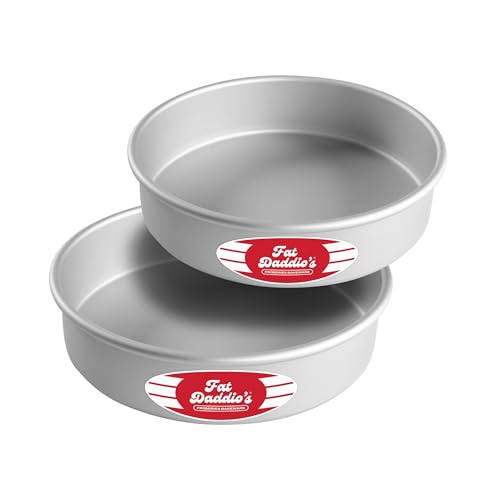
A practical guide to the best 8 inch cake pan: aluminum, anodized and nonstick types compared on finish, release and care for home bakers.
Picture a small kitchen on a Saturday morning, with one narrow cabinet for bakeware and a birthday cake to bake before lunch. That is exactly where an 8 inch pan earns its place, since it stores easily, suits a small household, and still turns out a proper celebration cake. This guide to the best 8 inch cake pan options for real homes focuses on storage space, household size, daily ease of use, and budget, and the comparison table below sums up the main types.
One good round pan, or a matching pair for layer cakes, covers most home baking. The sections below walk through size, material, finish, and care, so you can pick the type that fits your routine and skip features you will never use.






Quick Answer: Three Types Worth Considering in Your Home
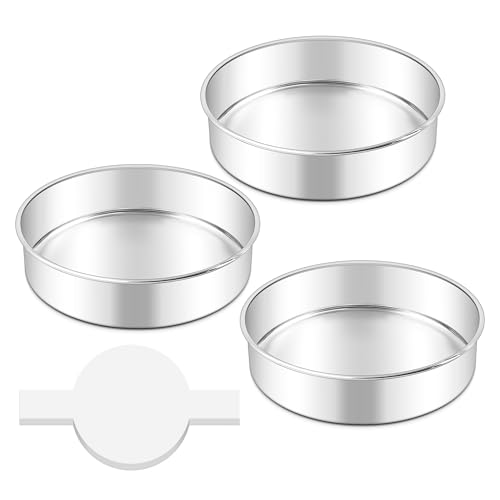
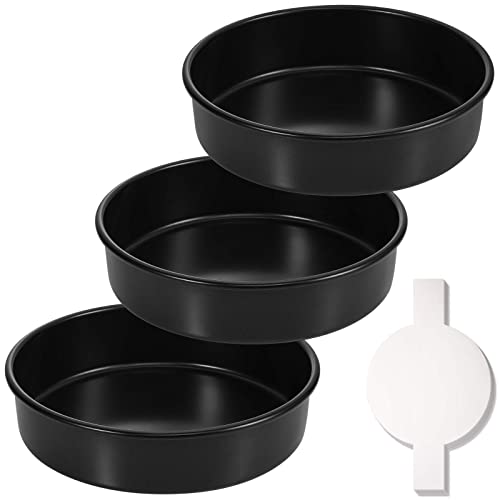
If you bake often and want a pan that lasts for years, choose uncoated aluminum or anodized aluminum with straight sides and a rolled rim. If you bake a few times a year and want the easiest release and cleanup, a nonstick coated steel pan is the practical pick, provided you treat the coating gently.
Before You Buy: A Quick Checklist for Choosing a Cake Pan
Start with the pan itself rather than the marketing around it. The points below cover what changes your results and your cleanup, whether you bake weekly or only for birthdays. For a wider view of sizes and shapes, see our guide to the best cake pan styles home bakers use most.
Size: Match the Pan to Your Space and Servings
An 8 inch round pan holds about 6 cups of batter and serves a small household without a week of leftovers. A 6 inch pan suits two people, a 9 inch pan holds about 8 cups and feeds a larger group, and rectangular pans such as the 9 by 13 inch size bake bigger single layer cakes but take far more cabinet space. If you already own a larger round pan, compare it with the best 9 inch cake pan options before buying a size that overlaps.
Which Type Fits Your Routine
Round pans are the default for layer cakes, birthday cakes, and most boxed mixes split across two pans. Springform pans have a latch and a removable base, which suits cheesecake and delicate tortes that should not be flipped out; our guide to the best springform cake pan explains when that design earns its storage space. For most homes, one or two plain round pans cover the routine, and specialty shapes can wait.
Features Worth Paying For and Ones to Skip
Straight sides matter because they give layer cakes clean edges that stack and frost neatly, while sloped sides leave a gap you must fill with frosting. A rolled rim adds strength, gives you a grip with oven mitts, and helps the pan resist warping. A removable bottom helps with cheesecake but adds a seam that can leak thin batter. A lid is handy for carrying a frosted cake, yet it adds bulk in the cabinet.
Light Finish Versus Dark Finish and Browning
Light colored metal reflects heat and bakes gently, so crusts stay pale gold and tender, which suits vanilla cakes and sponges. Dark finishes absorb more heat and brown crusts faster, which can be welcome for a crisp edge but risky for delicate batters. If you use a dark pan, lower the oven temperature slightly and check the cake a few minutes early.
Oven Safe Temperature and Material Limits
Plain aluminum and steel pans usually tolerate high oven heat without concern, and many are also safe under a broiler. Nonstick coatings have a lower heat limit, often around 450 to 500 degrees Fahrenheit, and the coating can break down if you preheat the empty pan or broil with it. Check the stated limit and match it to how you bake, since a pan used only for cakes at 350 degrees rarely needs the highest rating.
Nonstick Coating Versus Uncoated Metal
A nonstick coating releases cakes with little effort and wipes clean fast. The trade off is lifespan, since coatings wear and lose their release over time, especially with metal utensils and harsh scrubbing. Uncoated aluminum needs a little preparation before baking, but it can serve for decades. If you prefer to avoid coatings, our guide to the best non toxic cake pan focuses on plain metal and simple materials.
Realistic Budget Ranges for a Home Kitchen
Pans under $15 are usually light gauge steel or basic nonstick models that suit occasional baking. The range of about $15 to $25 buys heavier aluminum with better rims and more even results, and this is where most home bakers get the best value. Pans at about $25 to $50 are premium anodized or extra thick models for frequent bakers. Spending more mainly buys thickness and durability, not extra features.
Three Types Compared for Daily Home Baking
Instead of chasing a single winner, match the pan type to your household. Each profile below trades cost, care effort, and lifespan in a different way.
Uncoated Aluminum for Frequent Bakers
If you bake most weekends, uncoated aluminum is the workhorse choice. It heats evenly, gives straight sides and level layers, and shrugs off metal spatulas and busy storage. You do need to grease and line it for each bake, which adds a couple of minutes to your routine. For a household that bakes often, that small habit buys a pan that can last for decades with no coating to replace.
Nonstick Steel for Occasional Baking and Easy Cleanup
If you bake a handful of cakes a year, convenience matters more than longevity. A nonstick steel pan releases cakes cleanly, needs little greasing, and rinses fast after a birthday party. The coating is the weak point, so expect to replace the pan after some years of use. For households that bake rarely, paying under $15 for that ease can cost less overall than a premium pan you seldom use.
Anodized Aluminum for Long Term Value
Anodized aluminum has a hardened surface that resists scratches, stains, and reactions with acidic batters such as lemon cake. It releases food better than plain aluminum. It costs more at the start, usually about $25 to $50 for a pair, and it should be washed by hand to protect the surface. For a settled home kitchen, that balance of durability and easy release justifies the price.
Our Selection Process for This Guide
This guide compares pan types using the criteria that matter in a home kitchen: heat distribution, food release, resistance to warping, material safety, and cleaning effort. It weighs those factors alongside storage needs, household size, and replacement cost over time, drawing on manufacturer specifications and verified buyer feedback.
Is an 8 Inch Cake Pan the Right Size for You?
For many homes, yes. Two 8 inch layers give you a tall cake that serves about 12 to 16 people with party sized slices, while a single layer suits a family dessert with modest leftovers. The size fits standard home ovens with room to spare, fits most cake carriers, and slides into a cabinet easily.
Choose a different size when your household points the other way. A couple baking for two may prefer a 6 inch pan that uses half a recipe, and a home that hosts large gatherings may bake more efficiently in a 9 inch or rectangular pan.
Common Buying Mistakes to Avoid
- Buying a large set of mixed shapes that fills your cabinet, when two matching round pans would cover nearly every recipe.
- Choosing a dark nonstick pan for delicate sponges, then blaming the recipe when the crust browns too fast.
- Ignoring the pan depth, since a shallow 1 inch pan overflows with standard layer batter and bakes thin, dry layers.
- Paying extra for lids and novelty features you will rarely use, while the basic pan underneath is thin and warps.
- Assuming one pan is enough for layer cakes, which forces you to bake layers one after another and doubles your oven time.
Cost of Ownership and Care
The purchase price is only part of what a pan costs you. Uncoated pans ask for parchment rounds and a little butter or spray over the years, a small cost that keeps them in service almost indefinitely. Nonstick pans save that effort but carry a replacement cost when the coating wears. Storage matters too, since pans stacked without protection get scratched and dented.
Daily care is simple. Let the pan cool before washing, soak briefly if cake clings to the rim, and use a soft sponge rather than steel wool on coated or anodized surfaces. For stuck on residue and safe methods for each material, follow our guide on how to clean a cake pan before you reach for harsh cleaners.
Your Questions, Answered
How do you clean an 8 inch cake pan without damaging the finish?
Start by soaking the cooled pan in warm water with a little dish soap for about 15 minutes, which loosens most residue without scrubbing. Lift away softened cake with a plastic scraper or a soft sponge. For stubborn spots on uncoated aluminum, a paste of baking soda and water works gently. Dry the pan by hand right after washing to avoid mineral spots.
Is an 8 inch cake pan worth buying if you already own a 9 inch pan?
It can be, if your household is small or you bake layer cakes often. An 8 inch cake from the same batter bakes taller with thicker layers, which many people prefer for frosting and slicing, and it leaves fewer leftovers. It also lets you bake a second flavor alongside the larger cake for gatherings. If you bake only large birthday cakes, your money is better spent on a second 9 inch pan.
How long does an 8 inch cake pan last?
Lifespan depends mostly on material and care. Uncoated and anodized aluminum pans often last for decades, because there is no surface layer to fail. Nonstick pans have a shorter working life, typically a few years of regular use before release fades. A pan that has warped so it rocks on a flat surface should be replaced sooner, since batter pools to one side and layers bake lopsided.
What size cake pan do you need for a standard boxed cake mix?
A standard boxed mix makes about 4 to 5 cups of batter, which fits neatly into two 8 inch round pans for a classic layer cake. You can also bake it in one 9 by 13 inch pan as a single layer, though the cake will be thinner and needs a shorter baking time. If you use one 8 inch pan alone, fill it no more than two thirds full and bake the extra batter as cupcakes.
What is the best 8 inch cake pan for a home kitchen?
The right answer depends on how often you bake and how much care you want to give the pan. Weekly bakers do best with uncoated or anodized aluminum, which trades a little greasing effort for decades of service. Occasional bakers usually prefer nonstick steel for easy release and fast cleanup. Storage also counts, since a pan that fits your cabinet and your oven will get used, while an awkward one gathers dust.
Final Thoughts
An 8 inch round pan is the size that quietly fits real homes: modest storage, sensible servings, and results that work for weeknight desserts and birthdays alike. Choose aluminum for a lifetime pan, anodized aluminum for easier release with long service, or nonstick steel for low effort occasional baking. Look back at the product table above to compare the types, then pick the best 8 inch cake pan style for your routine. Before your first bake, read our guide on how to grease a cake pan so your first layer releases cleanly.