
Best Cable for Speakers in 2026: Matching the Right Cable to Your Routine
Disclosure: We may earn a commission when you buy through links on this page, at no extra cost to you. As an Amazon Associate I earn from qualifying purchases. Learn more
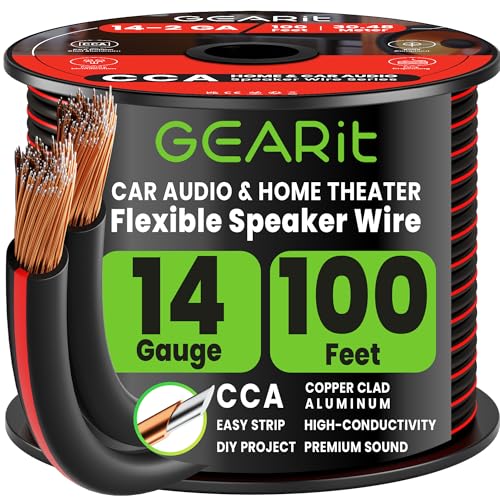
Speaker cable explained by gauge, run length, connectors and jacket class so you can match the right wire to each run.
There is no single cable that suits every stereo, because the right choice depends on the run it has to cover. A three foot link behind a shelf and a forty foot run to the far corner of a living room ask for different gauge, different jackets, and different connectors. Choosing the best cable for speakers means matching those details to your routine first, then paying only for what your setup can actually use.
This guide walks through the run classes first, then the specs that decide whether a cable is right: gauge against length, connector fit, jacket class, and conductor claims. The comparison table below sums up the common options side by side.


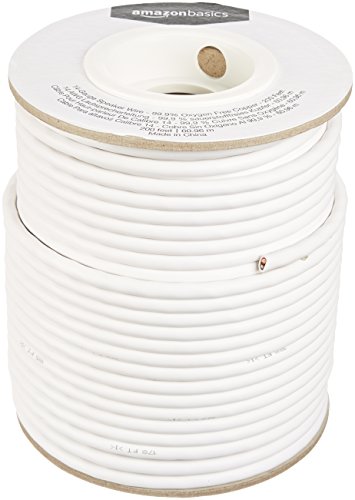
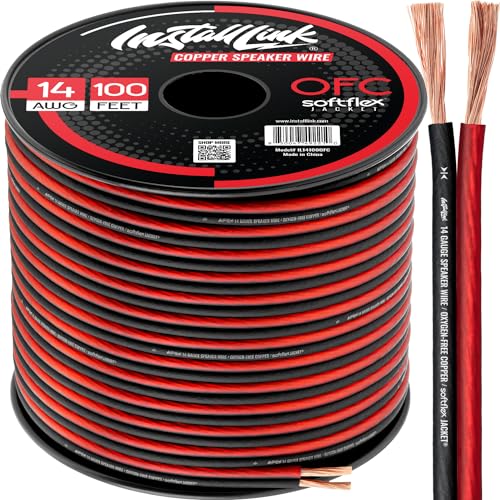
Match the Cable to Your Routine
Short Runs Across a Desk or Shelf
A desktop or shelf system usually needs runs of about three to ten feet between the amplifier and each speaker. At these lengths, almost any sound cable of 16 or 18 gauge carries the signal with negligible loss, so flexibility and tidy routing matter more than conductor size. Thin, supple cable bends around shelf edges and behind equipment without fighting you. Measure the actual path, including the drop behind the shelf, and add a small amount of slack so the connectors are never under strain.
Long Runs Across a Living Room
Surround channels and far stereo speakers can need runs of about twenty five to fifty feet, often routed around doorways and under rugs or along baseboards. Length is the deciding factor here, because electrical resistance grows with every added foot of wire. A thicker gauge, usually 14 or 12, keeps that resistance low on long runs. Plan the route before you buy, since the path around a room is often much longer than the straight line distance between the amplifier and the speaker.
In Wall and Ceiling Runs
Cable that disappears into a wall or ceiling becomes part of the building, so it has to meet the safety rating your local code expects for hidden wiring. Look for cable sold with an in wall rating, which uses a jacket tested for that use, and confirm the requirement with your local rules before you close anything up. These runs are also the hardest to replace, so buy the gauge for the longest run in the plan, not the shortest. Leave a service loop of extra cable at each end so future equipment changes do not force a new pull.
Runs to a Patio or a Second Room
Outdoor and second room runs add moisture, sunlight, and temperature swings to the length problem. A jacket rated for outdoor or direct burial use resists that exposure far better than an indoor jacket, which can crack after a season or two outside. Where a wired run is truly impractical, a wireless setup built around the best bt speakers needs no speaker cable at all, which is the honest alternative to a difficult pull. For wired outdoor speakers, keep connections off the ground and out of standing water.
Key Features to Compare
Cable listings mix real specs with decoration. The five factors below are the ones that change what you hear or how long the cable lasts. Shoppers comparing the wider family should also read our guide to the best audio cables for speakers, which covers how speaker cable sits alongside the other cables in a system.
Gauge and Run Length
Gauge describes the thickness of the copper conductor, and the numbering runs backwards: a lower gauge number means a thicker conductor. Resistance is the reason gauge matters, because a longer or thinner conductor resists the signal more, and the amplifier loses a little of its grip on the speaker. For runs under about twenty feet, 16 gauge is a sensible default for most home speakers.
For runs of about twenty to fifty feet, 14 gauge is the safer pick, and 12 gauge suits very long runs or low impedance speakers. A sound, well made cable of the right gauge is the honest buy, and it costs a fraction of the exotic options.
| Run length | Suggested gauge | Typical use |
|---|---|---|
| Under 10 feet | 18 or 16 | Desk and shelf systems |
| About 10 to 20 feet | 16 | Most stereo pairs |
| About 20 to 50 feet | 14 | Surround and far speakers |
| Over 50 feet | 12 | Long and in wall runs |
Connectors and How They Fit
Bare wire is the cheapest termination and works with almost every binding post and spring clip, but stray strands can short against the neighboring terminal if you are careless. Banana plugs add convenience for equipment you move or reconnect often, and they grip firmly in standard binding posts. Spade lugs suit posts that are checked and tightened once, then left alone. Match the connector to the terminals you actually own before ordering, and remember that powered speakers are a different case: guides to the best cables for powered speakers and the best xlr cable for speakers cover the balanced signal cables those speakers use instead of speaker wire.
Check the speaker end as well as the amplifier end before you choose. Compact speakers often carry small spring clips that accept bare wire or pin connectors, while larger speakers use full binding posts that take every termination type. A connector that fits only one end of the run is a common ordering mistake, and a mixed set, plugs at the amplifier and bare wire at the speaker, is perfectly sensible where the terminals demand it.
Jacket Classes and Where They Matter
The jacket is the outer skin of the cable, and its class decides where the cable may live. A plain indoor jacket is fine along a baseboard, while an in wall rated jacket is the one to pull through studs and ceiling spaces. Outdoor rated and direct burial jackets add resistance to sunlight and ground moisture for patio runs. Inside the jacket, a higher strand count makes the cable more flexible, which helps around tight corners, while fewer thick strands make a stiffer cable that holds a straight run neatly.
Conductors and Marketing Claims
Copper is the standard conductor, and oxygen free copper is a modest refinement that resists corrosion at exposed ends. Copper clad aluminum is cheaper and lighter, but it conducts less well than solid copper of the same marked size, so treat its gauge claims with care. Beyond that, exotic claims about cryogenic treatment, exotic plating, or directional wire are not measurable upgrades in a normal listening room. Spend the difference on the correct gauge and good connectors instead, which are the parts with real electrical consequences.
Pre Terminated or Cut to Length
Spools of bulk cable cost less per foot and let you cut each run to its exact length, which suits in wall work and multi room plans. The trade off is your time: you strip, twist, and terminate every end yourself. Pre terminated cables arrive finished with plugs fitted, which suits a single stereo pair and anyone who swaps equipment often.
Either way, buy a little more length than your measurement, because a run that falls two feet short is useless, while extra cable can coil neatly behind the rack. Small signal leads are a separate purchase again, as the guide to the best aux cable for speakers explains.
Common Mistakes to Avoid When Buying Speaker Cable
- Choosing gauge by price alone, so a long run ends up on thin cable that wastes amplifier power as resistance.
- Measuring the straight line distance instead of the real routed path, then coming up short at the far speaker.
- Running plain indoor cable inside a wall, where the jacket class does not match what the space requires.
- Leaving frayed bare wire strands at the terminals, where one loose strand can short the amplifier output.
- Paying premium prices for exotic conductor claims while the actual run needed one gauge thicker.
How to Make Your Speaker Cable Last Longer
Coil spare cable in loose loops rather than tight kinks, since sharp bends work the strands inside the jacket and can break them over time. Keep runs away from heat sources and out of walkways where chair legs and foot traffic crush the jacket. Check exposed ends once in a while: green or blackened copper at a bare termination adds resistance, and trimming back to bright copper restores the connection. If the jacket cracks or the cable has been pinched flat by furniture, replace that run rather than taping over the damage.
Label both ends of every run as you install it, especially on multi room and in wall work. A small tag naming the speaker and the room saves real detective work when equipment changes years later. Photograph hidden routes before a wall is closed, and note which gauge went where. Those two habits cost nothing at install time and turn a future fault, whether a silent channel or a crackle, into a five minute check instead of a fresh cable pull.
Speaker Cables: Your Questions Answered
What gauge of speaker cable do I need for a 50 foot run?
Choose 14 gauge for a 50 foot run to typical home speakers, and step up to 12 gauge if the speakers are a low impedance design. The reason is resistance, which grows with length and quietly eats amplifier power on thin wire. At desk distances the choice hardly matters, but at 50 feet it is the difference between a cable that disappears electrically and one that becomes part of the load. When in doubt, one gauge thicker is cheap insurance.
Can speaker cable be too thick for a short run?
No, thick cable does no electrical harm on a short run, but it can be a practical nuisance. Heavy 12 gauge cable is stiff, harder to hide along a shelf, and its strands may not fit small spring clip terminals without trimming. For a desktop pair a few feet apart, 16 or 18 gauge is easier to route and terminate neatly. Save the thick cable for the runs where its lower resistance actually earns its keep.
Do both speaker cables need to be the same length?
Keeping both runs the same length is tidy practice, but small differences are not audible in a home system. Sound travels through copper so fast that a few extra feet on one side shifts timing by an amount no listener can detect. Resistance differences from modest length gaps are equally tiny beside the other factors in the chain. Match lengths when it is easy, and do not coil a long excess run tightly beside the amplifier just to force a match.
When should I replace speaker cable?
Replace a run when the jacket is cracked or crushed, when the copper at the ends stays dark after trimming, or when a channel crackles as the cable moves. Intermittent crackle usually means broken strands inside a jacket that still looks fine from outside. Cable hidden in walls rarely needs attention unless the system changes around it. Outdoor runs deserve a yearly look, since sunlight and moisture age their jackets faster than any indoor run.
Can I use speaker cable to connect a powered speaker?
No, powered speakers take a line level signal cable, not speaker cable, because their amplifier is built into the cabinet. Feeding one with speaker wire from a power amplifier output can overload its input and damage it. Check what the speaker input expects: most accept an unbalanced lead, a balanced lead, or both. Speaker cable belongs strictly between a separate amplifier and passive speakers, which is the one job it is built for.
Final Thoughts
Start with the run, because its length and location decide almost everything: gauge follows length, jacket class follows location, and connectors follow your terminals. The product table above pulls those choices together so you can compare options against your own measurements. Buy a clean, well made best cable for speakers pick at the right gauge, route it with slack, and your system will get everything the cable can honestly give it.


