
Best Cables for Powered Speakers in 2026: Budget, Midrange, and Premium Options
Disclosure: We may earn a commission when you buy through links on this page, at no extra cost to you. As an Amazon Associate I earn from qualifying purchases. Learn more

Compare cables for powered speakers by connector, shielding, length and price tier, so you can stop hum, keep a clean signal and spend where it counts.
Powered speakers carry their own amplifiers, so the cable you buy sends a line level signal, not power to a passive cabinet. Choose the wrong type and you may hear hum, buzz, or a weak signal even from good speakers. The best cables for powered speakers match your outputs, reject noise, and reach without strain, and the comparison table below groups your options by type and price.
Prices spread widely, from a few dollars for a short RCA lead to much more for a long balanced cable built for stage use. This guide shows where extra money buys real protection against noise and wear.


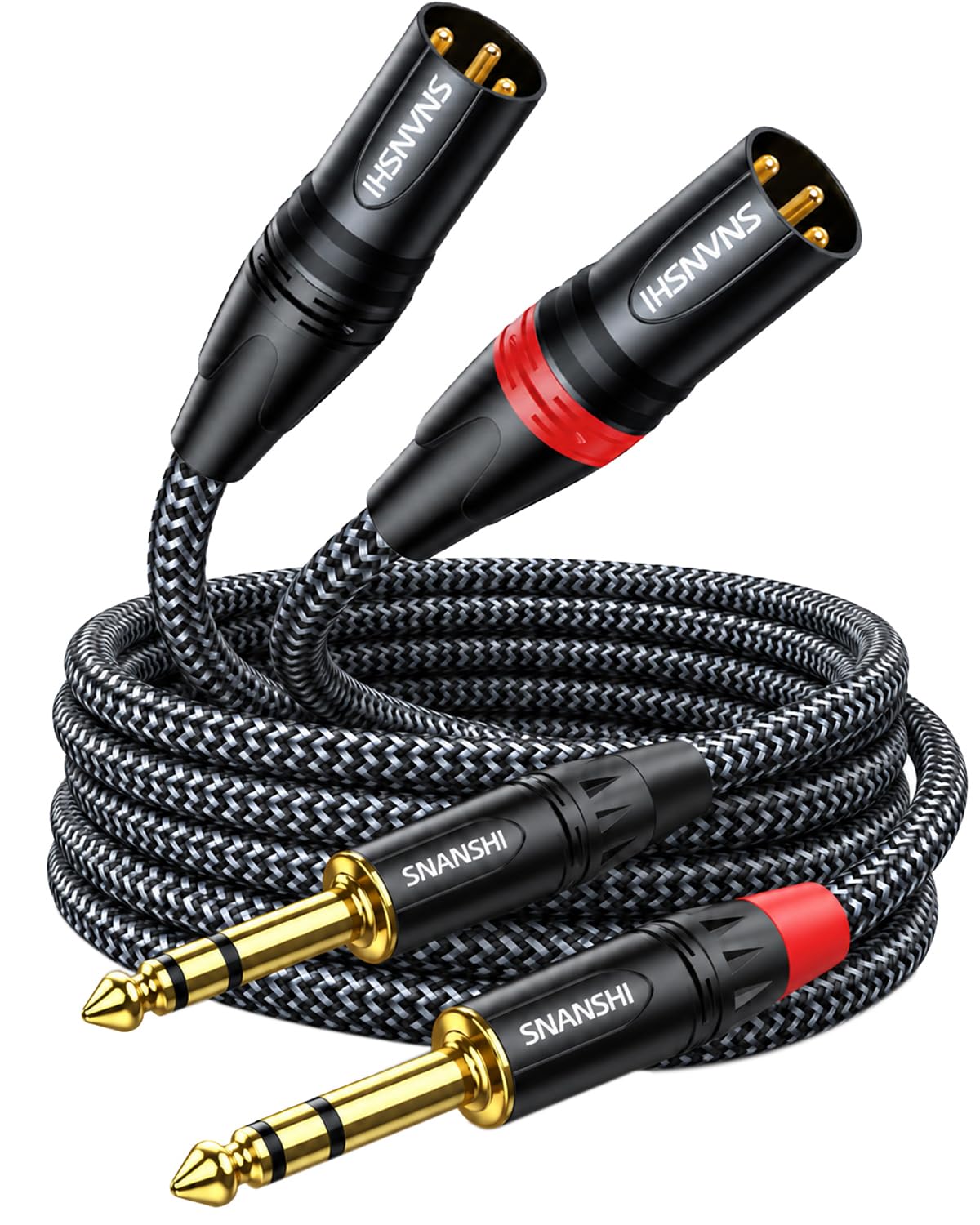

Who Should Buy Which Cables for Powered Speakers?
Your source, your speaker inputs, and the distance between them decide the cable before price does. Start with the group that sounds like your setup.
Home Studio Owners With Powered Monitors
You sit close and hear small flaws that a living room hides. Use balanced XLR or TRS cables from your audio interface when both ends support them, and keep lengths only as long as your desk needs. If you are still choosing speakers, see our guide to the best powered speakers before you settle on lengths for a fixed desk.
Performers and DJs With Portable PA Speakers
You set up in new rooms, run cables across floors, and coil them again the same night. Choose balanced cables with tough jackets, strong strain relief, and lengths that reach each speaker with slack to spare. Carry one spare in each length you depend on, because a cable that fails at sound check has no easy substitute.
Home Listeners With Powered Bookshelf Speakers
Your runs are short and mostly hidden, so flexibility and tidy routing matter more than stage toughness. Many models in our guide to the best powered bookshelf speakers accept RCA or a single stereo lead, and a neat short cable keeps the shelf clean. Buy balanced cables only if both ends offer balanced sockets.
Key Features to Compare
Compare these factors in order. Connector type and shielding change your sound far more than a brand name does.
Balanced XLR and TRS Versus Unbalanced RCA and TS
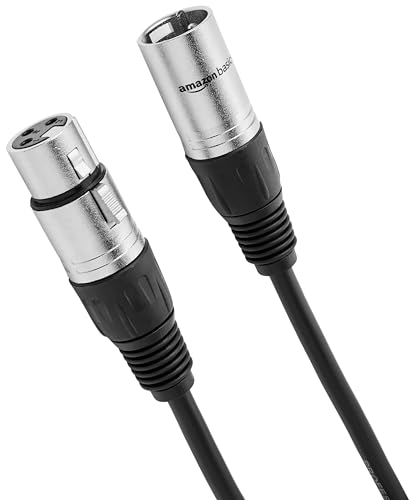
A balanced cable carries the signal on two conductors with opposite polarity, and the receiving input cancels noise picked up along the way. TRS plugs carry that balanced signal on a quarter inch connector, while RCA and TS cables are unbalanced and suit short runs in quiet rooms. If your mixer or interface offers balanced outputs, read our guide to the best xlr cable for powered speakers for a deeper look at that connector family.
Shielding That Keeps Hum and Buzz Out
Shielding wraps the signal conductors and drains interference from lights, power supplies, and nearby power cords before it reaches the speaker input. Braided shields cover the core well and survive repeated bending, while foil shields cover fully but tear sooner when a cable flexes often. Dense coverage matters most near dimmers, where a thin shield lets a faint buzz ride into quiet passages.
Cable Length and Signal Loss
Buy the shortest cable that reaches with a gentle curve and a little slack at each end. Unbalanced RCA runs should usually stay under about 15 feet, because they collect more noise and lose some treble as length grows. Balanced cables handle far longer runs, often 50 feet or more, with little change. Measure the real path along walls and add about 2 feet so plugs never pull sideways.
Connector Build, Latch Fit, and Strain Relief
The plug fails more often than the cable itself, so inspect how each end is built. Metal XLR shells protect the pins, a firm latch stops a plug sliding out when someone trips near a stand, and snug barrels keep contact when a speaker vibrates. Strain relief, the flexible boot where cable meets plug, spreads bending over a longer section. A stiff boot that ends abruptly lets inner wires break at that point after months of coiling.
Jacket Flexibility and Floor Durability
Jackets decide how a cable coils, how it lies, and how long it survives underfoot. Thick rubber or heavy PVC jackets shrug off shoes and stand legs, which suits stage and rental use. Slimmer, softer jackets bend around desk corners and behind shelves without pushing light gear out of place. A jacket that kinks easily can damage the shield inside each time you force it flat.
How Cable Price Tiers Differ in Build and Shielding
When you shop for the best cables for powered speakers, price mostly buys build quality, shielding coverage, and length, not a new tonal character. These tiers use typical prices for a single cable of about 10 to 25 feet.
Budget Tier: Simple Cables for Short, Quiet Runs
Budget cables cost about $10 to $20 and cover short RCA links or basic balanced leads in a calm room. Expect thinner shields, molded plugs, and jackets that dislike daily coiling. The trade off is lifespan, so treat them gently and keep one backup if the system matters to you.
Value Tier: Better Shielding and Plugs Most Buyers Notice
Cables at about $20 to $40 usually add a denser braid, metal connector shells, and strain relief that survives regular setup and teardown. This is where most studio and home buyers should land, because the gains are practical: fewer intermittent crackles, plugs that still grip after a year, and jackets that coil without a fight.
Premium Tier: Stage Grade Build for Long Runs and Rough Handling
Premium cables at about $40 to $80 buy heavy jackets, locking XLR hardware, low capacitance wire, and construction meant for touring or permanent installs in large rooms. The sound over a short desk run will match a good value cable, so pay this much only when length, foot traffic, or reliability demands it.
Best Cables for Specific Needs
Some setups bend the general rules above. Studio monitors are the clearest case, because you listen close for small details.
Best Cable for Powered Monitors: Where Your Money Goes
The best cable for powered monitors is a balanced XLR or TRS lead with dense shielding, bought in a matched pair of equal length. Nearfield listening exposes hum that a party speaker would mask, so balanced connections matter more here than exotic conductor claims. Route both cables away from monitor power bricks. If your turntable feeds the same speakers, our guide to the best powered speakers for turntable explains the phono stage those speakers need before any cable choice matters.
Common Mistakes to Avoid
- Using an unshielded speaker wire lead for a line level input invites hum, because that wire has no shield to drain interference.
- Buying a guitar cable for a powered speaker input adds noise on longer runs, because instrument cables are unbalanced and built for a different signal.
- Stretching a cable that is slightly too short strains the plug and socket, so the connection crackles whenever the speaker shifts.
- Running signal cables tightly alongside power cords for a long distance lets mains hum leak into quiet material.
- Crushing a coiled cable in a case lid breaks inner conductors and creates faults that come and go.
- Mixing one balanced and one unbalanced cable in a stereo pair leaves one speaker noisier than the other.
Care and Maintenance for Speaker Cables
Coil cables in loose loops that follow their natural curve, and secure each coil with a soft tie rather than wrapping the tail tightly around the bundle. Store them dry and out of direct sun, away from heavy gear that can crush a plug.
Inspect plugs every few months for bent pins, loose shells, and crackling that appears when you move the cable near the boot. A cable that crackles only when flexed has broken strands inside and should be replaced, not taped. Note that a passive speaker lead is a different product entirely, as our guide to the best cable for speakers covers that unshielded wire and its gauge choices.
Frequently Asked Questions
What features matter most in cables for powered speakers?
Connector match, balanced wiring, and shielding matter most in cables for powered speakers. Also check the input sensitivity switch found on many powered speakers, since a cable feeding a very hot signal into a low setting can sound harsh even when the cable itself is fine.
How long can a cable for powered speakers be before sound suffers?
A balanced cable for powered speakers can usually run about 50 to 100 feet before you need to think about loss. Unbalanced cables give up much sooner, often past about 15 feet. Placement helps too: raising a long run off a floor shared with power strips reduces the noise it collects.
Can speaker wire or a guitar cable feed powered speakers?
No, speaker wire and guitar cables are the wrong tools for powered speaker inputs. Speaker wire carries an amplified signal to passive cabinets and has no shielding, while a guitar cable is unbalanced and often adds handling noise.
Do premium cables make powered speakers sound better?
Premium cables rarely change the tone of powered speakers over short runs. What they change is the odds of a silent background and a connection that still works after years of setup cycles. If your current cables are quiet and secure, spend the difference on speaker placement first, since moving a speaker off a hollow desk often improves clarity more.
Should left and right cables for powered speakers match in length?
Yes, matching left and right cables for powered speakers keeps routing tidy and troubleshooting simple. The audible timing gap from a few extra feet is far too small to hear, so do not worry about perfect symmetry for sound alone. Matching lengths help because a fault is easier to trace, and a spare then fits either speaker.
Our Verdict
Match the connector first, choose balanced cables when your gear allows them, and buy the shortest length that reaches without strain. Spend into the value tier for shielding and plug quality, and reserve premium builds for long or rough stage runs. Check your shortlist against the product table above before you order.
Chosen that way, the best cables for powered speakers disappear from your attention, which is exactly the job. Your speakers get a clean, quiet signal, and your money goes to build quality you will actually use.


