Best Bread Knife Under 50: Length, Teeth and Handle Guide (2026)
Disclosure: We may earn a commission when you buy through links on this page, at no extra cost to you. As an Amazon Associate I earn from qualifying purchases. Learn more

Best bread knife under 50 guide to blade length, serration styles, steel and handles for clean slices on a budget.
A loaf cools on a narrow counter, the cutting board barely fits beside the sink, and a smooth kitchen knife just crushes the crumb instead of slicing it. That small daily frustration is exactly why a best bread knife under 50 makes sense for many homes. You do not need a costly blade to get clean slices, but you do need the right length, tooth shape, and handle for your space and the bread you actually bake or buy.
This guide helps you choose by household size, drawer and counter space, and how often you slice. Use the product table to scan the main options, then work through the checklist before you spend anything. If your budget can stretch further, our guide to the best bread knife covers the wider field beyond this price cap.


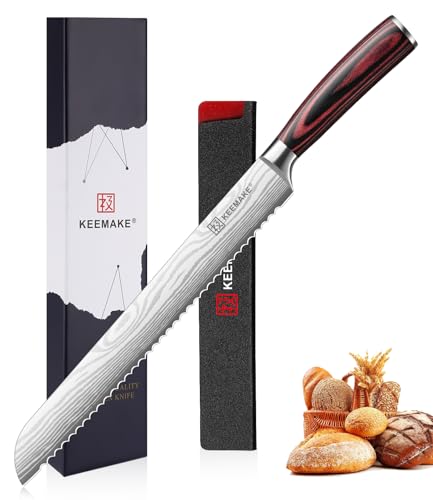
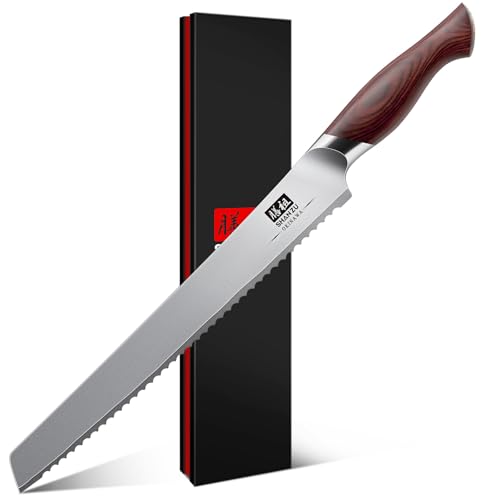

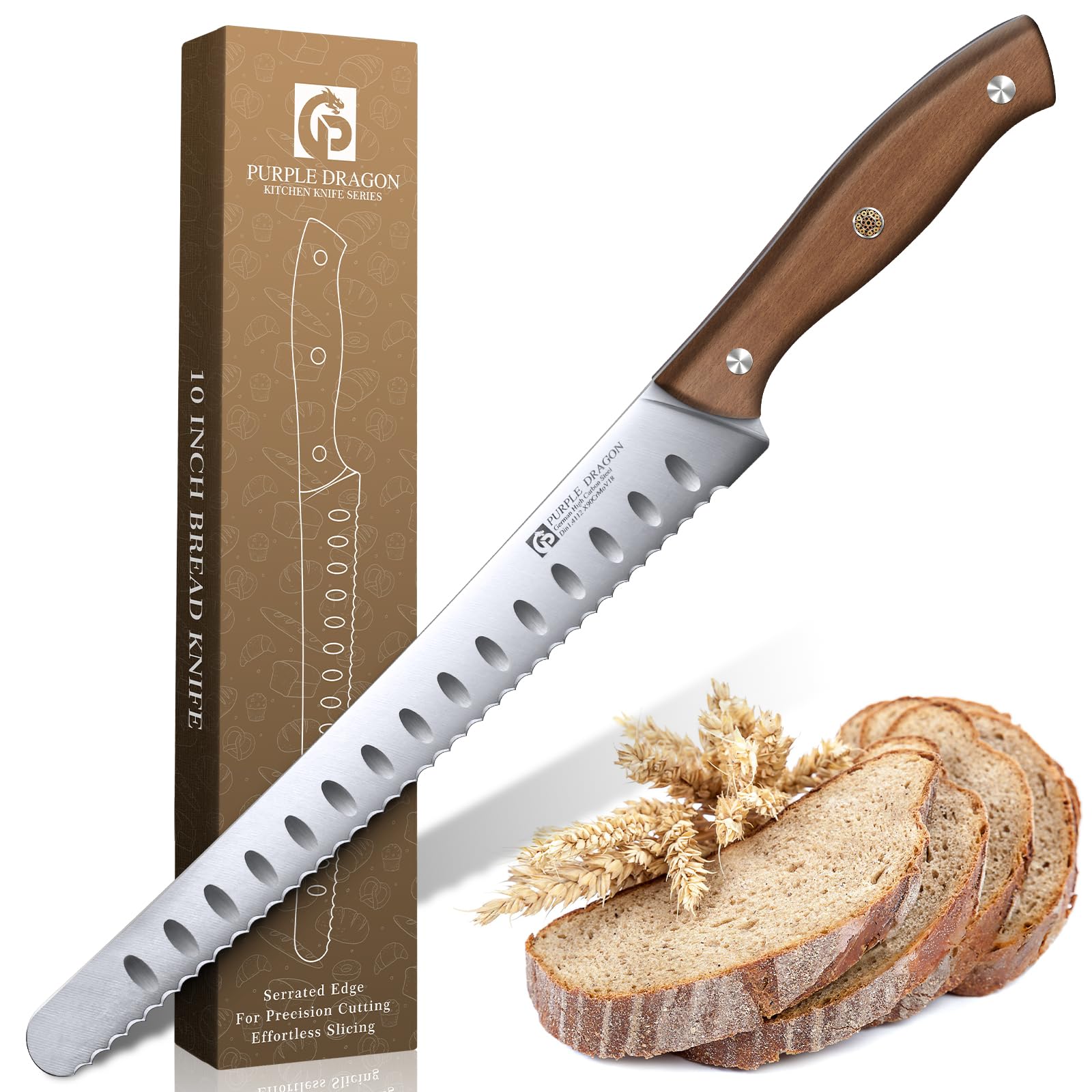
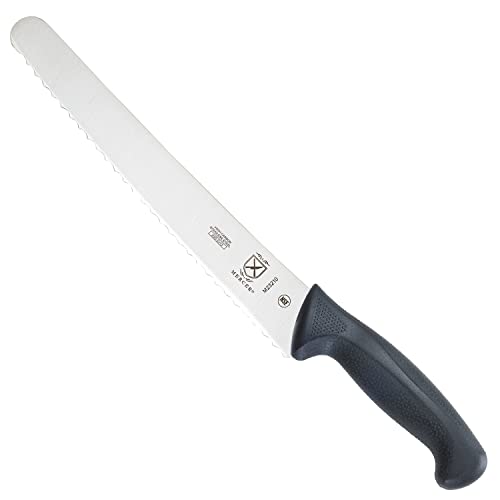

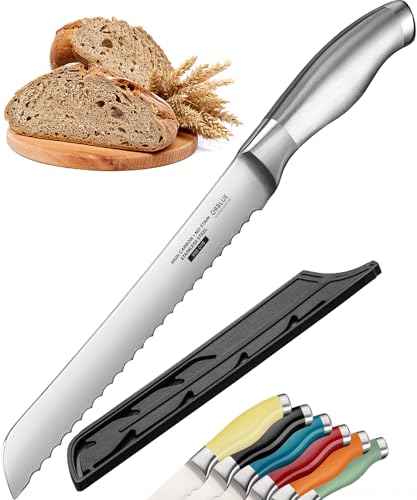
Quick Answer: What Fits Most Homes Under $50
For most households, a standard serrated knife around 8 to 9 inches hits the sweet spot. It fits a normal drawer, handles sandwich loaves and small boules, and leaves room in the budget for a blade guard. Homes that slice wide rustic loaves weekly may prefer 10 inches, while tight kitchens do better with 8 inches.
At this price, spend first on tooth shape and handle comfort, not on decorative finishes. A blade that starts each cut without tearing and a handle you can hold securely matter every single day.
Before You Buy: A Quick Checklist for Choosing a Bread Knife
Six factors decide whether a bread knife feels right in your kitchen. Work through them in order, since size and tooth shape narrow the field first.
Size: Match It to Your Space
An 8 inch blade suits small sandwich loaves, bagels, and tight drawers, and it is the easiest size to control. A 9 inch blade adds a little stroke length for wider pan loaves without feeling clumsy. A 10 inch blade shines on large round loaves, where a longer stroke lets the teeth work instead of your arm. A 12 inch blade helps with oversized bakery loaves, but it needs a long drawer or wall strip. Measure your storage before choosing the longest option.
Which Type Fits Your Routine
A standard serrated knife is the all purpose choice for mixed breads, rolls, and the odd tomato or melon. An offset blade drops the handle above the cutting line, so your knuckles clear the board on the final slice. A bow shaped frame suits very soft loaves, though storage is less simple. Wide serrations bite into thick crusts, while finer teeth glide through tender crumb with less tearing. Match the type to the loaf you cut most, and learn the sawing motion in our guide on how to use a bread knife once it arrives.
Steel Type and Hardness
Most knives in this price range use stainless steel, which resists rust in busy kitchens where a blade may sit in the sink for a while. High carbon stainless blends hold an edge better while keeping care simple. Hardness, often listed as HRC, is worth a glance when a listing gives it, since a middle range balances toughness with teeth that can be serviced later. Softer steel dulls sooner but shrugs off rough handling, while harder steel needs more care around frozen crusts. For most homes, the middle is the sensible pick.
Blade Geometry: German Versus Japanese Styles
German style bread knives tend to be a bit thicker and heavier, with deep scalloped teeth built for hard crusts and daily use by several people. Japanese style blades are usually thinner and lighter, with finer teeth that reward a light touch and give very clean slices on delicate crumb. Choose the heavier style if your household is rough on tools or cuts dense loaves often. Choose the lighter style if you bake soft enriched breads and prefer slicing with less force.
Handle, Bolster, and Balance
A handle should fill your hand without forcing a tight curl, and its surface should stay secure when your hands are damp or dusted with flour. A large bolster can protect fingers, but on a bread knife it sometimes blocks the full stroke near the heel. Balance matters too. A blade heavy knife tires the wrist on a big batch, while a handle heavy knife can feel vague at the tip. Even weight suits most home bakers.
Realistic Budget Ranges
Under about $20, expect basic stamped steel, simple plastic handles, and teeth that do honest work for a year or two of light use. Between about $20 and $50, you gain better steel, more comfortable handles, and cleaner tooth grinding with less crumb damage. Above about $50, gains turn smaller, mostly finer finishes, thicker tangs, and longer warranties. Aim for the upper middle band if you slice daily, and the lower part if bread is a weekend habit.
Best Bread Knife Under 50: Serrated Styles for Different Homes
Compare the three styles below against your household. Each can be the right buy under $50 when it matches your loaves, storage, and users.
Standard Serrated Knives for Most Homes
The straight standard style is the safest choice for mixed households. It lives in a drawer, slices sandwich bread on weekdays, and handles a crusty weekend loaf without drama. Teeth of medium depth suit both tender crumb and moderate crust. If several people share the knife, it also forgives varied technique and pressure. For families working through tall sourdough boules, compare this style with the advice in our guide to the best bread knife for sourdough before you decide on length.
Offset Knives for Tight Counters and Large Loaves
An offset knife raises the handle so the blade can finish a slice flat on the board while your hand stays above it. That geometry helps when you portion wide loaves on a small board, because you never need to angle the knife at the end of the cut. It also helps bakers with sore knuckles, since the hand stays in a neutral position. The trade off is storage, as the bent shape fits fewer blocks and guards. Our guide to the best offset bread knife explains the shape in more depth.
Bow and Wide Serration Styles for Crusty Baking
Wide, deeply scalloped teeth grab thick, hard crust and start the cut without skating across the surface. That matters for bakers who pull crackling loaves from a Dutch oven every week. A bow style frame, by contrast, uses a thin blade that flexes slightly and slices soft loaves with almost no compression. Both are specialist tools, so buy one only when your baking leans that way. If crust is your main challenge, our guide to the best bread knife for crusty bread goes deeper on tooth depth and crust behavior.
Our Selection Process for Bread Knives Under $50
We judge options in this price band on five points: steel and edge retention, balance and comfort in the hand, sharpness of the teeth as delivered, ease of upkeep, and value for the money. We rely on maker specifications, verified buyer feedback about daily use, and the checklist factors above. A knife earns a place only when its strengths match a clear household need.
What You Get (and Give Up) Under $50
Under $50, you can honestly expect a lot: sound stainless steel, teeth that slice cleanly for years of home use, and handles that stay comfortable through a full loaf. What you give up sits mostly in the details. Edge retention trails costlier steels, so plan on professional sharpening now and then. Finishes may scratch sooner, handles are usually molded, and a full tang is uncommon at the lower end.
You also give up some specialty shapes, since unusual lengths and very fine Japanese style teeth cluster above this cap. None of that affects a weekday sandwich or a Sunday boule. For households spreading a kitchen budget across many tools, this band is a rational place to stop. That is why the search for a best bread knife under 50 option ends well for most buyers who choose by fit rather than by finish.
Common Buying Mistakes to Avoid
- Buying a 12 inch blade for a small kitchen, then storing it loose because no drawer or block slot fits it.
- Choosing the finest teeth for hard crust loaves, so the blade skates and tears instead of starting the cut.
- Ignoring who else uses the knife, then bringing home a heavy blade that a smaller handed partner avoids.
- Paying for a large matching set when only the bread knife was missing, which drains budget from blade quality.
- Assuming a serrated knife never needs service, then forcing a dull blade through crust and crushing every slice.
Cost of Ownership and Care
Ownership costs stay low in this band. Budget a few dollars for a blade guard or a magnetic strip spot, since serrated teeth suffer when they rattle loose in a drawer against other tools. Professional sharpening for serrated edges often costs about $10 to $25 per service, because each tooth needs attention. Our guide on how to sharpen a bread knife explains your options before you pay for that service.
Store the knife dry, keep it out of the dishwasher, and wipe it soon after cutting acidic foods. Never use the teeth to scrape crumbs off the board, which rolls the points sideways. Used this way, total cost over its life stays close to the purchase price.
Your Questions, Answered
What makes a bread knife brand reliable?
Reliability shows up less in a name than in consistency. Look for clear steel information on the listing, teeth that look even from heel to tip in photos, and a stated warranty with a simple claim process. Brands that publish hardness figures tend to control quality better. Recent buyer feedback mentioning bent tips or loose handles tells you more than any single glowing review.
How do you clean a bread knife without dulling the teeth?
Wash the knife by hand in warm soapy water right after use, moving the sponge along the flat of the blade away from the teeth rather than across them. That direction protects both your fingers and the tooth points. Rinse, dry each side with a towel using the same motion, and put it away at once. Drying promptly matters most after cutting tomatoes or citrus.
Is a bread knife worth it if you already own a chef knife?
It depends on how much crusty or soft fresh bread you slice each week. A chef knife compresses tender crumb and can skate on hard crust, so households baking or buying whole loaves several times a week feel the difference at once. If you mostly buy presliced bread, a bread knife adds little. A serrated blade also portions a partly thawed loaf neatly, a job that frustrates most smooth blades.
How long does a bread knife under $50 last?
With home use and sensible storage, expect several years of good slicing, and often much longer for weekly use. Serrated teeth protect their inner edges from board contact, which is why these knives stay useful after a straight blade would feel dull. Lifespan shortens fast with dishwasher cycles and cuts on glass or stone boards. When slices start needing heavy pressure and extra strokes, the teeth are telling you their service life is ending.
Can you get a good bread knife for under $50?
Yes, and the secret is spending the budget on the blade rather than the presentation. A simple handle in a modest material leaves more of the price for better steel and cleaner tooth grinding. Skip gift boxes, bundled sharpeners, and decorative coatings, and you will likely end up with a knife that slices well for years.
Final Thoughts
Match length to your loaves and your storage, pick teeth for your crust, and let handle comfort settle close calls. Do that, and the best bread knife under 50 choice for your home becomes an easy one, with money left for good flour. Look back at the product table above to compare the styles side by side, then choose the one that fits your household routine best.