
Best Bow Bread Knife: Size, Steel and Frame Explained (2026)
Disclosure: We may earn a commission when you buy through links on this page, at no extra cost to you. As an Amazon Associate I earn from qualifying purchases. Learn more

Best bow bread knife guide to blade length, steel, frame materials and replaceable blades for even slices at home.
A crusty loaf is cooling on the counter, the board barely fits beside the sink, and a standard knife keeps knocking your knuckles against the crust. The best bow bread knife solves that problem, because its frame lifts your hand clear while the thin serrated blade does the slicing. The product table sums up the main options so you can match one to your space, your household, and your budget.
If you bake for two people, you need something compact and easy to store. If you bake for a full house, you need length, control, and a blade that stays useful through loaf after loaf. For a broader starting point, see our guide to the best bread knife before you narrow your choice to a bow design.

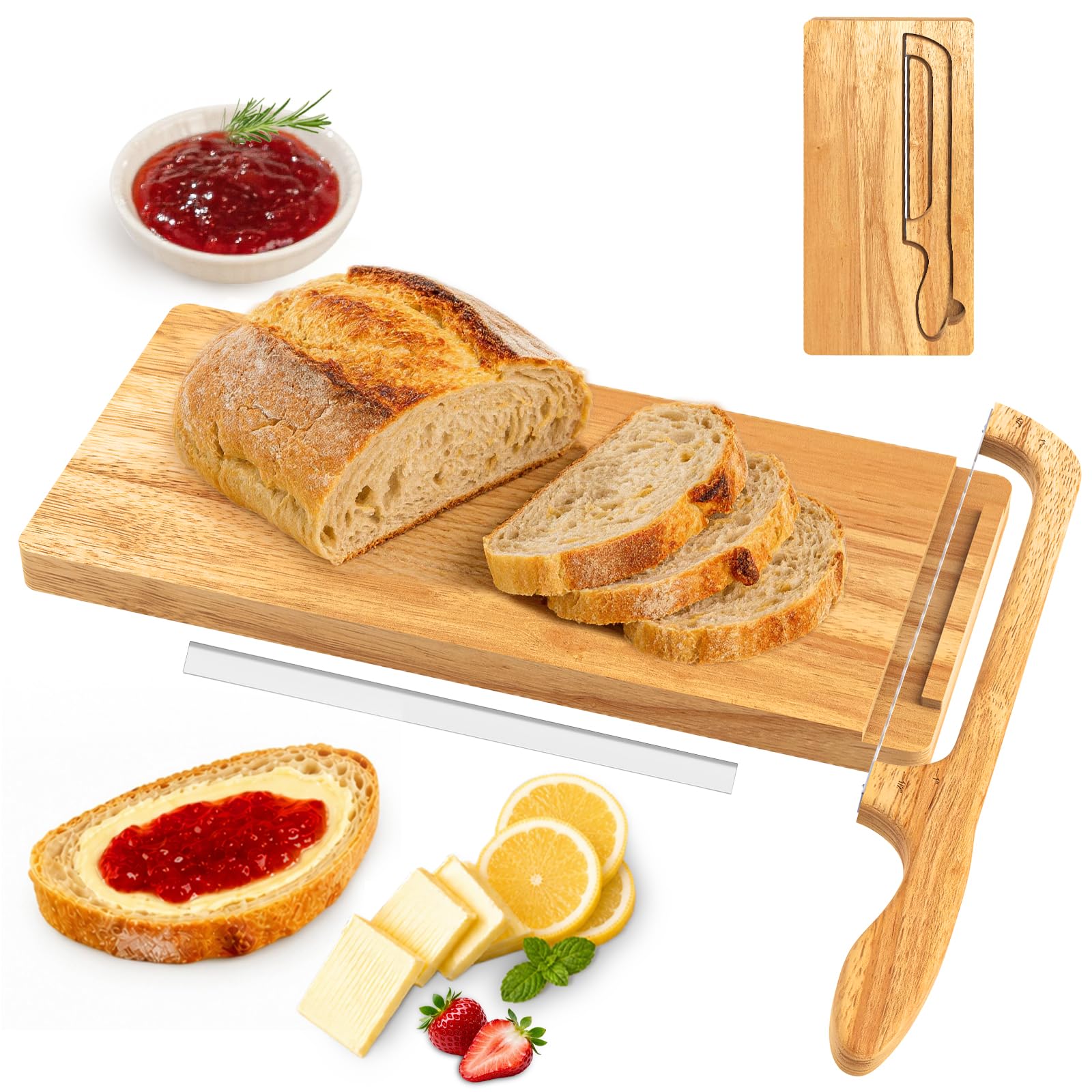
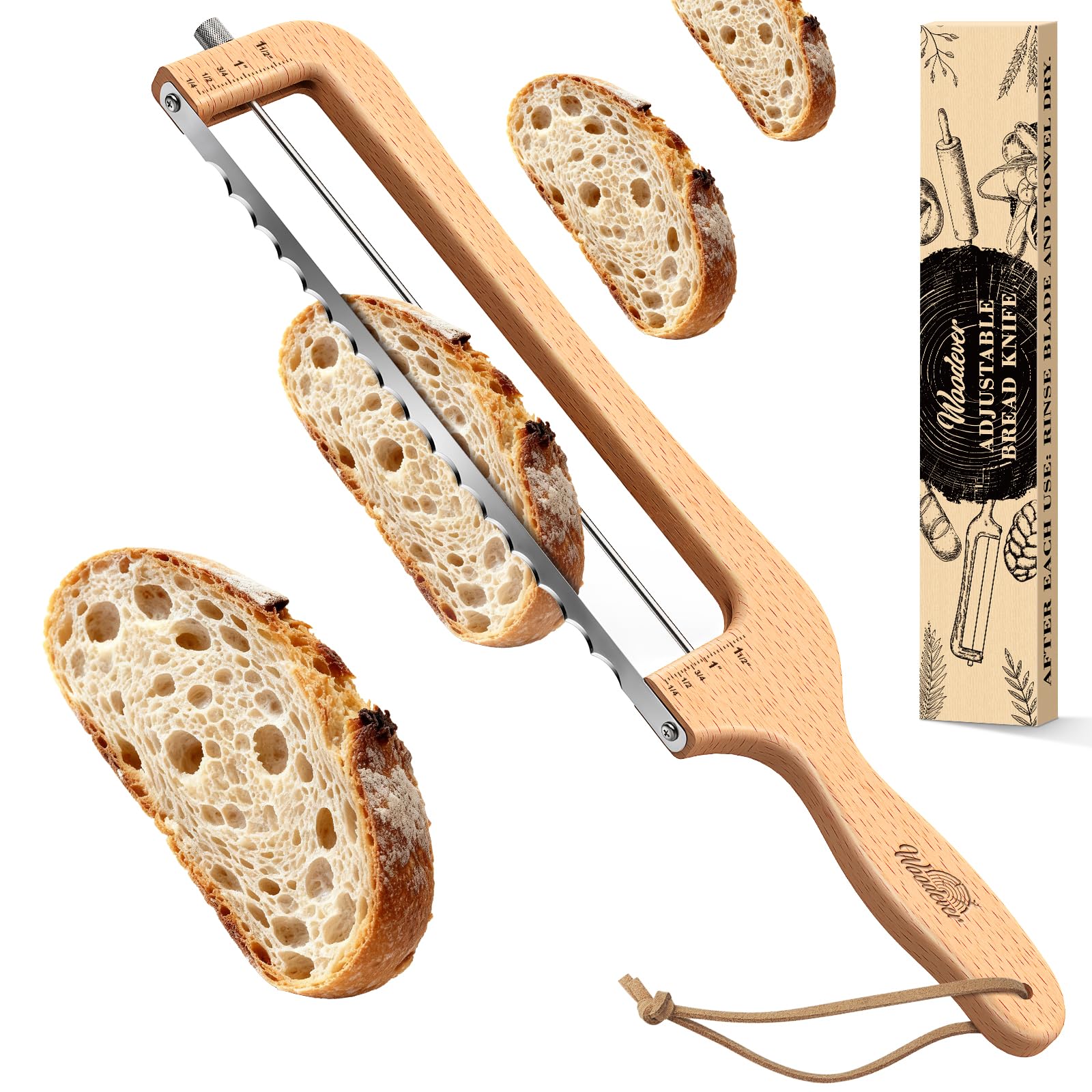

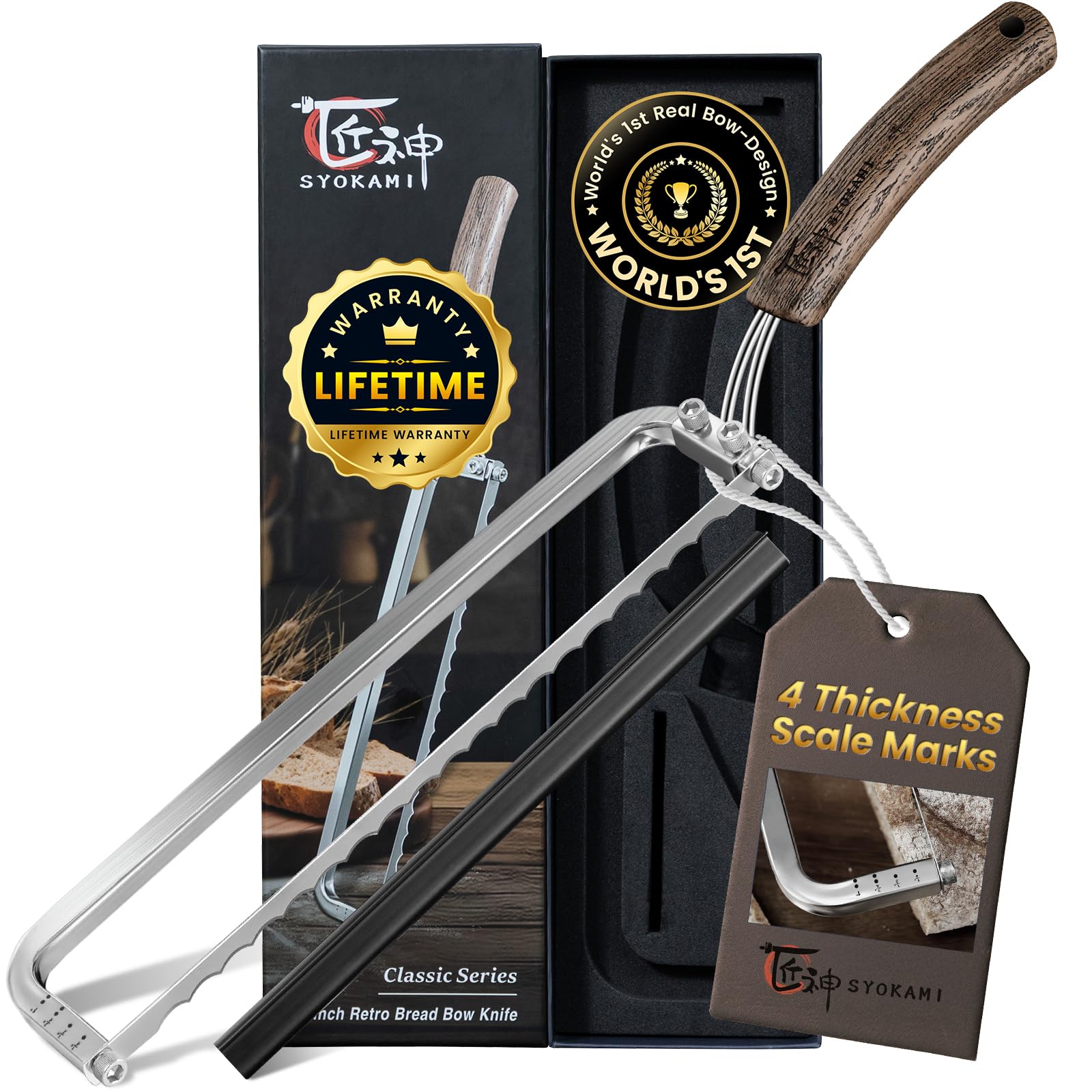

Quick Answer: What a Bow Design Actually Changes
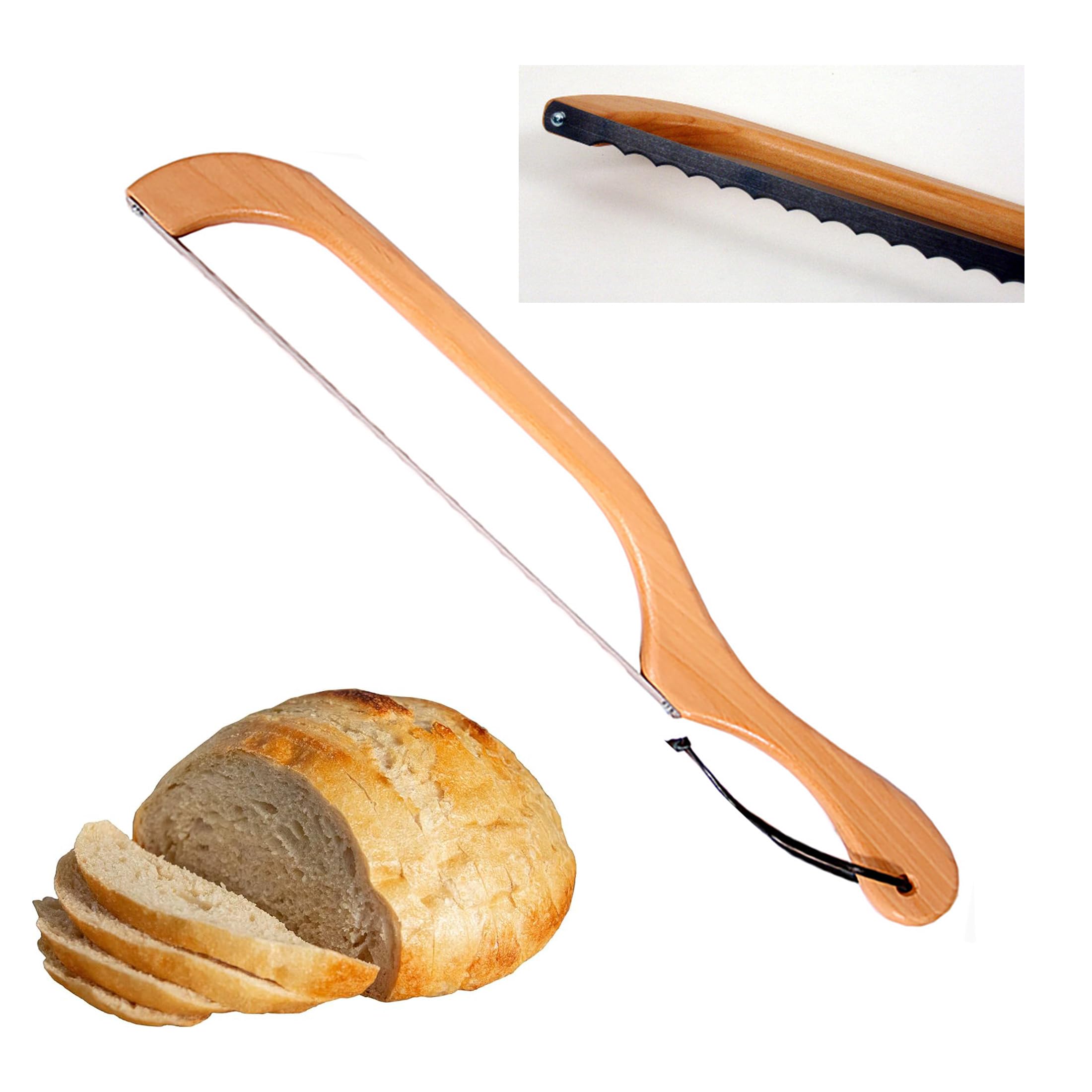
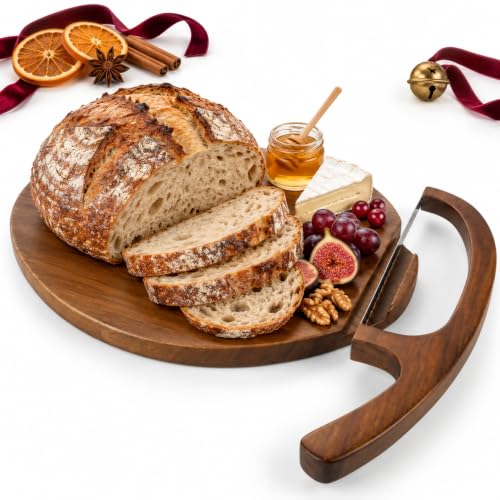
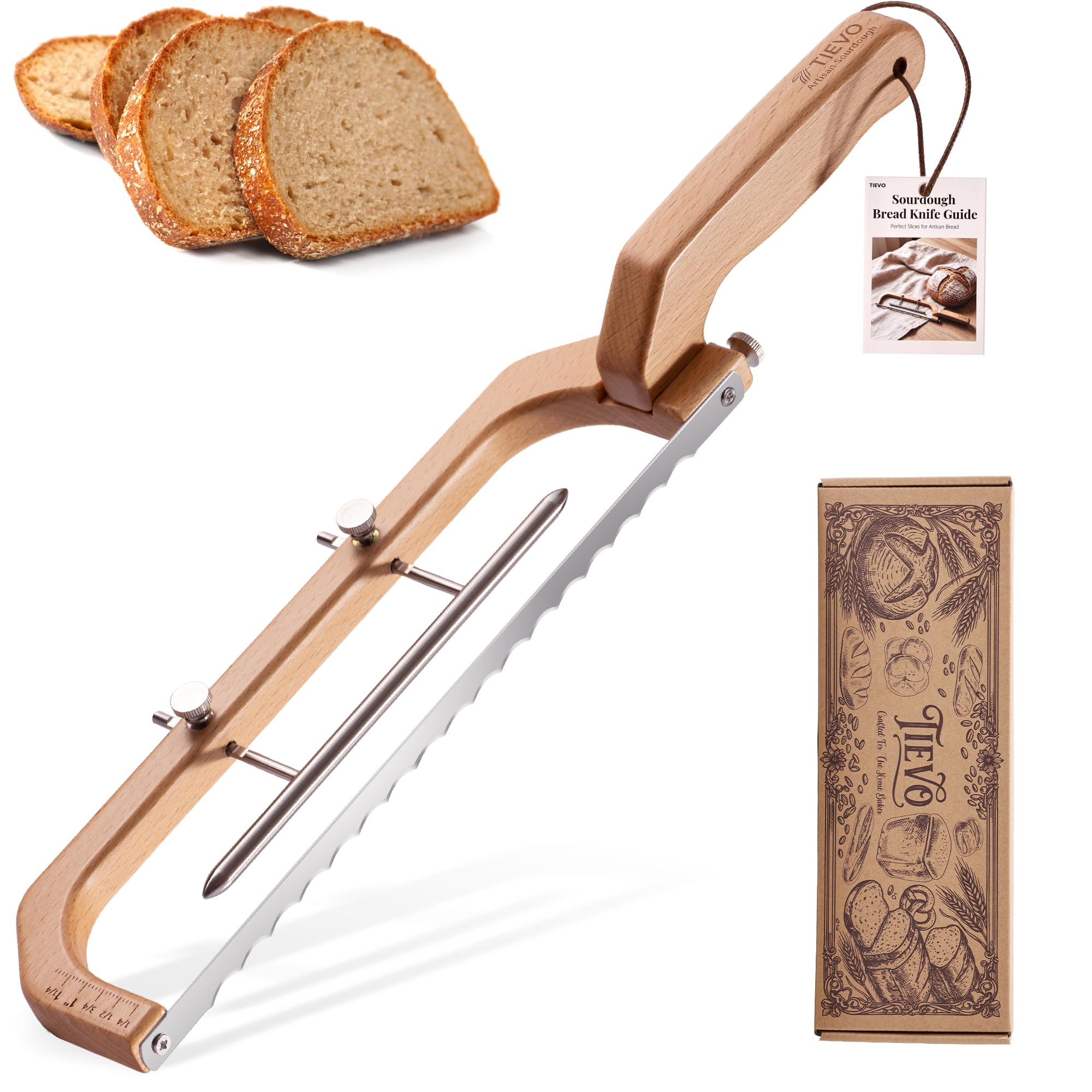
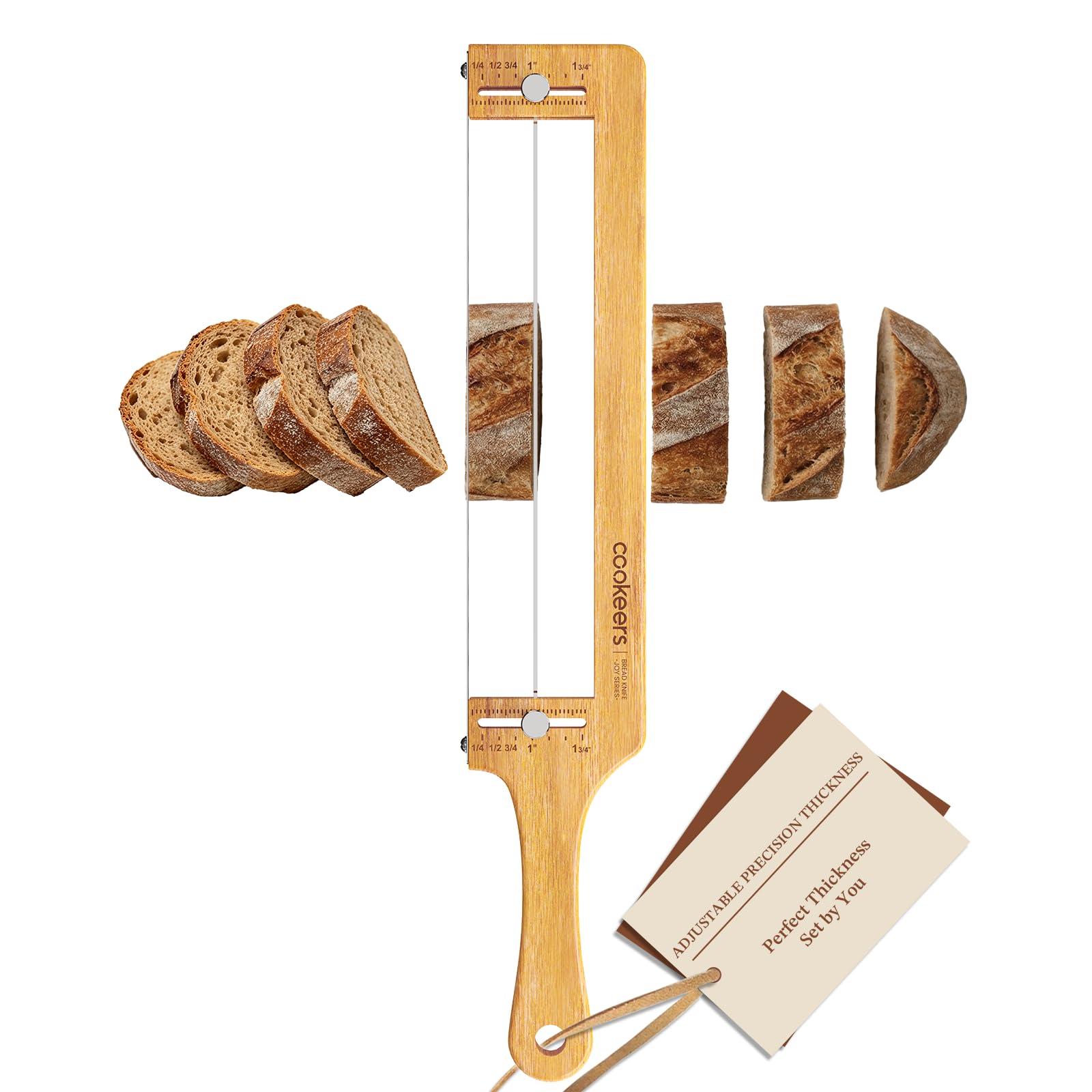
A bow bread knife holds a long, thin serrated blade in a frame that curves away from the cutting edge, much like the shape of a fiddle bow. That open frame gives your guiding hand room to work and lets the blade pass through a tall loaf without your fingers crowding the board. You slice with a gentle back and forth motion and let the teeth do the work, rather than pressing straight down.
The frame also helps you keep the blade upright, which is how you get even slices. The tradeoff is storage, since the frame is wider than a standard knife. Readers still learning technique will benefit from our guide on how to use a bread knife, because bow knives reward a light touch.
Who Should Buy a Bow Bread Knife?
Homes Where Drawer and Counter Space Are Tight
You will like a bow knife if you want one bread tool that earns its place instead of a drawer full of single purpose blades. Choose a shorter frame that stores flat against a wall rail or in a wide drawer, and measure that spot before you order. A compact bow still gives you full knuckle clearance, so a small kitchen does not mean giving up comfortable slicing.
Households That Bake Crusty Loaves Often
If your household goes through sourdough, country loaves, or baguettes every week, the bow shape earns its keep quickly. The thin blade starts through a hard crust with less crushing, and the open frame keeps your hand above the loaf as slices get thinner. For loaf specific advice, read our guide to the best bread knife for crusty bread alongside this one.
People Who Want Thin, Even Slices for More Than Bread
A bow knife also suits you if you portion layer cakes, slice large tomatoes, or cut sandwiches for a crowd. The long blade covers the full width of a cake in one pass, and the frame keeps your wrist level. People with sore hands often find the raised grip easier than a low handle close to the board.
Before You Buy: A Quick Checklist for Choosing a Bow Bread Knife
Size: Match It to Your Space
Most bow blades run about 9 to 12 inches long, and the right length depends on the widest loaf you cut at home. An 8 to 9 inch blade handles sandwich loaves and small boules and stores more easily. A 10 to 12 inch blade suits wide sourdough rounds and large cakes, but it needs a longer board and deeper storage. Measure both first, because a blade longer than your board makes each stroke less steady.
Which Type Fits Your Routine
A standard serrated knife is slimmer to store and fine for soft sandwich bread. An offset design raises the handle above the blade, which helps on a board while keeping a thicker blade profile. A bow design goes further, with the slimmest blade and the most hand clearance, at the cost of a bulkier frame. Our guide to the best offset bread knife explains that middle option. Pick the bow when thin slices and crust control matter most.
Steel Type and Hardness
Most bow blades use stainless steel, which resists rust from tomato juice and damp crumbs and needs little daily attention. Harder stainless blends hold the points of the teeth longer between sharpening sessions. Softer steel dulls faster but is easier to touch up and less likely to chip in a hard crust. Since serrated edges wear at the points first, hardness matters more here than on a smooth chef knife.
Blade Geometry: German and Japanese Approaches
German style blades tend to be thicker, with wide, deep serrations that bite into tough crust and forgive a heavier hand. Japanese style blades tend to be thinner, with finer teeth that glide through soft crumb and delicate cake with less tearing. On a bow frame, thin geometry helps, because the frame supplies stiffness the blade lacks on its own. Lean toward wider teeth for crusty loaves and a finer edge for soft loaves.
Handle, Frame, and Balance
The frame is both handle and support, so its material shapes the whole feel of the knife. Wood frames feel warm and light, but they need dry storage and an occasional wipe of food safe oil. Metal frames feel cooler and more rigid and tolerate a damp counter better, though they can feel heavier in a long slicing session. The blade should sit firmly at both ends with no side play, because a bow that flexes or rattles will wander in the cut.
Realistic Budget Ranges
Price mostly buys steel quality, frame finish, and whether the blade can be replaced when it wears out. Listings in the product table run from about $19 to $46. The cheapest pair a basic stainless blade with a simple frame and suit light weekly use, while the higher end adds sturdier frames, nicer wood, or spare blades.
Bow, Standard, and Offset Designs Compared
Think of the three shapes as answers to three different kitchens. The standard serrated knife wins on storage, since it slides into any block or drawer tray you already own. The offset knife wins when you want board clearance in a slim shape. The bow knife wins on slice control, especially with tall loaves and foods you want cut thin without crushing.
For sourdough bakers, the bow shape has one more quiet advantage. A hard bottom crust often forces standard knife users to tilt the loaf near the end of the cut, while the bow frame lets you finish the stroke level, so the last slice keeps an even base. If sourdough is your main bake, our guide to the best bread knife for sourdough covers loaf specific factors in depth. That is also why many shoppers call the bow the best bow bread knife shape for home baking once they try it.
How to Judge Quality From Specs and Buyer Feedback
You can judge quality well from maker specifications and verified buyer feedback, without guesswork. Check blade length, steel type, and hardness first, then look for clear information about blade replacement and frame material. Read buyer comments for repeated notes about loose blades or flexing frames. A single complaint means little, while the same complaint across many owners points to a real weakness.
Weigh five factors: how long the teeth stay pointed, how steady the knife feels at the end of a long loaf, how cleanly the first crust cut goes, how much upkeep the frame needs, and how those points fit the price. A simple knife used daily can beat a costly frame that rarely leaves the drawer.
What We Like and What We Don't About Bow Bread Knives
On the plus side, the clearance is unmatched. Your knuckles stay well above the board through the whole stroke, the thin blade wastes less crumb, and the frame guides the blade straight on tall loaves. Bow knives also tend to be light for their length, so slicing a double batch feels less tiring than expected.
- Likes: full hand clearance, thin even slices, a light feel for a long blade, and blades that are often replaceable.
- Drawbacks: wide frames store poorly in small drawers, thin blades need a gentle hand in very hard crust, and wood frames dislike soaking in the sink.
Common Buying Mistakes to Avoid
- Buying the longest blade you can find, then discovering the frame will not fit your drawer or your board.
- Ignoring blade replacement, so a worn edge later forces you to replace the whole knife instead of one modest part.
- Paying extra for decorative frame details that add weight but do nothing for grip or slice control.
- Choosing very fine teeth for hard crust loaves, which makes the blade skate across the surface instead of starting the cut.
- Assuming a bow knife replaces every kitchen knife, when small paring tasks and raw meat still need other tools.
Cost of Ownership and Care
Owning a bow knife is cheap once you buy it, as long as you care for the edge and the frame. Hand wash the blade in warm soapy water, dry it at once, and store it where the teeth cannot knock against other tools. Never leave a wood frame soaking, because water swells the wood and can loosen the blade mounts. A light coat of food safe oil on dry wood a few times a year keeps it from cracking.
Serrated teeth dull slowly, but they do dull, and most home sharpening tools are made for smooth edges. Our guide on how to sharpen a bread knife walks through the options, including a professional service. If your model takes a replacement blade, compare that modest cost with sharpening fees first. A sound frame plus one fresh blade often restores full performance for far less than a new knife.
FAQ
Are bow bread knives worth it for home bakers?
Yes, if you bake crusty or tall loaves at least a few times a month. The frame clearance and thin blade make each cut calmer and more even, and that difference shows up in every slice. If you only buy presliced bread now and then, the benefit is smaller, and a standard serrated knife may serve you just as well.
How do you clean a bow bread knife safely?
Wash it by hand with the teeth pointing away from your fingers, and run the sponge along the flat of the blade rather than across the edge. Dry the full length at once with a towel folded thick enough that the teeth cannot reach your hand. Skip the dishwasher, because heat, jostling, and harsh detergent dull serrated points faster and can damage a wood frame in a single cycle.
How long does a bow bread knife usually last?
The frame can last for many years, while the blade sets the real service life. With home use a few times a week, a good serrated blade often stays effective for several years before slices start to tear instead of cut. Models with replaceable blades stretch the lifespan the most, since you renew the edge and keep the frame. Storing the knife dry adds life to both parts.
Can a bow bread knife cut cakes and tomatoes cleanly?
Yes, and this is where the thin blade quietly shines beyond bread. Use long, slow strokes on a chilled layer cake and wipe the blade between passes so crumbs do not drag through the next slice. For tomatoes, let the teeth start the skin with almost no downward pressure, then draw the blade through in one motion. A ripe tomato that would burst under a dull knife often slices neatly this way.
What size bow bread knife suits a family of four?
A blade of about 10 inches suits most families of four, because it covers a full sandwich loaf or a medium sourdough round without feeling oversized. Go longer only if your usual loaves are wider than your board handles well. Smaller households can drop to about 9 inches and gain easier storage. Board width, not family size alone, should make the final call.
Final Thoughts
The right choice comes down to your loaves, your storage, and how often you slice. Measure your board and drawer, pick teeth that match your crust, and favor a stiff frame with a blade you can renew. Chosen that way, the best bow bread knife becomes a quiet daily helper. Use the product table above to compare your finalists before you order.


