Best Bread Knives for Crusty Bread (2026): Blade Types, Steel and Buying Tips
Disclosure: We may earn a commission when you buy through links on this page, at no extra cost to you. As an Amazon Associate I earn from qualifying purchases. Learn more

Length, tooth shape and a secure grip decide the best bread knife for crusty bread. Here is how to choose for your loaves and drawer.
A thick crust can defeat a dull or short blade. The loaf slides, the crust tears, and thick uneven slices pile up while the soft center gets crushed. Choosing the best bread knife for crusty bread comes down to your kitchen space, the size of the loaves you slice, and how often bread is cut in your home. This guide walks through size, blade type, steel, and budget so you can match a knife to your routine. Use the comparison table below to see how the main types differ at a glance.
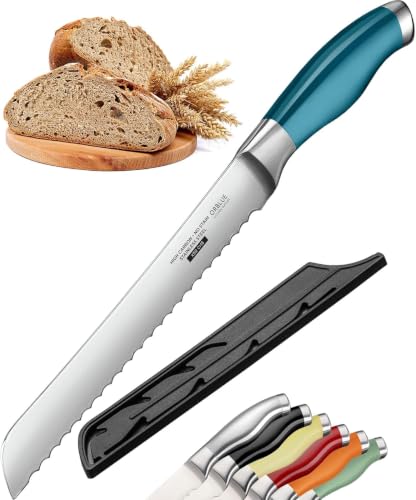


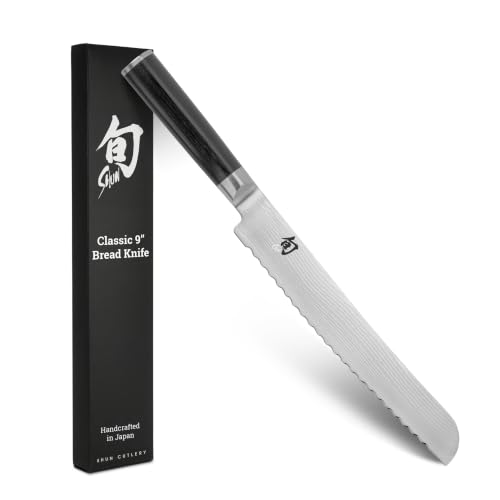
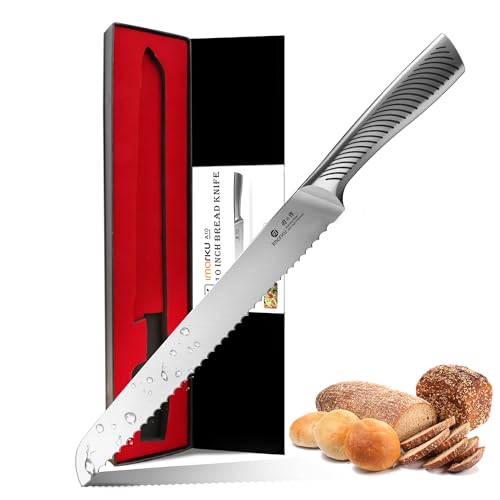
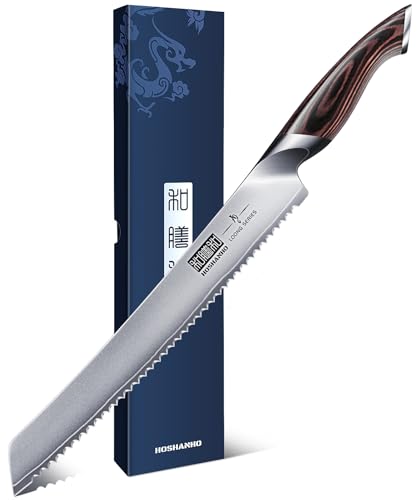


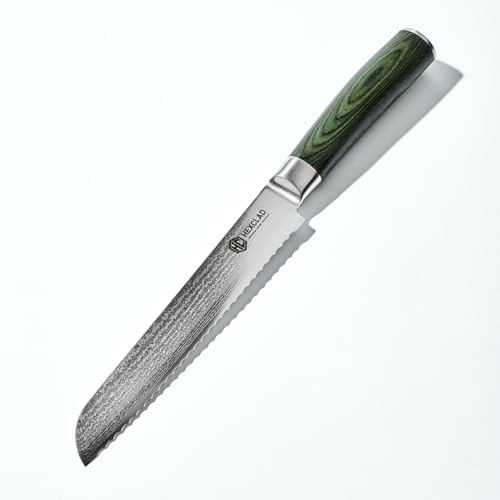

Quick Answer: What Type Fits Your Home
For most homes, a standard serrated knife around 9 to 10 inches is the safest starting point. It handles round boules, sandwich loaves, and baguettes without taking much storage room. Choose an offset shape when board space is tight or your loaves are wide, and choose a thinner Japanese style blade when you want a light feel and clean cuts through a crisp crust. If you want a broader view of the category first, see our guide to the best bread knife before you narrow your choice here.
Before You Buy: A Quick Checklist for Choosing a Bread Knife for Crusty Bread
Size: Match It to Your Space
An 8 inch blade suits small loaves and compact drawers, but it can feel short on a wide boule because you run out of stroke before the cut is done. A 9 or 10 inch blade gives most households enough length for round loaves and still fits a standard block slot. A 12 inch blade helps with very wide bakery loaves, yet it needs a longer drawer or a magnetic strip and a bigger board. Measure your storage space and your usual loaf width before you decide, not after.
Which Type Fits Your Routine
Standard serrated blades are the everyday choice, with teeth that bite into a hard crust and then glide through the center. Wide serrations suit very hard crusts, while finer teeth give a smoother finish on softer loaves. An offset blade drops the handle above the edge, so your knuckles clear the board on the final part of each slice. That shape is covered in our guide to the best offset bread knife. Bow shaped and other specialty shapes exist, but they serve narrow routines and are harder to store.
Steel Type and Hardness
Most bread knives use stainless steel or high carbon stainless steel. Stainless steel resists rust and needs little attention, which suits busy kitchens where a knife may sit in a sink for a while. High carbon blends can hold a sharper edge for longer, but they ask for prompt drying after washing. Softer steel, around the mid 50s on the Rockwell scale, is easier to maintain, while harder steel keeps its teeth longer yet is harder to restore once dull. For crusty loaves, edge retention matters more than extreme sharpness.
Blade Geometry: German and Japanese Styles Compared
German style blades tend to be thicker and more forgiving when a crust is very hard or a loaf twists a little during cutting. Japanese style blades tend to be thinner and lighter, so they pass through the crumb with less drag and less tearing. The trade off is care. A thin blade wants a steady stroke and a flat board, while a thicker blade tolerates rougher daily use. If the lighter approach appeals to you, read our guide to the best japanese bread knife for more on that style.
Handle, Bolster and Balance
Your hand does the work on a crusty loaf, so grip matters as much as the edge. A handle with a gentle curve and some texture stays secure when your hands carry flour or a little moisture. A small bolster or a shaped front end helps keep your fingers away from the teeth during the first push into the crust. Balance should feel neutral, with neither the blade nor the handle pulling down hard. If several people share the knife, choose a medium handle that suits both smaller and larger hands.
Realistic Budget Ranges
Under $20 usually buys a serviceable serrated blade with a basic handle, fine for occasional loaves and a good way to learn what length you like. In the range of about $20 to $50 you tend to get better steel, a more comfortable handle, and cleaner tooth shaping. Around $50 to $100, you are paying for finer fit, better balance, and an edge that stays useful longer. Spending more only makes sense if you bake or buy crusty loaves every week and will notice those small gains daily.
Types Compared: Three Routes Worth Your Money
Standard Serrated Knives for Most Homes
A standard serrated knife is the most versatile route. The straight handle and blade line feel familiar, storage is simple, and the teeth work on baguettes, sandwich loaves, and round crusty bread alike. It is the easiest type for different family members to pick up without adjusting their technique. The main limit shows up on very wide loaves, where your knuckles can meet the board near the end of a slice. For a household that cuts bread a few times a week in mixed sizes, this is usually the right balance of ease and cost.
Offset Knives for Wide Loaves and Small Boards
An offset knife lifts your hand clear of the board, so you can finish each slice without tilting the blade or scraping your knuckles. That clearance helps with tall crusty loaves and with smaller boards where space runs out fast. The shape can feel odd at first, and it takes a wider drawer or a longer block slot than a straight knife. It also gives you less control for small jobs like splitting a roll. Choose this type when complete, even slices from big loaves are your main goal.
Thin Japanese Style Knives for a Light Feel
A thin Japanese style knife rewards a gentle touch. Its light weight reduces tiredness when you slice several loaves for guests or for freezing, and the narrow blade leaves a clean face on each slice with fewer crumbs. It asks for a calm, straight stroke and careful storage, since a thin edge can suffer in a crowded drawer. Households that value neat presentation and bake often will enjoy it most. If your kitchen routine is rough and shared by many hands, a sturdier standard blade may serve you better.
How to Evaluate a Bread Knife Without Guessing
Judge any knife on five points. Look at steel and likely edge retention, balance and comfort in the hand, how cleanly the teeth start a cut, what care the blade needs, and whether the price matches how often you slice crusty bread. Base your view on manufacturer specifications and patterns in verified buyer reviews, such as repeated notes about handle comfort or dull teeth. A knife that scores well on comfort and care for your routine beats one that only looks impressive on paper.
Living With It: What Really Matters at Home
Daily use is less about the first slice and more about the tenth. A good knife starts the cut without skating across the crust, keeps a steady line so slices stay even, and leaves the soft center intact instead of squeezed flat. If sourdough is your regular loaf, its thick base crust is the real test, and our guide to the best bread knife for sourdough covers that bake in more depth. Let the teeth do the work with long strokes and light downward pressure.
Technique protects both the bread and the blade. Hold the loaf gently at the side, keep your fingertips tucked back, and slice on a stable board that does not rock. A full guide on how to use a bread knife walks through grip and stroke in detail. Warm bread needs a little patience, since cutting too soon can compress the crumb even with a sharp edge. Cool the loaf on a rack first, then slice what you need and store the rest uncut to keep the crust crisp.
Common Buying Mistakes to Avoid
- Choosing a blade shorter than your widest loaf, which forces short strokes and torn crusts.
- Buying the longest knife your budget allows, then finding it fits neither your drawer nor your board.
- Ignoring handle comfort, which leads to a tight grip and uneven slices on hard crusts.
- Paying for premium steel while planning to store the knife loose in a crowded drawer.
- Assuming any serrated knife will do, when tooth size and spacing change how a hard crust cuts.
Cost of Ownership and Care
Ownership cost stays low when you protect the teeth. Store the knife in a block, on a magnetic strip, or in a simple sheath, never loose among other utensils. Wash it by hand, dry it at once, and keep it out of the dishwasher, where heat and knocks can dull the edge and damage the handle. Serrated edges are not restored with a standard honing rod. When cutting starts to drag, our guide on how to sharpen a bread knife explains your options, including professional sharpening for about $10 to $20.
FAQ
What is the most reliable bread knife brand?
No single brand is the most reliable for every home. Reliability comes from consistent tooth shaping, honest steel specifications, and a handle that stays firm over years of washing. Check the warranty terms and how easy returns are, since a clear policy tells you how the maker stands behind the knife. A modest knife with solid support often serves a family better than a famous name with vague terms.
How do you clean a bread knife?
Wash the blade by hand in warm soapy water right after use, working the sponge along the flat side and away from the teeth. Crumbs lodge between serrations, so rinse under running water and use a soft brush if bits remain stuck. Dry the full blade at once with a towel folded thick, moving from the spine toward the edge with care. Never leave it soaking, since standing water can stain the steel and loosen some handle materials over time.
Is a bread knife worth it for a small household?
Yes, if you buy unsliced crusty loaves even once or twice a week. A bread knife protects the texture you paid for, giving even slices for toast and sandwiches instead of crushed pieces. For a household that mostly buys already sliced bread, it is not worth a drawer slot. Think about rolls, tomatoes, and melons too, since a serrated blade handles those jobs well and can earn its place beyond bread alone.
How long does a bread knife last?
A cared for bread knife can last many years, because serrated teeth dull more slowly than a straight edge. Watch for clear signs of decline. If the blade skates on the crust, tears instead of biting, or needs heavy pressure to start, the teeth are worn. Cutting on glass or stone boards shortens that life a lot, so a wood or plastic board helps the edge last. Replacement is usually wiser than repeated costly sharpening on a budget blade.
What is the best bread knife for crusty bread?
The best choice is the type that fits your loaves, your storage, and your hands, with a blade long enough for a full stroke and teeth that bite without tearing. Before you order, check the return window so you can try the knife on your usual loaf at home. A knife you can return after one real test is a safer buy than one chosen on specifications alone, since feel in the hand settles most doubts.
Final Thoughts
Start with length and storage, then pick the type that matches how you slice each week. A standard serrated blade suits most homes, an offset shape helps with wide loaves, and a thin Japanese style blade rewards a light touch. Whichever route you take, the best bread knife for crusty bread is the one your household reaches for without thinking twice. Compare your shortlist with the product table above, and choose the knife that fits your space, your loaves, and your budget.