Best Bread Knife Guide for Your Home in 2026: A Quick Checklist for Everyday Baking
Disclosure: We may earn a commission when you buy through links on this page, at no extra cost to you. As an Amazon Associate I earn from qualifying purchases. Learn more

Choose the best bread knife by blade length, serrations, steel and handle fit, with care tips for clean slices at home.
A loaf can look perfect on the counter and still end up crushed, torn, or cut into wedges that will not fit in the toaster. The usual cause is a short or dull blade that forces you to press down instead of slicing. Choosing a best bread knife for your home starts with the loaves you actually bake or buy, the space you have to store it, and how often you will use it.
This guide walks through size, blade type, steel, geometry, handle fit, and budget so you can match one knife to your household instead of buying on looks alone. Use the checklist as you read the comparison table below, and pay special attention to length and serration shape, because those two points decide most of your results at the board.
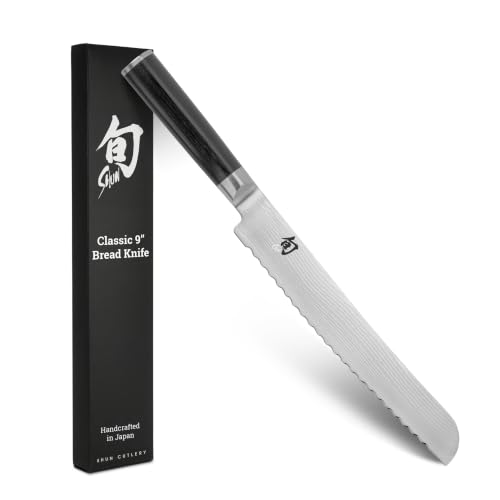

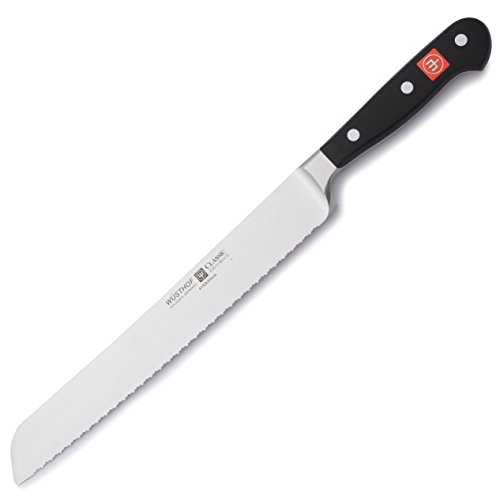
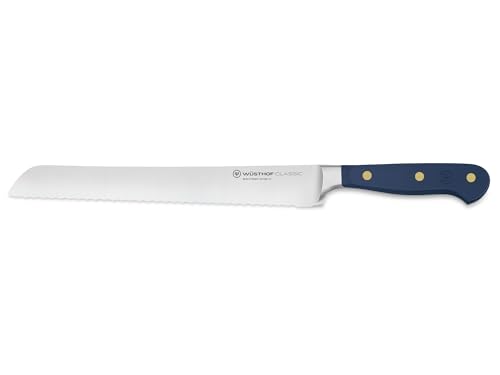


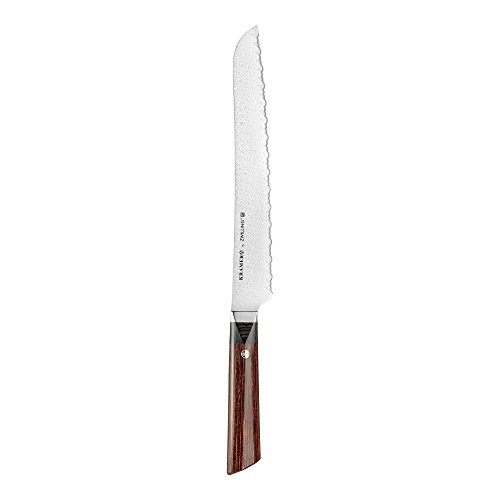


Quick Answer: A Fast Checklist Before You Buy
Start with length. An 8 inch blade suits small loaves and compact kitchens, a 9 or 10 inch blade suits most family loaves and sandwich bread, and a longer blade helps with wide rustic rounds that need a full stroke. If a blade is too short for the loaf, you will saw in a small space and tear the crust.
Next, check the teeth and the handle. Fine serrations glide through soft bread with less tearing, while wider and deeper serrations bite into thick crusts without skating. The handle should feel secure when your hands are a little floury, and the blade should feel balanced rather than heavy at the tip.
Before You Buy: A Quick Checklist for Choosing a Bread Knife
Size: Match It to Your Space and Your Loaves
Blade length should be a little longer than the widest loaf you cut often, because a longer stroke lets the teeth do the work with light pressure. An 8 inch blade stores easily and handles rolls, banana bread, and small sandwich loaves well. A 9 or 10 inch blade is the practical middle ground for most homes, covering standard loaves, larger boules, and focaccia without feeling clumsy. A 12 inch blade helps with very wide rustic loaves, but it needs a long drawer, a large block slot, or a magnetic strip.
Which Type Fits Your Routine
A standard serrated blade is the most versatile choice for mixed use, from crusty rounds to soft white bread. An offset blade drops the handle above the cutting line, so your knuckles clear the board and you can cut through the bottom crust. A bow shaped frame holds a thin blade under tension and can work for very large loaves, though it takes more storage room. Wide serrations suit hard crusts, while finer serrations suit tender crumb, so match the tooth pattern to the bread you eat most often.
Steel Type and Hardness
Most home bread knives use stainless steel, which resists stains from tomato, citrus, and damp crumbs and needs little care. Hardness is often listed as HRC, and a modest increase can help an edge stay keen longer through repeated contact with firm crusts. Harder steel can also be more brittle and harder to restore once it dulls, so extreme hardness is not automatically better. Look for steel hard enough to hold its teeth for months, yet tough enough to tolerate the slight twisting that happens when a slice leans.
Blade Geometry: German Style and Japanese Style
German style bread knives tend to use thicker steel, a sturdier feel, and serrations built for dense crusts. Japanese style bread knives tend to use thinner steel, a lighter feel, and finer teeth that move through soft crumb with little drag. If you mostly cut hearty whole grain loaves and thick rye, choose the sturdier geometry, and if you mostly cut milk bread and brioche, the lighter geometry will help you keep slices even and intact.
Handle, Bolster and Balance
The handle should fill your hand without forcing your fingers into a tight grip, because a relaxed grip gives you straighter slices and less fatigue. A smooth handle can feel slippery with flour or butter on your fingers, so a shaped or textured surface often feels safer in real use. A bolster can add a sense of solidity, but a large one can push your hand farther from the board. Balance matters most on longer blades: the knife should feel neutral near the bolster, not as if the tip pulls your wrist down.
Realistic Budget Ranges
Under $20, expect simple stainless steel, a basic handle, and teeth that cut well at first but may dull sooner with heavy use. About $20 to $50 is where many households find their balance, with better edge retention, more comfortable handles, and cleaner finishing. Under $100, you are usually paying for harder or thinner steel, finer finishing, and balance that stays pleasant during longer sessions. Spending more does not fix a length that is wrong for your loaves, so confirm size and tooth pattern first.
Three Buying Profiles and What to Prioritize
Most Homes That Cut a Mix of Loaves
If your kitchen sees sandwich bread on weekdays and a rustic loaf on weekends, prioritize a 9 or 10 inch blade with medium serrations that handle both soft crumb and firm crust. Choose stainless steel with moderate hardness and a handle that feels secure with floury hands. Store the knife so the teeth do not knock against other tools. This profile is about steady daily ease: clean bottom crusts, even slices for toast, and a knife you reach for without thinking twice.
Tight Budgets and Occasional Use
If you slice bread only now and then, prioritize tooth shape and length over premium steel. A well shaped serration pattern under $20 or in the lower part of the about $20 to $50 range will outperform a costly blade that is too short for your loaves. Put the money you save toward a guard or a block slot that protects the teeth, because storage damage dulls serrated edges faster than normal slicing does. Simple care will keep a modest knife useful for a long time.
Frequent Bakers Who Slice Every Day
If you bake several loaves a week, prioritize edge retention, balance, and handle comfort, because you will feel small flaws many times a day. Consider whether a specialty shape earns its place: readers comparing the best offset bread knife options will find that knuckle clearance matters most when you slice full loaves down to the last thin piece. A higher budget can make sense for this profile, but only after length and geometry already fit your bread.
How to Judge Quality Without Handling the Knife
Online listings can tell you a lot if you read them in the right order. Start with blade length, steel type, and hardness, then look at clear side photos of the tooth pattern, because tooth depth and spacing shape how the knife bites and glides. Check handle photos for shaping that suits your grip, and note whether a guard or sheath is included for drawer storage.
Buyer comments are most useful when you filter for your own use case, such as sourdough or sandwich loaves. A comment about clean slices on soft bread tells you little about performance on a thick crust. Remember that the best serrated bread knife for one household may be the wrong length or tooth pattern for yours.
Matching a Knife to Household and Space
Homes that bake tangy loaves with a chewy crust should look closely at tooth depth and blade stiffness, and our guide to the best bread knife for sourdough explains how those points change the first cut. If your table leans toward crackling baguettes and rustic rounds, the guide to the best bread knife for crusty bread focuses on grip and stroke length for hard surfaces. Both cases reward a blade that starts the cut without skating across the top of the loaf.
Small kitchens benefit from one versatile 9 or 10 inch knife stored on a magnetic strip, where the teeth stay clear of other metal. Larger households that bake in batches may prefer a longer blade plus a shorter one for rolls, provided the block or drawer holds both safely. Readers drawn to light and thin blades can explore the best japanese bread knife style, which suits delicate crumb and precise slicing. Assign the knife a home before you buy it, because a blade left loose in a crowded drawer will dull quickly.
Common Buying Mistakes to Avoid
- Buying a blade that is shorter than your widest loaf, which forces short strokes and torn crusts.
- Choosing the finest teeth for thick and hard crusts, so the blade skates instead of biting at the start of the cut.
- Ignoring storage space, then leaving a long serrated blade loose in a drawer where the teeth chip and dull.
- Pressing straight down on a loaf instead of using a gentle sawing motion, which crushes soft crumb even with a good knife.
- Spending the whole budget on steel grade while overlooking handle comfort, which you will feel on every slice.
- Using a bread knife on frozen loaves or bones, which can bend teeth and damage the edge in one session.
Cost of Ownership and Care
A bread knife has low running costs, but care decides how long the edge stays useful. Wash it by hand in warm soapy water, dry it right away, and store it in a block, on a strip, or in a guard. Serrated edges are hard to restore at home once truly dull, so prevention matters more than repair, and our guide on how to sharpen a bread knife explains which teeth can be touched up and when professional help makes more sense.
Use the knife on a board that has some give, such as wood or soft plastic, rather than on glass or stone, which dull teeth quickly. Slice loaves once they have cooled enough to set their crumb, because hot bread gums up the teeth and tears more easily. Wipe crumbs from between the teeth after use, since trapped moisture can leave marks on the steel.
Your Questions, Answered
How can you tell if a bread knife is reliable?
You can tell a bread knife is reliable when its teeth stay even, its handle stays firm, and it cuts cleanly month after month with the same light pressure. Look for consistent finishing along the edge and a handle joined without gaps where moisture can collect. Reliability also shows in small details, such as teeth that do not snag a towel during washing.
How do you clean a bread knife safely?
Clean a bread knife by hand with warm soapy water, washing with care and keeping your fingers clear of the teeth. A soft brush helps lift crumbs and butter from between the serrations without dulling them. Dry the blade right away with a thickly folded towel, then store it in a guard or block. Avoid the dishwasher, because heat, detergent, and contact with other items can damage both the edge and many handle materials over time.
Is a bread knife worth it for a home kitchen?
Yes, a bread knife is worth it if you cut crusty or soft loaves more than a few times a month, because a smooth chef knife tends to crush crumb and skid on hard crust. The serrated edge grips the surface and slices with light pressure, so thickness stays even from the first slice to the last. It also handles tomatoes, winter squash, and layer cakes with the same gentle motion. If you only buy presliced bread, you may not need one, but home bakers notice the difference right away.
How long does a bread knife last with regular use?
A bread knife used a few times a week and stored properly can last for many years, because serrated teeth contact the board less than a straight edge does. Life shortens when the blade is used on glass boards, stored loose in a drawer, or put through the dishwasher often. One sign of late life is needing firm pressure to start a cut on a firm crust, even after the teeth are clean and dry. At that point, professional sharpening can extend use before replacement becomes the better choice.
What length bread knife suits most home loaves?
A 9 or 10 inch bread knife suits most home loaves, because it is long enough for a full stroke across standard sandwich loaves and medium boules while still fitting common blocks and drawers. Longer blades help with extra wide rustic rounds, but they need more storage room and more clear counter space. Shorter blades feel nimble with rolls and small loaves, yet they force extra strokes on wide bread. Measure your widest regular loaf and your storage slot before you decide.
Final Thoughts
The right bread knife makes slicing feel calm and predictable: the teeth catch, the stroke stays straight, and the slice lands at the thickness you wanted. Match length to your widest loaf, tooth pattern to your crust, and handle shape to your hand, then let budget guide the steel and finishing. The product table above can help you compare those points side by side for your space and household size.
For most homes, a best bread knife choice is simply the one that fits your bread, your storage, and your routine so well that you use it correctly every time. Buy for the loaves on your counter this week, care for the teeth with hand washing and safe storage, and you will get clean slices and good value for years.