Best Bread Knife for Sourdough for 2026: A Guide That Fits Real Homes
Disclosure: We may earn a commission when you buy through links on this page, at no extra cost to you. As an Amazon Associate I earn from qualifying purchases. Learn more

Pick the best bread knife for sourdough by blade length, serration and handle fit, with budget tiers and simple care for clean slices at home.
A good sourdough loaf can defeat a weak knife in seconds. The crust resists, the soft crumb tears, and slices come out thick at the top and thin at the bottom. Choosing the best bread knife for sourdough is less about chasing labels and more about matching blade length, tooth shape, and handle fit to the loaves you bake and the space you store a long knife in.
This guide walks through the choices that matter for real homes, from compact kitchens with crowded drawers to family kitchens slicing a large boule every day. You will find sizing by loaf, a plain look at steel and balance, realistic budget tiers, and the comparison table below.

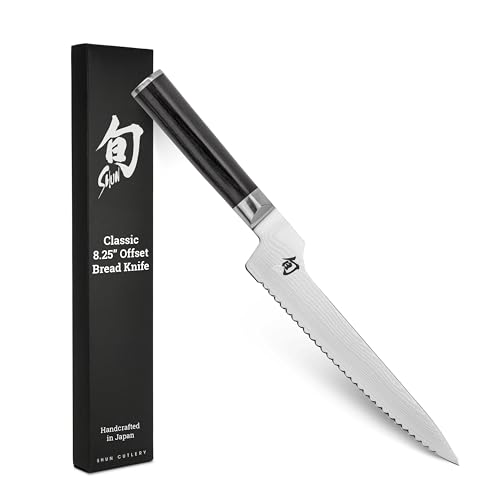


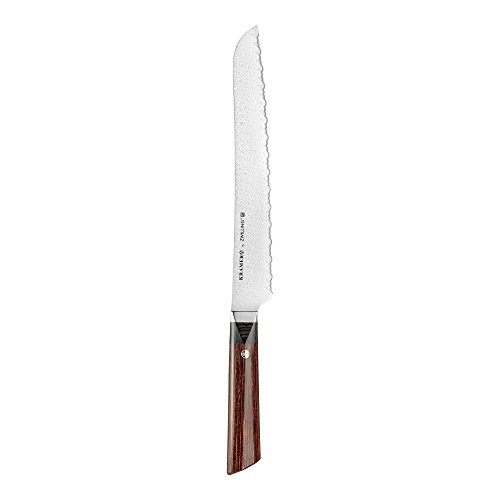

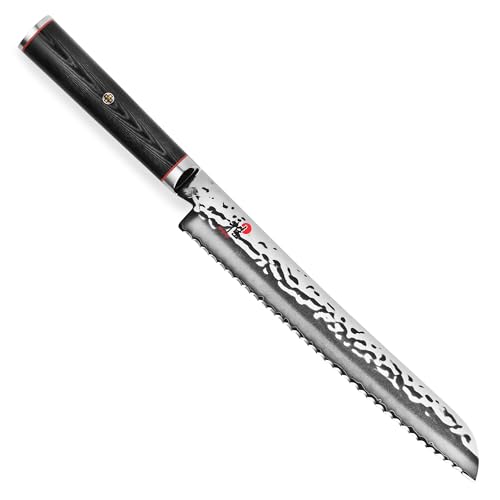

Quick Answer: What to Look For in 30 Seconds
Start with a blade around 9 to 10 inches for most round and oval loaves, since extra length lets you saw with long strokes instead of pressing down. Choose wide, rounded serrations that bite a hard crust without shredding the crumb. Pick a handle that fills your hand without forcing your wrist, and store the knife where the edge cannot knock against other tools. Daily bakers should spend more on steel and handle comfort.
Before You Buy: A Quick Checklist for Choosing a Bread Knife for Sourdough
Sourdough puts two opposite demands on one blade. It must start through a firm, sometimes blistered crust, then glide through a moist and open crumb without crushing it.
Size: Match It to Your Space and Your Loaves
An 8 inch blade suits small sandwich loaves and tight storage, but it can run out of stroke on a wide boule and tempt you to press harder. A 9 or 10 inch blade covers most home loaves and gives you room to keep the teeth moving. A 12 inch blade helps with very large loaves, yet it needs long storage. Match the length to the widest loaf you bake often, not the rare giant one.
Which Type Fits Your Routine
A straight serrated blade is the most versatile shape and sits flat in most blocks and sheaths. An offset blade drops the handle above the cutting line, so your knuckles clear the board when you finish a slice. A bow style frame raises the handle even further and suits thick loaves, though it can feel awkward for small tasks. Start with a straight or offset shape that you can control at a slow, steady pace.
Serration Shape and Spacing
Teeth do the real work on crust, so their shape matters more than tooth count alone. Wide scallops with rounded points tend to start a cut smoothly and leave a cleaner face on soft crumb. Sharp, narrow points can grab a very hard crust fast, but they may tear a tender interior. Look for teeth that stay even along the blade, with no flat spots near the tip, so each stroke stays predictable.
Steel Type and Hardness
Most home bread knives use stainless steel, which resists stains from acidic crumbs and needs little fuss after washing. Harder steel, often listed around 56 to 60 HRC, tends to hold its edge longer but can be harder to restore once dull. Softer steel dulls sooner yet feels less brittle at the teeth. For sourdough, edge retention matters because a dull serrated edge crushes rather than cuts.
Blade Geometry: German and Japanese Styles
German style blades are usually a little thicker and heavier, which helps the knife track through a dense crust with less flex. Japanese style blades tend to be thinner and lighter, which can feel precise on delicate crumb. Neither style is better for every baker. If you slice thin and value control over force, a thinner blade paired with light pressure usually gives a neater result. Our guide to the best japanese bread knife explains that thinner profile in more depth.
Handle, Bolster and Balance
Sourdough slicing is a sawing task, so your hand works longer than it does on a quick vegetable cut. A handle with a gentle swell keeps your grip secure when hands carry a dusting of flour. A heavy bolster can add stability, but a bulky one may crowd smaller hands. Balance should sit near where the blade meets the handle, so the tip does not feel eager to dive.
Realistic Budget Ranges
Under $20, expect simple stainless blades and basic handles that slice well at first but may dull sooner. About $20 to $50 is where you often find better tooth shaping, sturdier handles, and sheaths included. About $50 to $100 can bring harder steel and balance that feels steadier over years of use. Spending more does not fix a poor length choice, so set your budget after you settle size and shape. Our best bread knife guide shows how these tiers compare across uses.
Three Buying Profiles and What to Prioritize
Instead of chasing a single winner, match the knife to your household pattern. The three profiles below cover most home bakers.
The Weekly Home Baker With a Small Kitchen
You bake one or two modest loaves a week and store knives in a drawer. Prioritize a 9 inch straight blade with a fitted sheath, since safe storage protects both the teeth and your fingers. Rounded serrations and a midweight handle give you control without taking much room. A modest budget tier makes sense here, as long as the teeth are even and the handle feels secure.
The Daily Family Slicer
You cut bread for breakfasts, lunches, and toast for several people, often while the kitchen is busy. Prioritize a 10 inch blade, a handle that suits the main slicer in the house, and steel that holds an edge through frequent use. An offset shape can help when you slice right down to the board for even end pieces. If your loaves lean rustic and thick crusted, compare the notes in our guide to the best bread knife for crusty bread before you decide.
The Thin Slice Enthusiast
You want even, thin slices for sandwiches and crisp toast, and you bake open crumb loaves that crush easily. Prioritize a thinner blade, fine and even serrations, and balance that rewards light pressure. Let the teeth do the work with long strokes. An offset handle may help you finish each slice cleanly, and our look at the best offset bread knife covers that knuckle clearance benefit in detail.
How to Compare Options Fairly
Read listings in the same order each time so marketing claims do not pull you off course. Check blade length and tooth shape first, then steel and hardness, then handle shape and total weight. Note whether a sheath is included, since that cost is easy to miss. Finally, weigh return terms and warranty support, which matter more for a knife you plan to keep for years.
Living With It: What Really Matters Day to Day
The first cut tells you a lot. Set the loaf on a stable board, start the teeth with a short stroke to break the crust, then lengthen your strokes and let the blade travel. Pressing straight down is the main cause of squashed slices, because the crumb gives way long before the crust does. Keep your other hand well clear, fingers curled.
Loaf shape changes the job more than many buyers expect. A round boule asks for a longer stroke and a slight angle change as you pass the widest point. A batard or oval loaf rewards a blade that stays straight through the middle slices. Cooling matters too. Slicing while the crumb is still steaming can gum the blade and compress the interior, so wait until the loaf feels only just warm.
Storage is the quiet factor that decides how long the edge stays good. Loose drawer storage lets teeth strike forks and other blades, which chips points and dulls the edge in patches. A sheath, a roomy block slot, or a magnetic strip mounted out of reach of children all protect the blade. Keep the knife dry before storing it, since moisture left in the serrations can stain steel over time.
Common Buying Mistakes to Avoid
- Buying a blade too short for your widest loaf, which forces short strokes and heavy pressure that crush the crumb.
- Choosing sharp, aggressive teeth for every loaf, when tender crumb often slices cleaner with wider and rounder serrations.
- Ignoring storage length, so a new 12 inch blade ends up loose in a drawer and dulls against other tools.
- Paying for premium steel but planning no way to maintain a serrated edge, which still dulls with daily use.
- Judging by handle looks alone, without thinking about grip during a long sawing motion with flour dusted hands.
- Using the bread knife as a general utility knife on frozen food or bone, which can bend or chip the teeth.
Cost of Ownership and Care
A bread knife has low running costs, but a few small items protect your purchase. Budget for a sheath if one is not included, and for a long honing rod with a fine surface if you plan to maintain the teeth at home. Wash the blade by hand in warm soapy water, scrub along the serrations with care, and dry it at once. Dishwasher heat and movement can dull the edge and loosen some handles, so hand washing is the safer habit.
Sharpening a serrated edge takes more patience than a straight edge, since each tooth needs attention on its bevelled side. Many home bakers send the knife out for service once the crust starts tearing instead of cutting. Our guide on how to sharpen a bread knife walks through what home care can and cannot restore. Never test sharpness with a fingertip. Test it on the next loaf and watch whether the crust starts cleanly.
Your Questions, Answered
What is the most reliable type of bread knife for sourdough?
The most reliable type is a mid length serrated blade with even teeth, sound steel, and a handle that suits your hand. Reliability comes from consistent tooth shaping and honest steel rather than a famous name on the blade. Check that the serrations run the full cutting length with no flat gaps. A knife that stores in a sheath and gets washed by hand will usually outlast a fancier blade left loose in a drawer, whatever name it carries.
How do you clean a bread knife used for sourdough?
Wash a bread knife by hand in warm soapy water soon after slicing, then dry it fully before storing. Crumbs packed into serrations hold moisture, so run a soft brush or cloth along the teeth from the spine side to clear them safely. Sourdough crumbs are mildly acidic, and leaving them overnight can mark stainless steel over time. Avoid soaking the knife in a crowded sink, where the edge can strike other items and hands can find it by surprise.
Is a bread knife worth it for home sourdough bakers?
Yes, a bread knife is worth it if you bake crusty loaves more than once or twice a month. A chef knife tends to skid on hard crust and then crush the crumb once it breaks through, wasting the texture you worked to create. The serrated edge earns its drawer space on that single task. If you mostly buy soft sliced bread, the case is weaker, and a general serrated utility knife may cover your needs without adding a long blade to store.
How long does a bread knife for sourdough last?
A bread knife for sourdough can last many years, often five to ten with home use and decent care. Serrated edges stay useful longer than straight edges because only the tooth points touch the board, while the cutting curves stay sheltered. Life shortens fast when the blade is used on frozen loaves or stored loose. Watch for crust that tears instead of parting, or slices that need real force. Those signs mean the teeth need service, not that the knife is finished.
What should I look for in a bread knife for sourdough?
Look for a blade long enough for your widest loaf, wide and even serrations, and a handle that keeps your wrist relaxed. One detail many buyers miss is tip shape. A pointed tip helps start the first cut on a rounded boule, while a rounded tip feels safer in a busy drawer. Think about which trade off suits your kitchen. Also check the weight in context. A very light knife can wander on thick crust, while a heavy one tires your hand on large loaves.
What is the best bread knife for sourdough?
The best choice is the one that matches your loaf size, storage, and slicing style, with even serrations and steel you can maintain. For most homes that means a 9 or 10 inch blade, rounded teeth, and a secure handle in the middle budget tier. Frequent bakers may value harder steel enough to pay more. Use the product table above to compare lengths and tooth styles side by side, then pick the profile that fits the way you actually bake each week.
Final Thoughts
A great sourdough loaf deserves slices that show off its crust and crumb, not ones torn by the wrong blade. Match length to your loaves, choose serrations that respect tender crumb, and store the edge with care. Do that, and the best bread knife for sourdough for your home becomes an easy, confident choice. Look back at the product table above and pick the knife you will reach for every bake day.