
Best Boston Cocktail Shaker Set: Tins, Tools and Budgets (2026)
Disclosure: We may earn a commission when you buy through links on this page, at no extra cost to you. As an Amazon Associate I earn from qualifying purchases. Learn more

Best Boston cocktail shaker set guide to tin sizes, weighted tins, included tools and realistic budgets for home bars.
You are making margaritas for four people in a small kitchen, the counter is already crowded, and your old shaker lid is stuck again. A Boston set solves that problem with two simple tins and no lid to jam. Choosing the best boston cocktail shaker set for your home comes down to your counter space, how many drinks you make at once, and how much gear you actually want to store.
This guide walks through sizes, tin styles, included tools, and realistic budgets so you can match a set to your routine. You will find the main options compared in the product table, with notes on what suits a compact apartment, a family home, and a busy home bar.
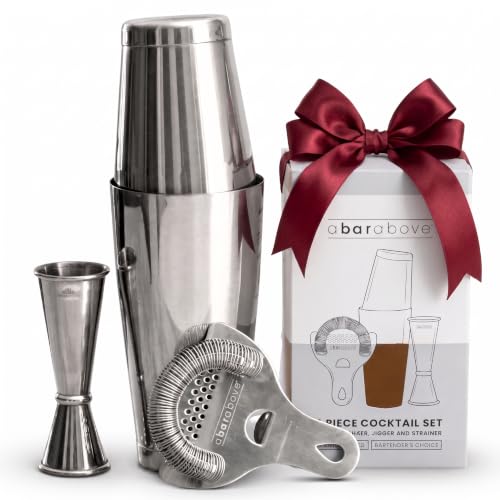
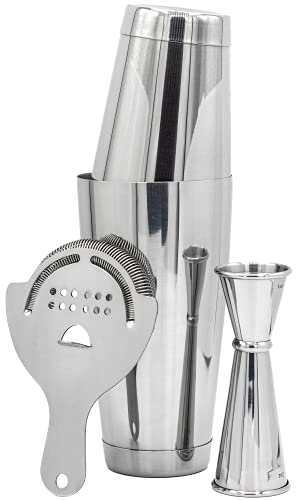


Quick Answer: The Three Set Styles at a Glance
Boston sets fall into three broad styles. A classic two tin set is just a large tin and a smaller tin that seal together, and it suits most homes. A tin and glass set pairs one metal tin with a thick mixing glass, so you can watch the drink as you build it. A full kit adds tools such as a strainer, a jigger, and a bar spoon in one box.
If you want the broad view first, see our guide to the best cocktail shaker set options for other shaker styles.
Before You Buy: A Quick Checklist for Choosing a Cocktail Shaker Set
Size: Match It to Your Space
Most Boston sets center on a large tin of about 28 ounces paired with a smaller tin of about 18 ounces. That pairing shakes one generous drink or two standard drinks with ice and still leaves room for the liquid to move. A smaller pairing takes less cabinet space and feels easier to hold if your hands are small, but it limits you to one drink at a time. Measure your cabinet height before you buy, since nested tins still need vertical room, and a tall kit with a stand needs even more. A couple making two drinks needs far less capacity than a household that hosts six guests.
Which Type Fits Your Routine
Weighted tins have a reinforced base that adds heft and balance, and many home users find them steadier during a hard shake. Unweighted tins feel lighter and cost less, but they can dent more easily if dropped on tile. Finish is mostly about looks and upkeep. Plain stainless steel hides wear well and matches most kitchens. Copper tone, gold tone, and black finishes look striking on an open shelf, but they often need hand washing to protect the coating.
Features Worth It and Ones to Skip
A strainer and a jigger earn their space in almost every home. The strainer holds back ice and pulp when you pour, and the jigger helps you measure with repeatable results. A bar spoon helps with stirred drinks, and a muddler matters only if you make drinks with fresh mint, citrus, or berries often. Large kits with 16 or 23 pieces often include tools you will never touch. A focused set of 5 to 10 pieces usually covers real home use without filling a drawer.
Materials and Everyday Safety
Look for stainless steel described as food grade and built for contact with acidic drinks like lime and lemon juice. Thicker steel resists dents and holds a firm seal longer than thin steel that flexes when you squeeze it. Glass in a tin and glass set should feel heavy, since thin glass can chip at the rim where the seal forms. Boston tins never go in a microwave or an oven. For cleaning, many plain steel tins are listed as dishwasher safe on the top rack, while coated finishes and bamboo stands should be washed by hand.
Set Size and Replacement Availability
Before you choose a large kit, check whether the maker sells single tins, strainers, and jiggers on their own. Tools get lost or borrowed, and a set you cannot top up becomes a set you replace in full. If you plan to keep the set for years, a simple two tin set from a line with open stock parts is easier to maintain.
Realistic Budget Ranges
Basic two tin sets with no extra tools cost the least, which is enough if you already own a strainer and a measure. Complete sets with a strainer, a jigger, and often a spoon, like those in the product table, run roughly $33 to $60, and the steel tends to feel thicker. Paying more mostly buys a fuller kit, a stand, heavier tins, or a coated finish rather than better drinks. Start with the tools you lack, not the largest box in your budget.
Best Boston Cocktail Shaker Set Styles for Different Homes
Classic Two Tin Sets for Most Homes
Two metal tins are the style working bartenders use, and they translate well to a home kitchen. Metal on metal forms a strong seal when you tap the tins together at a slight angle, and a firm tap on the side breaks the seal after shaking. Both tins nest for storage, they chill fast, and they will not crack if dropped. The learning curve is the main trade off, so practice once with water and ice over the sink.
Tin and Glass Sets for Visual Mixing
Here the smaller piece is a sturdy mixing glass instead of a second tin. You can see the color and level of the drink as you add ingredients, which helps when you are learning proportions. The glass also doubles as a mixing vessel for stirred drinks. The downsides are weight and fragility. The seal can feel less forgiving than metal on metal, and the glass does not nest as neatly for tight storage.
Full Kits With Tools and a Stand
A full Boston kit bundles the tins with a strainer, a jigger, a spoon, and sometimes a muddler and tongs, often on a stand that keeps everything in one place. It is the easiest gift and the fastest way to equip an empty bar cart. The risk is paying for pieces that do not match how you drink. If you never muddle and rarely stir, half the kit becomes clutter. Check the quality of the tins first, since a handsome stand cannot fix a weak seal.
What We Like and What We Do Not About Boston Sets
Boston tins shake fast, hold more than most cobbler shakers, and have no small parts to lose or clog. There is no built in strainer and no cap, so cleanup is simple and nothing traps old citrus pulp.
On the other side, you must buy a strainer if your set lacks one, and the seal takes practice. A cobbler shaker feels easier on day one because the strainer and cap are built in. If you are deciding between the two styles, our comparison of boston vs cobbler shaker designs explains where each one fits best.
Common Buying Mistakes to Avoid
- Buying the largest kit in the store, then storing most of it unused while the two tins you need crowd one drawer.
- Choosing a coated finish for a busy family kitchen, then watching the coating wear where the tins strike each other.
- Ignoring cabinet height, so a tall stand will not fit the shelf you planned for it.
- Skipping the strainer to save money, then pouring ice shards and mint bits into every finished drink.
- Picking tins that feel thin and flexible, because a weak rim forms a poor seal and leaks during a hard shake.
Cost of Ownership and Care
A Boston set has almost no running cost. There are no filters, seals, or parts that wear out on a schedule, and plain steel tins can serve for many years. Your only likely added costs are a replacement strainer or jigger if one goes missing. Wash tins soon after use so citrus and sugar do not dry inside, dry them before nesting so moisture does not sit between the walls, and store coated tins apart from rough utensils that can scratch the finish. A dent near the rim is the one damage that matters, since it can break the seal, so set dropped tins aside and check the rim before your next round.
If you are new to shaking, the guide to the best cocktail shaker set for beginners covers simpler options and basic technique.
Your Questions, Answered
How do you clean a Boston cocktail shaker set?
Rinse both tins with warm water right after pouring, then wash with a soft sponge and a small amount of dish soap. Dry each tin fully before nesting them. Storing wet tins nested together traps moisture and can leave a stale smell that carries into the next drink.
Is a Boston cocktail shaker set worth it for a home bar?
Yes, if you shake drinks at least a few times a month and want gear that lasts. The tins handle citrus drinks, egg white drinks, and large batches better than small shakers, and there is no lid mechanism to fail. If you make one simple drink a month, a basic set at the low end of the budget range gives you the same benefit without paying for a full kit or a stand you will not use.
How long does a Boston cocktail shaker set last?
Plain stainless steel tins often last for many years of home use, since there are no moving parts and no coating to wear away. Coated finishes usually show wear sooner where the tins meet, even though the tins still work. The strainer spring is often the first part to tire in a full kit. Replacing that one part, rather than the whole set, is why checking for single piece availability before you buy pays off.
What size Boston shaker tins work best for two drinks?
A large tin of about 28 ounces with a smaller tin of about 18 ounces handles two standard drinks plus ice with room to shake. Fill the tins no more than about two thirds full, since the liquid needs space to move and chill. Very small pairings save shelf space but force you to shake drinks one at a time when guests arrive.
Do Boston shaker sets come with a strainer and a jigger?
Some do and some do not, and the product title does not always make this clear. Two tin sets often include only the tins, while kits list each tool in the contents. Read the contents list line by line before ordering. A photo showing a strainer on the tins does not confirm it is included, since photos sometimes show serving suggestions.
Final Thoughts
Match the set to your space, your group size, and the tools you already own, and a simple pair of tins will serve you well for years. Use the product table above to compare sizes, set contents, and finishes side by side before you decide. For most homes, the best boston cocktail shaker set is the plain two tin style with a strainer and a jigger, bought once and used often.


