Best Boning Knife for Fish (2026): Flex, Length and Grip
Disclosure: We may earn a commission when you buy through links on this page, at no extra cost to you. As an Amazon Associate I earn from qualifying purchases. Learn more

Blade length, flex and wet grip advice for choosing the best boning knife for fish, from flexible fillet blades to Japanese style knives.
Picture a whole fish on your counter on a weeknight, with dinner guests arriving in an hour and a dull chef knife skating across the skin instead of gliding under it. The right best boning knife for fish turns that stressful job into a calm few minutes of clean cuts, neat fillets, and almost no wasted flesh left on the frame.
This guide helps you choose by kitchen size, how many people you cook for, and what you can spend. The product table below lets you compare real knives, and our guide to the best boning knife covers the broader category if you want that picture first.
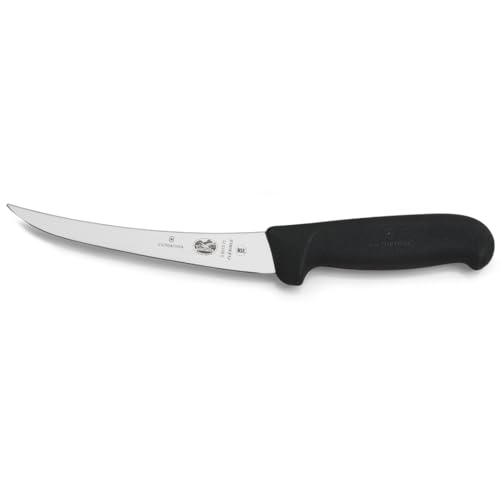
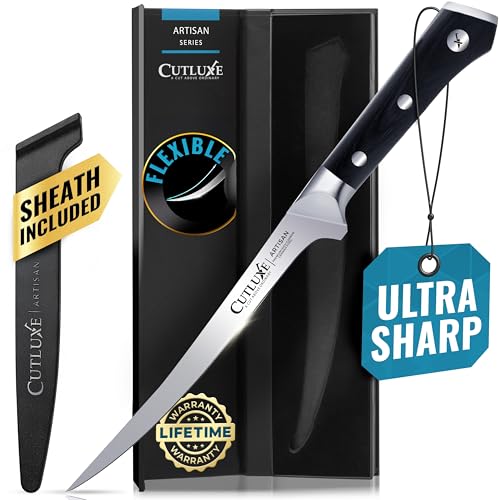
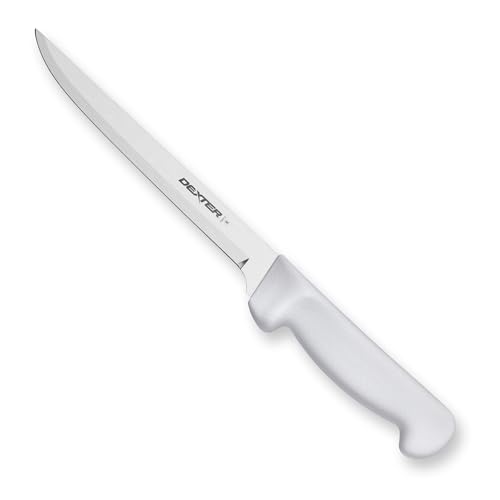
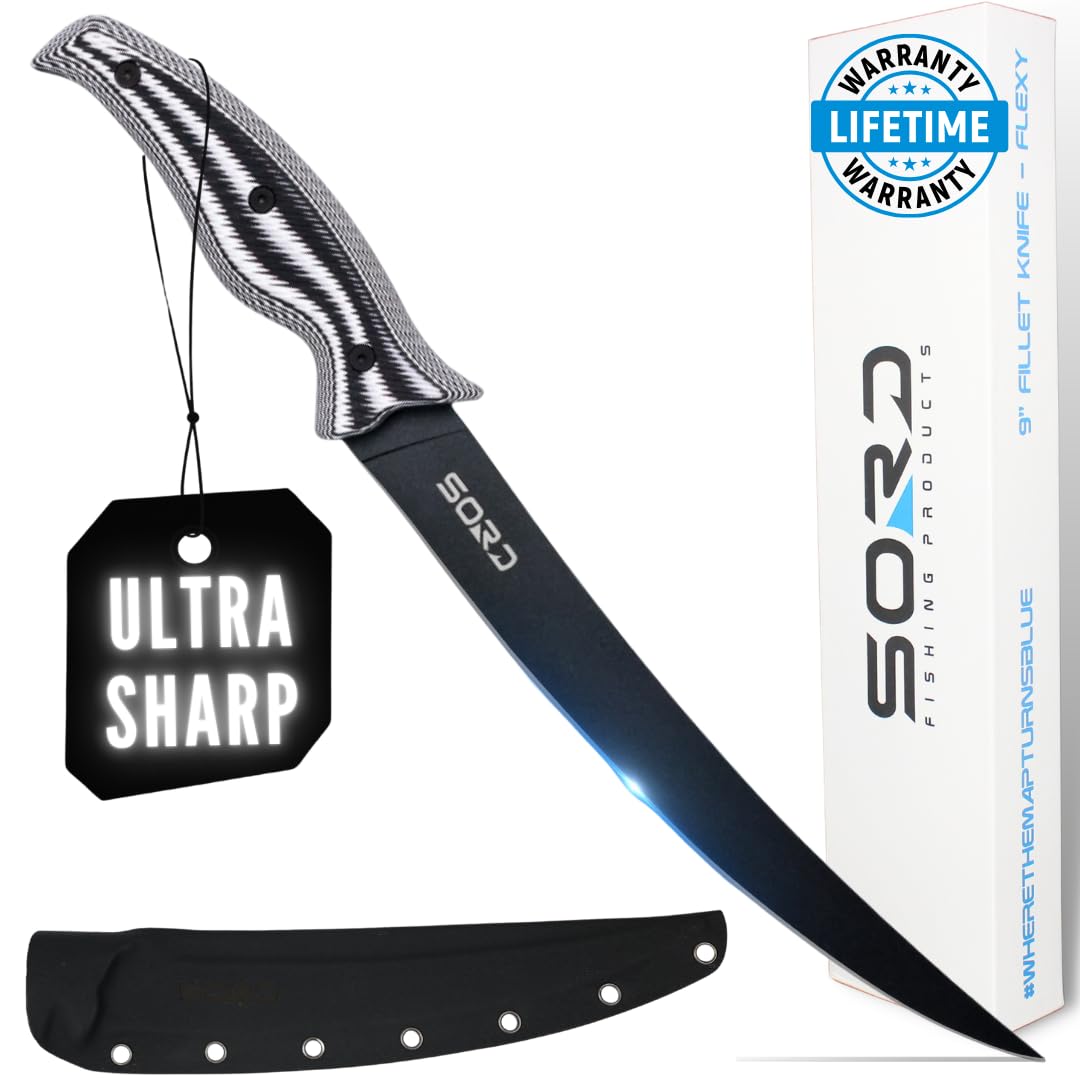
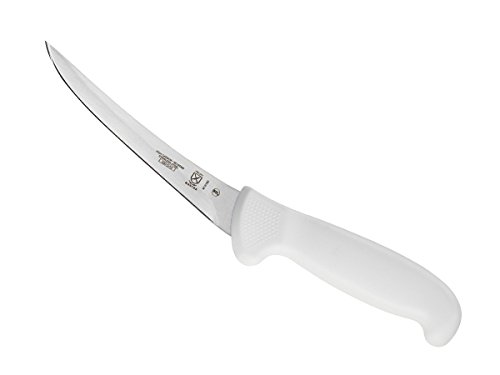
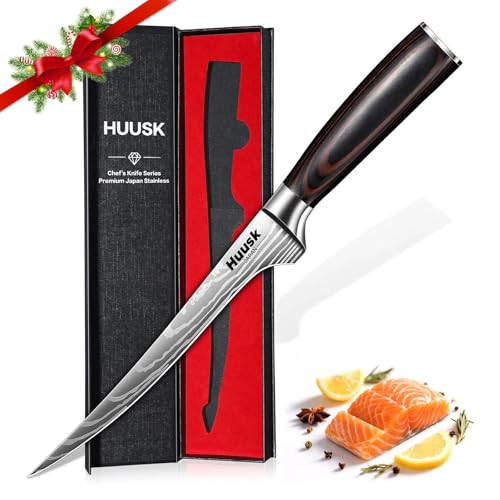
Quick Answer: The Three Blade Types at a Glance
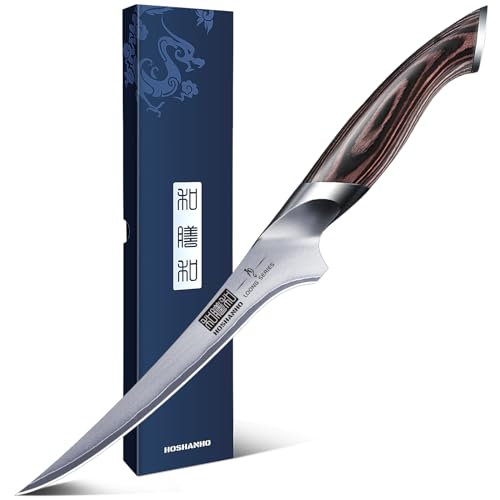
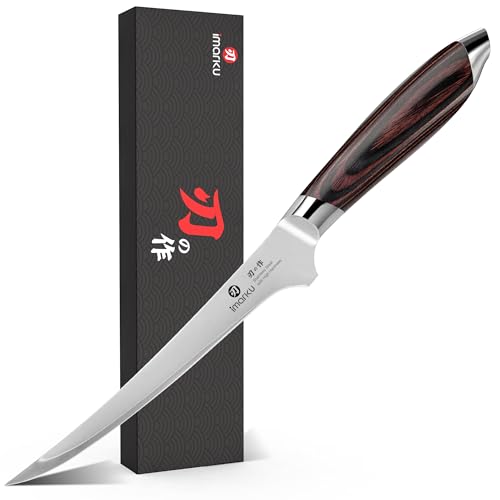
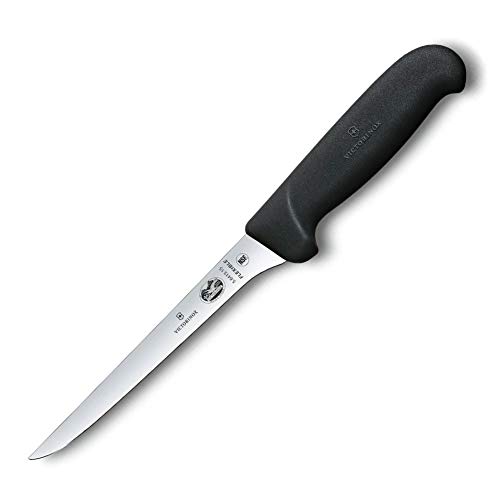
Most home cooks choose between three styles. A flexible blade bends as it follows the backbone and rib cage, suiting everyday filleting of medium fish. A stiff curved blade gives leverage for large fish and tougher frames. A Japanese style blade, such as a deba, offers a thick spine and a very keen edge for precise work. Match the style to the fish you buy most often, and the details below will fall into place.
Before You Buy: A Quick Checklist for Choosing a Boning Knife for Fish
Size: Match It to Your Space
Blade length shapes both control and storage. A 5 inch blade feels nimble on small fish like trout and fits in a crowded drawer or a compact knife block. A 6 inch blade is the most versatile choice for salmon, sea bass, and snapper, and it suits most home counters. A 7 inch blade helps with long fillets from large fish, but it needs a bigger board and more storage room. Measure your drawer or block slots before buying, since a blade that has no proper home ends up loose, dull, and risky to grab.
Which Type Fits Your Routine
Flex describes how much the blade bends under pressure. Flexible blades trace bones closely and waste less flesh, which matters when fish is pricey. Stiff blades push through cartilage and large frames without wandering. Curved blades arc upward so the tip can sweep along ribs in one motion, while straight blades give a simpler, more predictable cut for beginners. Japanese styles split the work: a deba breaks down whole fish, and a long thin slicing blade portions raw fillets. Pick based on the task you repeat weekly, not the one you might try once a year.
Steel Type and Hardness
Most fish knives use stainless steel, which resists rust from salt water and fish juices and asks little of you beyond washing and drying. Hardness is rated in HRC. Softer steel dulls faster but is quick to restore on a honing rod and forgiving if the edge meets a bone. Harder steel, common in Japanese blades, holds a finer edge through many fillets but can chip if you twist it against bone. For most homes, mid range hardness balances edge life with easy upkeep.
Blade Geometry: German vs Japanese
German style blades are ground with a wider edge angle on both sides, so they feel sturdy and tolerate contact with bones and boards. Japanese style blades use a narrower angle, and some traditional models are ground on one side only, which produces very clean slices through soft flesh but demands a careful, straight cutting motion. If your household shares one knife among several cooks with mixed skill levels, the double sided German geometry is the safer default, and our guide to the best japanese boning knife explains the single bevel approach in more depth.
Handle, Bolster, and Balance
Fish work means wet, slippery hands, so grip matters more here than with almost any other knife. Textured synthetic handles stay secure when wet and shrug off fish odor after washing. Smooth wood handles look lovely but can feel slick and need more care. A small bolster or a shaped finger guard keeps your hand from sliding toward the edge during a long pull cut. Balance should sit near where the blade meets the handle, so the tip feels light and responsive rather than heavy and tiring during a batch of fillets.
Realistic Budget Ranges
Knives priced under $20 usually have a stamped stainless blade and a basic plastic handle, fine for occasional fish nights. The range at about $20 to $50 suits most homes, with better steel, a shaped handle, and an edge that holds through regular use. Spending about $50 to $100 brings harder steel and finer finishing. Paying more mostly refines feel and edge life rather than changing what the knife can do, so set your budget by how often fish is on your menu.
Three Blade Styles Compared for Real Homes
Flexible Blades for Most Homes
A flexible 6 inch blade is the style most households do well with. It handles the common rotation of salmon portions, whole trout, and snapper without drama, and its bend forgives small steering mistakes while you learn. It also stores easily, since the slim profile fits standard blocks and drawer trays. Households that cook fish weekly and value low upkeep will find it covers nearly every task, and it doubles for trimming poultry, as the guide to the best boning knife for chicken shows.
Stiff Curved Blades for Large Catches
If your home regularly sees whole large fish from a market trip or a fishing weekend, a stiff curved blade earns its space. The firm blade pushes through the head joint and thick frame without flexing away, and the curve keeps the edge in contact along the ribs. The tradeoff is storage and care: these blades are longer, need a bigger board, and feel clumsy on small fish. Homes that also break down game will recognize the same leverage logic behind the picks in our best boning knife for deer guide.
Japanese Style Blades for Precise Work
A deba or a similar Japanese style blade suits cooks who buy whole fish often and enjoy careful, deliberate knife work. The thick spine gives weight for splitting heads, while the acute edge leaves fillet surfaces smooth and glossy, which home cooks serving crudo or sashimi style slices will appreciate. The compromise is upkeep: these blades want a whetstone rather than a quick honing rod, and they dislike twisting motions. Choose this style if precision is your pleasure and you are happy to maintain the edge properly.
How to Judge a Boning Knife for Fish
The criteria that matter are steel and edge retention, balance and ergonomics in a wet hand, sharpness as delivered, ease of maintenance, and value for the money. Maker specifications and verified buyer feedback are the best guide. A knife scores well when it fits ordinary home routines: normal counters, shared drawers, and cooks who want dinner done rather than a new hobby.
Living With It: What Really Matters Day to Day
The daily reality of a fish knife is less about the first fillet and more about the fiftieth. Wet grip security matters every single time, since counters and hands stay damp through the whole job. Thin blades rinse clean fast, but the handle scales and the joint where blade meets handle trap residue, so a handle with smooth, sealed surfaces saves scrubbing. Storage matters in family kitchens too: a simple blade guard keeps the edge safe in a drawer and keeps fingers safe when someone reaches in hurriedly.
Technique improves quickly with a little guidance, and our walkthrough on how to use a boning knife covers grip, angle, and the order of cuts. One habit pays off immediately: let the blade ride along the bone instead of sawing. You will hear the tip tick along the ribs when the angle is right, and the fillet will lift away in one piece with far less flesh left behind.
Common Buying Mistakes to Avoid
- Buying a 7 inch blade for a small kitchen, so it lives loose in a drawer and dulls against other utensils.
- Choosing a stiff blade for delicate fish, which tears soft flesh instead of gliding along the bone.
- Ignoring handle texture, then struggling for control the first time your hands are wet and cold.
- Paying for premium hard steel without owning a whetstone, so the fine edge chips and never gets restored.
- Assuming one knife must do everything, then forcing a slim fish blade through tasks that call for a heavier knife.
Cost of Ownership and Care
Ownership costs stay low with this type of knife. Expect to spend a little on a blade guard or sheath if your storage is a drawer, and eventually on a whetstone or a sharpening service. Hand wash in warm soapy water and dry the blade right away, since even stainless steel can spot if it sits wet in the sink. Hone lightly before fish nights to realign the edge, and sharpen fully only when honing stops helping; our guide on how to sharpen a boning knife explains the stones and angles in detail. Store the knife dry, and never toss it into a dishwasher, where jets knock the edge against racks and detergent dulls the finish.
Your Questions, Answered
How do you clean a boning knife after filleting fish?
Rinse the blade under warm water as soon as you finish, then wash it with a soft sponge and dish soap, working from spine to edge so your fingers stay clear of the edge. A brief soak is fine for the handle, but wash the blade itself promptly, since fish residue dries into a stubborn film and carries odor into the next meal. Dry with a towel in one direction, spine first, and put the knife away only when fully dry.
Is a boning knife worth it if you only cook fish now and then?
Yes, if you buy whole or skin on fish even once a month, because the yield difference is real: a thin blade following the bone leaves noticeably more flesh on the fillet and less on the frame you throw away. The knife also earns its keep trimming meat and poultry between fish nights. If you only ever buy boneless fillets, though, skip it and spend the money on a good cutting board instead, since the knife would sit unused.
How long does a boning knife for fish last?
A decent stainless blade lasts many years in a home kitchen, often a decade or more, because fish bones are soft compared with what a knife edge meets in other work. The usual end of life is not breakage but gradual thinning after years of sharpening, plus handle wear. One sign it is time to replace: the blade has been ground back so far that the tip no longer reaches into the rib area cleanly.
What should you look for in a boning knife for fish if your hands are small?
Choose a handle with a slimmer neck and a pronounced finger guard, and favor a 5 inch blade, since a shorter blade keeps the tip closer to your hand and easier to steer. Weight matters too: a lighter knife reduces the grip force you need, which helps when hands are wet. Try rolling the handle slightly in your palm before buying if you can, because small hands feel the difference between a round handle and a shaped one right away.
What makes a boning knife brand reliable for fish knives?
Reliability shows up in the details a maker is willing to publish: a named steel, a stated hardness range, and a warranty covering defects in materials. Consistent grinding matters too, because a blade with an even edge from heel to tip sharpens predictably for years. Treat claims about secret steel or lifetime sharpness with suspicion, since every edge needs maintenance. A maker that sells replacement sheaths and publishes care guidance usually supports its knives long term.
Final Thoughts
For most households, a flexible 6 inch stainless blade in the middle budget range is the best boning knife for fish you can buy, because it fits small counters, forgives learning hands, and asks for almost no upkeep. Go stiff and curved if large whole fish are routine, or consider a Japanese style blade if precision is the part you enjoy. Check the product table near the top against your drawer space and your usual catch, and you will pick with confidence.