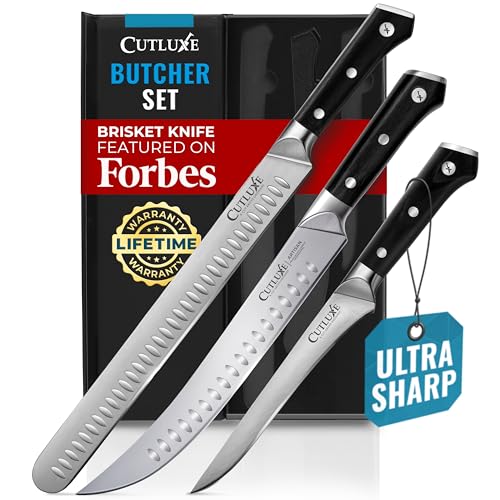
Best Boning Knife for Brisket (2026): Trimming and Portioning
Disclosure: We may earn a commission when you buy through links on this page, at no extra cost to you. As an Amazon Associate I earn from qualifying purchases. Learn more

Blade length, flex and grip advice for choosing the best boning knife for brisket, from curved trimmers to stiff portioning blades.
A whole packer brisket takes up most of a home counter, and trimming it with a wide chef knife usually ends with gouged meat and a tired wrist. A narrow boning knife solves that problem because the blade can follow the fat cap and slip around the point and the flat without tearing either muscle. This guide to the best boning knife for brisket helps you choose by kitchen space, household size, and budget, and the product table below lets you compare real knives side by side.
Brisket work is mostly trimming before the cook and portioning after it, so you need control more than raw size. The sections below cover blade length, flex, steel, handles, and upkeep costs from a home cook angle.
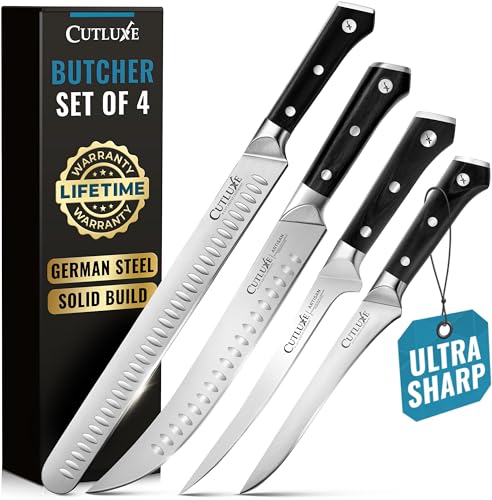
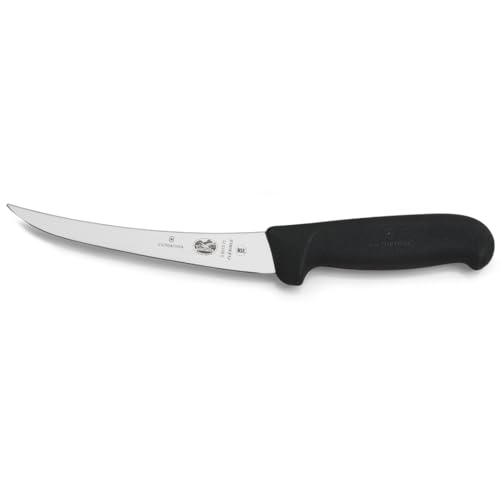
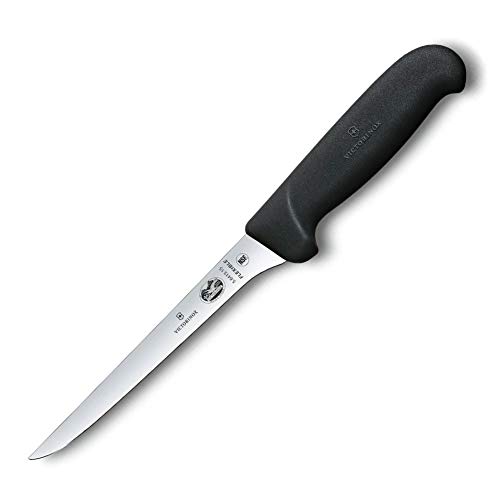
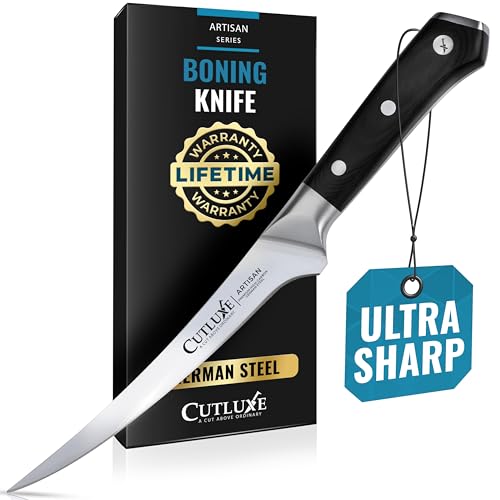

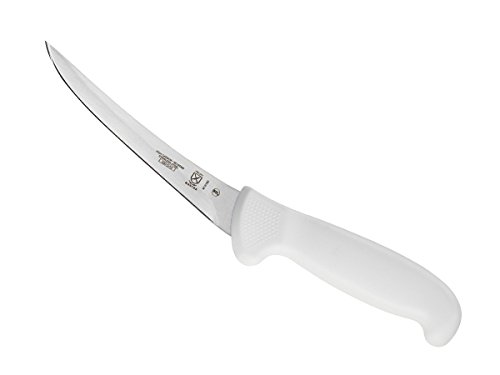
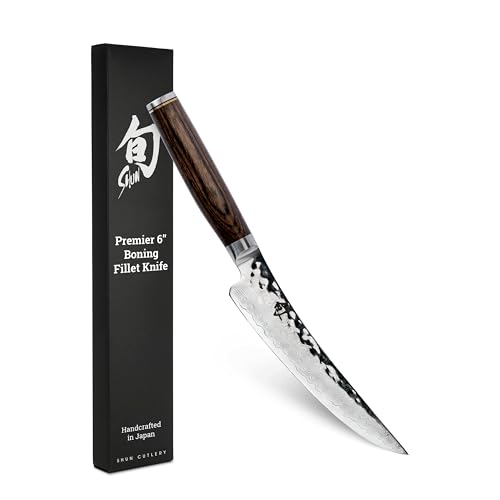

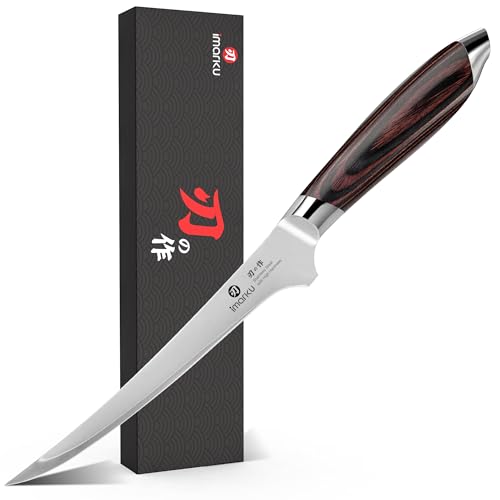
Quick Answer: The Main Styles in 30 Seconds
Three styles cover nearly every home brisket task. A flexible curved blade is the trimming specialist, bending along the fat cap and lifting silver skin in long, clean passes. A stiff straight blade gives a firmer feel for separating the point from the flat and for portioning cooked meat. A Japanese style blade rewards careful hands with precise cuts but asks for gentler treatment around bone. For the broader picture, our guide to the best boning knife compares these shapes across all proteins.
Before You Buy: A Quick Checklist for Choosing a Boning Knife for Brisket
Work through these six points before you spend anything.
Size: Match It to Your Space
Boning knives for brisket usually run 5 to 7 inches, and the right length depends on your board and your hands. A 5 inch blade turns easily in tight spots near the point, which suits small counters and smaller hands. A 6 inch blade is the middle ground most homes land on, long enough to span the fat cap in smooth strokes yet short enough for a standard drawer block. A 7 inch blade helps with large packers but can feel clumsy on a small board.
Which Type Fits Your Routine
Flex and shape shape your routine more than any other choice. Flexible blades bend as you follow the curve of the fat cap, so they waste less meat during trimming. Stiff blades stay put when you push through the thick seam between the point and the flat. Curved blades lift the tip as you pull, keeping the edge in the cut while you peel fat upward. Straight blades track in a predictable line for portioning cooked brisket. Most home cooks end up happiest with a curved blade with moderate flex.
Steel Type and Hardness
Most blades here use stainless steel, which resists stains from raw meat juices and needs little fuss after washing. Softer steels dull faster on bone contact but sharpen again in minutes on a basic stone or rod. Harder steels hold a fine edge through several briskets, but they can chip if you twist the blade against bone. For monthly brisket cooking, easy upkeep matters more than edge retention, so mid range hardness is the sensible pick.
Blade Geometry: German vs Japanese
German style blades are thicker behind the edge and ground at a wider angle, so they shrug off contact with bone and frozen fat. Japanese style blades are thinner and ground at a narrower angle, which lets them glide through soft fat with almost no drag. The trade off is care: a thin Japanese edge should never pry or twist. If a thinner blade appeals to you, the guide to the best japanese boning knife explains that style in more depth.
Handle, Bolster and Balance
Your hands will be wet and slick with fat for much of a trim session, so grip security matters more than looks. Textured synthetic handles stay put in a wet grip and tolerate the dishwasher, though hand washing is kinder. Wood handles feel warm but need drying right away. A full bolster adds weight near your fingers and makes the knife feel steadier during long cuts, while a partial bolster keeps the heel of the edge usable for sharpening. A blade that balances at the bolster tires your wrist least.
Realistic Budget Ranges
Prices fall into three rough bands. Under $20 buys a serviceable stamped blade with a basic handle, fine for a few cooks a year. About $20 to $50 is where forged blades, better steel, and shaped handles appear, and this band suits most homes. About $50 to $100 brings harder steel and finer fit and finish. Spending more mainly buys edge retention and comfort, not a different result on the plate.
Types Compared: What Each Style Does Best at Home
Flexible Curved Blades for Close Trimming
This is the style most brisket cooks reach for first. The curve raises the tip so you can start under a flap of fat and draw the blade toward you in one motion, and the flex lets the edge ride the surface of the meat instead of digging in. It is the most forgiving shape for learning to remove silver skin, because small steering errors bend the blade rather than gouging the flat. Its weakness shows up in the deckle seam, where a bendy blade can wander.
Stiff Straight Blades for Firm, Predictable Cuts
A stiff blade behaves like a narrow utility knife, going exactly where you point it with no flex at all. That firmness helps when you separate the point from the flat, and it gives clean, even slices when you portion a rested brisket. Households that break down other large cuts often prefer this predictable feel, and readers who process game will find a similar logic in our guide to the best boning knife for deer. The cost of that control is less forgiveness on curved surfaces.
Japanese Style Blades for Precision Work
Japanese boning knives, including the honesuki shape, use hard, thin steel that takes a very keen edge. On brisket they shine during finish work: squaring the flat, trimming edges for even cooking, and cleaning the fat cap to a uniform thickness. They reward a cook who works slowly and keeps the blade moving in straight pulls. They are a poor match for twisting cuts, and they need a stone rather than a quick rod for sharpening.
How to Judge Boning Knives for Brisket
The criteria that matter are steel and edge retention, balance and comfort in a wet grip, sharpness as sold, ease of maintenance, and value for a home budget. Weigh maker specifications and patterns in verified buyer feedback, with extra weight on comments from people cooking for families rather than competitions. Styles that demanded costly upkeep scored lower for everyday homes.
Living With It: What Really Matters Day to Day
At home, a boning knife earns its drawer space between brisket cooks. It portions raw chicken, trims pork shoulders, and cleans up roasts, so a mid length blade that feels natural for many tasks beats a specialist you rarely touch. Technique matters as much as the tool, and the walkthrough on how to use a boning knife shows the grip and pulling motion that keep trimming safe. Storage is the other daily factor: a loose blade in a crowded drawer dulls fast and is a hazard, so plan on a sheath, a magnetic strip, or a block slot.
Household size changes the math too. A couple trimming a small flat twice a year needs far less knife than a family that cooks a full packer for gatherings and portions leftovers all week. Bigger households also hand the knife between cooks, which favors a grippy handle and forgiving steel over a delicate edge. If poultry is your other weekly task, our guide to the best boning knife for chicken covers the smaller, nimbler end of the same drawer.
Common Buying Mistakes to Avoid
- Buying a 7 inch blade for a small counter, which leaves the tip hanging off the board and cuts feeling awkward.
- Choosing the hardest steel you can find, which chips the first time the edge twists against bone near the point.
- Ignoring handle grip, which leads to slips once your hands are coated in fat.
- Paying for a large knife set to get one boning knife, which fills your drawer with blades you never use.
- Skipping a sheath or guard, which means the new edge dulls against other utensils within weeks.
Cost of Ownership and Care
The purchase price is only part of what a boning knife costs you. A honing rod, at about $10 to $25, keeps the edge aligned between cooks, and a basic whetstone, at about $20 to $40, restores it a few times a year. The guide on how to sharpen a boning knife walks through the process if stones are new to you. Wash the blade by hand right after use, dry it fully, and store it covered, because damp storage pits even stainless edges over time. A blade guard costs a few dollars and prevents the most common cause of early dulling in drawers. With that routine, a mid priced knife should serve for many years.
FAQ
What is the most reliable boning knife brand?
Reliability here comes less from a logo than from consistent steel, honest heat treatment, and a warranty the maker actually honors. Long established cutlery makers tend to hold tolerances well across production runs, which is why their blades sharpen evenly year after year. Before you commit, check that warranty support is easy to reach in your country, and favor makers that publish steel type and hardness rather than hiding both behind marketing terms.
How do you clean a boning knife after trimming brisket?
Wash it promptly, because dried fat and meat residue invite bacteria into the seam where blade meets handle. Use hot soapy water and a brush along the flat of the blade, working away from the edge, then rinse and dry at once. One point home cooks miss: sanitize the handle as carefully as the blade after raw beef, since your grip transfers residue to drawer handles and fridge doors.
Is a boning knife worth it if you only cook brisket a few times a year?
For two or three briskets a year, a modest blade still pays for itself in saved meat, since a clumsy trim can remove good flat along with the fat. The value case gets stronger because the same knife handles chicken, pork, and roasts all year. If you cook brisket once a year and own a sharp, narrow utility knife, you can manage without one, but expect slower trimming and a rougher fat cap.
How long does a boning knife last in a home kitchen?
The steel itself can last decades, so real lifespan is set by the edge and the tip. Repeated contact with bone gradually rounds the fine tip that brisket work depends on, and heavy handed sharpening slowly narrows the blade. Treat replacement as a feel based call: when the tip no longer slips under silver skin cleanly even after a careful sharpening, the knife has given you its best years.
What should I look for in a boning knife for brisket if you have small hands?
Start with handle circumference rather than blade length, because a slim handle that fills your palm without stretching your grip prevents the rolling that causes slips. Shorter blades around 5 inches also reduce the leverage working against a smaller hand. One extra check: hold the knife with wet hands and mimic a pulling cut, since dry showroom grip tells you almost nothing about trim day control.
What is the best boning knife for brisket for a typical family?
For most families it is a 6 inch curved blade with moderate flex, mid range stainless steel, and a textured handle, because that mix trims a full packer comfortably and still handles weekly chicken and pork. Match the final choice to your most common cook: frequent large packers justify harder steel, while occasional small flats favor the cheaper, easier to sharpen option.
Final Thoughts
Choosing the best boning knife for brisket comes down to fit: the length that suits your board, the flex that matches how you trim, and a handle that stays secure in wet hands. Use the product table near the top to compare the styles against your budget, and your next trim will waste less meat and feel far less like work.