
Best Bosch Wall Oven: Single, Double and Combo Types (2026)
Disclosure: We may earn a commission when you buy through links on this page, at no extra cost to you. As an Amazon Associate I earn from qualifying purchases. Learn more
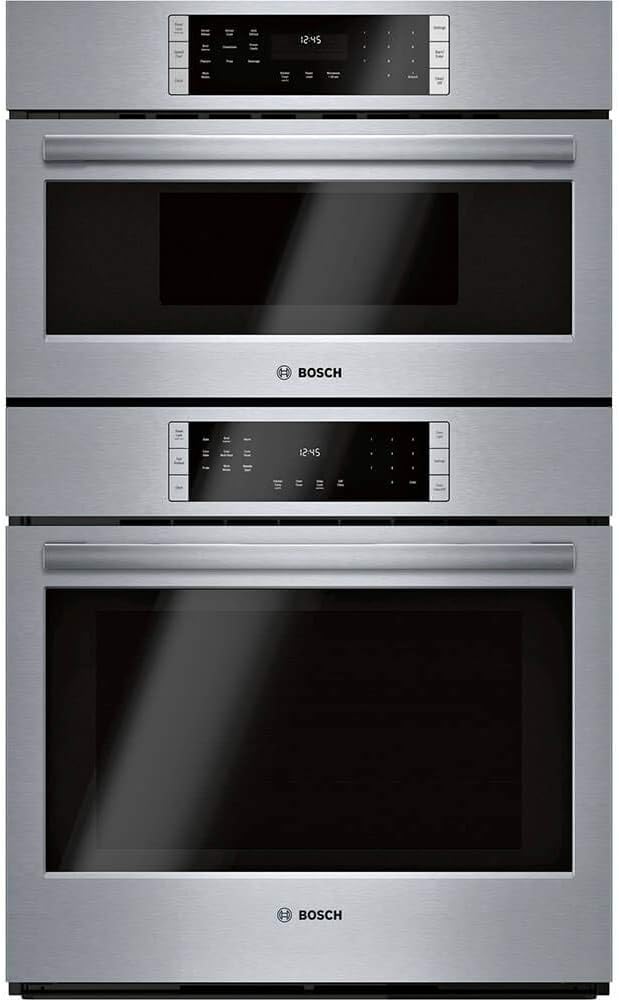
Best Bosch wall oven guide to single, double and combo types, series differences, cutout sizes and installation needs.
Picture a weekday evening in a busy kitchen. One person is roasting vegetables, another needs the oven free for a casserole, and counter space is already tight. Finding the best bosch wall oven for that home starts with fit, household size, and daily habits rather than extra modes. The right choice also frees counter space and puts controls at a comfortable height.
This guide helps you choose by room layout, number of people at home, and budget, and the product table sums up the main models at a glance. If you are still comparing brands, start with our guide to the best wall oven before you narrow your list to Bosch.


Quick Answer: Bosch Wall Oven Types in Brief
The best bosch wall oven for your home will fall into one of three broad types, and the right one depends mostly on cabinet space and how many dishes you cook at once.
- Single ovens suit most couples and small families. They take one cutout and cost the least in the range.
- Double ovens suit large families and frequent hosts. Two full cavities let you cook a main dish and sides at different temperatures at once.
- Speed and microwave combos pair a lower oven with a smaller upper unit. They suit compact kitchens where a second cooking method matters more than a second full cavity.
Before You Buy: A Quick Checklist for Choosing a Wall Oven
Work through these points in order, starting with size and electrical fit.
Size: Match It to Your Space
Bosch wall ovens come mainly in 24 inch, 27 inch, and 30 inch widths, and the 30 inch size is the most common in American kitchens. A 24 inch model fits narrow cabinets in smaller homes, though its cavity holds fewer large pans. If your cutout is narrower than standard, see our guide to the best 27 inch wall oven for fit details. Match the width to your cutout first, then check cavity volume against the largest pans you use each week.
Which Type Fits Your Routine
Think about your busiest cooking day, not your average one. If you rarely cook more than one dish at a time, a single oven covers your needs and leaves cabinet room for storage. Households that cook for five or more people often use both cavities of a double oven weekly. Our guide to the best double wall oven explains that layout, while our guide to the best single wall oven covers the simpler option. Combo units add speed cooking above the main oven.
Features Worth Paying For and Ones to Skip
True convection, with a fan and a heating element around it, is the feature most buyers use daily, since it cooks food on several racks more evenly. Our explainer on convection vs conventional oven covers how the two methods differ. A temperature probe earns its cost if you roast large cuts often, and a self cleaning cycle saves scrubbing time. WiFi controls and recipe apps are pleasant extras, but many owners use them rarely after the first month.
Measurements and Compatibility With Your Setup
Measure the cutout width, height, and depth, not just the front of your current oven, and write the numbers down before you shop. Check cabinet support as well, since wall ovens are heavy and some cabinets need added bracing. Confirm the electrical supply at the oven location, including breaker size and junction box position. Also plan the door swing and handle depth, so the open door clears nearby drawers and an island while you lift out a hot pan.
Certifications and Electrical Safety
Look for a recognized safety listing such as UL or ETL on the rating plate, which shows the oven was evaluated against United States safety standards. Your local electrical code governs the circuit and the junction box work, and many areas require a permit for a new installation. Keep the manual after installation, because service technicians ask for the rating plate details before ordering parts.
Professional Installation Versus Doing It Yourself
A wall oven is heavy, hardwired, and awkward for one person to lift into a cabinet, so most buyers hire a professional installer or an electrician. Our breakdown of wall oven installation cost shows what that service usually includes. Doing it yourself can save money only if you already have the correct circuit in place and a helper for the lift. Also factor in removing the old oven and any cabinet trimming the new size requires.
Realistic Budget Ranges
Bosch sits at the premium end of the wall oven market. Listings in the product table run from about $2,000 for a single 500 Series oven to roughly $4,500 to $6,000 for double, combination, and Benchmark models. Those figures cover the oven only. Set aside extra for installation, possible electrical work, and delivery, especially if your kitchen is older. A lower price helps little if install costs erase the saving.
Choosing by Household: Single, Double, and Combo Types Compared
Instead of ranking individual models, match the best bosch wall oven type to your household. The three patterns below cover nearly every Bosch buyer.
Single Convection Ovens for Most Homes
A single convection oven is the sensible default for households of one to four people. It offers the full Bosch cavity size in one cutout, keeps purchase and installation costs at the low end of the brand, and covers roasting, baking, and broiling without wasted space. Choose it if your current oven rarely feels too small.
Double Ovens for Large Families and Frequent Hosts
A double oven makes sense when two dishes at two temperatures is a weekly event, not a yearly one. Large families and people who host often get real value from the second cavity. The tradeoff is a higher price, a taller cutout, and no storage in that cabinet run. Choose it only if you can name recent meals where a second oven would have helped.
Speed and Microwave Combos for Compact Kitchens
A combo unit stacks a smaller speed oven or microwave above a full size lower oven in one cutout. It suits smaller kitchens where a countertop microwave takes up work space you need. The upper cavity is too small for large dishes, so think of it as a daily helper rather than a true second oven. Choose it when counter space is your tightest limit.
The Bosch Wall Oven Lineup Explained
Bosch groups its wall ovens into three series, and the series name tells you roughly how many features you get. The 500 Series is the entry point, with core functions, convection on many models, and simpler controls. The 800 Series adds touches such as quieter operation, more modes, and side opening doors on some models, which help if reaching over a hot drop down door is hard for you.
The Benchmark Series sits at the top, with the broadest feature set, including steam cooking on some models. Prices rise with each step up, while cavity sizes stay similar, so you mostly pay for features rather than room. Many households find the middle series covers everything they use weekly. Compare the series in the product table, then check that your size is offered in the series you prefer.
Common Buying Mistakes to Avoid
- Ordering by front width alone: a 30 inch front can hide a cutout that is too short or too shallow, and the oven then needs cabinet work before it can be installed.
- Forgetting the electrical check: an undersized circuit found on install day delays the job and adds an electrician visit you did not budget for.
- Paying for a double oven you rarely fill: the second cavity raises the price and install cost while sitting empty most of the year.
- Ignoring handle and door depth: a door that blocks a drawer or crowds an island makes daily loading frustrating.
- Skipping the service check: buyers who never confirm local service coverage can face long waits if the oven needs a repair.
Cost of Ownership and Care
Running costs for an electric wall oven are modest, since the oven draws power only while cooking and convection often shortens cooking time slightly. Larger double ovens cost more to preheat for a single small dish, which is one more reason to size the oven to your routine. Budget over the years for light bulbs, racks, and an occasional service visit after the warranty ends.
For care, wipe spills after the oven cools, since baked on residue gets harder to remove each time you reheat it. Use the self cleaning cycle only as directed, and remove the racks first unless the manual says they can stay in. Keep the door seal clean so heat stays inside the cavity. Keep your proof of purchase as well, because it speeds up any warranty claim later.
FAQ
Is Bosch a good wall oven brand for daily home use?
Yes, Bosch is a solid choice for daily home use, with a reputation built on tidy built in design and consistent baking results. One point buyers often miss is kitchen matching. If you already own a Bosch dishwasher or cooktop, the handles and finishes usually coordinate, which keeps a remodel looking planned. Parts and service networks are widely available in the United States, which also helps resale, since many buyers value a matched appliance suite.
How long does a Bosch wall oven usually last?
A Bosch wall oven commonly lasts about 15 to 20 years with normal home use, though how you use it matters as much as age. Frequent self cleaning cycles at very high heat strain heating elements and control boards, so running that cycle a few times a year instead of monthly helps. Booking service when preheat times grow longer can also catch a failing element early, before it stops during a big family meal.
How do you clean a Bosch wall oven without harming the finish?
Start with warm water, a soft cloth, and mild dish soap once the oven is fully cool. Soak racks in the sink rather than scrubbing them inside the cavity, which protects the interior coating from scratches. Avoid steel wool and abrasive powders on stainless fronts, since fine scratches show quickly under kitchen lighting. A paste of baking soda and water, left on a stubborn spot for an hour before wiping, lifts many stains without risking the finish.
Which Bosch wall oven should a household of two buy?
Most households of two do best with a single 27 inch or 30 inch convection oven. One useful check is pan based. If your largest sheet pan and roasting pan both fit with room for air to circulate, the single cavity will not limit you. Couples who batch cook on weekends are the exception. For them, a combo unit adds a small upper oven for weekday reheating, which avoids heating a large space for a single portion.
Is a Bosch wall oven worth it if you already own a range?
It can be, if your range oven is the bottleneck when you cook for guests. A wall oven gives you a second cooking space at a comfortable height, so meats and sides no longer compete for one cavity at holiday meals. It also acts as backup if the range needs repair before a gathering. It is harder to justify if you bake rarely, since the wall oven takes cabinet space you could use for storage.
Final Thoughts
Start with your cutout measurements, then weigh household size, routine, and total budget including installation. For most homes, a single convection model is the best bosch wall oven choice, while large families gain real value from a double oven and compact kitchens from a combo unit. Compare the series and sizes in the product table above against your measurements, and you will have a short list that fits your kitchen and your budget.


