
Best Ceramic Heater With Thermostat (2026): Buying Guide
Disclosure: We may earn a commission when you buy through links on this page, at no extra cost to you. As an Amazon Associate I earn from qualifying purchases. Learn more

Choose the best ceramic heater with thermostat for a bedroom or office: room size, safety features, noise, running cost and placement.
A heater that blows hot air for ten minutes and then leaves you too warm or too cold is a common winter complaint, and the thermostat is usually the reason. If you are shopping for the best ceramic heater with thermostat, the goal is steady, comfortable room heat that switches itself on and off to hold a temperature you choose. This guide covers sizing, safety, noise, running cost and placement so you can choose a model that suits a bedroom, home office or living room.
Ceramic heaters warm a small ceramic element and push air across it with a fan, so they heat up fast and are light enough to carry from room to room. Add a thermostat and the heater cycles by itself instead of running flat out all night. Use the product table to compare current models, then use the sections below to decide which features are worth paying for.







Who a Ceramic Heater With Thermostat Suits
These heaters suit people who want to warm one room rather than a whole house. A bedroom that stays cold at night, a home office with a drafty window, a basement corner or a spare room used only a few hours a day are all good fits. The thermostat matters most in places where you leave the heater on for long stretches, because it stops the room from overheating and trims electricity use.
They are a poor match for heating a large open space or an entire floor. A single heater on a normal household outlet is limited to about 1500 watts, so it supports a room, not a house. If your whole home runs cold, look at the central system first and treat a ceramic heater as a supplement.
How the Thermostat Works and Why It Matters
A thermostat senses the room air and turns the heating element off when the room reaches your set temperature, then back on when it cools. Dial models give you a simple low to high range and are easy to understand. Digital models let you set a specific temperature, often with a remote, which makes it easier to hold the same comfort level night after night.
Look for a thermostat that responds smoothly rather than clicking on and off every few seconds. A heater with an eco or auto mode that adjusts fan speed and heat for you can be the better choice if you want to set it and leave it. Place the heater a few feet from where you sit, since a thermostat placed right beside a cold window or a hot wall can read the room wrongly.
Sizing: Match Heat to the Room
When you compare the best ceramic heater with thermostat options, most top out at 1500 watts, so the real question is how big a room that output can handle. A small bedroom or office is a comfortable match, while a large living room with high ceilings may only feel warm close to the heater. Heat the space you actually use: if you sit at a desk, a compact desktop model can warm you directly without heating the whole room.
Insulation counts as much as wattage. A room with sealed windows and a closed door holds heat far better than a drafty one, so closing gaps often does more than buying a stronger heater. If the room never reaches your set temperature, the heater will simply run continuously.
Safety Features to Insist On
Safety features matter more than extras. Look for tip over protection that switches the heater off if it is knocked over, and overheat protection that cuts power if the unit gets too hot. A cool touch housing helps in homes with children or pets, and a clear listing from a recognized safety laboratory is a good sign. Standards are general guidance, so follow the manufacturer's instructions for your exact model.
Plug the heater straight into a wall outlet. Extension cords and power strips can overheat under the load of a heater. Keep the unit away from curtains, bedding and furniture, and never leave it running in an empty room or where it could be covered. If the cord or plug feels hot or looks damaged, stop using it and contact the maker.
Noise, Oscillation and Controls
Because ceramic heaters use a fan, noise is a real consideration in a bedroom. Check whether the listing mentions a quiet or low speed mode, and read buyer comments about fan hum. Oscillation spreads warm air across more of the room, which is useful in a living area, while a fixed model suits a desk. A timer is handy for bedrooms, since you can warm the room before sleep and let it shut off later. A remote saves getting out of a warm chair or bed to change settings.
Energy Use and Running Cost
A 1500 watt heater uses as much electricity as its label says while the element is on, so cost depends on how long it runs. This is where the thermostat pays off: once the room reaches the set temperature, the element cycles off and uses little power. Heating only the room you use, rather than raising the whole house thermostat, is the usual way a small heater saves money.
Tower, Desktop and Compact Types
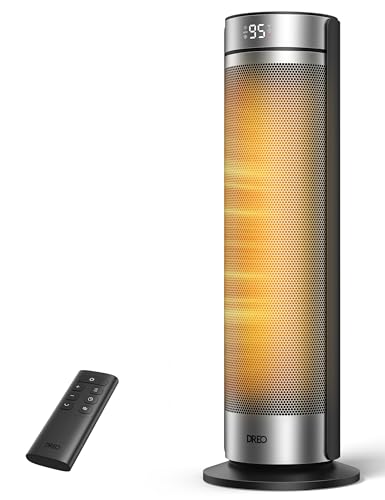
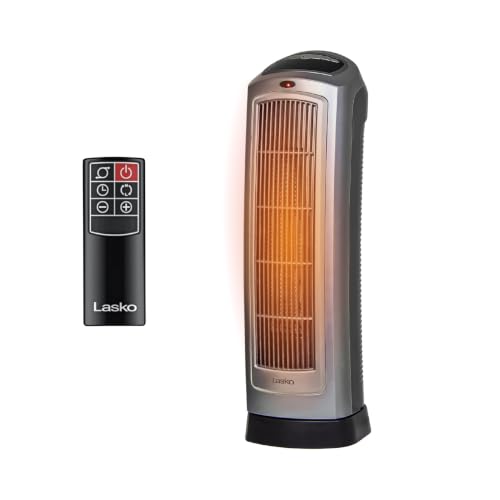
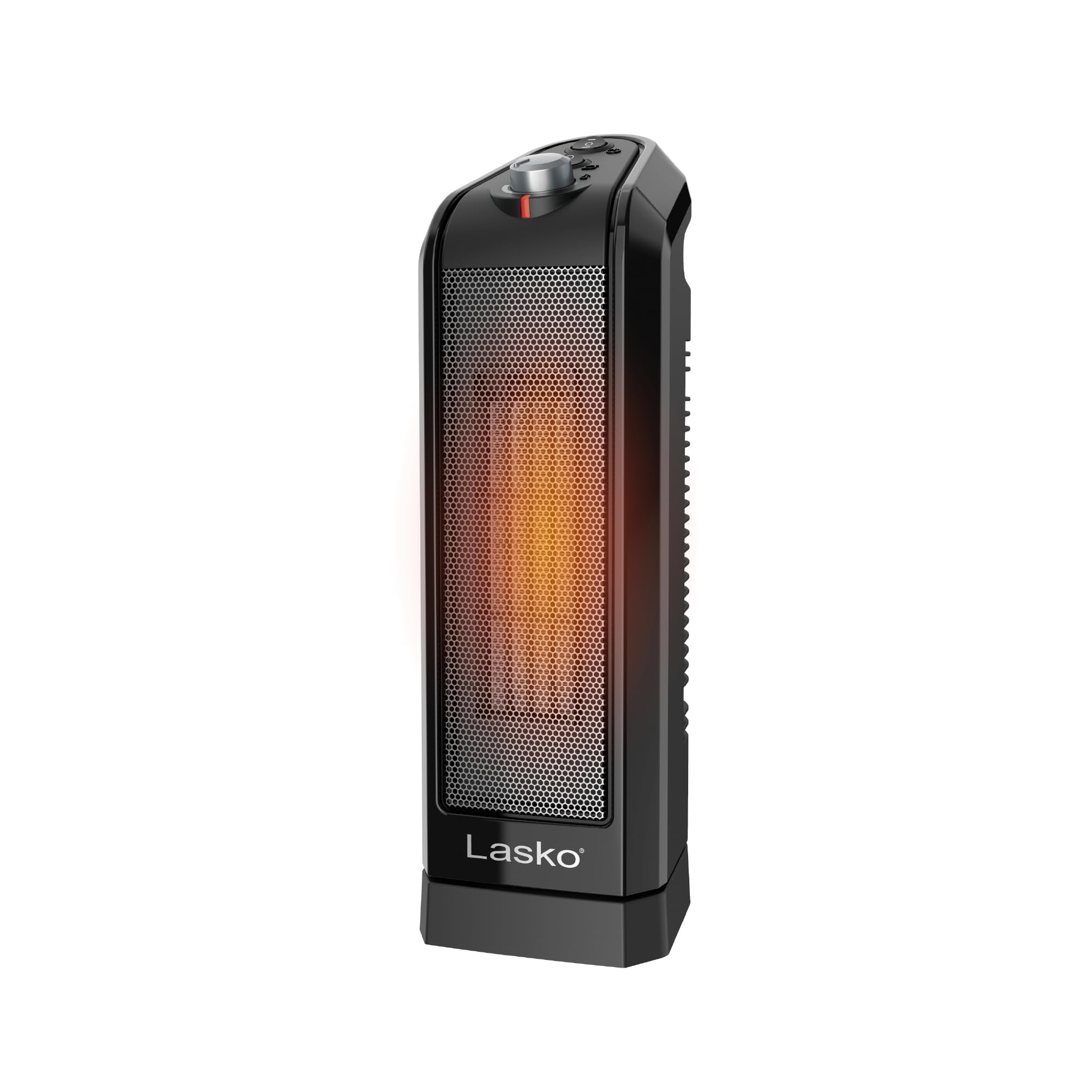
Tower heaters stand upright, take little floor space and often include oscillation, a remote and a digital display. They suit bedrooms and living rooms. Compact box style heaters are cheaper and easy to store, with a simple dial thermostat that works well for a small room. Desktop models are small enough for a desk or bathroom counter space where rules allow, but they are meant for personal warmth rather than heating a room.
Placement and Daily Care
Set the heater on a flat, hard floor, not on a rug, bed or sofa. Leave clear space on all sides, as the maker advises, and keep the air intake free of dust. Unplug the heater and let it cool before you wipe the grille or vacuum dust from the vents, because dust that builds up can cause smells and reduce airflow. Store it upright with the cord loosely wound in a dry spot at the end of the season.
Common Mistakes to Avoid
- Choosing by wattage alone and ignoring room size, insulation and fan noise.
- Plugging a heater into an extension cord or crowded power strip.
- Placing the heater beside a cold window, which can make the thermostat read low and run too long.
- Paying for smart features you will not use, instead of a quiet fan and solid safety protection.
- Leaving the heater on in an empty room instead of using the timer.
Related Guides
For a wider look at heaters with a thermostat, see our guide to the best heater with thermostat. If you want a space heater that stays on a desk or a nightstand, the best space heater thermostat page narrows the choice. Readers who need to warm a particular room can check the best room heater with thermostat, and anyone who moves a heater between rooms may prefer the best portable heater with thermostat.
Frequently Asked Questions
Is a ceramic heater with a thermostat cheaper to run?
Usually yes compared with a heater that runs constantly, because the thermostat switches the element off once the room is warm. Running cost still depends on how often the heater runs and on your electricity rate. Heating one occupied room and keeping doors closed lowers the total.
Can I leave a ceramic heater on all night?
Many people do, but follow the manufacturer's instructions and use a model with tip over and overheat protection. Keep it clear of bedding and curtains, plug it directly into the wall, and use a timer where the room does not need heat all night.
How big a room can one ceramic heater warm?
A 1500 watt ceramic heater is best for a small to medium room, such as a bedroom or home office. A large or drafty room may only feel warm near the heater, so sealing gaps and closing the door help as much as a stronger model.
What is the difference between a tower and a compact ceramic heater?
Towers stand tall, often oscillate and add a remote and digital thermostat, so they heat more of a room evenly. Compact heaters are smaller, cheaper and easy to store, and they suit a desk or a small room. Choose by room size and where you will place it.
Why does my ceramic heater keep switching off?
Switching off is normal once the room reaches your set temperature. If it shuts off too soon, move it away from a cold window or from direct airflow that fools the thermostat. If it switches off with a burning smell, unplug it and clean the vents or contact the maker.
Final Thoughts
Pick a size and style that suits your room, insist on tip over and overheat protection, and choose a thermostat that holds a steady temperature with a quiet fan. Heat only the space you use, plug the heater directly into the wall and keep it clear of anything that burns. The product table above helps you compare current models, and the right choice of best ceramic heater with thermostat should keep one room comfortable all winter without wasting power.


