
Best Bookshelf Speakers for Music 2026: A Listening Guide
Disclosure: We may earn a commission when you buy through links on this page, at no extra cost to you. As an Amazon Associate I earn from qualifying purchases. Learn more
Learn how to choose bookshelf speakers for music, covering driver size, room placement, amplifier matching, and genre specific sound advice.
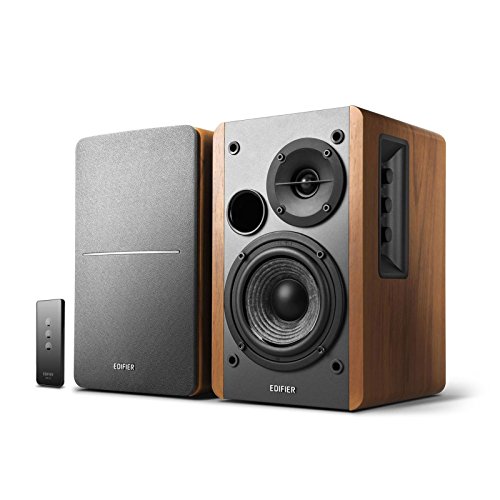
best bookshelf speakers for music bring detailed, room filling sound to small and medium spaces without the footprint of floor standing models. The comparison table below gives a quick overview, while this guide explains driver design, placement, and amplifier matching in plain terms.
Bookshelf speakers suit listeners who care about tone, detail, and stereo imaging. They reward careful placement and a decent amplifier, and they scale well from a bedroom desk to a dedicated listening room. Understanding a few basics helps you avoid mismatched pairings and disappointing bass.




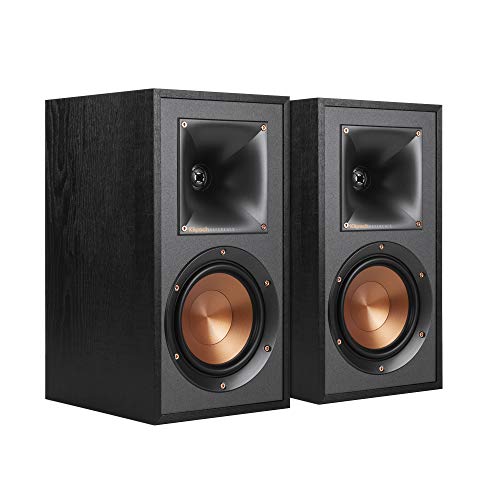
Who Should Buy Bookshelf Speakers
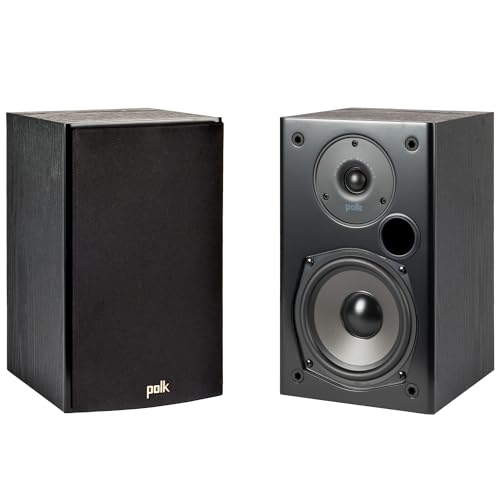
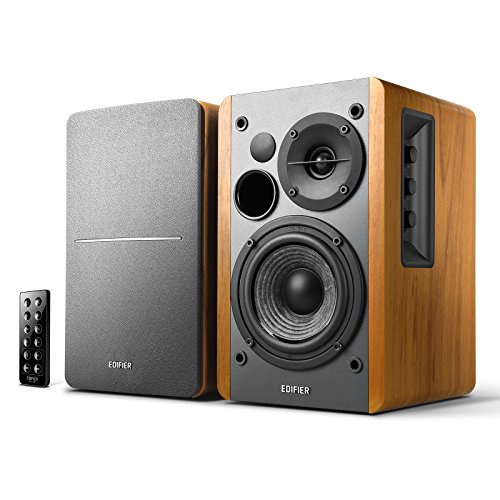
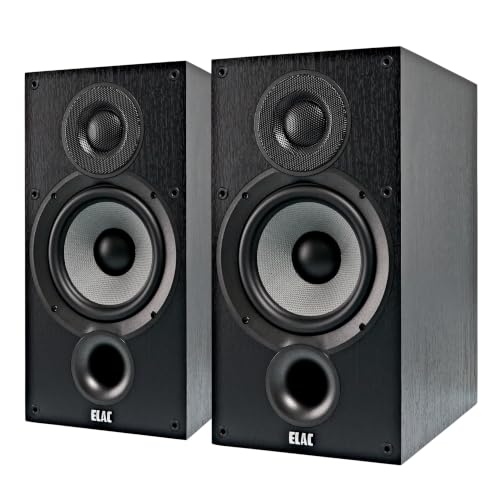
Bookshelf speakers suit music lovers with limited floor space who still want full range sound. They work well on stands, shelves, and desks in bedrooms, studies, and living rooms. If you listen attentively rather than only as background, bookshelf speakers reward that attention with detail and imaging.
They are less suited to very large rooms where floor standing speakers or a subwoofer are needed for deep bass and high volume. They also need stands or sturdy shelves for best results, because placement on a crowded desk can muddy bass. If your room is large and loud, consider larger speakers or adding a subwoofer later.
Driver Size, Cabinets, and Sound Character
Driver size shapes bass and overall balance. Smaller drivers suit nearfield desk listening and small rooms, while larger drivers move more air and give fuller bass in medium rooms. A two way design with a woofer and tweeter is common and versatile, while three way designs add a dedicated midrange driver for more detailed vocals.
Cabinet design matters as much as driver size. Sealed cabinets give tight, controlled bass, while ported cabinets extend bass deeper but need space behind the speaker to breathe. A well braced cabinet reduces resonance that colours sound, so knock on the cabinet when testing: a dull thud suggests solid construction, while a hollow ring suggests resonance.
General bookshelf designs are covered in our guide to best bookshelf speakers, which compares sizes and cabinet types for different rooms.
Placement, Stands, and Room Acoustics
Placement transforms bookshelf speaker sound more than any cable upgrade. Place speakers at ear height when seated, roughly forming a triangle with your listening position, and keep them away from corners that exaggerate bass. A small amount of toe in, angling speakers slightly toward you, often sharpens the stereo image.
Stands beat bookshelves for serious listening, because they isolate speakers from vibrations and allow precise height and distance. If you must use a shelf, place speakers near the front edge to reduce reflections from the shelf surface. Soft furnishings, rugs, and curtains tame harsh reflections in bare rooms, while very dead rooms may sound dull.
Amplifier Matching and Power
Bookshelf speakers need an amplifier matched to their sensitivity and impedance. Sensitivity tells you how loud a speaker plays for a given power input, while impedance affects how hard the amplifier must work. A high sensitivity speaker needs less power for the same volume, which suits small amplifiers and low volume listening.
Do not obsess over wattage numbers alone. A clean, well designed amplifier of modest power usually sounds better than a cheap high wattage unit that distorts early. Check that your amplifier can drive your chosen impedance comfortably, and leave headroom so loud passages do not clip. If you use a turntable, confirm the amplifier includes a phono input or budget for a separate phono stage.
Classical music listeners can compare detailed models in our guide to best bookshelf speakers for classical music, which emphasises midrange clarity and dynamic range.
Genre Differences: Classical, Rock, and General Listening
Classical music rewards wide dynamic range, detailed strings, and a natural midrange, because orchestras span quiet passages and full crescendos. Rock music rewards punchy bass, clear vocals, and the ability to play loud without harshness. A speaker that excels at one genre may compromise on the other, so prioritise the music you listen to most.
General listening across many genres benefits from a balanced, neutral speaker that does not exaggerate bass or treble. Such a speaker may sound less exciting at first than a coloured model, but it stays enjoyable across long sessions and varied playlists. Listen to familiar tracks across genres before deciding, and note which speaker keeps you listening longest.
Rock focused models are covered in our guide to best bookshelf speakers for rock music, which emphasises punch and loud playback without harshness.
Sources, Streaming, and Everyday Use
Modern bookshelf setups often combine a turntable, a streamer, and a television, so check input options before buying. An amplifier with multiple analogue and digital inputs simplifies switching between sources. Streaming quality matters too: use the highest quality tier your service offers and a stable connection for critical listening.
Daily usability includes remote volume control, clear input switching, and a standby mode that does not waste power. If the system sits in a shared living room, a simple remote and clear labelling help other household members use it without a tutorial. Keep cables tidy and labelled, especially when multiple sources share one amplifier.
General music speaker options are covered in our guide to best speakers for music, including floor standing and portable alternatives for comparison.
A Final Check Before You Order
Audition speakers with your own music, your own amplifier if possible, and in a room similar to yours. Listen at normal volume for at least twenty minutes per model, because initial excitement fades and long term comfort matters more. Check return policy and warranty, since speakers are a long term purchase.
The product table above can help you compare shortlisted models once you know your room size, amplifier, and favourite genres. Choose balance and placement flexibility over headline specifications, and let your ears decide after extended listening.
Living With Bookshelf Speakers
Bookshelf speakers reward listeners who revisit placement and settings over the first months of ownership. Try small changes to toe in angle, distance from walls, and stand height, listening to familiar tracks after each adjustment. These experiments teach you how your room shapes sound, and the knowledge transfers to any future speaker upgrade or room move.
Build listening rituals that suit your life rather than aspiring to audiophile perfection. A regular evening session with a full album, a weekend morning with coffee and a favourite record, or focused headphone free listening while cooking all deepen enjoyment. Speakers that fit real routines get used daily, while systems that demand ceremony gather dust despite their quality.
Frequently Asked Questions
Do bookshelf speakers need stands?
Stands improve bookshelf speaker sound by isolating them from vibrations and allowing precise height and distance from walls. Shelf placement can work, but speakers should sit near the front edge to reduce reflections. For serious listening, stands are worth the investment. For casual background music, a sturdy shelf may be sufficient.
How much amplifier power do bookshelf speakers need?
Power needs depend on speaker sensitivity, room size, and listening volume. High sensitivity speakers need less power for the same volume, while large rooms and loud listening need more headroom. A clean modest amplifier usually sounds better than a cheap high wattage unit. Check impedance compatibility and leave headroom for loud passages.
Are ported or sealed bookshelf speakers better for music?
Sealed cabinets give tight controlled bass, while ported cabinets extend bass deeper but need space behind the speaker. Small rooms often suit sealed designs, while medium rooms benefit from ported bass extension. Placement matters more than cabinet type alone, so test speakers in a room similar to yours before deciding.
Can bookshelf speakers fill a living room with music?
Bookshelf speakers fill small and medium living rooms well, especially on stands with a suitable amplifier. Very large rooms may need floor standing speakers or a subwoofer for deep bass and high volume. For most living rooms, a well placed pair of bookshelf speakers gives detailed, satisfying sound without dominating the space.
What genres suit bookshelf speakers best?
Bookshelf speakers suit most genres when chosen for balance and detail. Classical rewards dynamic range and midrange clarity, rock rewards punch and loud playback without harshness, and general listening benefits from a neutral speaker. Prioritise the genres you listen to most, and audition with familiar tracks across those styles, something worth checking in your own setup before you decide.
Final Thoughts
Choosing best bookshelf speakers for music comes down to driver balance, placement, and amplifier matching for your room and genres. A neutral, well placed pair on stands usually beats a larger or more expensive pair squeezed into a corner. The product table above can help you compare models once you know your room and amplifier.
Audition with your own music, listen for extended periods, and prioritise long term enjoyment over first impression excitement. The right bookshelf speakers should make you want to listen more, not simply louder.


