Best Affordable Speakers for Classical Music for 2026: Everything to Know Before Your First Purchase
Disclosure: We may earn a commission when you buy through links on this page, at no extra cost to you. As an Amazon Associate I earn from qualifying purchases. Learn more
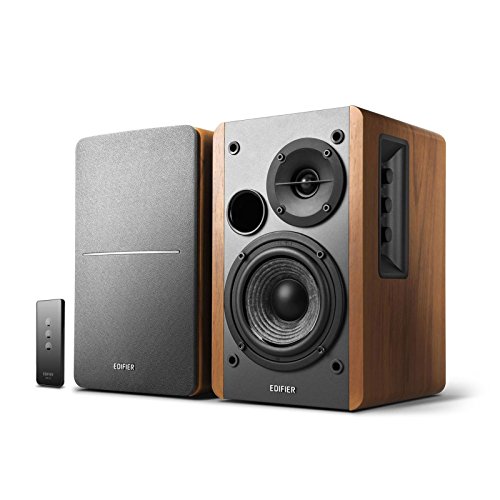
Learn how to choose the best affordable speakers for classical music with clear spec explanations, setup tips, and a simple checklist for your first home setup.
Classical music is the hardest test you can give a cheap speaker. A string quartet needs delicate detail, a full orchestra needs room to swell without turning harsh, and a solo piano exposes every flaw in the midrange. If this is your first speaker purchase, this guide explains the best affordable speakers for classical music in plain terms, so you know which specs protect that sound.
We will start with how speakers work, then translate the key specs into simple targets for orchestral and chamber music. You will also get the common rookie mistakes, a calm setup routine, and answers to the questions new listeners ask most. Use the comparison table below as your shortlist while you read.




Speakers 101: The Basics
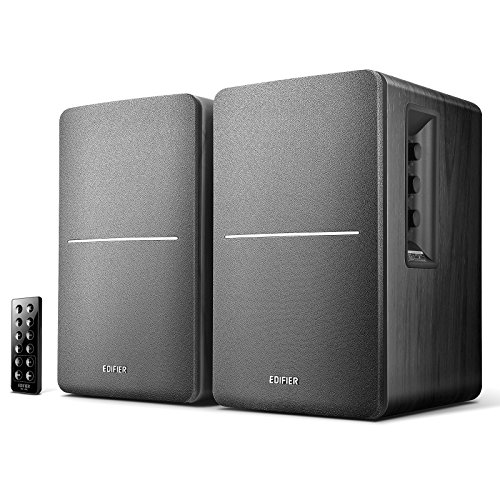
A speaker turns an electrical signal into moving air. Inside the box, drivers do that work: a tweeter handles high notes like violin harmonics and cymbals, a woofer handles low notes like cellos and bass drums, and many designs add a midrange driver or let the woofer cover the middle. The cabinet is not just a box, either. Its size and stiffness shape the bass and keep vibrations from coloring the sound.
Speakers come in two broad families. Passive speakers need a separate amplifier or receiver to power them. Powered speakers have the amplifier built in, and many add Bluetooth or WiFi streaming, which makes them the simpler first purchase. Neither family is automatically better. Powered models reduce clutter and guesswork, while passive models let you upgrade the amplifier later. For a first classical setup in one room, powered bookshelf speakers are usually the easiest path to good sound.
Key Specs Explained in Plain English
What You Can Realistically Get on a Budget
Around $100 to $250 buys a solid pair of powered bookshelf speakers or one good portable Bluetooth speaker. Expect clear mids, honest highs, and bass that reaches the cello range without the deepest organ notes. You will not get room filling volume for a huge space, furniture grade cabinets, or studio level flatness at this price. Do not trade away smooth, even tuning to gain loudness or booming bass, because classical recordings punish a harsh tweeter within minutes of listening.
Features That Matter for Classical Music
Classical music has a wide dynamic range, meaning the gap between the softest solo flute and the loudest full orchestra passage is huge. A good speaker keeps quiet passages clear instead of burying them in hiss, and it stays composed when the music swells. Look for a stated frequency response that stays fairly even, drivers of at least 4 to 5 inches for the woofer in a bookshelf pair, and enough amplifier power to handle peaks without distortion, around 25 to 50 watts per channel for a normal room. If you want the deeper comparison, our guide to the best speakers for classical music looks at the category without the strict budget cap.
Sound Quality and Tuning
Tuning describes the balance a maker chooses between bass, midrange, and treble. For classical listening you want a neutral balance, where no region shouts over the others. Boosted bass may flatter pop music, but it muddies double basses and blurs the texture of a string section. A gentle, clear treble helps violins sing without turning shrill. Frequency response figures give a hint: a range like 55 Hz to 20 kHz with a small variation window suggests even coverage, while a huge bass number with no variation stated tells you little.
Battery Life and Charging
Battery life only matters if you choose a portable speaker, but then it matters a lot, because a long symphony cycle or an afternoon of chamber music should not end in a low battery warning. Look for at least 10 to 12 hours of rated playtime, and remember that rated figures are measured at moderate volume, so loud listening shortens them. USB C charging is the convenient standard now, and a speaker that can play while it charges doubles as a small home speaker between trips outside.
Ecosystem and App Features
Many powered and wireless speakers include a companion app with EQ controls, firmware updates, and pairing tools. A simple EQ is genuinely useful for classical listeners: a small treble reduction can tame a bright room with hard floors, and a mild bass cut helps when speakers must sit close to a wall. Check whether the app lets you save settings and whether the speaker supports the streaming services you already use. Our guide to the best wifi speakers for classical music explains when WiFi streaming beats Bluetooth for home listening.
Placement and Room Size (for Speakers)
Placement is the free upgrade most beginners skip. Bookshelf speakers sound best on stands or a firm shelf at ear height when you sit, angled slightly toward your listening seat, and pulled at least a few inches from the wall behind them. A small room needs less power and smaller cabinets; a large open plan room needs bigger drivers or a stereo pair spread six to eight feet apart. If your listening is mostly at a desk, smaller nearfield style speakers aimed at your chair beat a big pair across the room.
Rookie Mistakes to Avoid
- Judging by wattage alone. Watt figures are easy to inflate. Driver quality and tuning shape classical sound far more than a big power number.
- Buying one Bluetooth speaker for serious stereo listening. A single small speaker plays in mono or narrow stereo, and orchestral music needs a real stereo image to place the instruments.
- Pushing speakers flat against a wall. Walls boom the bass and smear detail. Even a few inches of space cleans up the sound.
- Skipping the return window check. Speakers interact with your room, so buy from a seller whose returns let you listen at home for a few weeks.
- Ignoring input options. Confirm the speaker accepts your turntable, television, or computer output before you buy, not after it arrives.
Getting Started: Setup and First Use
Start by placing the speakers, then connect them, then listen before you tweak anything. Set them at ear height, form a rough triangle between the two speakers and your seat, and play a recording you know well, ideally a string quartet or a piano piece with a clean recording. Small placement changes, a few inches at a time, often fix problems that people try to solve with EQ.
Two habits protect your purchase. Keep firmware updated through the maker app, because updates fix pairing bugs and sometimes improve tuning. And store a portable speaker in a case to protect drivers from dents and dust when it travels. If your budget stretches across music styles, our guide to the best affordable speakers for music compares how general purpose models handle a mixed library.
FAQs
What features matter most in speakers for classical music?
Even tuning, low distortion at peaks, and a true stereo image matter most. Classical recordings rely on midrange clarity for strings and voices, and on headroom for sudden loud passages. A speaker that stays calm during a full orchestra crescendo will serve you better than one with deeper bass but a harsh top end. Placement in your room then decides how much of that potential you actually hear.
Do I need a special codec?
No special codec is required, but higher quality Bluetooth codecs reduce compression on detailed recordings. Support for AAC or aptX is a nice bonus when streaming from a phone, since quiet orchestral passages can reveal compression artifacts as a faint watery sound. A wired connection or WiFi streaming avoids the question entirely and is the safest choice for critical listening at home.
How long does the battery last?
On portable models, expect roughly 10 to 20 hours at moderate volume, with loud listening and heavy bass passages cutting that figure noticeably. Mains powered bookshelf speakers, the more common choice for classical listening at home, have no battery at all and simply run while plugged in. If you split time between home and garden, check whether the portable model keeps its charge well while stored between uses.
Is ANC worth the extra cost?
ANC, or active noise cancelation, applies to headphones, not to room speakers, so it should not factor into this purchase at all. For speakers, the equivalent comfort features are low hiss at idle and a remote or app volume control you can adjust from your seat. Spend the money instead on better drivers or a second speaker for true stereo, both of which you will hear on every record.
Wired or wireless: which sounds better?
A wired connection usually sounds slightly cleaner because it avoids Bluetooth compression, and it never drops or lags. Wireless wins on convenience and tidy rooms, and modern Bluetooth and WiFi sound close enough that most listeners cannot tell them apart on affordable gear. A practical middle path is a powered speaker with both: stream casually by day, and plug in a cable for focused evening listening.
What IP rating do I need for outdoor use?
An IP rating tells you how well a portable speaker resists dust and water. IPX4 handles splashes by a pool, IPX7 survives a short dunk, and a full rating like IP67 adds dust sealing for the beach or a worksite. Most classical listening happens indoors, where no rating is needed at all. Only pay for high ratings if the speaker will genuinely live outside or travel with you.
Our Verdict
For a first classical setup, choose even tuning over flashy bass, insist on real stereo, and place the speakers with care before spending another dollar. Those three decisions shape your sound more than any single spec. Compare your finalists in the product table above, and pick the best affordable speakers for classical music for your room size and listening habits. If bookshelf models appeal to you most, our guide to the best bookshelf speakers for classical music goes deeper on that format.