
Best Audiophile Speakers for Rock Music: Buying Guide for 2026
Disclosure: We may earn a commission when you buy through links on this page, at no extra cost to you. As an Amazon Associate I earn from qualifying purchases. Learn more

Use this buying guide to compare the best audiophile speakers for rock music by driver size, tuning, power handling, placement and price tier for your room.
Rock exposes weak speakers fast. A kick drum turns to mush, cymbals slice instead of shimmer, and a dense chorus collapses into one loud blur. The right speakers keep guitars gritty, drums punchy, and vocals out front where they belong.
This guide shows you how to pick the best audiophile speakers for rock music by looking at dynamics, driver control, and honest power rather than headline wattage. You will find tier guidance, tuning advice, and placement help below, and the comparison table below gathers the main options in one view.
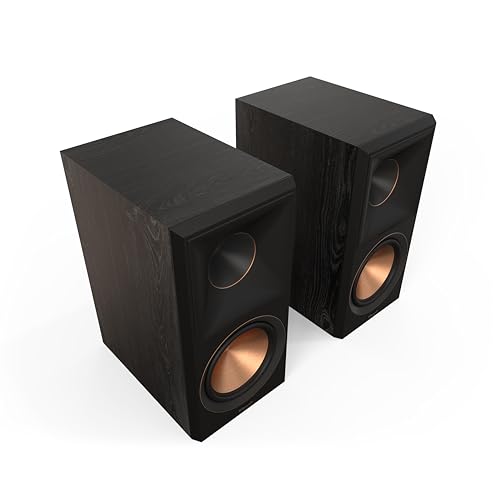

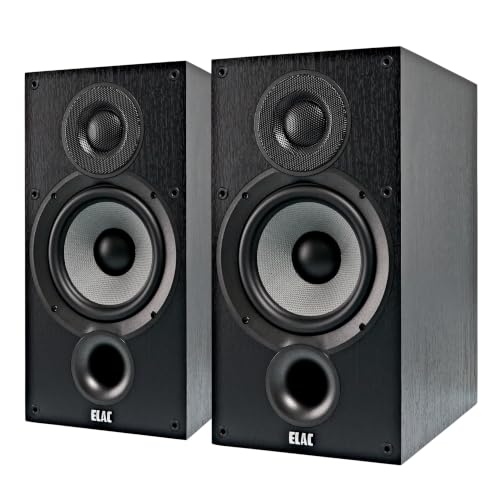


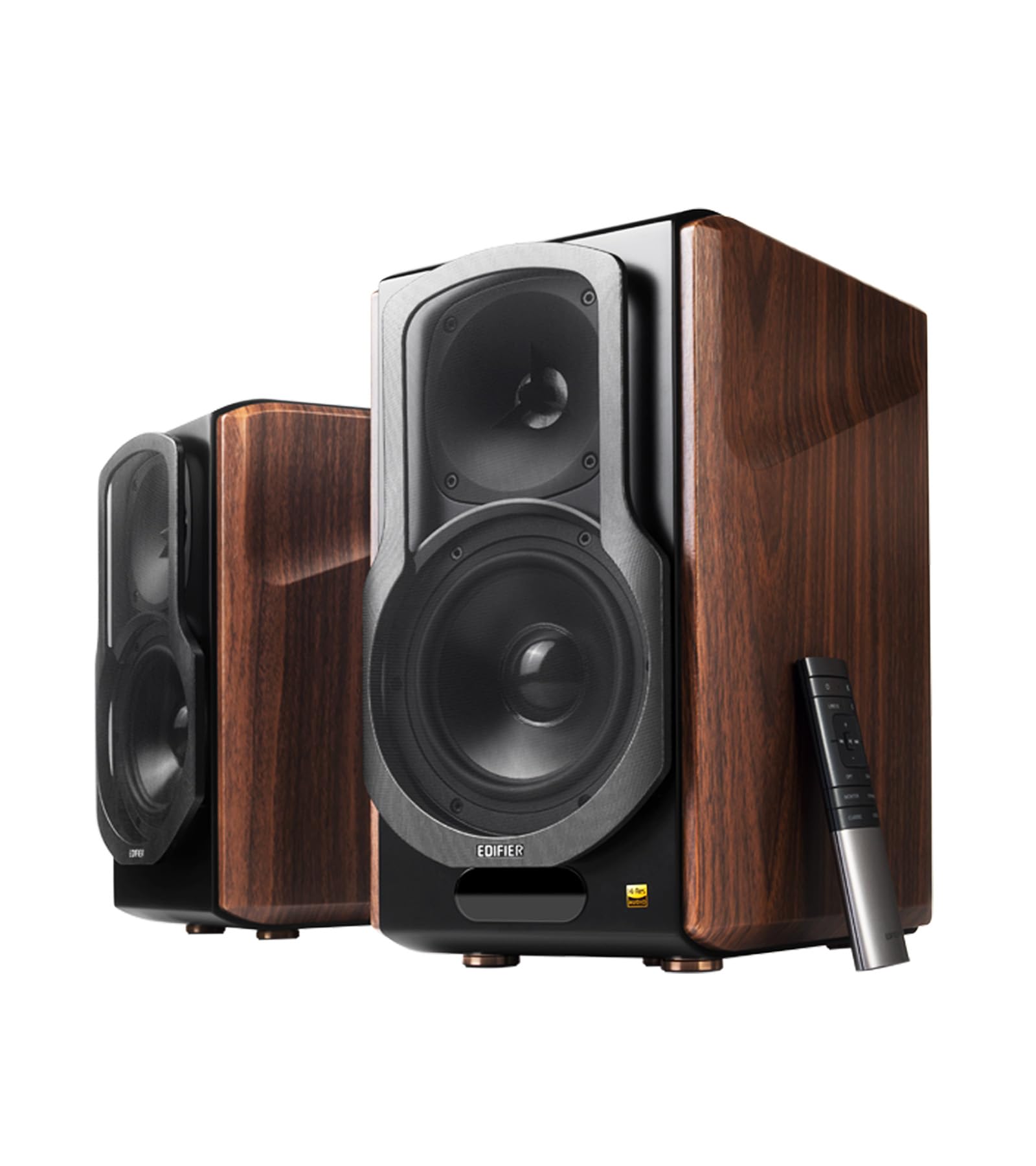


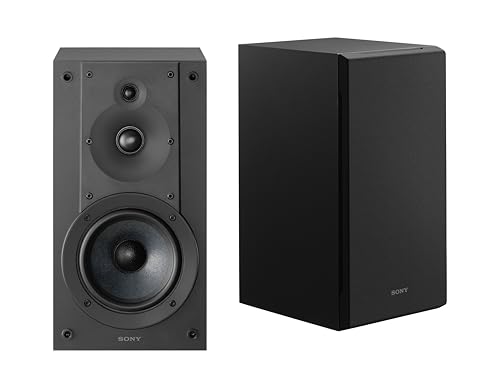
Price Tiers at a Glance
Rock rewards control more than size. The tiers below describe what each budget level generally delivers for loud, layered music, and where each one starts to run out of headroom.
Best Overall Profile
The balanced tier, usually around $300 to $800 for a pair, fits most living rooms and larger desks. Expect woofers of about 5 to 6.5 inches, stiff cones that start and stop quickly, and amplifiers or power handling that stay composed when a chorus lands. This tier keeps bass guitar and kick drum separate, holds vocals clear at real listening levels, and rarely needs a subwoofer in a midsize room. For most rock fans, this is where the spending can stop.
Best Value Profile
Value pairs, often around $120 to $300, suit bedrooms, offices, and first serious setups. Smaller 4 to 5 inch woofers limit deep bass and maximum volume, but a well tuned cabinet still delivers the snap of a snare and the edge of a distorted guitar. Look for solid cabinets, sensible sensitivity ratings, and tone controls you can tame. Add a small subwoofer later if the low end feels light, rather than forcing small drivers to play louder than they should.
Best Premium Profile
Premium pairs, often about $800 to $2,500, buy dynamic ease. Larger drivers, heavier cabinets, and stronger amplification mean a drum hit lands without strain and quiet passages stay detailed before the next loud section arrives. Treble turns smoother, so long sessions with bright recordings stay enjoyable. Choose this tier if you listen loud in a bigger room, own demanding recordings, and want speakers that will serve through several amplifier or source upgrades.
How to Choose the Best Audiophile Speakers for Rock Music
Features That Matter for Rock Music
Rock music swings from a whisper to a wall of sound in seconds, so dynamic range and power handling lead the checklist. Sensitivity tells you how loud a speaker plays with a given amplifier, and higher figures suit modest amps. Look for honest continuous power ratings, drivers with strong magnets and controlled cone movement, and cabinets that do not resonate when you tap them. A speaker that stays calm at volume will always sound bigger than its size suggests.
Sound Quality and Tuning
Aim for energy without exaggeration. Rock needs punchy upper bass for kick and bass guitar, a present midrange for guitars and voices, and treble that gives cymbals air without turning harsh. Frequency response figures around 45 Hz to 20 kHz from a floorstanding model, or about 55 Hz and up from a bookshelf pair, are realistic. Avoid models that hype the bass and treble into a smile shape, because dense mixes turn muddy and fatiguing quickly.
Comfort, Fit, and Weight
For speakers, comfort means listening for two hours without fatigue, and fit means the pair suits your room and stands. Bright, forward tuning may excite for one track and exhaust by the fifth, so favor smooth treble. Weight is a practical clue too, since heavier cabinets usually resist vibration better. Check stand height so tweeters reach ear level when seated, and confirm you can lift and position the pair safely during setup.
Ecosystem and App Features
Powered models may add an app with EQ, input switching, and firmware updates, while passive pairs rely on your amplifier or receiver for control. App EQ is genuinely useful for rock, because a small bass trim can clean up a boomy corner placement and a gentle treble shelf can calm bright recordings. Confirm the speaker works fully from its own controls if the app is discontinued. Streaming support such as Bluetooth 5.3 with multipoint pairing adds daily convenience for quick phone sessions.
Placement and Room Size (for Speakers)
Give rock speakers room to breathe. Pulling a pair even 12 to 24 inches from the wall behind them tightens bass and opens the soundstage. Angle them toward the listening seat, keep the distance between the pair close to the distance from each speaker to your chair, and avoid corners that exaggerate low frequencies. In small rooms, a bookshelf pair on stands usually beats a tower squeezed against furniture. Readers weighing formats can compare our guide to the best bookshelf speakers for rock music before deciding.
Types of Audiophile Speakers
Wireless and Bluetooth Models
Wireless models trade a little ultimate fidelity for freedom. They suit casual listening, kitchens, and quick sessions from a phone, and modern codecs keep rock sounding lively and clear. Latency and compression are the costs, and battery powered portables rarely match the dynamic punch of a wired pair at the same price. Use wireless as a second system or a convenience option, and keep a wired pair as the main rig if dynamics matter most.
Home and Bookshelf Models
Bookshelf and floorstanding home models are the natural home for rock. Bookshelf pairs image beautifully and fit smaller rooms, especially with a subwoofer filling the lowest octave. Floorstanding models add bass reach and volume headroom with no extra boxes. If you are still deciding between general and genre tuned options, our guide to the best speakers for rock music lays out the wider field.
Setup and Care Tips
- Level the stands and spike or pad them. A stable base keeps cabinets from rocking with heavy bass notes and protects imaging.
- Run a familiar track while you adjust toe in. Small angle changes shift vocal focus and cymbal brightness more than most cable swaps ever will.
- Keep firmware updated on powered models. Updates can improve Bluetooth stability and EQ behavior, and they take only a few minutes.
- Protect the drivers. Leave grilles on in homes with kids or pets, and dust cones with a soft brush rather than a vacuum hose.
- Avoid max volume for long sessions. Clipping amplifiers damage tweeters, and your hearing deserves the same respect as the hardware.
- Recheck connections twice a year. Tight, clean contacts prevent the crackle that often gets blamed on the speakers themselves.
FAQs
What features matter most in audiophile speakers for rock music?
Dynamic headroom, controlled bass, and clear midrange matter most. Rock mixes layer distorted guitars over drums, so a speaker must separate instruments at volume without hardening. Check sensitivity and honest power handling, favor stiff well braced cabinets, and be wary of exaggerated bass boosts. A subwoofer output or a clear upgrade path also helps, since many listeners add low end support once they hear what clean bass adds.
Do I need a special codec?
Only Bluetooth listening involves codecs, and no special one is required. AAC works well from Apple devices, while aptX and LDAC can carry more data from many Android phones and computers. Wired connections skip compression entirely and remain the reference for serious sessions. If you stream from a phone daily, codec support is a nice bonus, but driver quality and placement will shape your rock sound far more.
Do I need a subwoofer for rock?
Usually not for a midsize room. Floor standing models reach low enough for bass guitar and kick drum, and a bookshelf pair can add a small subwoofer later if the low end feels light.
Wired or wireless: which sounds better?
Wired sounds better, especially for demanding rock recordings. A direct connection delivers full dynamics with no compression and no delay, while Bluetooth trims data to fit its link. The gap narrows for casual listening, and many wireless models sound genuinely enjoyable. Still, when a favorite album deserves your full attention, the wired path gives the drums their full impact and keeps busy choruses untangled.
Our Verdict
Choose control over spectacle: honest power handling, a present midrange, and placement that lets the pair breathe. Match the tier to your room size and listening level, and compare finalists in the product table above. Picked with those priorities, the best audiophile speakers for rock music will keep every drum hit and guitar layer in its place. Fans of classic gear may also enjoy our guide to the best vintage speakers for rock music.


