
Best Bookshelf Speakers for Bass: Types Compared and How to Choose
Disclosure: We may earn a commission when you buy through links on this page, at no extra cost to you. As an Amazon Associate I earn from qualifying purchases. Learn more

Compare bookshelf speaker types for bass, and learn how driver size, port design, and room placement affect low end sound for everyday use today.
The best bookshelf speakers for bass are not simply the biggest ones. Low-end output depends on woofer size, cabinet design and port placement, and above all on where you put the pair in the room. A well chosen pair gives music weight and warmth without muddying voices or overwhelming a small room. This guide explains how to judge bass from a compact speaker so you can pick a pair that suits your space.
The product table lists a range of options, and the sections below explain the choices that change how much bass you actually hear.


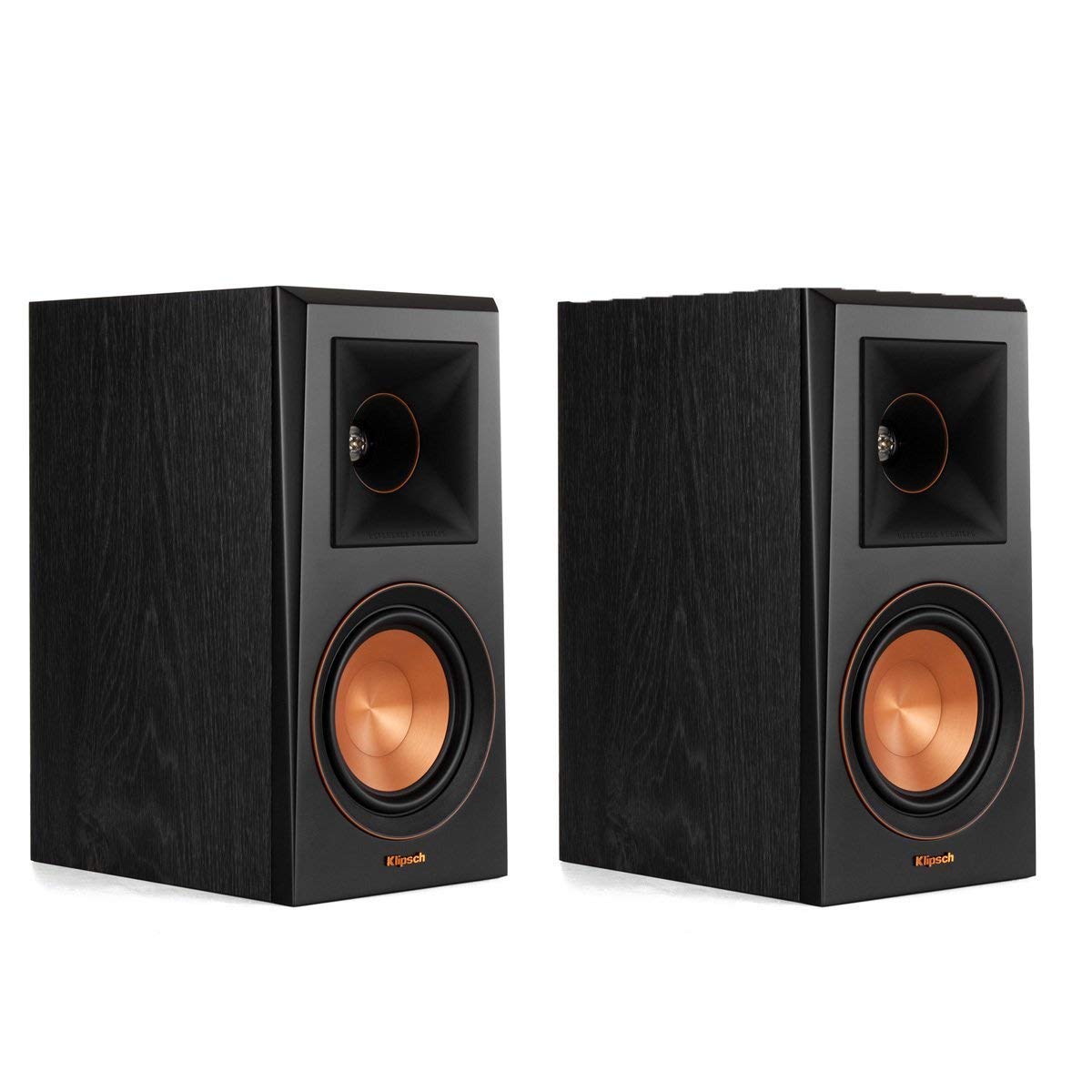

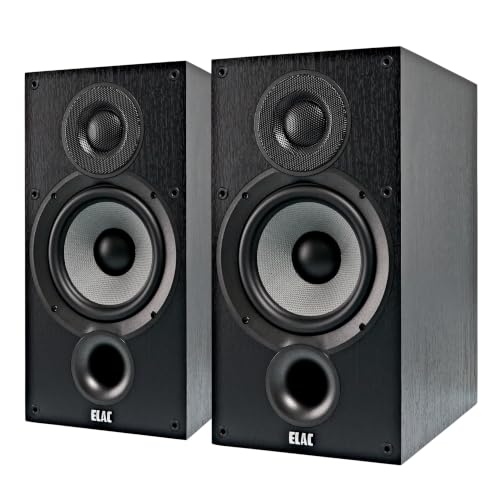


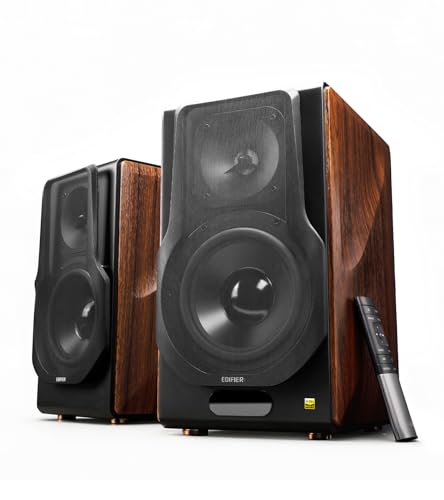
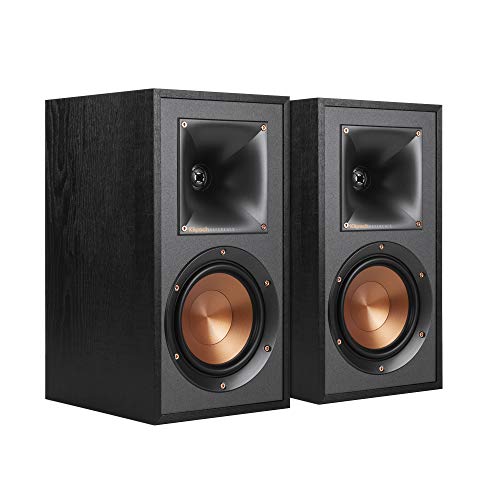

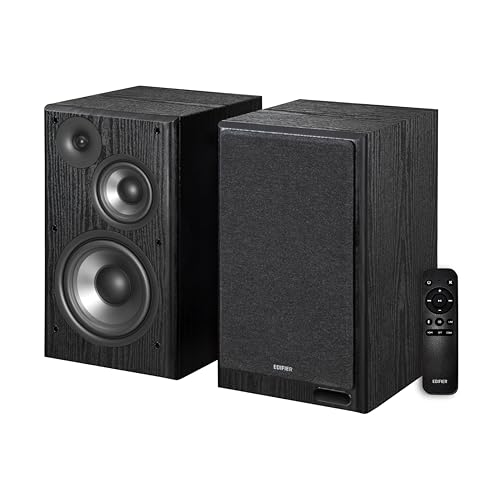

Who Needs Bass-Forward Bookshelf Speakers
Music Listeners
Rock, hip hop and electronic music lean on kick drums and bass lines. A pair with 5 to 6.5 inch woofers and a tuned port gives these styles the weight they need without a separate subwoofer.
Movie and TV Watchers
Films have deep effects that small speakers struggle with. A larger woofer helps, and a model with a subwoofer output lets you add a sub later without replacing the pair.
Small Room and Desk Listeners
In a small room, too much bass becomes boom. Choose a sealed or front-ported design that can sit near a wall, and prioritize tight, controlled bass over sheer depth.
Types of Bookshelf Speakers for Bass Compared
Passive Bookshelf Speakers
Passive pairs need a separate amplifier. They let you match the amplifier to the drivers and upgrade later, and a good amplifier with enough clean power keeps bass tight. They suit listeners who already own an amplifier or receiver.
Powered Bookshelf Speakers
Powered pairs have the amplifier built in, so the power is matched to the drivers and setup is simple. Many add a subwoofer output, which is useful if you want more low end later.
Front-Ported Speakers
The port sits on the front baffle, so the speaker can sit closer to a wall without the bass turning boomy. This suits shelves and small rooms.
Rear-Ported Speakers
The port sits on the back, and these speakers usually need several inches to a foot or more of space behind them to keep bass clean. They can reach lower in a room with space to spare.
Key Features to Compare
- Woofer and cabinet size: Larger drivers and cabinets move more air, but design quality matters as much as size. A well braced cabinet keeps bass tight.
- Port design: Port placement and tuning affect boom, tightness and how close to the wall the speaker can sit.
- Amplifier match: Passive models need enough clean power. A weak amplifier pushed into distortion makes bass sloppy.
- Frequency response: Look for a stated low-frequency figure with a tolerance, such as 50 Hz at plus or minus 3 dB. A bare range tells you little.
- Balance with vocals: Good bass supports the music. It should not mask singers and instruments.
Placement Tips for Better Bass
Placement changes bass more than most upgrades. Pulling the speakers a little way from the wall usually tightens the low end, while pushing them into a corner boosts bass and can make it boomy. Keep both speakers the same distance from your seat, and try small moves of a few inches while playing a familiar track. If bass is still too heavy, soft furnishings such as a rug or curtains help absorb the excess.
Common Mistakes to Avoid
- Buying on size alone. A larger cabinet in a small room can sound boomy, and a well designed smaller speaker can sound tighter.
- Ignoring the amplifier. Passive speakers need a capable amplifier to deliver clean bass.
- Judging bass before placement. Move the speakers before you decide the bass is wrong.
- Expecting a sub-like rumble. Compact speakers rarely reach the deepest notes. A subwoofer fills that gap if you need it.
Frequently Asked Questions
Do bookshelf speakers need a subwoofer for bass?
Not always. Many bookshelf models give satisfying bass for music, but a subwoofer adds depth for movies and very low notes.
Why does bass sound boomy in my room?
Corner placement and bare walls boost low frequencies. Moving the speakers away from walls and adding soft furnishings often helps.
Are bigger bookshelf speakers always better for bass?
Larger models often reach lower, but a well designed smaller speaker can sound tighter and more balanced.
Do powered speakers give better bass?
Powered models match the amplifier to the drivers by design, which can help. Passive models allow amplifier upgrades later.
How far from the wall should bookshelf speakers sit?
Rear-ported models usually need more space behind them, while front-ported models tolerate closer wall placement.
Final Thoughts
Choose by room size, port type and amplifier first, then fine-tune the placement. Compare the options in the product table, and the best bookshelf speakers for bass for your room will be the pair that gives weight without boom. For a broader look, see our guide to the best bookshelf speakers.


