
Best Bookshelf Speakers for Rock Music in 2026: Which Type Is Right for You?
Disclosure: We may earn a commission when you buy through links on this page, at no extra cost to you. As an Amazon Associate I earn from qualifying purchases. Learn more

Best bookshelf speakers for rock music compared by type, with strengths, limits, and prices for punchy bass and clear guitars.
Rock exposes weak speakers fast. Electric guitars crowd the midrange, drums demand punch and speed, and cymbals punish a harsh tweeter within one song. Shoppers searching for the best bookshelf speakers for rock music meet wired pairs, powered home models, wireless designs, and gaming speakers, all promising energy and power. This guide compares each type side by side, with honest strengths, limits, and typical prices, so you can pick the style that fits your room and your records. Begin with the comparison table below, then use the type notes to narrow the field.
Your decision turns on three things: where the speakers will live, how you will feed them music, and how loud your typical session gets. Each type below trades those factors differently.

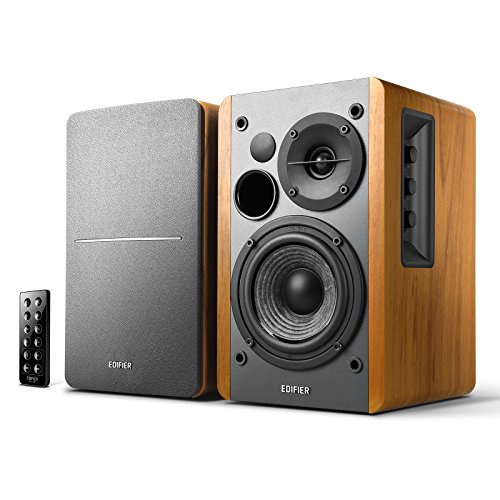
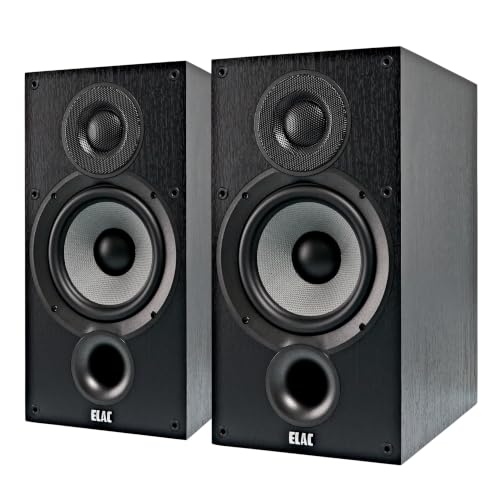
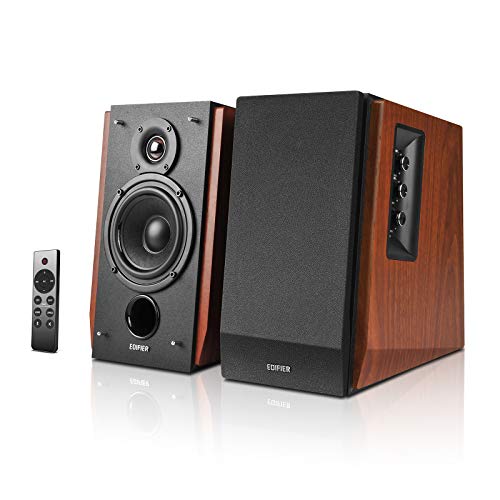

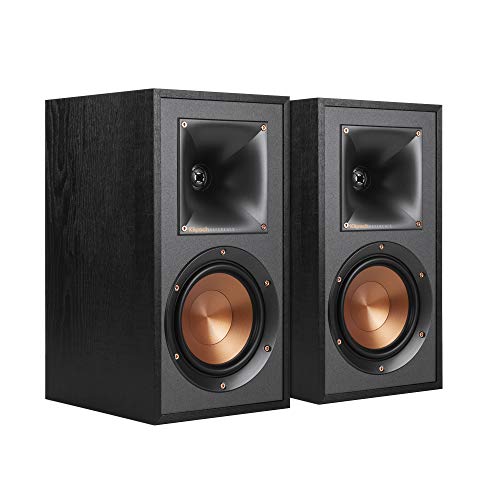

Types of Bookshelf Speakers Compared
Prices overlap more than marketing suggests. Wired passive pairs run around $150 to $600 before you add an amplifier. Powered home models run around $200 to $700 complete. Wireless focused models add streaming features at around $250 to $800. Gaming speakers sit around $100 to $400 and target desks. The sections below explain what each type really gives a rock listener, and what it quietly takes away.
Wired Models
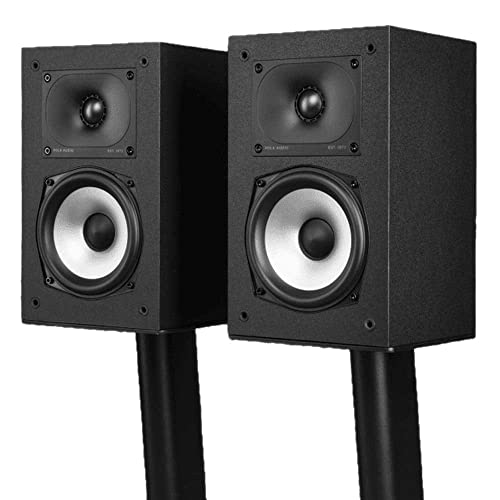
Wired models are passive speakers driven by an amplifier or receiver you own or buy separately. They offer the purest path for rock: full dynamics, no wireless compression, and the freedom to choose an amp with the current and control that demanding guitar passages need. Stereo imaging is excellent when you place the pair well, and upgrades are easy because you can change the amp or the speakers one at a time. The downsides are cost, cables, and shelf space for extra gear. Choose wired if sound quality leads your list and your setup stays in one room.
Home/Bookshelf Models
Home models is the broad label for speakers designed for a shelf, stand, or media console in a living space, and most modern examples are powered pairs with the amplifier built in. They balance convenience and quality well for rock, with inputs for a television, a computer, and a phone in one tidy system. Bass is honest for the size, though the smallest models lean on a subwoofer for real kick drum weight. Choose this type if you want one simple system that handles music, films, and everyday listening without a rack of equipment.
Wireless/Bluetooth Models
Wireless models lead with streaming, taking music from your phone over Bluetooth or from your home network over WiFi. They suit rock fans whose library lives in apps, and better examples sound genuinely strong, with app based equalizers that let you add punch or tame a bright recording. Watch two limits: Bluetooth can soften fine cymbal detail, and some wireless speakers are single units that collapse stereo into mono, which flattens layered guitars. Choose a wireless pair, not a single box, if stereo width matters to you, and check that a wired input exists as a backup.
Gaming Models
Gaming speakers are compact powered speakers built for desks, often with lighting effects, headphone jacks, and tuning that favors dialogue and explosive effects. Some serve rock surprisingly well at a desk, because near field listening needs only modest power and their midrange clarity carries vocals and guitars. Their limits show in bass depth and in tuning that can push treble for effect detail, which tires ears during long album sessions. Choose gaming models only if the speakers will truly live at a gaming desk, and let music focused designs handle your main room.
Wired Models vs Home/Bookshelf Models: Which Should You Choose?
Compare the two leading options on five points. For pure sound ceiling, wired passive pairs win, because you control amplifier quality and power. For simplicity, powered home models win, since one purchase covers speakers and amplification with a remote included. For total cost, home models usually win at budgets under $500, while wired systems pull ahead in value when you already own a decent amp. For flexibility, wired wins, with easy part swaps and subwoofer integration through a receiver. For most first systems, choose the powered home model. Choose wired when you already own amplification or plan to build a system piece by piece, a path also explored in our guide to the best speakers for rock music.
How to Choose the Right Bookshelf Speaker
Sound Quality and Tuning
Rock wants a tuning with energy and control at the same time. Look for strong mid bass punch so kick drums and bass guitar lock together, clear midrange so rhythm and lead guitars stay separate, and treble that is lively without turning glassy on cymbals. A frequency response reaching around 50 to 60 Hz gives most rock real foundation in a small room. Avoid heavy bass boost modes for serious listening, because added boom slows the sound and buries the guitar detail you bought the speakers to hear.
Features That Matter for Rock Music
Rock places clear demands on hardware. Dynamic passages swing from quiet verses to full choruses, so favor speakers and amplifiers with honest headroom that stay clean as volume jumps. A subwoofer output earns its place on powered models, letting a sub handle the lowest notes while the speakers stay quick. Tone controls or an equalizer help with the wide quality range of rock recordings, from polished modern albums to raw live tapes. If your tastes also reach into acoustic and orchestral work, our guide to the best bookshelf speakers for classical music explains the different tuning those genres prefer.
How to Make Your Bookshelf Speaker Last Longer
Keep firmware updated on powered and wireless models, since updates fix streaming faults and control bugs that appear over time. Protect the drivers by leaving grilles fitted in busy rooms, and keep cabinets clean with a dry or barely damp cloth, never sprays applied directly to the cones. Store portable companions in a case to protect their drivers, and give wired connections a gentle check each season for loose ends. Avoid driving any speaker into audible distortion for long stretches, because straining a small woofer at party volume is the fastest route to permanent damage.
FAQs
What features matter most in bookshelf speakers for rock music?
Headroom, punchy mid bass, and clear midrange matter most. Rock mixes are busy, so a speaker that stays clean during loud choruses keeps guitars, vocals, and drums distinct instead of collapsing into noise. A subwoofer output and simple tone control add useful range for different recordings. Cabinet solidity counts as well, because a cabinet that flexes on bass notes adds a muddy color that slows down fast riffs and kick patterns.
Wired or wireless: which sounds better?
Wired sounds better at the top end, because the signal reaches the speaker complete, with no compression and no delay. Wireless sounds close behind on good modern systems and wins easily on convenience for phone based listening. Many rock fans land on a powered pair that offers both paths, streaming playlists casually and wiring a computer or turntable setup for full albums. Our guide to the best bookshelf speakers for music compares input options across listening styles.
The Bottom Line
Pick the type that matches your room first, then insist on clean headroom, punchy controlled bass, and midrange clarity for guitars and voices. The product table above lets you compare types, inputs, and prices in one view before you commit. Chosen with care, the best bookshelf speakers for rock music will make old favorites feel alive again. If you love the warm sound of older gear, our guide to the best vintage speakers for rock music covers that classic route as well.


