Best Bookshelf Speakers for Movies: Everything to Know Before Your First Purchase in 2026
Disclosure: We may earn a commission when you buy through links on this page, at no extra cost to you. As an Amazon Associate I earn from qualifying purchases. Learn more
Shopping for the best bookshelf speakers for movies? Learn the key terms, compare sound and connection options, and avoid rookie mistakes with this guide.
If your television speakers leave dialogue muffled and action scenes flat, you are not alone, and you do not need a huge system to fix it. A good pair of bookshelf speakers is the classic first upgrade. This guide explains the basics in plain language, translates the specs that matter for films, and shows you how the best bookshelf speakers for movies turn quiet conversations and big explosions into something you can actually feel and follow.
We will keep it simple and in order: what these speakers are, which specs affect movie sound, the mistakes first time buyers make, and the setup steps for your first evening. The comparison table below gives you the lay of the land while you read.


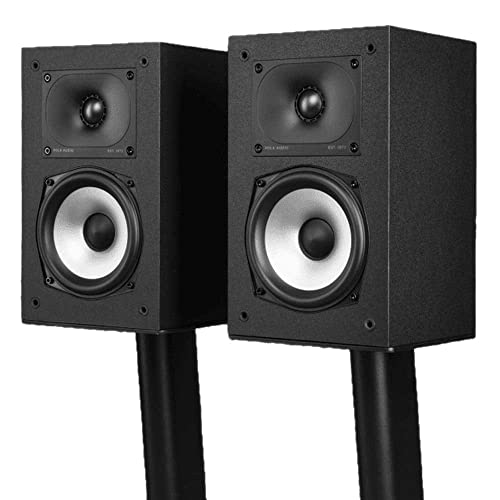
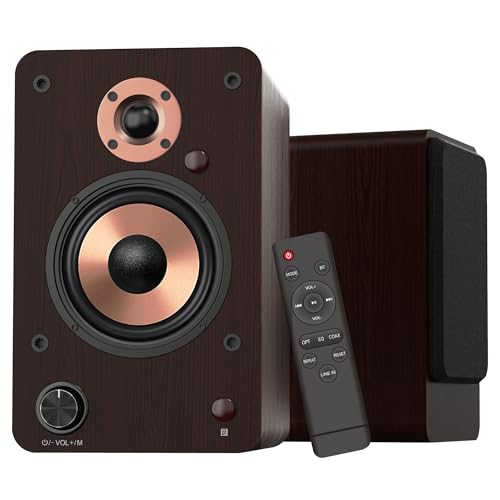


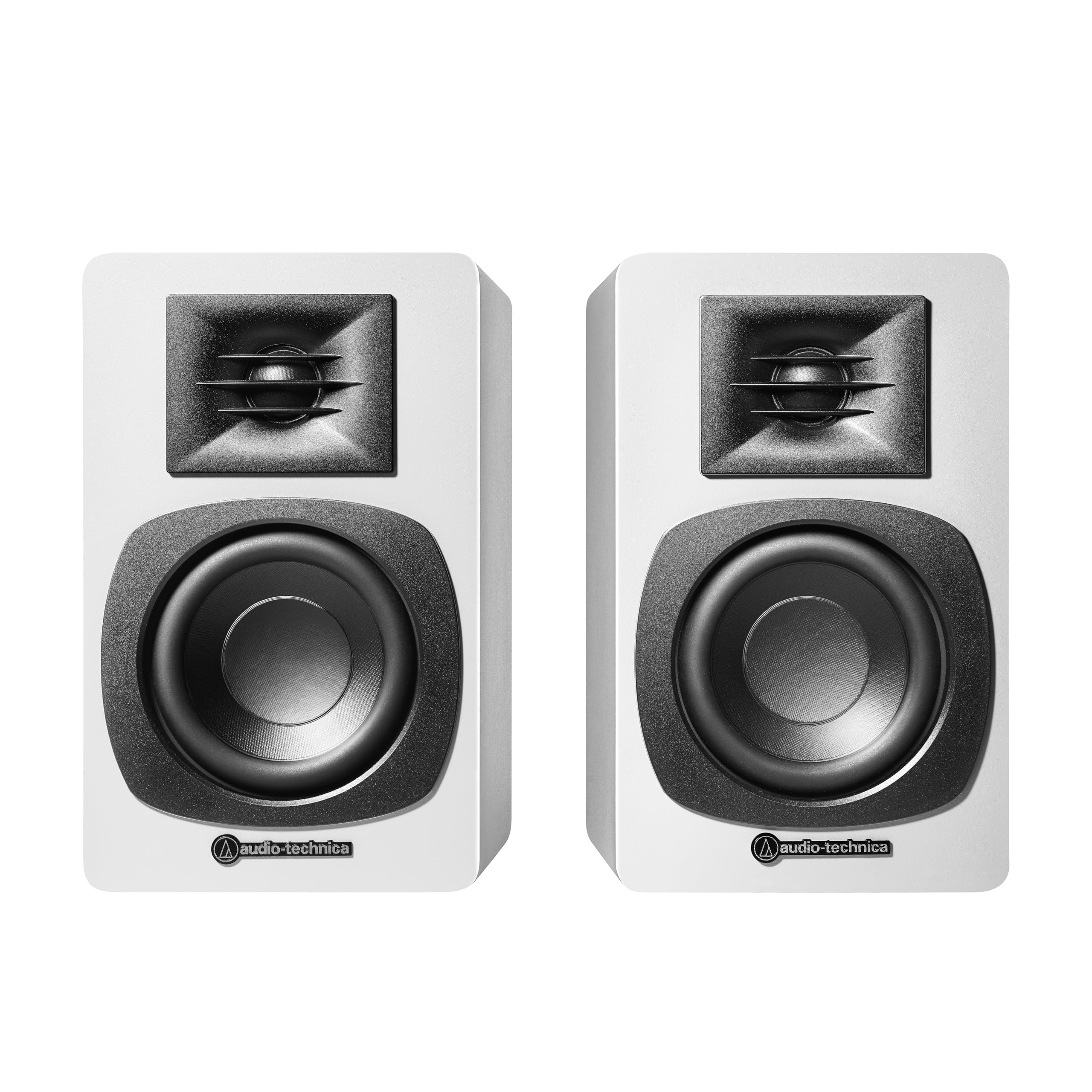
Bookshelf Speakers 101: The Basics
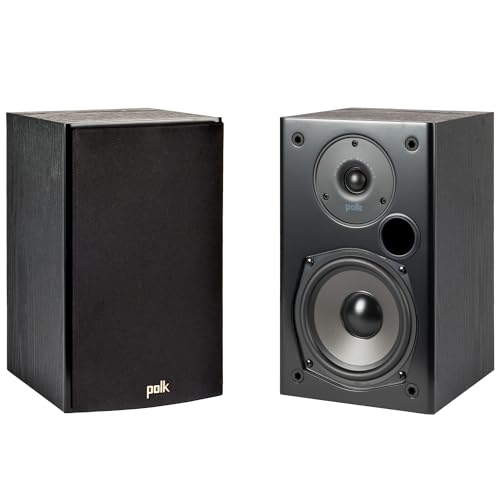
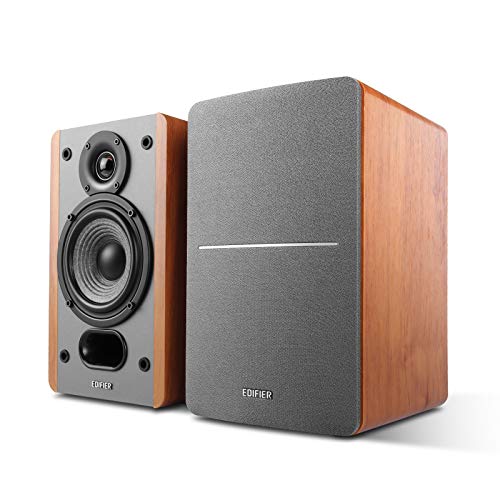
A bookshelf speaker is a compact speaker built for a shelf, a media console, or a stand on either side of your screen. Most use two drivers: a woofer for bass and midrange, which carries voices and most effects, and a tweeter for high details such as rain, glass, and whispered lines. In a simple movie setup, a pair of them plays the left and right channels, which is a large step up from any built in television speaker.
You will choose between powered and passive models. Powered speakers contain their own amplifier, so you connect the television directly and you are done, which suits first time buyers well. Passive speakers need an AV receiver or stereo amplifier, but that route lets you add a center channel or surround speakers later. Neither choice is wrong. Pick powered for simplicity now, or passive if you already dream of a growing home theater, a topic our general guide to the best bookshelf speakers covers from the speaker side.
Key Specs Explained in Plain English
Features That Matter for Movies
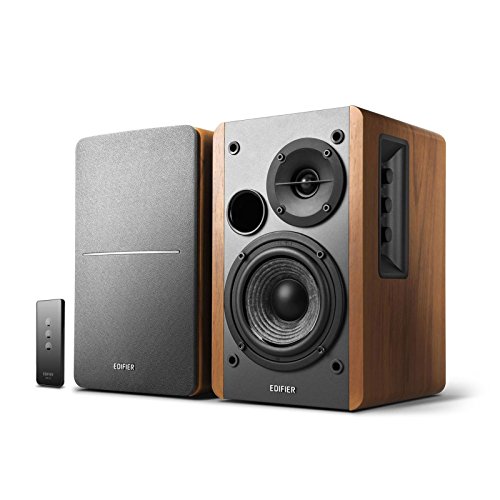
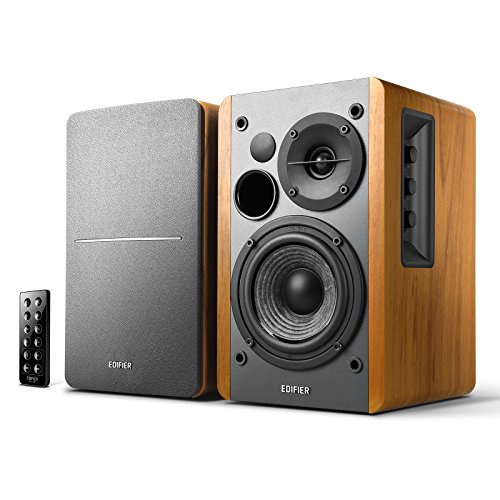
Movies place unusual demands on small speakers. Dialogue sits in the midrange, so clarity there matters more than deep bass for following a story. Dynamic range is the other key term: films swing from whispers to crashes within seconds, and your speakers plus amplifier need enough clean power to play the loud parts without distortion. Look for an optical or HDMI ARC input for a simple television connection, a remote control for couch friendly volume changes, and a subwoofer output so you can add low end punch later. A dialogue or night mode that lifts voices is a genuine bonus for apartment living.
Sound Quality and Tuning
Tuning is the balance between bass, midrange, and treble that a maker builds in. For films, a slightly warm and smooth tuning keeps long viewing comfortable, while clear and present midrange keeps speech intelligible at modest volume. Frequency response figures tell you how low the speaker plays; a rating near 50 to 60 Hz covers most effects respectably, with a subwoofer handling the deepest rumble. Avoid speakers tuned with a sharp treble lift, because sibilant voices and metallic effects grow tiring across a two hour film. Our guide to the best speakers for movies explains how larger systems handle these same demands.
Comfort, Fit, and Weight
Comfort for movie speakers is mostly about fit in your room and ease across a long film. Measure your console or shelf before buying, and leave a few inches behind rear ported cabinets so bass stays controlled. Weight hints at cabinet solidity, and a heavier, well braced cabinet usually rattles less during loud scenes, but confirm your furniture can hold the pair plus any stands. Long session comfort also means a remote in your hand, a volume display you can read from the couch, and treble smooth enough that your ears never feel tired before the credits.
Matching Speakers to Your Television Setup
Before you buy, look at the back of your television and note which audio outputs it has. Optical and HDMI ARC are the two connections that keep sound in sync with the picture, and many sets offer only one of them. If your set has just a headphone jack, a powered pair with an analog input still works, though you may need a small adapter cable and manual volume changes.
Also think about the viewing distance. In a typical living room with a sofa about eight to ten feet from the screen, speakers placed on either side of the television give a clear sound field. If you sit much closer, in a bedroom or at a desk, a smaller pair with a gentler tuning keeps dialogue clear without filling the room with bass. Match the pair to how you watch, and the setup will feel natural from the first film.
Rookie Mistakes to Avoid
- Placing speakers inside a closed cabinet. Enclosed shelves trap sound and boom, so keep the pair in open air with the front edge near the front of the shelf.
- Pointing speakers straight ahead by default. A slight angle toward your seat sharpens dialogue and stereo effects for the main viewing spot.
- Forgetting the television output settings. Many televisions need their audio output switched to the external connection before any sound arrives, which causes most first day panic.
- Buying without a subwoofer output. Even if you skip a subwoofer today, the output keeps the upgrade open when you want deeper effects.
- Judging volume by wattage claims alone. Wattage numbers are measured inconsistently, so sensitivity and real room size predict loudness better.
Getting Started: Setup and First Use
Place the speakers at ear height when seated, one on each side of the screen, roughly as far apart as you sit from them. Connect the television with an optical cable or HDMI ARC, then set the television audio output to that connection and turn off its internal speakers. Start a familiar film at low volume and confirm that voices come from the center of the screen image, adjusting the angle of each speaker until they do. If your powered model offers firmware updates through an app, install them once during setup to fix early bugs. Keep the remote by the couch, and after a few films, fine tune the bass control if walls or corners make effects sound heavy. Buyers who prefer the amplifier built in from the start can compare approaches in our guide to the best powered bookshelf speakers.
Frequently Asked Questions
What features matter most in bookshelf speakers for movies?
Clear midrange for dialogue, an easy television connection such as optical or HDMI ARC, and a remote control matter most. After those, look for enough power to play action scenes cleanly and a subwoofer output for later growth. A night or dialogue mode helps in apartments. Deep bass specifications matter less at first, because a subwoofer can join later, while muddy dialogue cannot be fixed by any later addition.
Wired or wireless: which sounds better?
For movies, wired sounds better and stays in sync. An optical or HDMI ARC cable carries the television signal with no delay, so lips and voices match perfectly. Bluetooth can add a small lag that makes dialogue feel detached from the picture, and some televisions handle this worse than others. Use wireless for music from your phone if the speakers offer it, but keep the television on a cable. That single habit prevents the most common movie setup complaint.
Final Thoughts
For your first movie setup, hold on to three priorities: dialogue clarity, a simple and reliable television connection, and placement at ear height with room to breathe. Compare your shortlist in the product table above against those points, and the right choice usually becomes obvious. Picked well, the best bookshelf speakers for movies make every scene easier to follow and far more fun. If budget is the main limit, our guide to the best bargain bookshelf speakers and the overview of the best amplified bookshelf speakers can narrow the field further.