
Best Bookshelf Speakers under 150: Types Compared and How to Choose for 2026
Disclosure: We may earn a commission when you buy through links on this page, at no extra cost to you. As an Amazon Associate I earn from qualifying purchases. Learn more
Best bookshelf speakers under 150 compared by type, with pros, limits, and what to expect from bass and volume at this price.
Shopping for speakers at this price can feel confusing because the same shelf space holds powered pairs, passive pairs, and compact gaming sets that all promise big sound. This guide sorts the best bookshelf speakers under 150 dollars into clear types so you can match a style to your room, your source, and your budget.
We compare what each type does well, where each type falls short, and what you give up at this price. Use the comparison table below to see the shortlist side by side, then read on for the placement and tuning details that decide how a pair actually sounds at home.
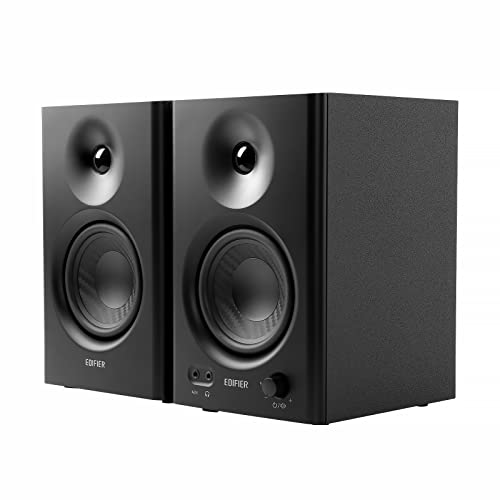


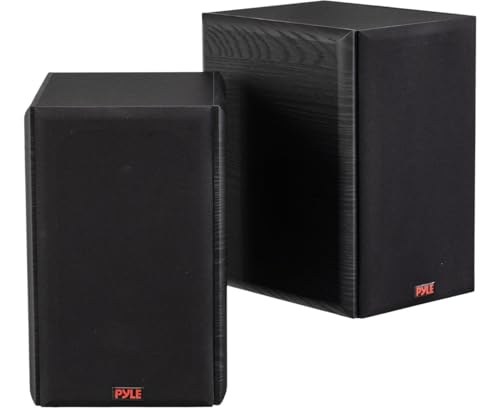

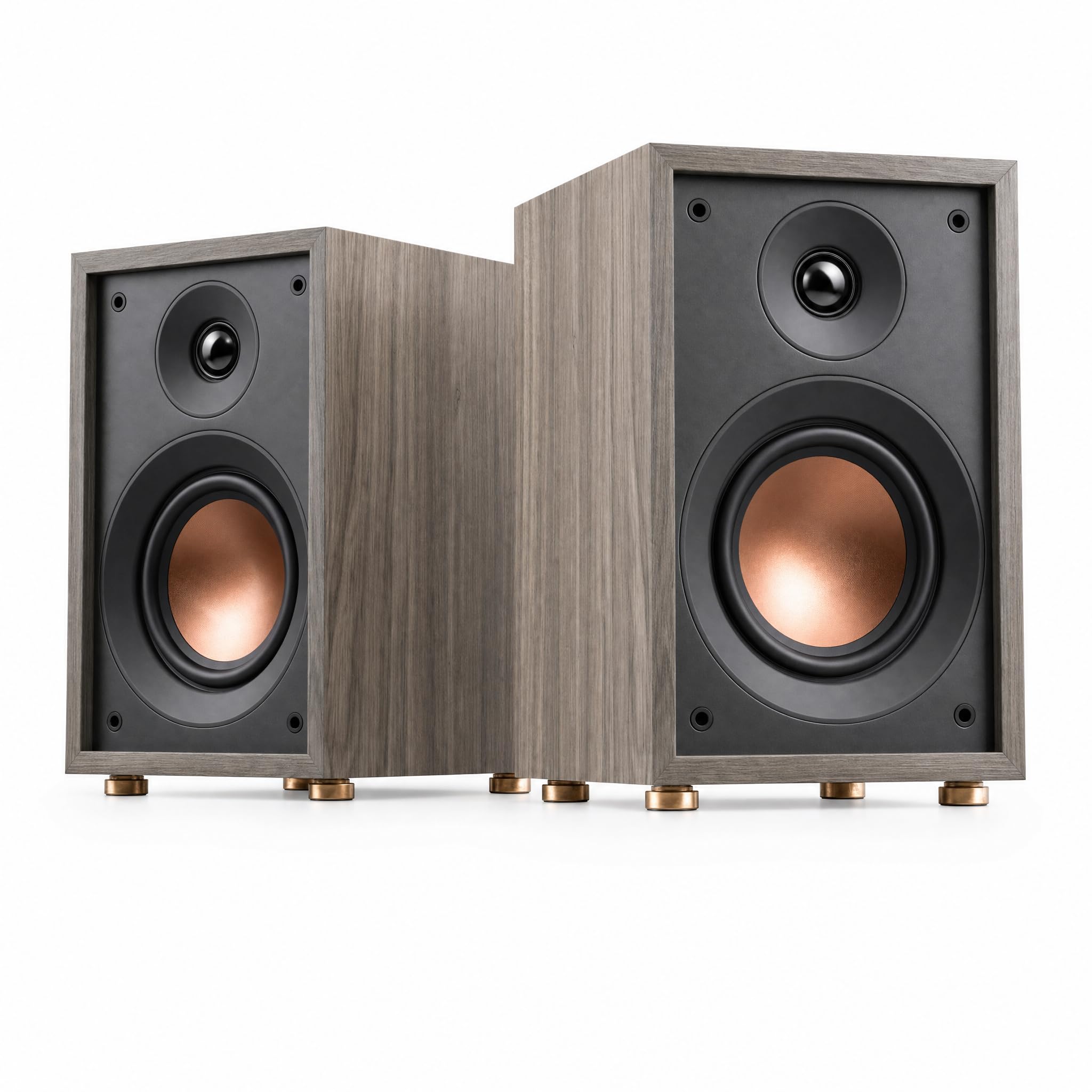
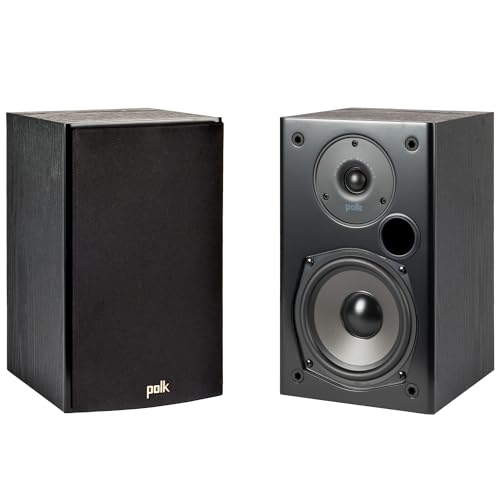
Types of Bookshelf Speakers Compared
Bookshelf speakers at this level fall into three broad families. Powered models carry their own amplifier inside one cabinet. Passive models need a separate amplifier or receiver. Compact gaming and desktop models trade deep bass for small size and easy connections near a screen.
None of these families is best for everyone. A powered pair suits a simple desk or TV setup with few cables. A passive pair suits a listener who already owns an amplifier and wants an upgrade path later. A compact set suits a small room where shelf depth is tight.
Home and Bookshelf Models
Home models are the classic choice for music and TV in a living room or bedroom. Most are passive pairs with a woofer around 4 to 5 inches and a separate tweeter for clear voices. They spread sound wide, fill a medium room at moderate volume, and pair well with a small amplifier you may already own.
The trade off is the extra gear. You need speaker wire, an amplifier with enough power, and shelf space for both boxes. If you stream from a phone, you also need a source with Bluetooth or a cable input, because the speakers alone do not connect to anything.
Gaming Models
Gaming models are usually powered pairs or compact soundbar style units built for a desk. They add USB input, Bluetooth, and sometimes a headphone jack on the front, which makes switching between game audio and a headset simple. Near field tuning keeps dialogue and effects clear at low volume while you sit close.
The limits show up in bass and scale. Small cabinets cannot move much air, so explosions and music lose weight, and the soundstage stays narrow. If your desk is your main listening spot, that compromise is fair. If you want room filling movie sound, a larger home pair serves you better.
Wired Models
Wired models cover both passive pairs and powered pairs that connect by cable rather than Bluetooth. A wired link gives stable sound with no pairing steps, no dropouts, and no delay between picture and audio. For TV and film, that lack of delay matters more than wireless convenience for many buyers.
The cost is flexibility. You run cables from your source to the speakers and between the two cabinets, and moving the system means moving the wires too. Plan cable length before you buy, and check whether speaker wire is included, because at this price it often is not.
Home Models vs Gaming Models: Which Should You Choose?
Start with distance. If you listen from a sofa across the room, home models project sound farther and keep voices clear at TV volume. If you listen from a chair about an arm length away, gaming models are tuned for that short range and often sound more detailed there.
Next, count your sources. A desk setup with a PC, a console, and a phone benefits from USB and Bluetooth inputs on a powered gaming pair. A living room setup built around a receiver benefits from passive home models, and readers comparing broader budgets may also look at the best speakers under 150 category to see how other speaker forms spend the same money.
Finally, think about bass. Home models with larger woofers give fuller low notes without help. Gaming models often need a subwoofer output if you want deeper effects, and many at this price do not offer one. Choose the family that fits your room first, then compare models inside it.
How to Choose the Right Bookshelf Speaker
What You Can Realistically Get Under $150
Around $150 buys a solid entry pair with clear midrange, decent build, and one or two useful inputs on powered models. Expect plastic or basic wood finish cabinets, modest bass that stops well above the deepest notes, and few extras such as remote controls or app support. Some listings stretch the budget further, and the best bookshelf speakers under 300 range shows what roughly double the money adds in driver size and finish.
Do not save money on the basics. A sturdy cabinet, a real tweeter rather than a single full range driver, and binding posts or secure clips for wire are worth more than decorative lights. If a passive pair leaves nothing in the budget for an amplifier, a powered pair is the smarter total spend.
Placement and Room Size for Speakers
Placement changes sound more than most spec differences at this price. Put the tweeters near ear height, angle the cabinets slightly toward your seat, and keep some space between the speakers and the wall behind them if the port is on the back. Crowding a rear port against a wall makes bass boomy and voices muddy.
Room size sets your volume ceiling. A small bedroom needs little power, while a large open living space will push a budget pair hard and expose distortion. Stereo pairing only works as intended when the two cabinets sit at similar height and distance from you, so measure your shelf or stands before ordering.
Sound Quality and Tuning
Driver size shapes the sound you get. A woofer around 5 inches gives warmer bass and fuller voices than a 3 inch driver, while the tweeter handles detail in cymbals, strings, and dialogue. Frequency response figures claim a range, but the numbers only help when brands measure them the same way, which they often do not.
Tuning matters as much as size. Some pairs boost bass and treble for an exciting first impression that tires your ears over a long film. A more neutral balance sounds plainer at first and rewards you during long listening. If a powered model offers bass and treble knobs, you can adjust for your room, which is a genuinely useful feature at this price.
Think about upgrade room too. Listings in the best bookshelf speakers under 500 range add stronger cabinets and better crossovers, while the best bookshelf speakers under 1000 range moves into serious hi fi parts. Knowing that ladder helps you judge whether a budget pair is a stepping stone or a long term keeper.
Tips to Get the Most From Your Bookshelf Speaker
Keep firmware updated on powered models, because updates can fix Bluetooth pairing faults and input switching bugs. Dust the cabinets and grilles with a dry cloth, and check cable connections every few months, because a loose wire is the most common cause of one speaker going quiet.
Give new speakers a few days of normal listening before judging them, and experiment with small placement changes first. Moving a pair a few inches from the wall or angling them inward often improves clarity more than any setting. Store spare cables and the remote in one place so the system stays easy to use.
If you also want music away from the shelf, note that portable options in the best wireless speakers under 150 group solve a different problem. They trade stereo imaging and bass for a battery and grab and go use, so most homes end up wanting one of each type rather than forcing one speaker to do everything.
FAQs
Can you get a good bookshelf speaker under $150?
Yes, you can get a genuinely enjoyable pair under $150 for music, TV, and gaming in small to medium rooms. Expect clear voices and modest bass rather than deep low end or very loud output. Spend on driver quality and cabinet build instead of lights or extra wireless features, and leave budget for speaker wire or a basic amplifier if the pair is passive.
Final Thoughts
The right choice comes down to three things: the type that fits your setup, placement that suits your room, and honest expectations for bass at this price. Powered pairs win on simplicity, passive pairs win on upgrade room, and compact gaming pairs win at a desk. Compare the product table above before you order, and the best bookshelf speakers under 150 dollars for your room will be the pair whose strengths match how you actually listen.


