
Best Bookshelf Speakers under 1000 2026: Fit One to Your Use
Disclosure: We may earn a commission when you buy through links on this page, at no extra cost to you. As an Amazon Associate I earn from qualifying purchases. Learn more

Learn how to choose bookshelf speakers under 1000 by room size, amplifier match, driver size, and placement, with guidance for music, desk use, and home cinema.
At this price level, best bookshelf speakers under 1000 offer a wide range of sound characters, and the right choice depends more on your room and amplifier than on a single headline specification. The comparison table below compares driver sizes and types side by side, while this guide helps you match speakers to your listening.
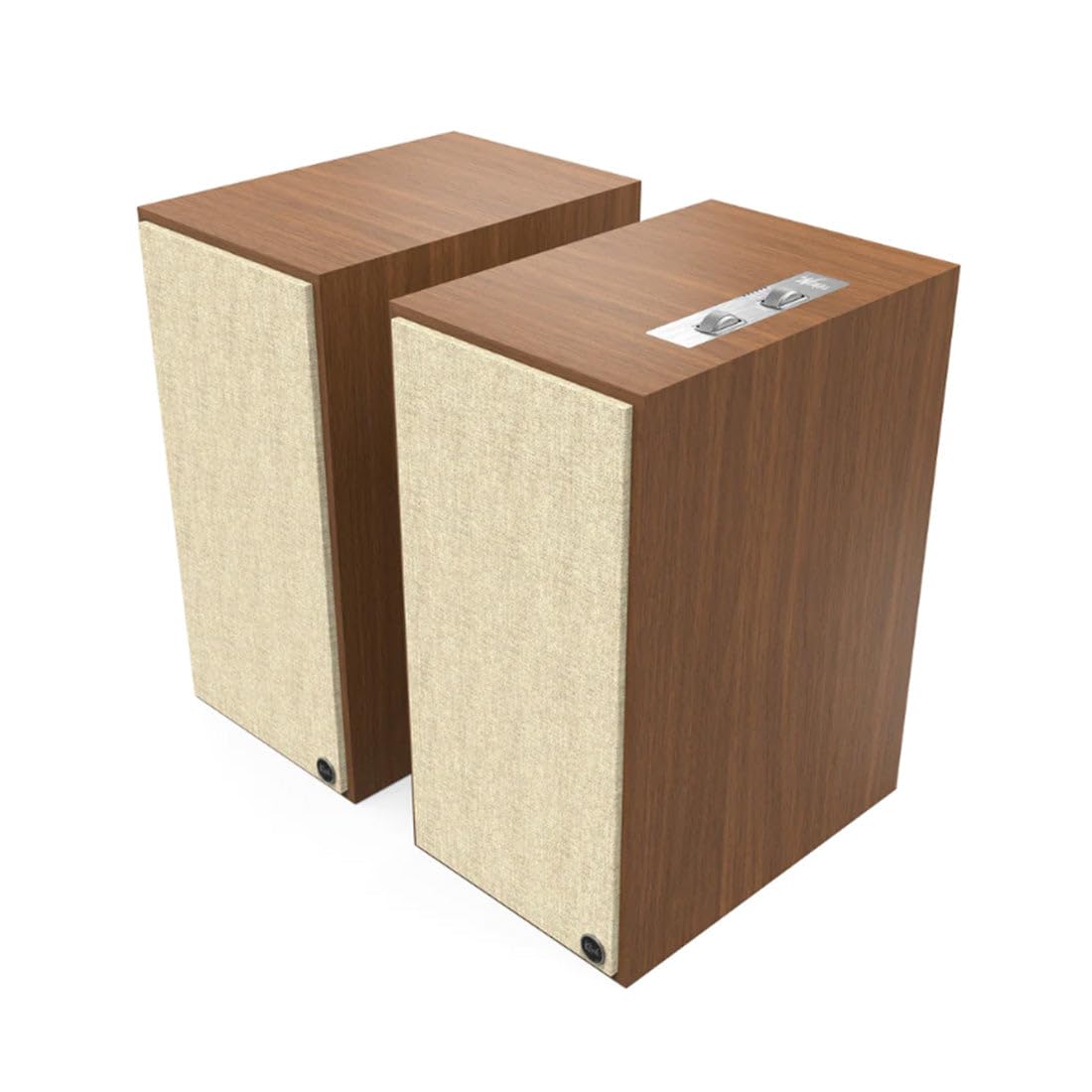
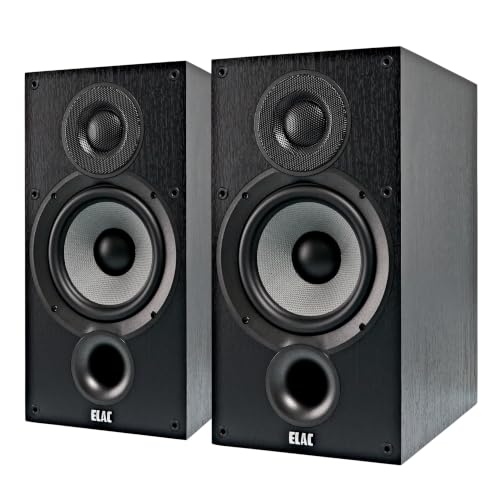
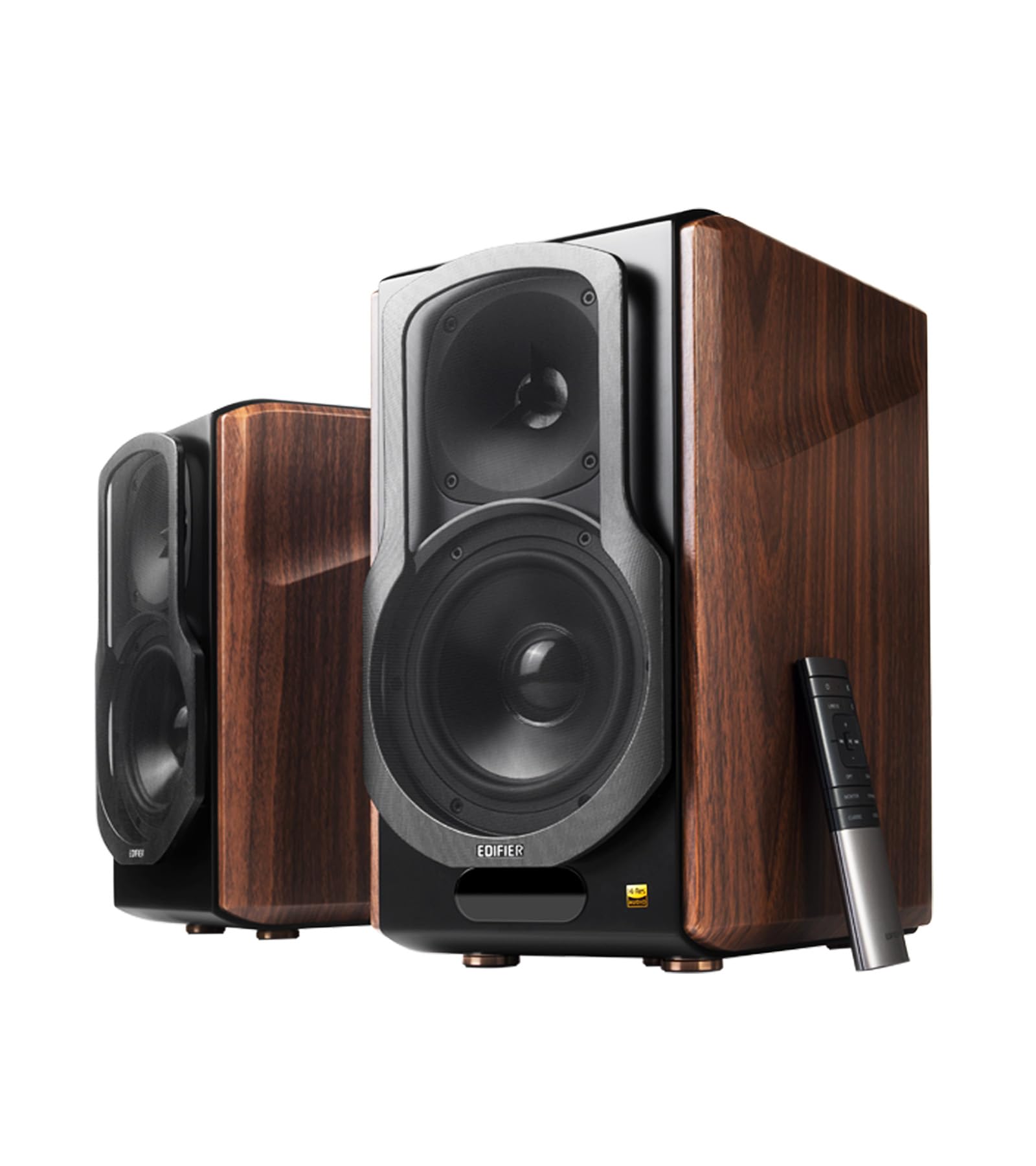
Bookshelf speakers are compact speakers designed to sit on a stand, a shelf, or a desk, rather than on the floor. Under 1000, you can find both passive speakers that need an amplifier and active speakers with a built in amplifier. Passive speakers offer more flexibility to upgrade amplifiers later, while active speakers simplify setup and often include useful inputs for a turntable, a computer, or a TV.





The Basics
Room size is a key factor. A small room needs less power and smaller drivers to sound balanced, while a larger room benefits from larger drivers and more power to fill the space without strain. Placement also affects sound: speakers placed too close to a wall can sound boomy, while speakers placed too far apart can leave a hole in the centre image. Stands that place tweeters at ear height usually improve clarity and imaging.
Amplifier matching matters for passive speakers. Check the speaker sensitivity and impedance, and choose an amplifier with enough power for your room without being excessive. A speaker that is hard to drive needs a stronger amplifier to sound its best, while an efficient speaker can sound lively with a modest amplifier.
Key Features to Compare
Room Size and Driver Size
Driver size affects bass depth and room filling ability. A 5 inch driver suits small to medium rooms and desk use, while a 6.5 inch driver gives fuller bass for larger rooms. Larger drivers are not automatically better in a small room, because they can overwhelm the space and sound boomy if placed too close to walls.
Passive or Active Design
Passive speakers need an external amplifier, which adds cost but allows future upgrades and a wider choice of amplifiers. Active speakers have a built in amplifier, which simplifies setup and often gives a well matched sound out of the box. Choose passive if you already own a good amplifier or plan to upgrade, and active if you want a simple, compact system.
Amplifier Match and Sensitivity
Sensitivity tells you how loud a speaker plays for a given amplifier power, and higher sensitivity speakers need less power to reach the same volume. Check impedance too, because a low impedance speaker can be harder for a small amplifier to drive. Match amplifier power to room size and listening level, rather than buying the most powerful amplifier available.
Placement, Stands, and Imaging
Placement affects imaging, bass, and clarity more than many buyers expect. Place speakers on sturdy stands at ear height, angled slightly towards the listening position, and leave space behind them if the maker recommends it. Avoid placing speakers inside a closed cabinet, because that can colour the sound and reduce clarity.
Inputs, Sources, and Future Use
Think about the sources you will use: a turntable, a streamer, a computer, a TV, or a CD player. Active speakers often include multiple inputs, while passive speakers rely on the amplifier for inputs. Choose a system with the inputs you need now plus one spare, so a future source does not require a complete system change.
Who Should Buy Which Type
For Music Listening in a Living Room
For living room music listening, a pair of passive or active speakers with a balanced sound and good imaging suits most rooms. A medium driver size gives fuller bass without overwhelming a typical living room. Place speakers on stands, experiment with distance from the wall, and listen to familiar music to judge tonal balance.
For Desk and Nearfield Use
For desk use, a smaller speaker with clear mids and highs suits nearfield listening, where you sit close to the speakers. Active speakers are often convenient for desks, because they need no separate amplifier. Keep speakers at ear height and angled towards you, and avoid placing them too close to a wall or a corner.
For Home Cinema and TV Sound
For home cinema, bookshelf speakers can serve as front left and right speakers, giving clearer dialogue and more dynamic sound than a TV alone. A centre speaker may still be needed for the clearest dialogue, but a good pair of bookshelf speakers is a strong start. Check that your receiver or amplifier can drive the speakers and that placement suits both music and film.
Related Choices to Compare
If you are also weighing a nearby option, the guide to best bookshelf speakers under 1000 dollars explains how that choice differs and when it may suit your needs better. Compare its main trade offs with the points above before you decide.
If you are also weighing a nearby option, the guide to best powered bookshelf speakers under 1000 explains how that choice differs and when it may suit your needs better. Compare its main trade offs with the points above before you decide.
If you are also weighing a nearby option, the guide to best speakers under 1000 explains how that choice differs and when it may suit your needs better. Compare its main trade offs with the points above before you decide.
If you are also weighing a nearby option, the guide to best bookshelf speakers under 500 explains how that choice differs and when it may suit your needs better. Compare its main trade offs with the points above before you decide.
If you are also weighing a nearby option, the guide to best speakers under 1000 dollars explains how that choice differs and when it may suit your needs better. Compare its main trade offs with the points above before you decide.
Common Mistakes and Care
A common mistake is buying the largest speakers available for a small room, which can sound boomy and unbalanced. Another mistake is pairing a demanding passive speaker with a very weak amplifier, which can sound thin and strained at higher volumes. Match size and amplifier to your room and listening level, not to headline numbers.
Keep speakers dust free, check cables and connections periodically, and avoid placing drinks on top of speakers. If sound becomes distorted, check amplifier settings, cable polarity, and whether a driver has been damaged. Proper placement and care will keep bookshelf speakers sounding good for many years.
Frequently Asked Questions
Are bookshelf speakers good for a large room?
Bookshelf speakers can work well in a large room if they have larger drivers and are paired with a capable amplifier, but they may need a subwoofer for deep bass. In very large rooms, floorstanding speakers or a subwoofer addition may give fuller sound. For most living rooms, a well placed pair of bookshelf speakers is more than adequate.
Do I need an amplifier for bookshelf speakers?
Passive bookshelf speakers need an external amplifier or receiver, while active bookshelf speakers have a built in amplifier and connect directly to a source. Check the speaker type before buying, because the amplifier requirement affects total cost and setup. Active speakers simplify a first system, while passive speakers offer more upgrade flexibility.
How far from the wall should bookshelf speakers sit?
Distance from the wall depends on the speaker design, especially whether the port is at the rear. Many makers suggest 20 to 30 cm from the wall as a starting point, then adjust by listening. Speakers placed too close to a wall can sound boomy, while speakers placed too far into the room may lose bass support.
What size driver do I need?
A 5 inch driver suits small to medium rooms and desk use, while a 6.5 inch driver suits larger rooms and fuller bass. Larger drivers are not automatically better, because room size and placement matter more. Choose driver size based on your room and listening distance, not on driver size alone.
Can bookshelf speakers work with a turntable?
Yes, bookshelf speakers work well with a turntable if you have a phono stage and an amplifier for passive speakers, or an active speaker with a suitable input. Check that your turntable output matches the speaker or amplifier input, and place speakers away from the turntable to avoid vibration feedback.
A Final Check Before You Order
Before you order, measure your room, check amplifier compatibility for passive models, and plan stand height so tweeters sit at ear level. A well placed pair that matches your room and amplifier will sound more natural than a larger pair squeezed into a small space.
Final Thoughts
Match speaker size to your room, choose passive or active based on your amplifier plans, and spend time on placement and stands. A well matched, well placed pair will sound better than a more expensive pair installed poorly. The comparison table above can help you compare driver sizes and types.
For most listeners, best bookshelf speakers under 1000 come down to the right size for the room, a sensible amplifier match, and placement at ear height. Get those right and music will sound natural and engaging.


