
Best amplified bookshelf speakers in 2026: A Buying Guide
Disclosure: We may earn a commission when you buy through links on this page, at no extra cost to you. As an Amazon Associate I earn from qualifying purchases. Learn more

The best amplified bookshelf speakers fit a desk, TV stand or turntable. Compare inputs, power and driver size before you buy.
The best amplified bookshelf speakers put the amplifier inside the cabinet, so a compact pair can fill a desk, bedroom or small living room without a separate receiver. You connect a TV, computer, phone or turntable, set the volume, and listen. The product table above shows current options, and this guide explains how to choose between them.
Amplified models differ in more ways than size. Some are wired near-field monitors for a desk, some add Bluetooth and a remote for the living room, and a few include a phono input for records. Matching the type to your room and sources matters more than chasing the biggest wattage number.

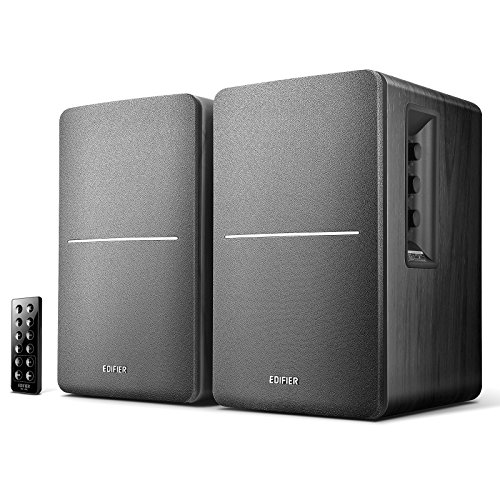
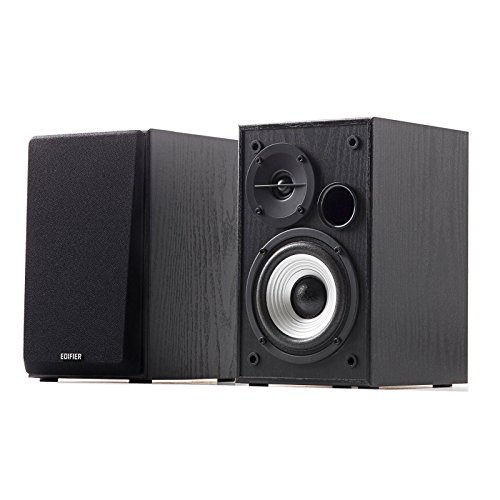
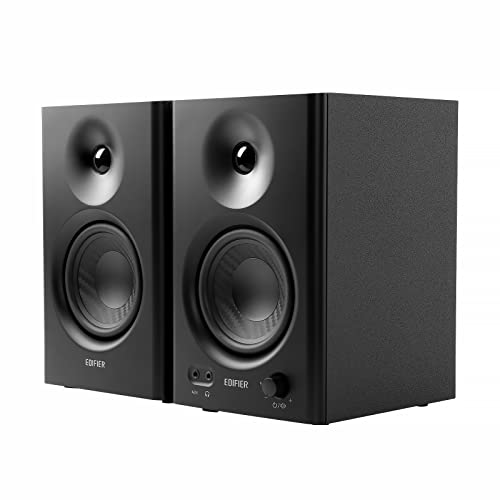
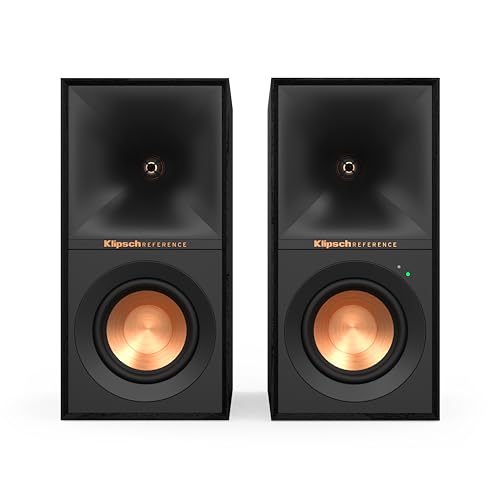


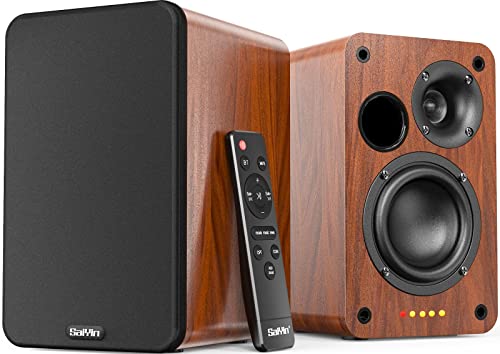
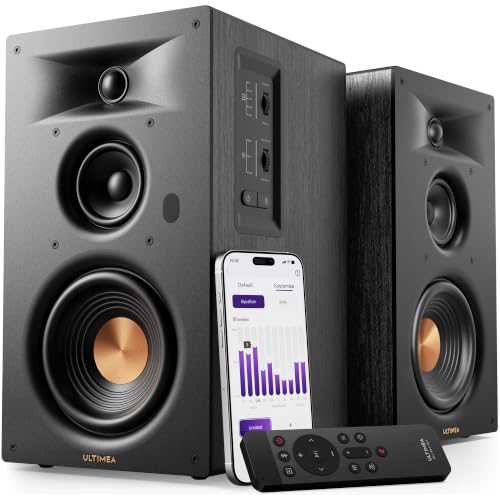
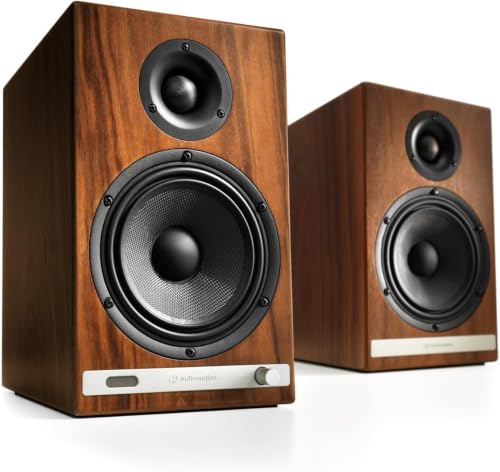
Who Should Buy the Best Amplified Bookshelf Speakers
These speakers suit anyone who wants a simple stereo setup with fewer boxes and cables. They work well for a desk, a TV stand, a bedroom shelf, or a first music system where a receiver would be overkill.
- Desk and home office listeners who sit close and want clear, detailed sound at moderate volume.
- TV owners who want better dialogue than built-in television speakers, ideally through an optical or HDMI ARC input.
- Vinyl fans who want a compact pair with a phono input or a switchable line level input.
- Small-room listeners who want stereo imaging without a bulky amplifier on the shelf.
If you already own a good receiver or a home theater setup, passive bookshelf speakers may be a better fit. Our guide to best bookshelf speakers covers that route.
Key Features to Compare
A short list of specs decides most of the experience. Read these before comparing prices.
- Inputs: optical, RCA, 3.5 mm, USB and HDMI ARC cover most sources. Count the devices you own and add one spare.
- Bluetooth: handy for phones. Look for a stable connection and, if you care about quality, AAC or aptX support on your phone as well.
- Driver size: a 3 to 4 inch woofer suits a desk; 5 inch and larger drivers give fuller bass in bigger rooms.
- Power: look for RMS power, not peak numbers. Around 40 to 100 watts RMS total is plenty for most rooms.
- Subwoofer output: lets you add deeper bass later without replacing the pair.
- Controls: a remote and front or side knobs are more convenient than rear controls, especially on a shelf.
- Phono input: only needed if your turntable has no built-in preamp.
Types of Amplified Bookshelf Speakers
Desktop studio monitors
Near-field monitors are tuned for neutral sound at arm's length. They are a strong choice for computers and music listening, though many have rear controls and fewer smart features.
Bluetooth and TV-friendly pairs
These add a remote, Bluetooth and often an optical input. They are the easiest choice for a living room or bedroom where one pair has to handle TV, phone and music.
Hi-fi powered pairs
Larger powered pairs with wood cabinets and bigger drivers deliver fuller bass and more headroom. They cost more, but they can replace a separate amplifier and passive speakers entirely.
Turntable-ready pairs
Some models include a built-in phono stage or a clear line input for records. Check the specifications, because a turntable without its own preamp needs a phono input or an external preamp.
Why Amplified Pairs Make Sense
A traditional stereo system needs three purchases: speakers, an amplifier or receiver, and cables between them. An amplified pair collapses that into one decision. The manufacturer has already matched the amplifier to the drivers, which removes the guesswork about impedance, power and compatibility. That matching also tends to give clean sound at moderate volume, because the amplifier is tuned for exactly those drivers rather than for a generic load.
The trade-off is flexibility. You cannot swap the amplifier later, and if one half fails, you usually replace or repair the pair. For most desks and small rooms that is a fair price for simplicity.
Price Expectations
Simple desk pairs start around $50 to $100 and are fine for casual listening. The $100 to $250 range adds Bluetooth, optical input and better drivers, which is where many shoppers land. Above $300 you get larger cabinets, stronger amplifiers and more refined sound. Spend more only when a clear feature, such as a subwoofer output or a phono input, solves a real need.
Placement and Setup Tips
Place the speakers at ear height and angle them slightly toward where you sit. Keep them a few inches from the wall, especially if the ports are on the back, and avoid pushing both into corners where bass becomes boomy. Foam pads or small stands reduce desk vibration. Use the shortest cable that reaches, and keep power cords away from signal cables to avoid hum. If the pair connects with a speaker cable between the two cabinets, check that the run is long enough before you arrange the room, and keep the cable out of walkways. Once everything is in place, play a familiar song at a normal volume and adjust the bass and treble controls only if the sound feels thin or boomy.
Common Mistakes to Avoid
- Judging by wattage alone instead of RMS power, driver size and how the pair sounds at your normal volume.
- Ignoring the inputs your TV or computer actually offers.
- Buying a pair too large for the shelf or desk, or with rear ports that need space the furniture does not allow.
- Expecting deep bass from small drivers without a subwoofer.
- Skipping the return policy, even though sound taste is personal.
Related Buying Guides
If you want one-box simplicity, see best powered bookshelf speakers and the broader best amplified speakers. Shoppers watching the budget can start with best bargain bookshelf speakers, and record listeners can compare best vinyl bookshelf speakers.
Frequently Asked Questions
Do amplified bookshelf speakers need a receiver?
No. The amplifier is built in, so you connect a source directly and control volume from the speaker or its remote. A receiver is only needed if you want surround sound or many video sources routed through one box.
How much power do I need for a small room?
Moderate power is usually plenty for a bedroom or office, because listening distance is short and the walls reflect sound. Focus on clarity at normal volume rather than chasing the highest wattage figure on the box.
Can I connect a turntable directly?
Only if the turntable has a built-in phono stage or you add a separate phono preamp, because the signal from a record cartridge is too quiet on its own. Check the speaker inputs and the turntable output before you buy.
Should I add a subwoofer later?
A subwoofer can help with films and bass-heavy music, but it is not required for most music listening. If you add one, set its crossover low and keep its volume modest so it supports rather than overwhelms the main pair.
What should I check before ordering?
Measure your shelf or desk, note the inputs on your television or computer, and check the cable length between the two speakers. These practical details matter more than small differences in published specifications.
Final Thoughts
The best amplified bookshelf speakers are the ones that match your inputs, your room and your budget. Pick the type that fits how you listen, confirm the connections, and use the product table above to compare current pairs side by side.


